
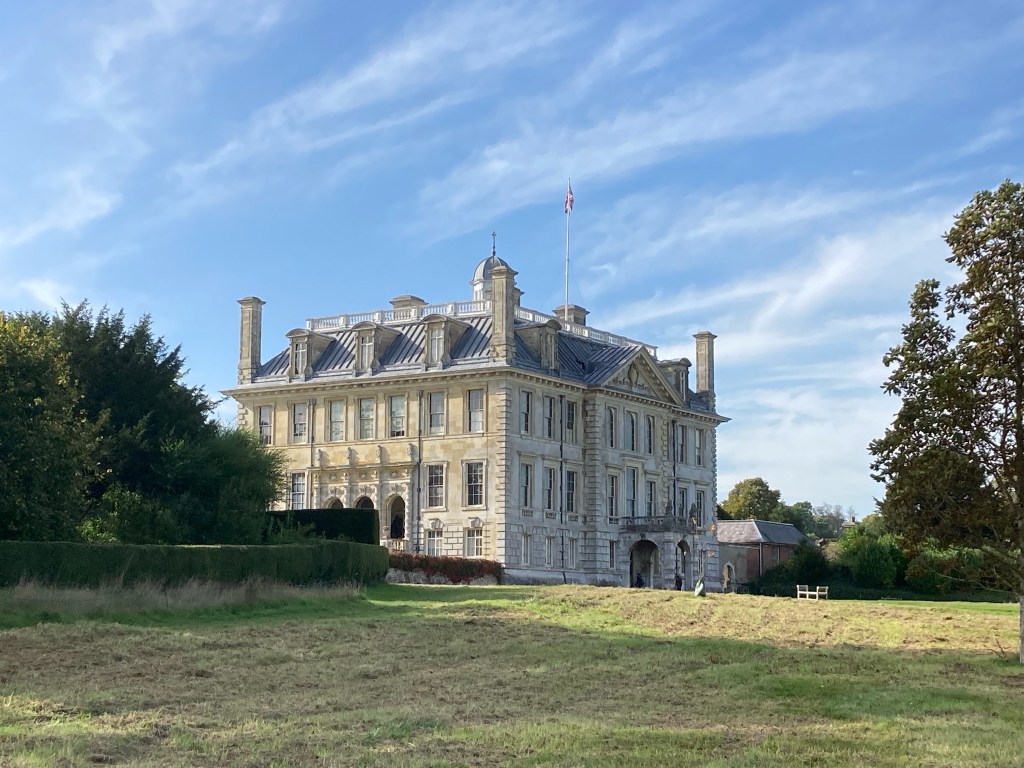
It’s hard to know where to begin with the National Trust “ jewel” that is Kingston Lacy as I found the whole experience of viewing the interior and its contents overwhelming. The House and Park are in the County of Dorset, about 30 mins drive north of Bournemouth and about an hours drive from both Southampton or Salisbury.. Sitting in a wonderful parkland setting with its own herd of Devon Red cattle. As you drive in from the Blandford Road, an Italian looking imposing grey stone cube shaped building reveals itself. It looks fine and interesting, perhaps a bit bland in colour against the park setting of massive oak and beech trees. It’s not until you step into the entrance, take in the fireplace with Bankes family coat of arms and then ascend the carpet covered marble staircase, that the unbelievable interior and contents are progressively revealed.
A treat is in store for all visitors but some background to what is today’s Kingston Lacy may help.In the 16th century a Cumberland yeoman John Bankes, ( later Sir), with land that had graphite mining within it – vital for munitions then – became a Member of Parliament, and ended up as the Chief Justice to King Charles 1. Jon Bankes activities allowed him to accumulate great wealth and to acquire a massive old royal estate that included the then habitable Corfe Castle, (we visited this a couple of years back), and the whole estate that became Kingston Lacy. During the Civil War the Royalists were beaten by the Roundheads during which struggle Corfe Castle was attacked and eventually destroyed.
A downturn in fortunes for the Bankes then but with the Restoration of King Charles 11, life improved as Sir John married a rich Dorset heiress and built a new house where today’s Kingston Lacy now sits. This new house was a modest brick building, but a couple of the next Bankes, astute business people and smart with their marriages saw significant dowries restoring family fortunes. So in 1834 the next Bankes – William John set about creating what we see today, the Italian Palazzo in local Chilmark limestone. He and his successors were great travellers and bought masterpieces wherever they went and these are on display today.
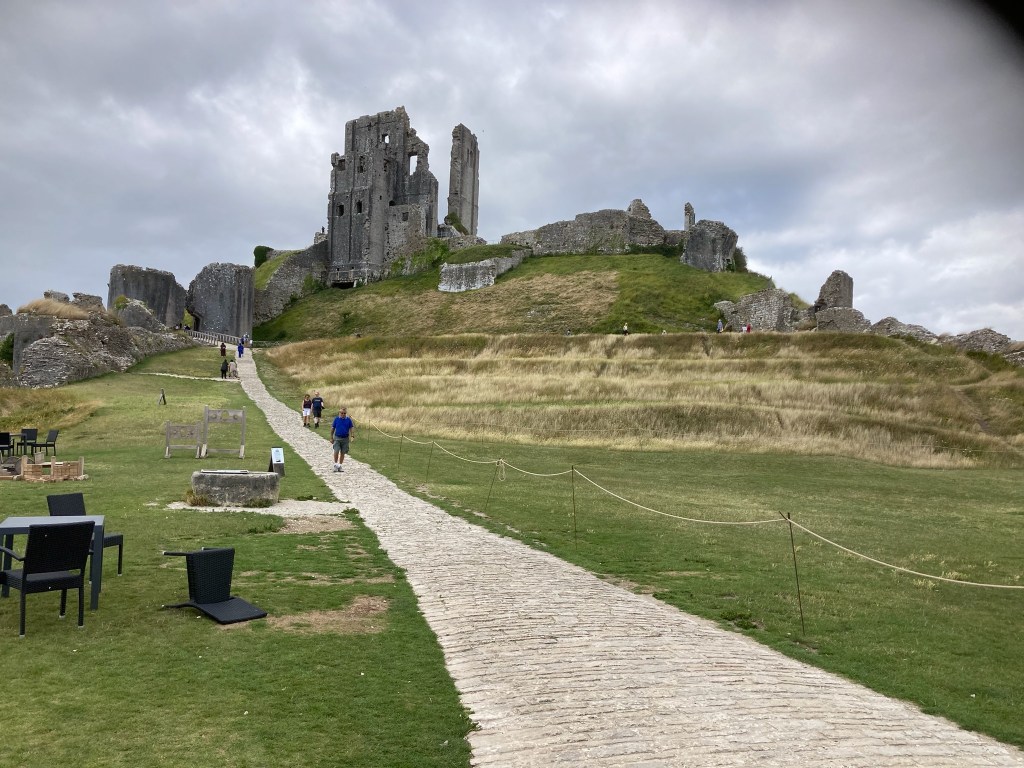
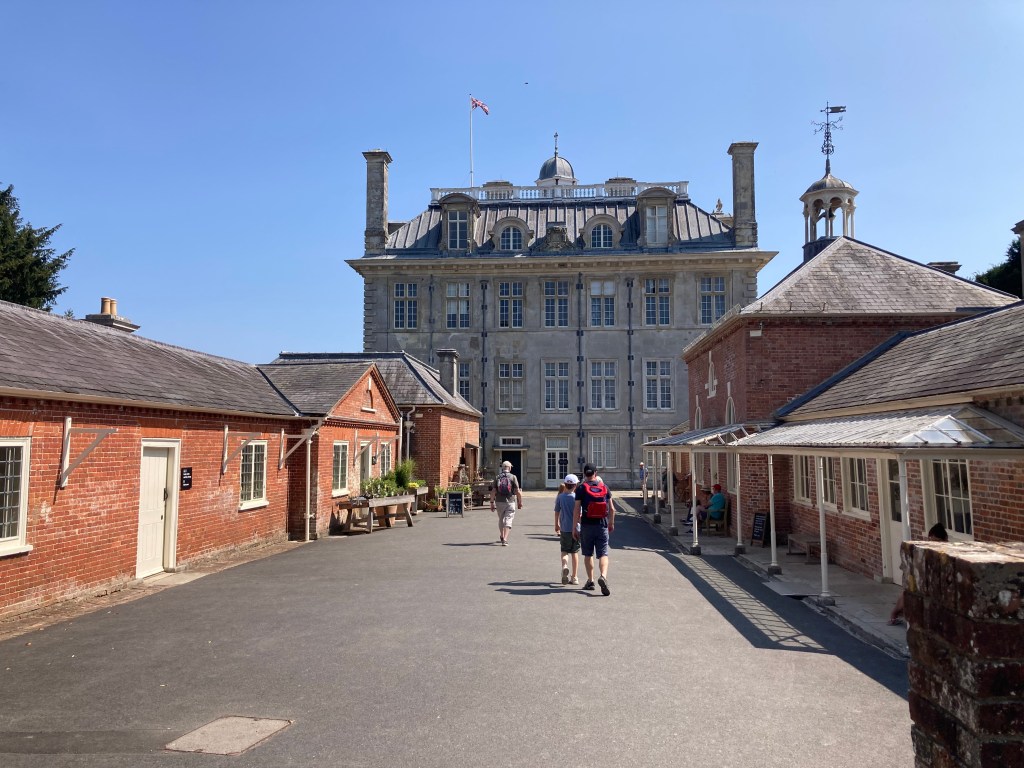
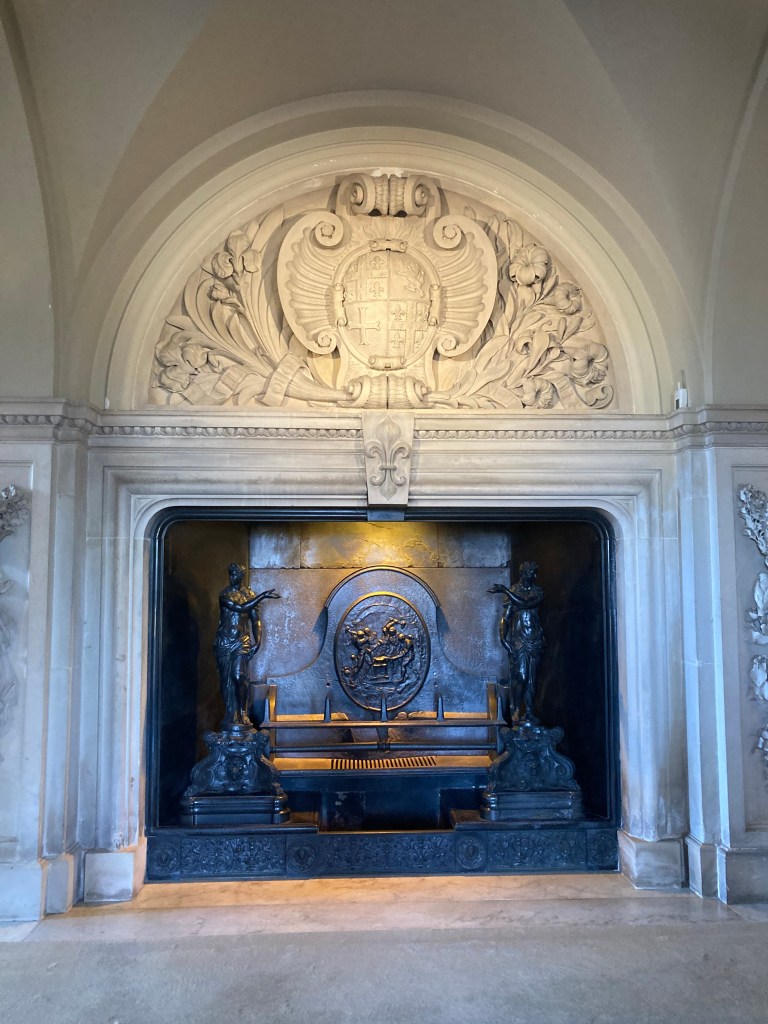
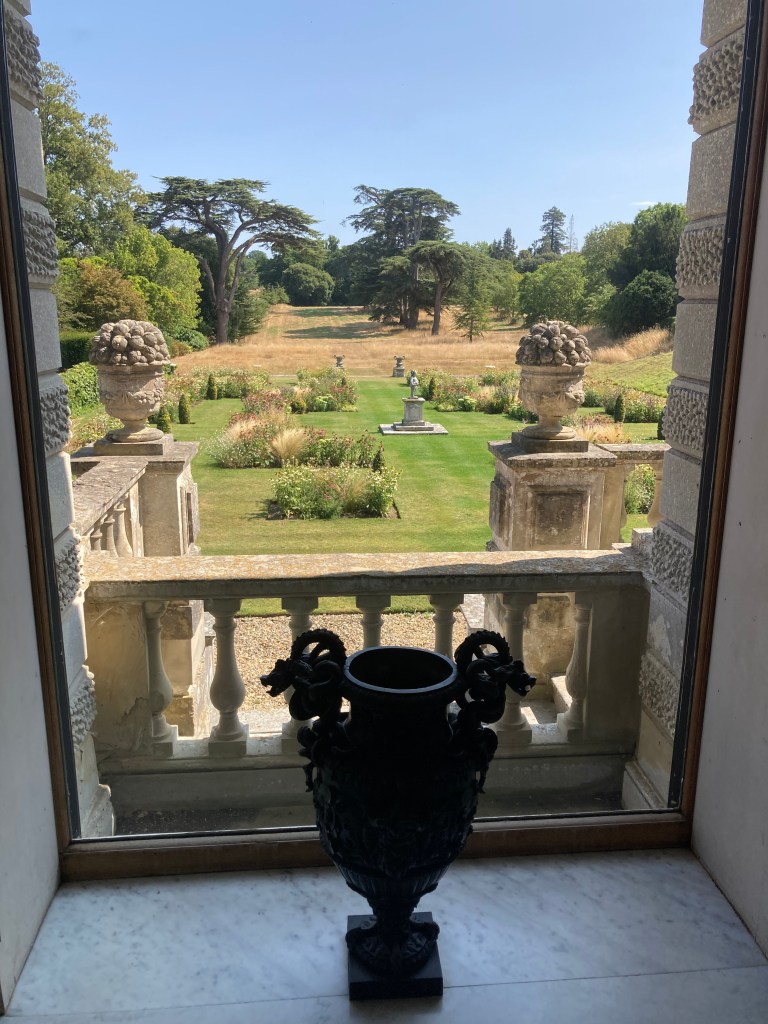
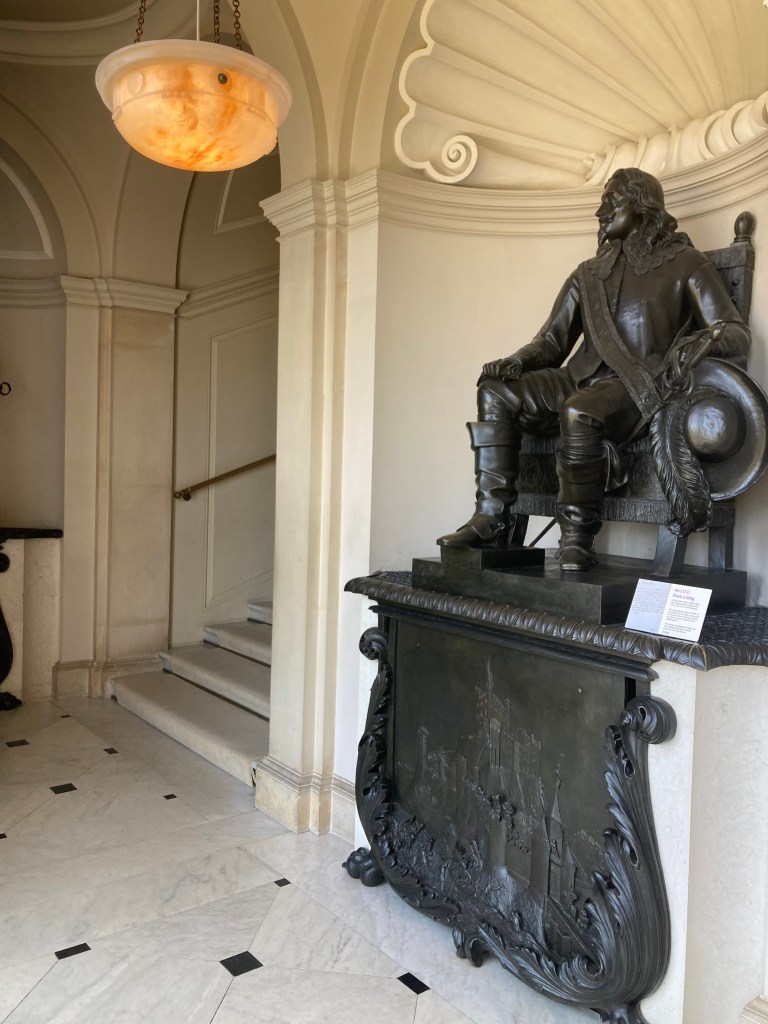
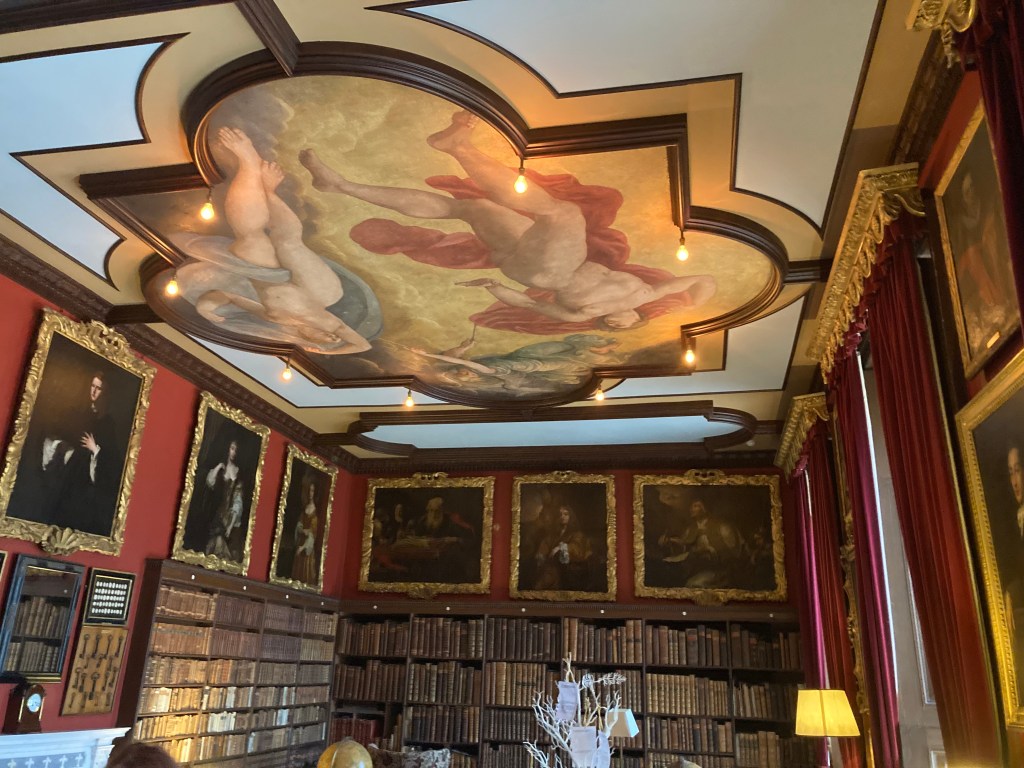
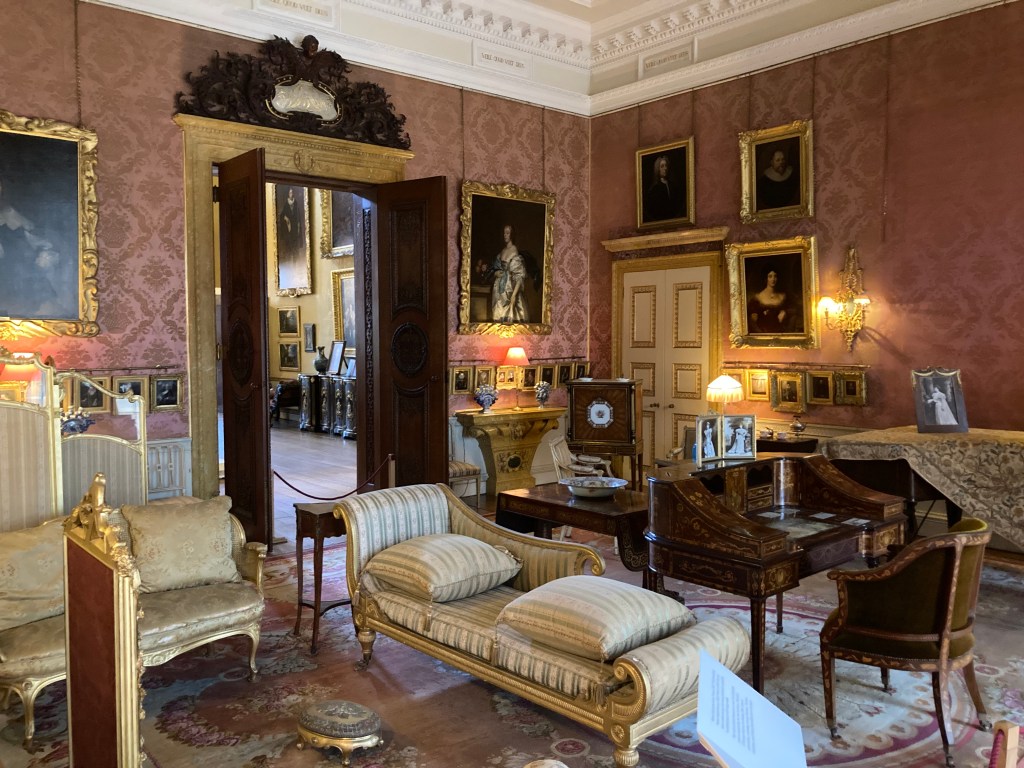
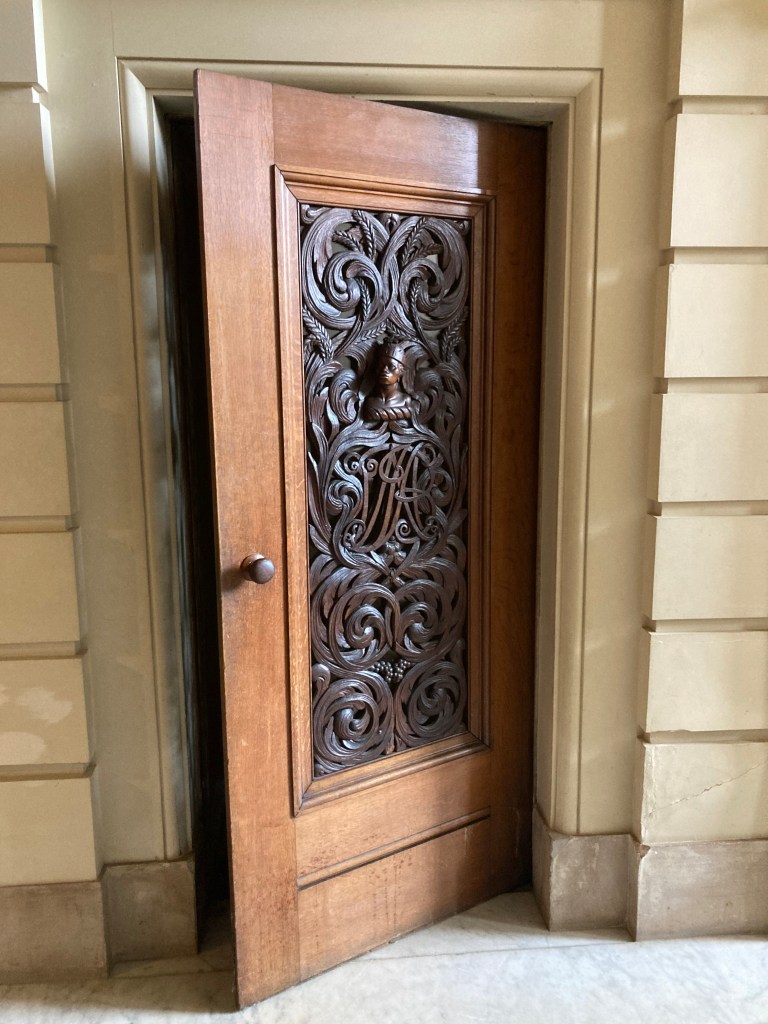
Today’s ground floor entrance to Kingston Lacy originally was the servants “downstairs”, and the land around the building was excavated to effectively set the building a whole floor higher upon the landscape. Nevertheless everything about the building, interior and contents is set out to impress. From the entrance hall, to the stairs leading to the garden view with amazing bronze. The sculptures leading you upstairs to the living quarters with quality English craftsmanship at every turn, and amazing art works adorning walls and ceilings.
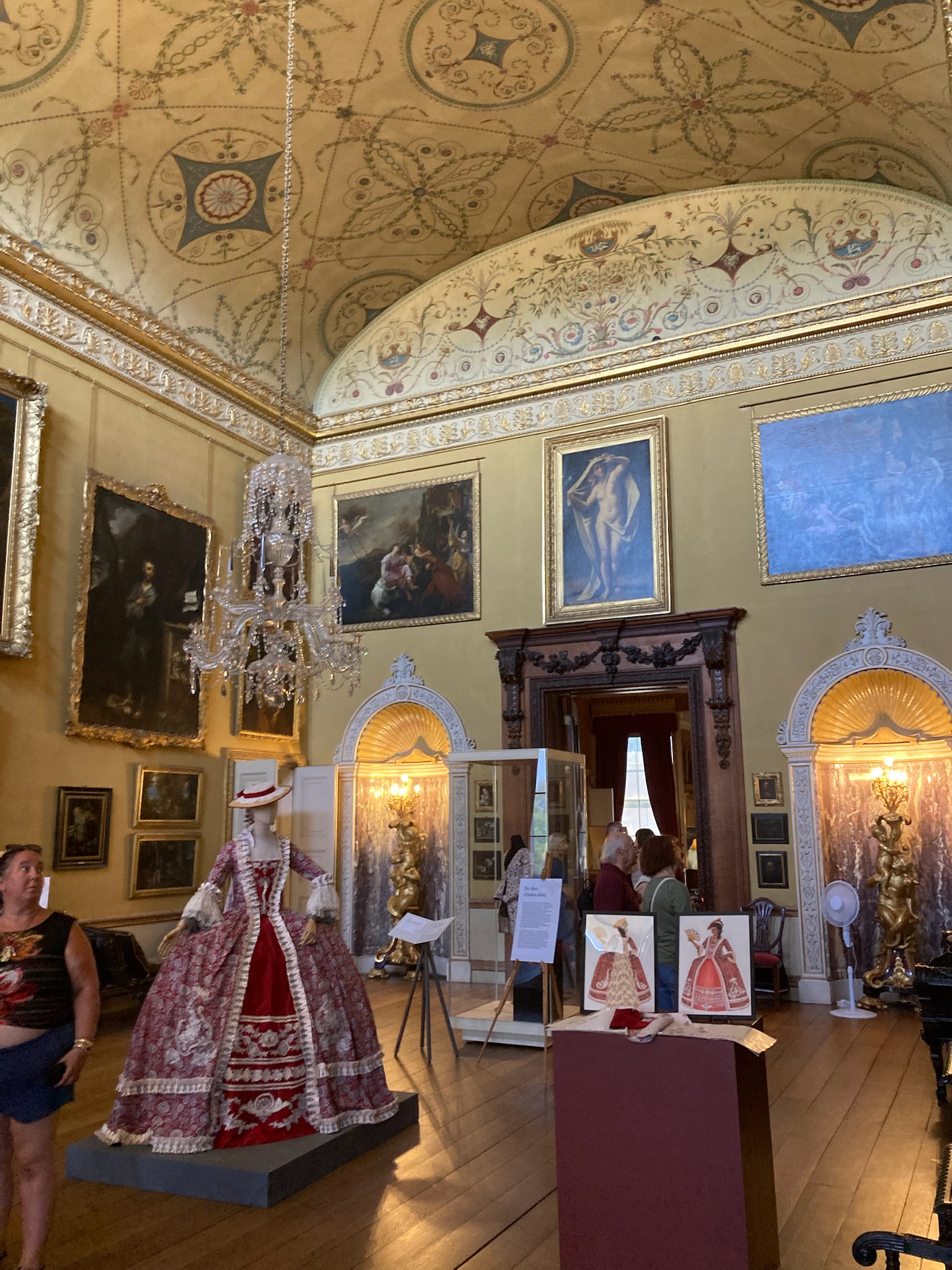
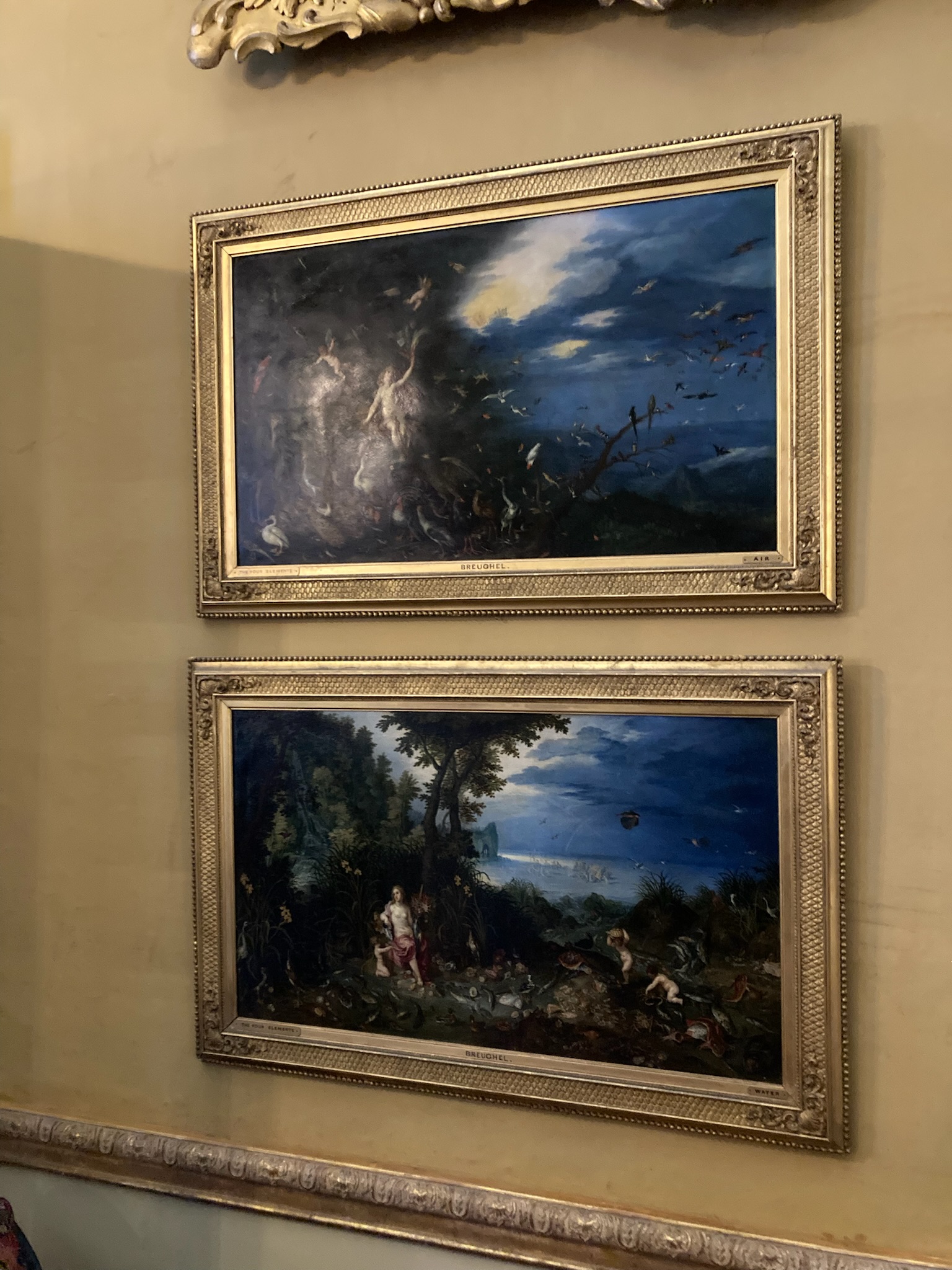
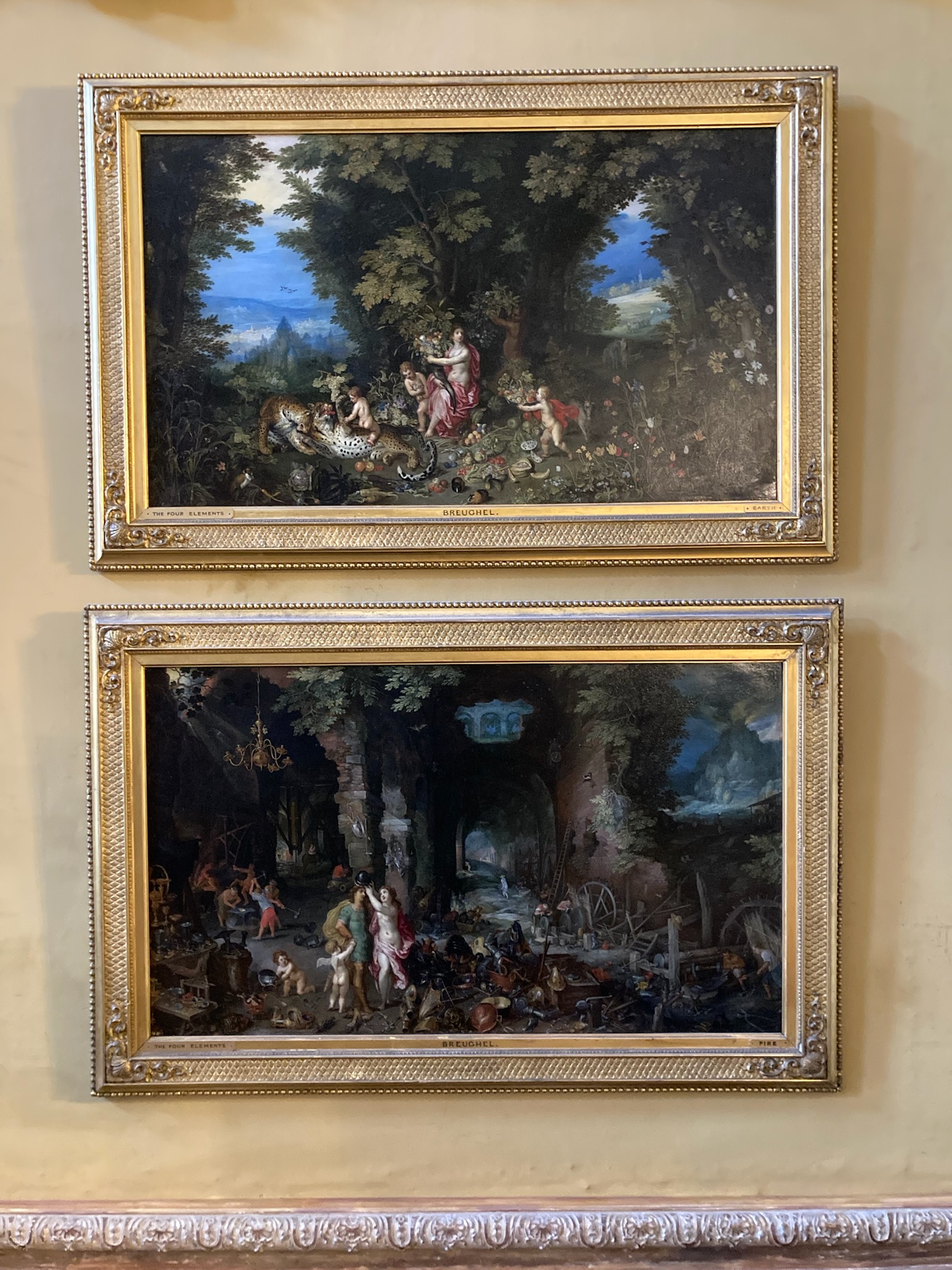
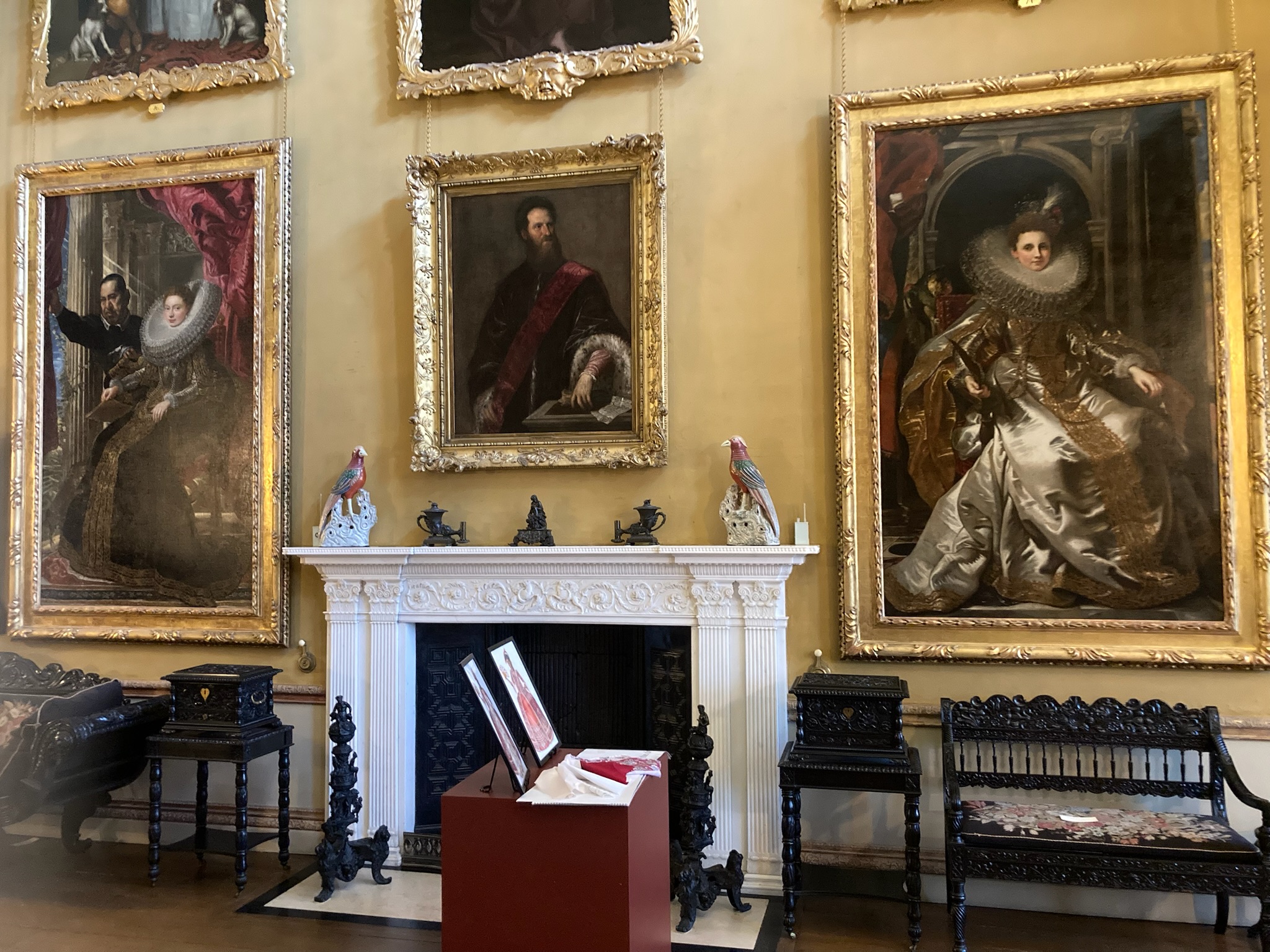
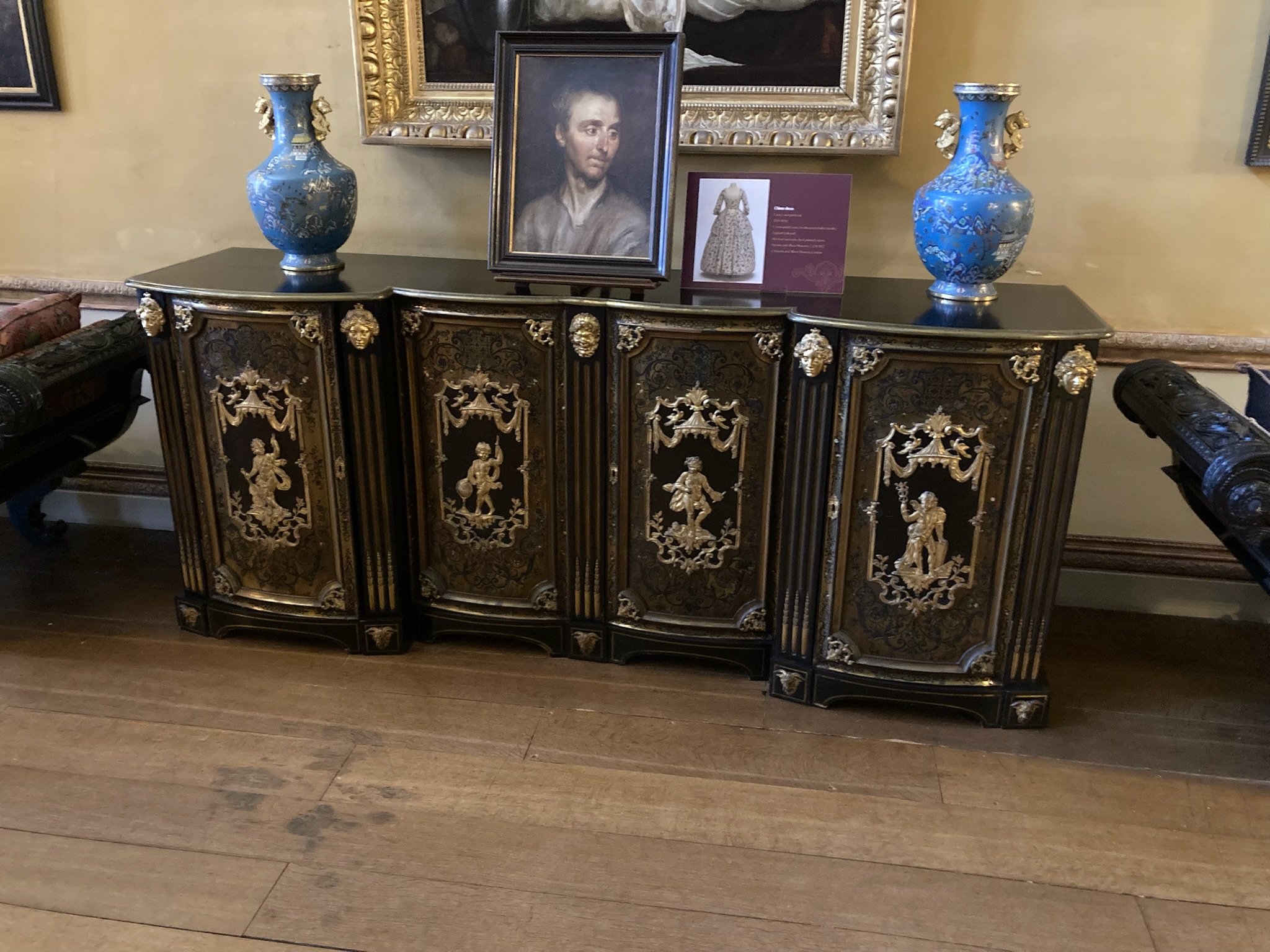
One of the wonderful features of many National Trust properties we visit are the volunteer guides, ready to answer visitor questions. At the top of the first staircase we entered the Salon which was a big, open display in a lounge sort of setting. The lady volunteer guides apologised that she needed to sit because of some sciatica, but then took us through the paintings exhibited. The 4 Bruegels – Dutch masterpieces – the Titian over the fireplace – the 2 Ruben’s, with some Raphael input too. Priceless works of art hanging on the walls and just overpowering. As an aside I asked about the piece of furniture, i thought was a credenza, oh yes, she said its been valued at about US$1.3M!
The Library on this first floor level is equally impressive, but the eye is drawn immediately to the ceiling painting of , The Separation of Night from Day, an early 17th-century work by the Italian artist Guido Reni.
Not stopping there, William John Bankes in the early 19th century travelled extensively in Spain and the Middle East. He had created the Spanish Room you see below. The wall coverings are embossed leather and the paintings including from Velazquez are amazing as is the whole effect of the room.
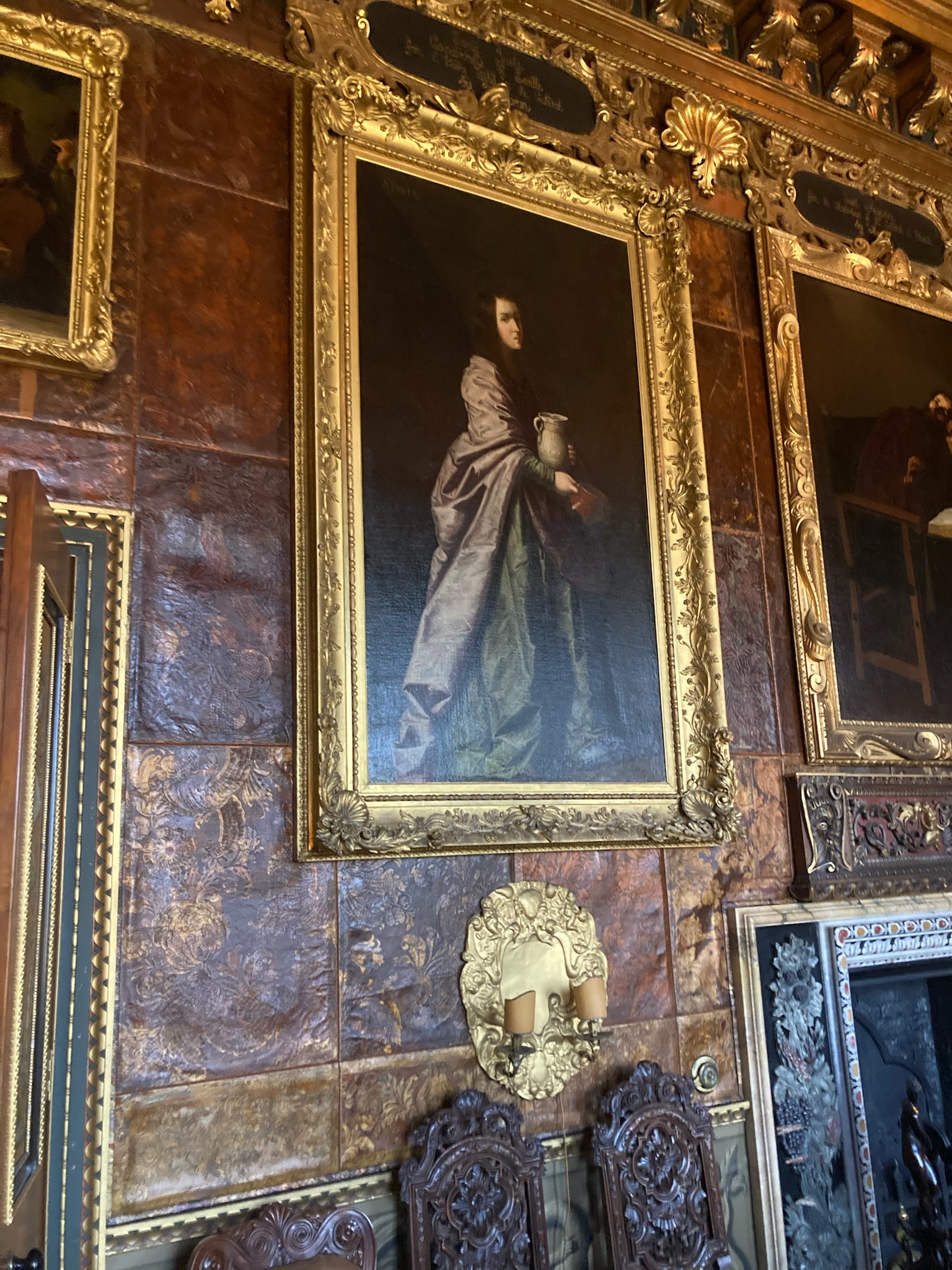
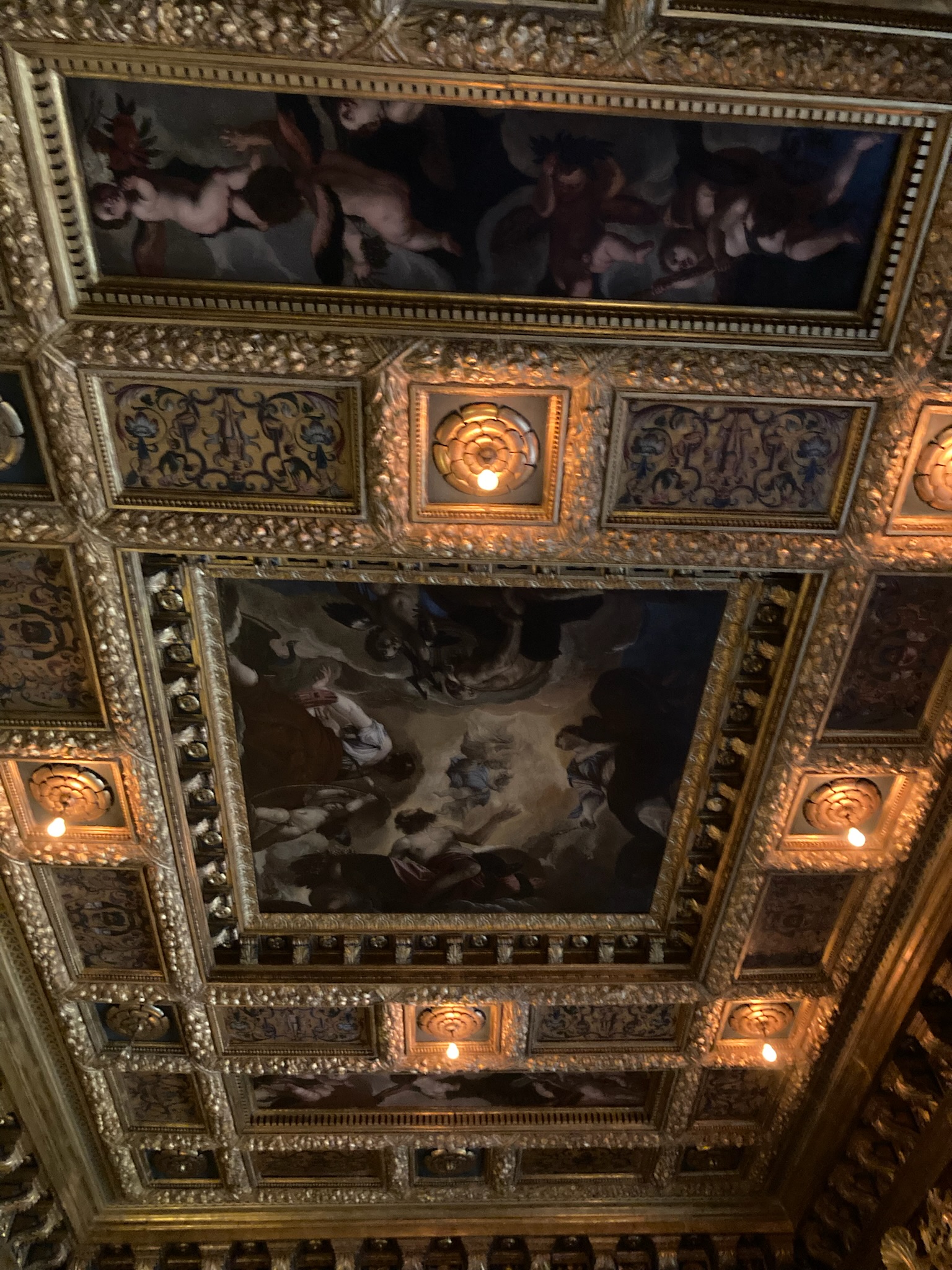
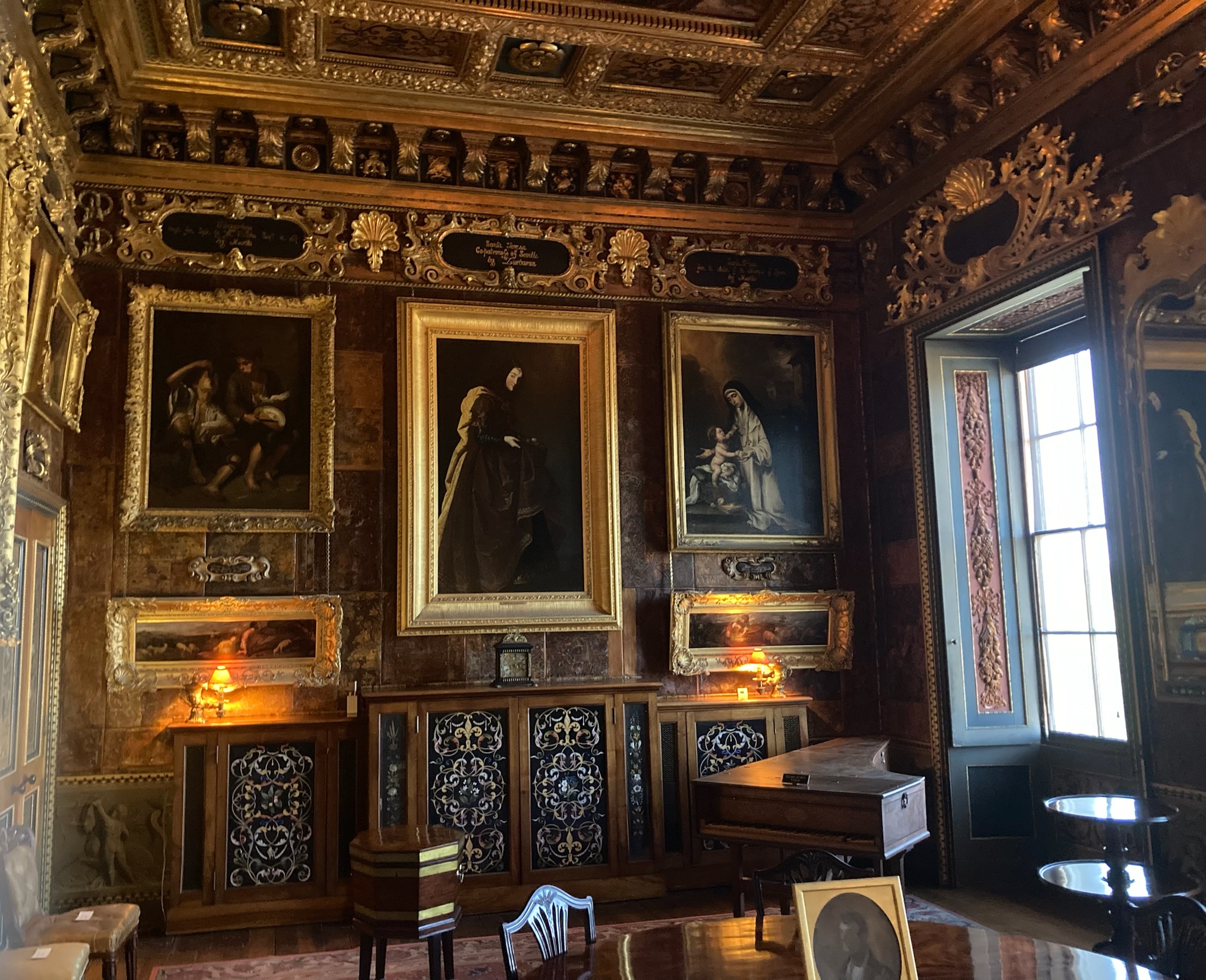
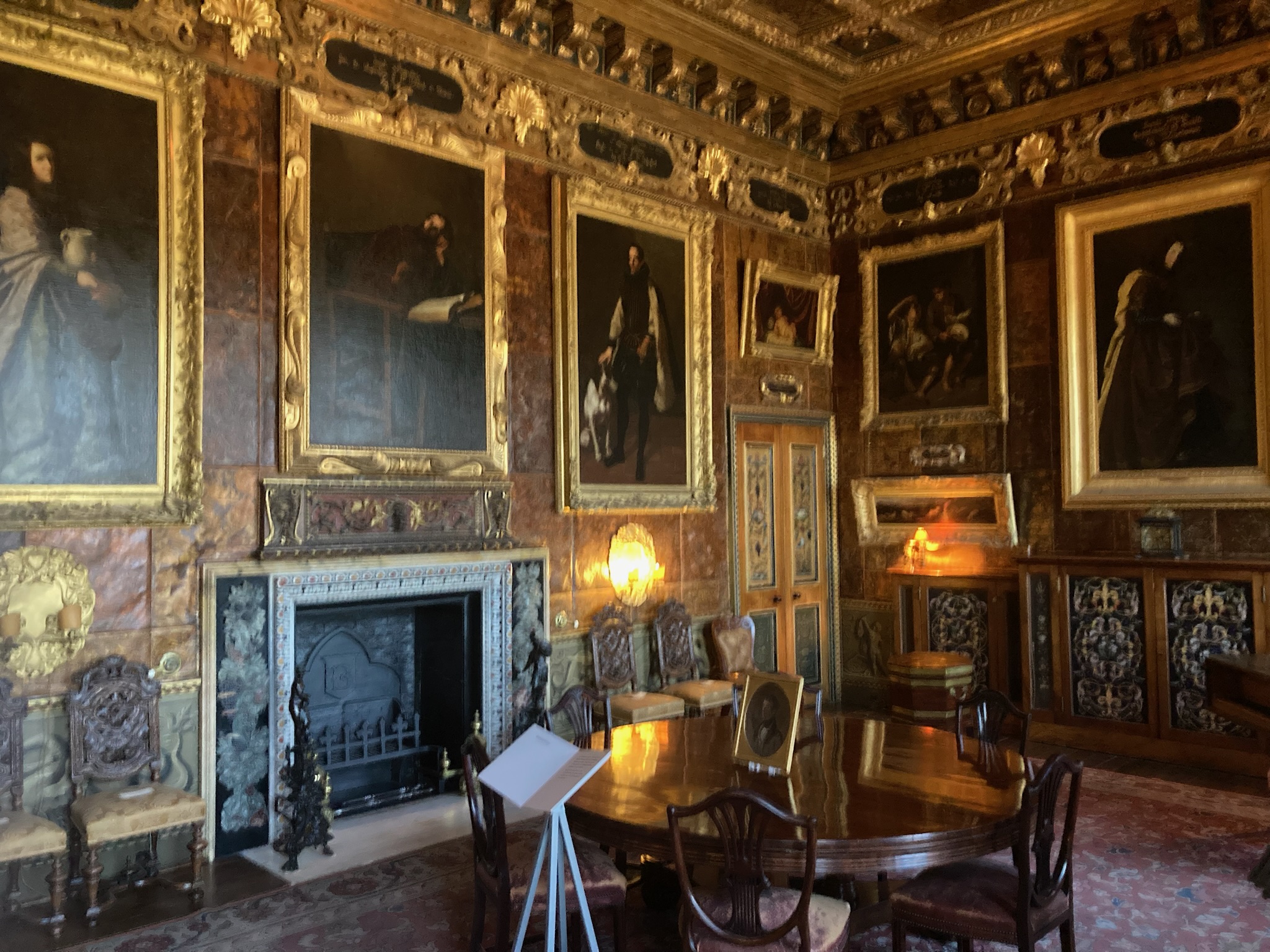
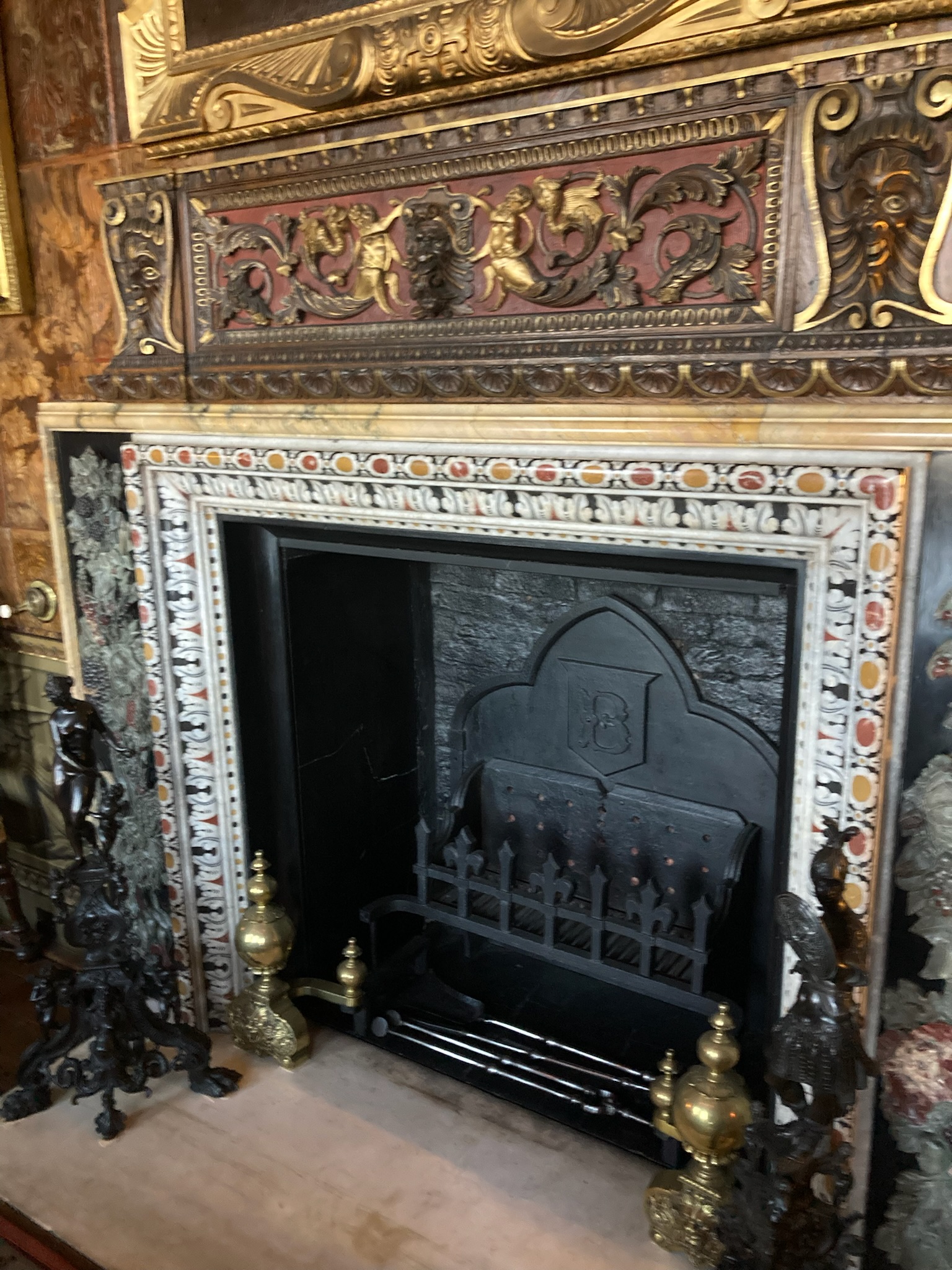
One does start to run out of superlatives for the interior and artwork at Kingston Lacy, so I will just let the photos, speak for themselves. The last heir of this huge estate left it to the National Trust in 1981, and it was the largest ever bequest given to the Trust. Today after the excellent restorative work done by the National Trust, the property and its contents are just extraordinary, and if this sort of history, art and artifacts are of interest, do visit, we will return, I feel I have just scratched the surface on what is there.
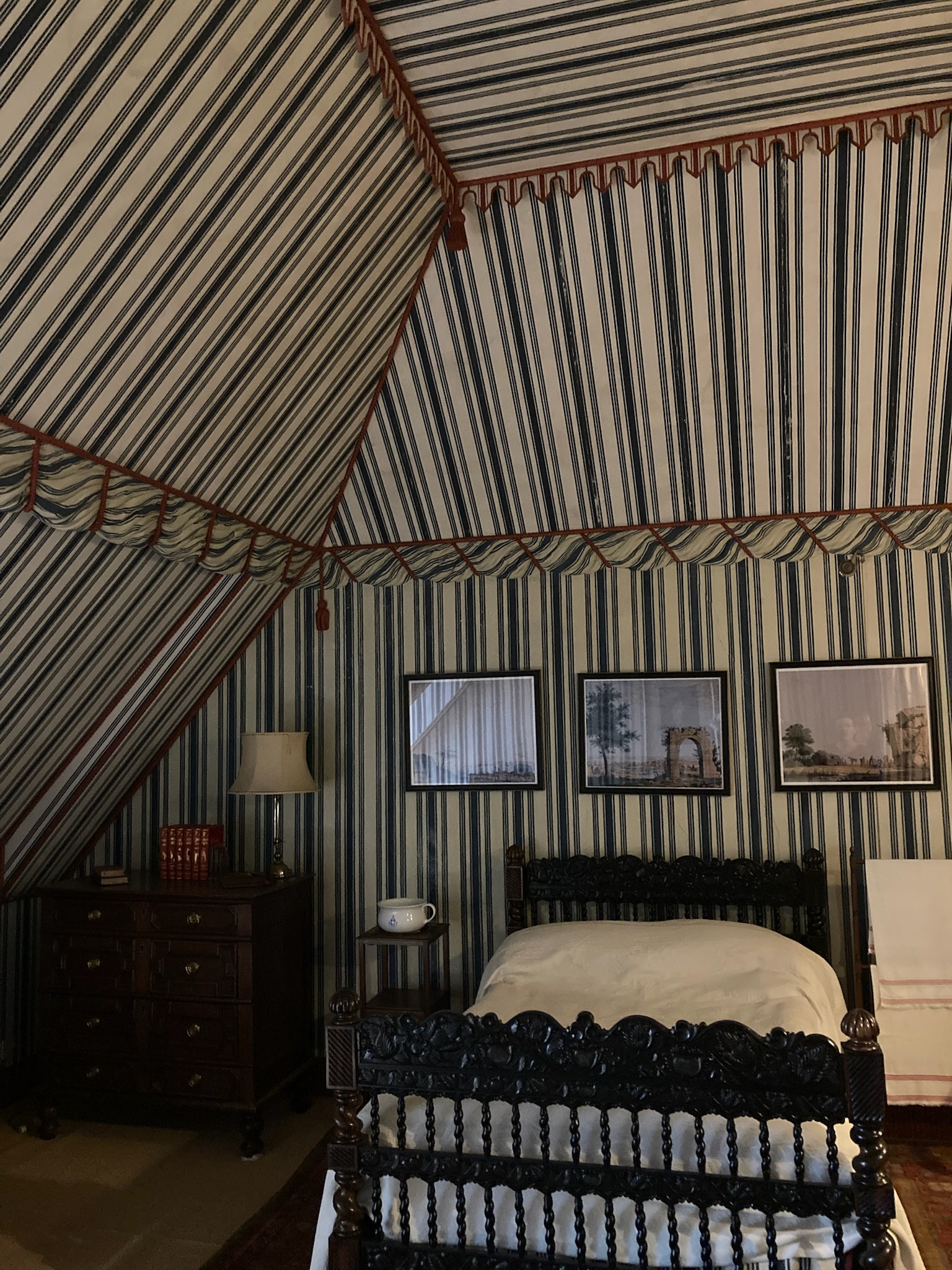
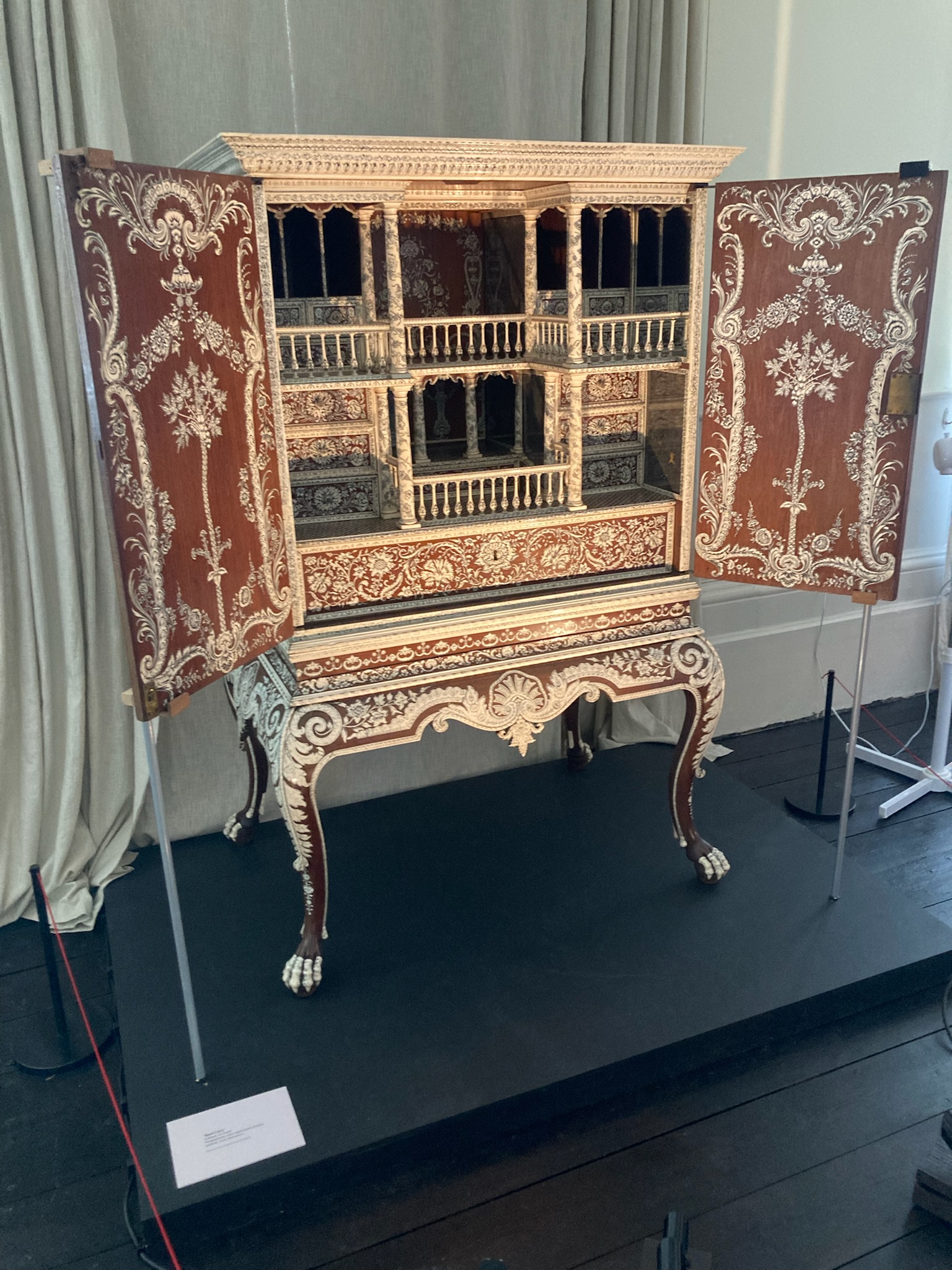
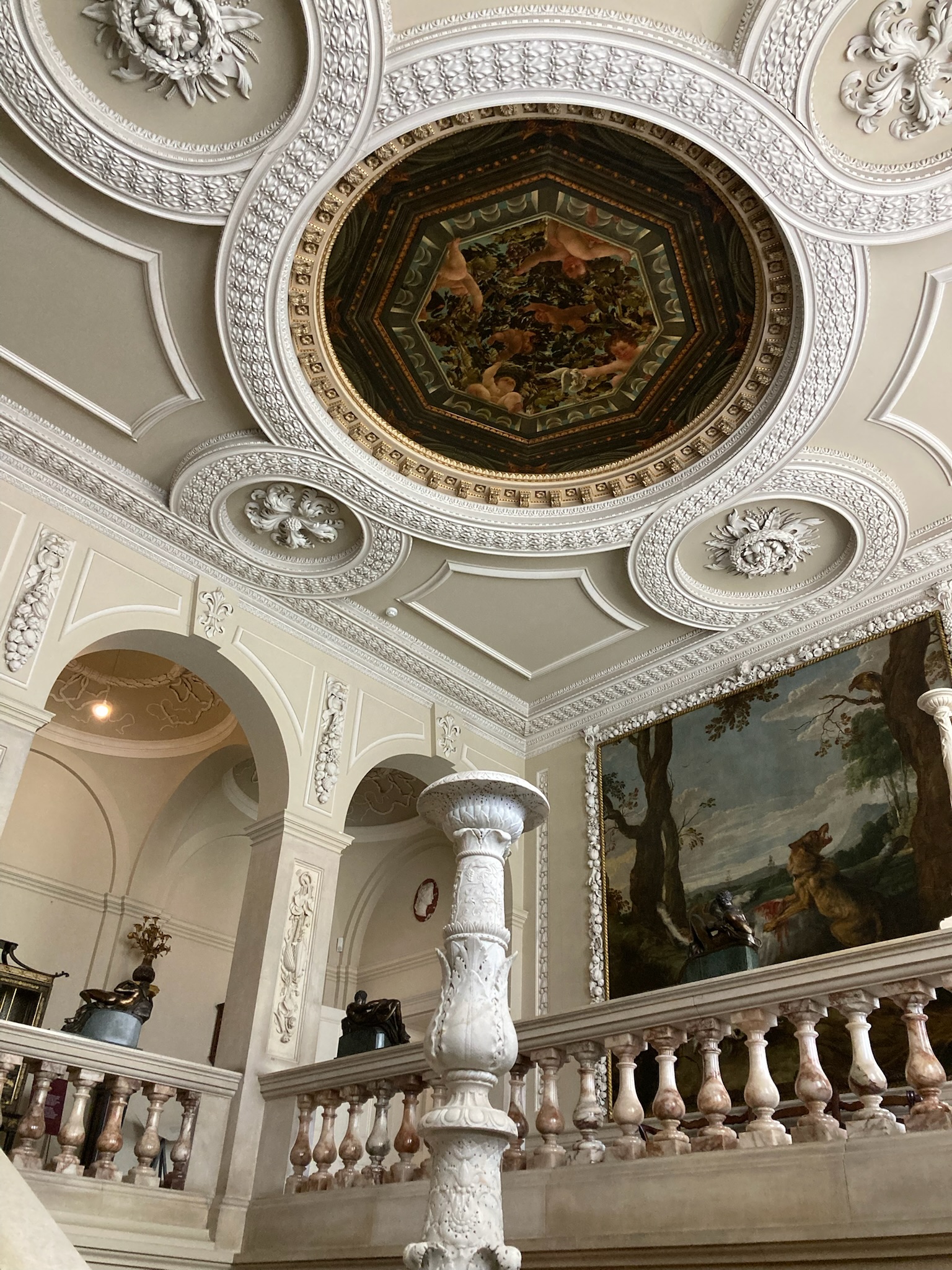
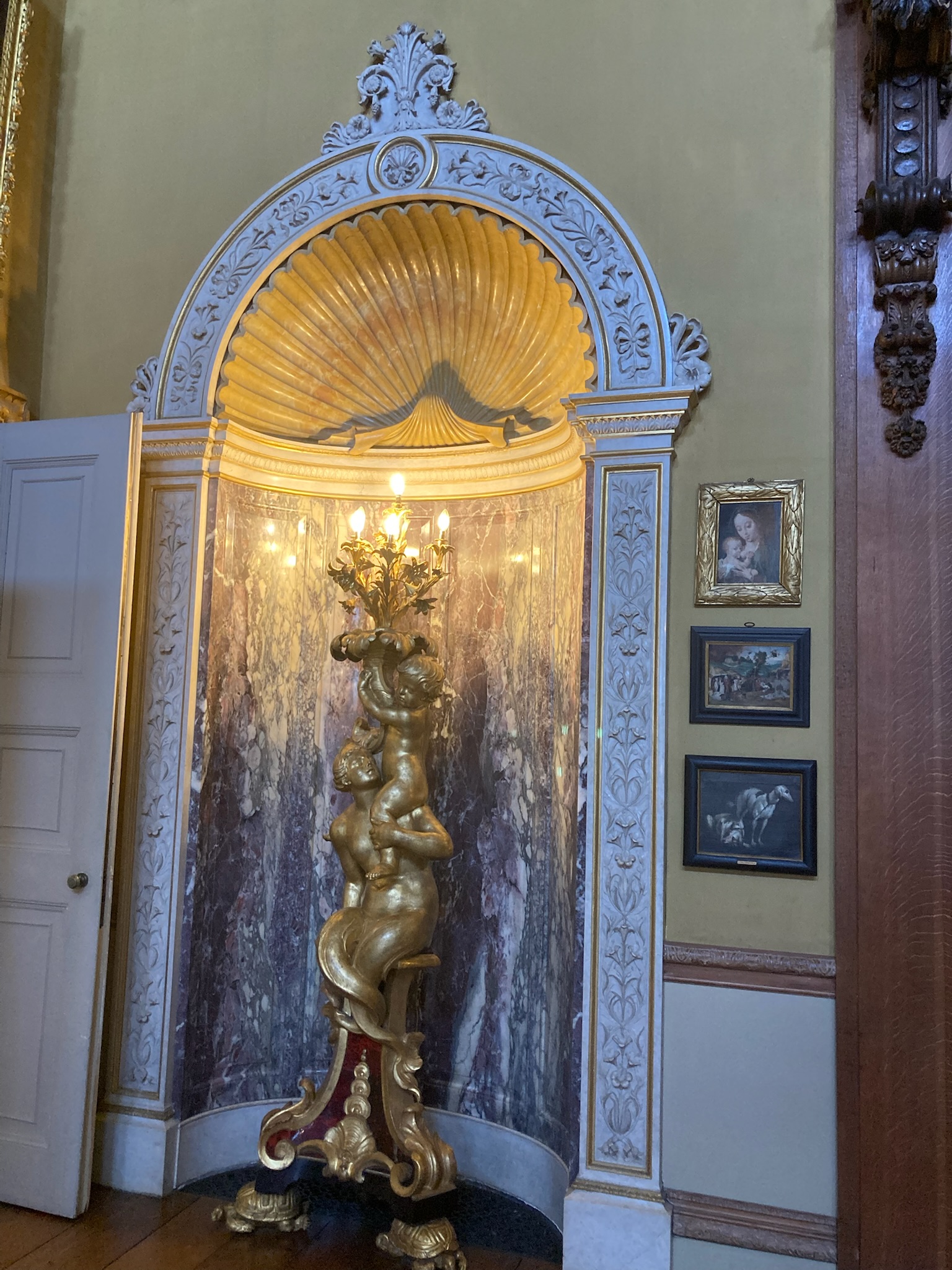
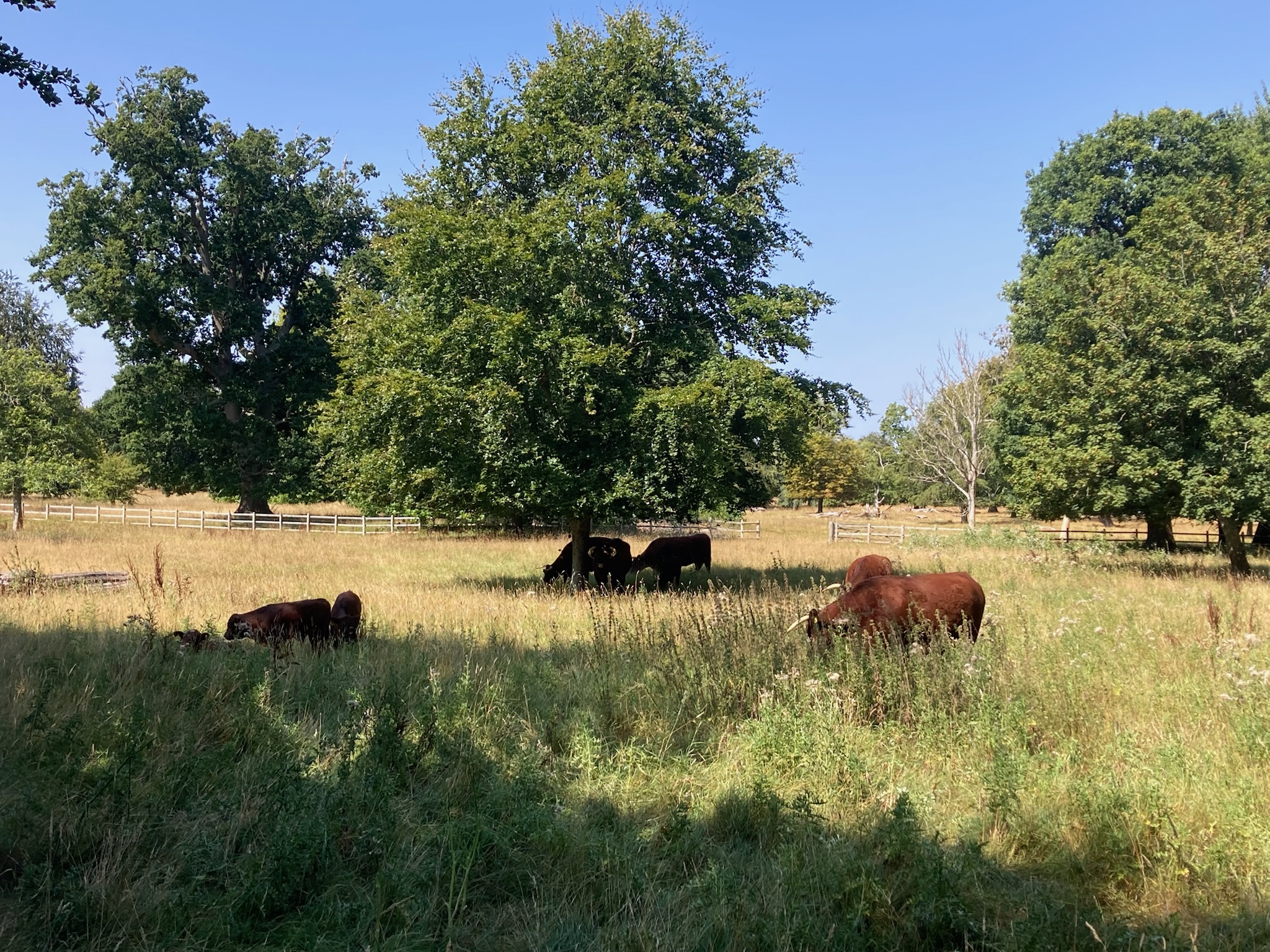
A short amateur blog like this can never do justice to the spectacle that is Kingston Lacy, its interior and stunning artwork, furniture and furnishings. If the history of these National Trust properties is of interest do visit, it will not disappoint .

