
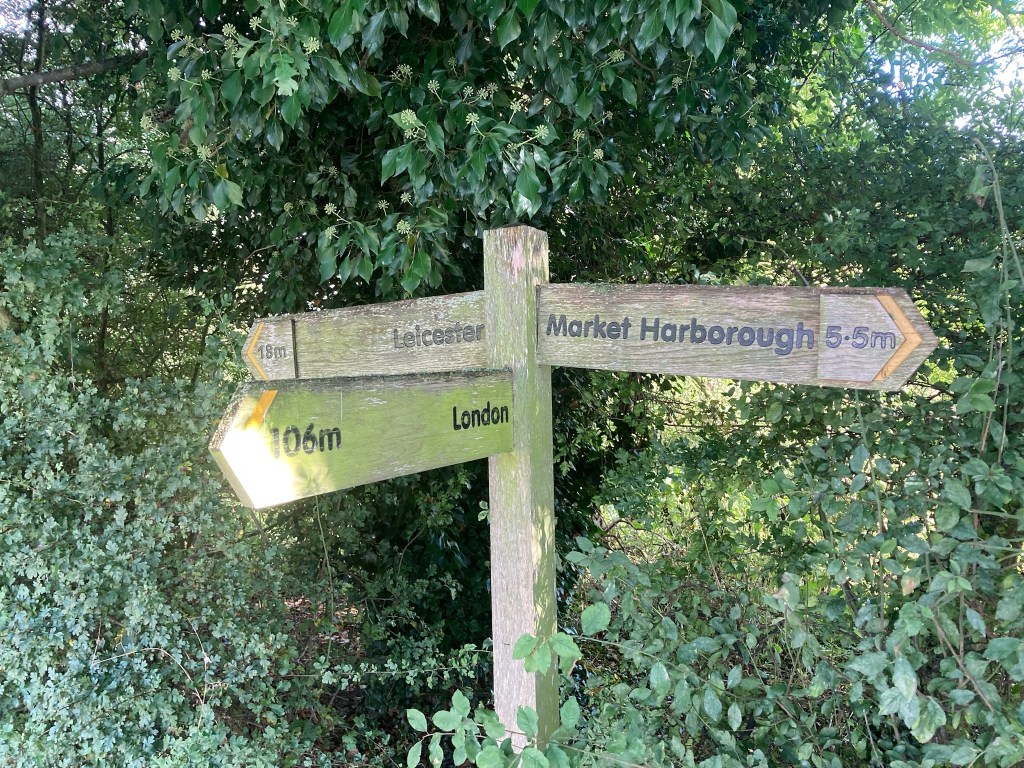
It’s early September and Sue has a week of tennis with some friends, leaving me the opportunity to catch up with some mates and family members in the Lake District, Shropshire and at the “crossroads of canals” above in the English Canal System at Foxton Locks in Leicestershire.
With memories of Canal Holiday TV Programmes hosted by Prunella Scales and Timothy West, fresh in my mind, an opportunity to join two wonderful old friends on their Narrowboat at Foxton Locks was too good not to grab! I had never been on a “non tourist narrowboat”, and equally never experienced the canal lock system. So we started our trip down a flight of 10 Locks at Foxton.
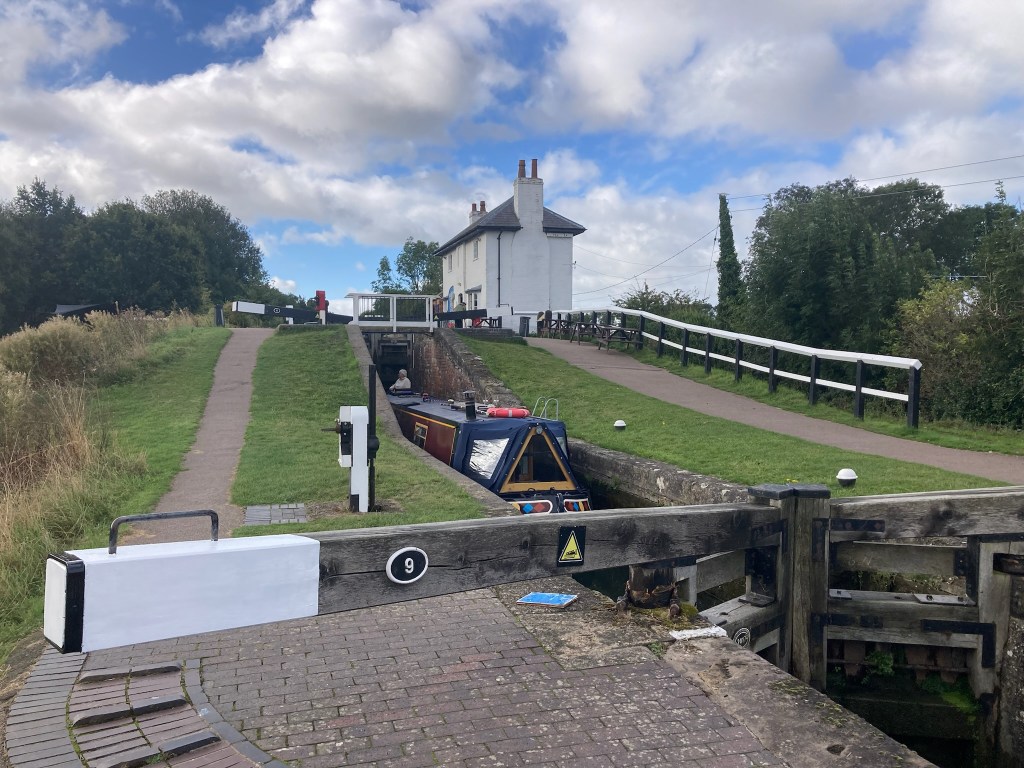
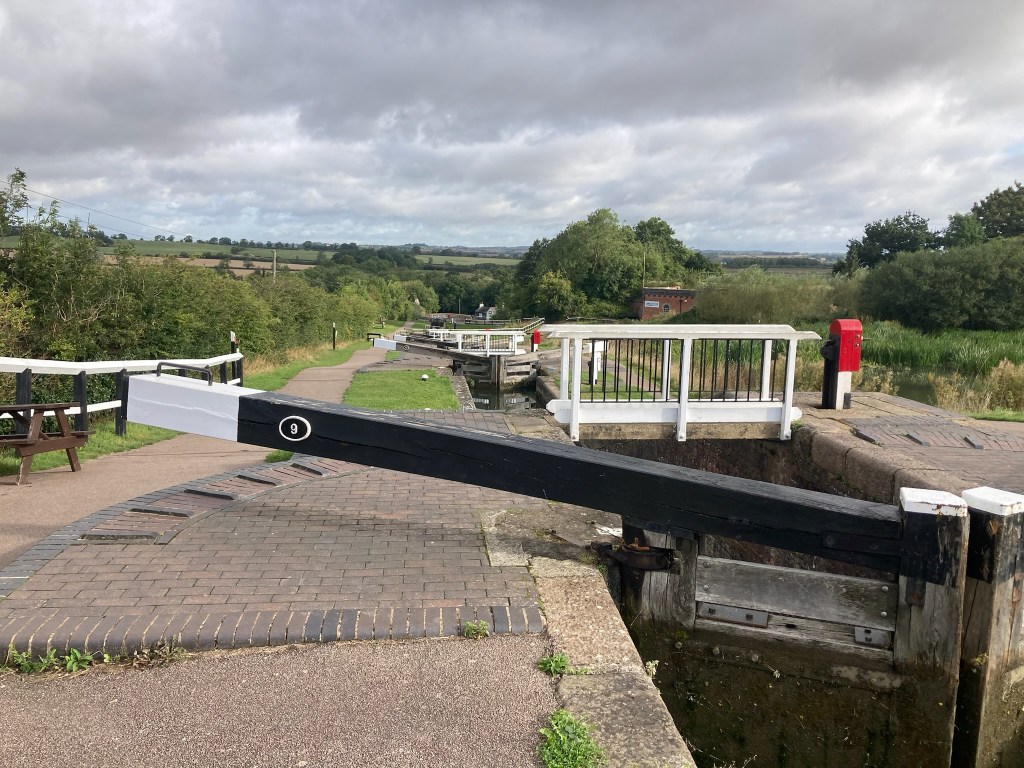
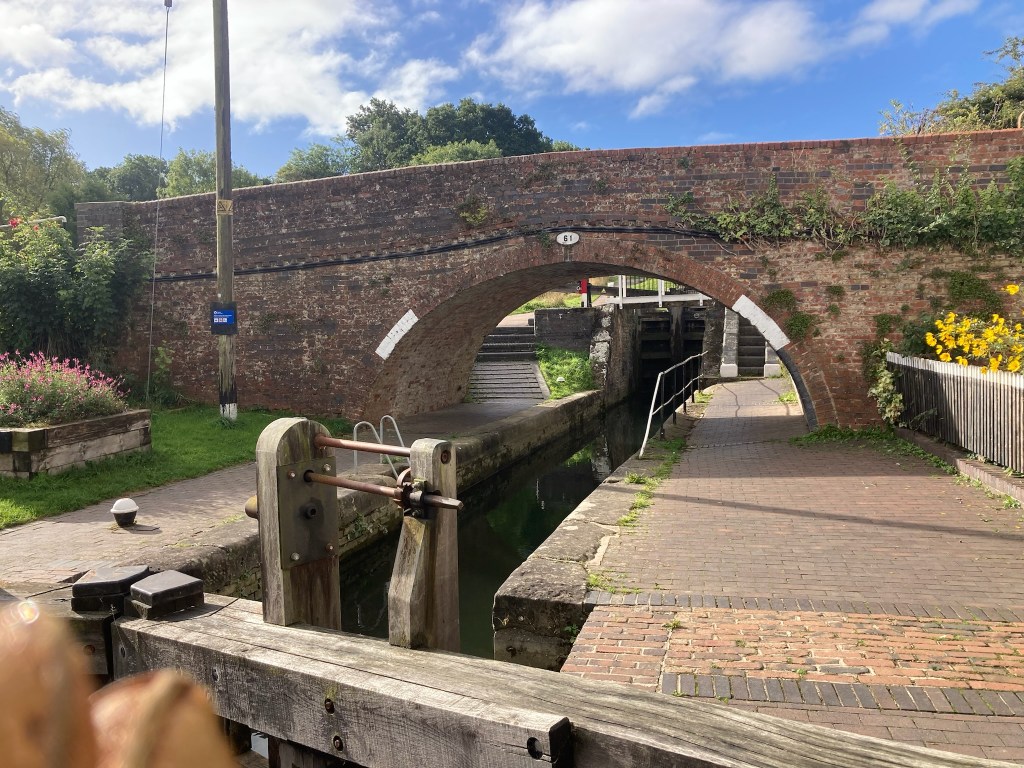
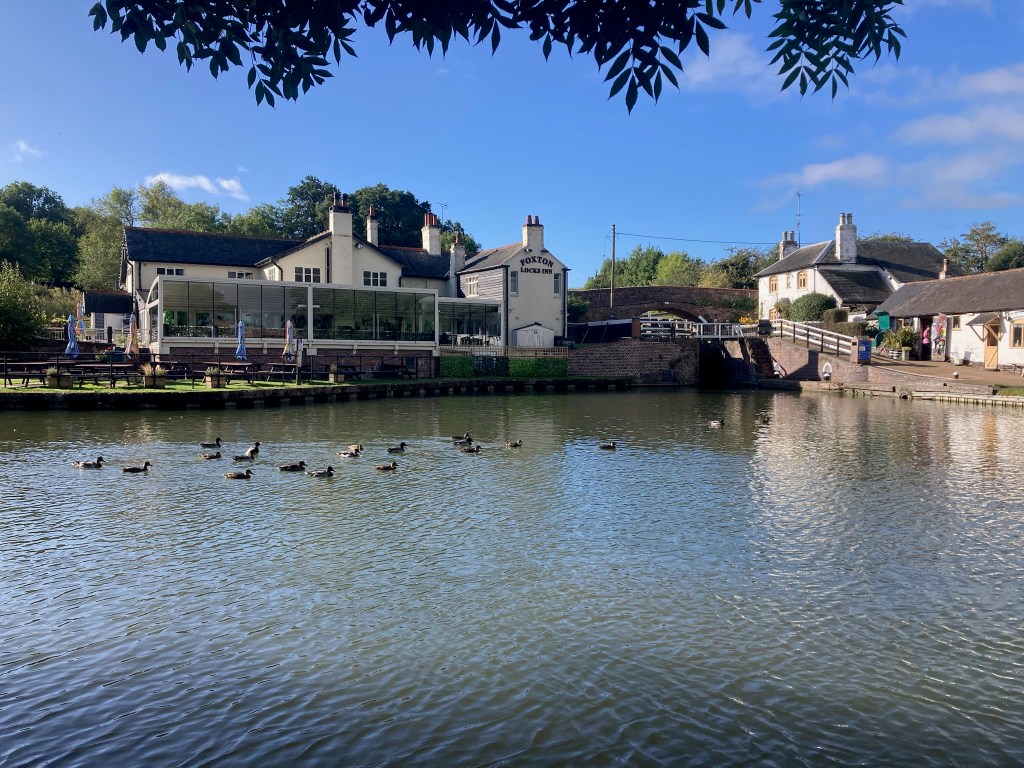
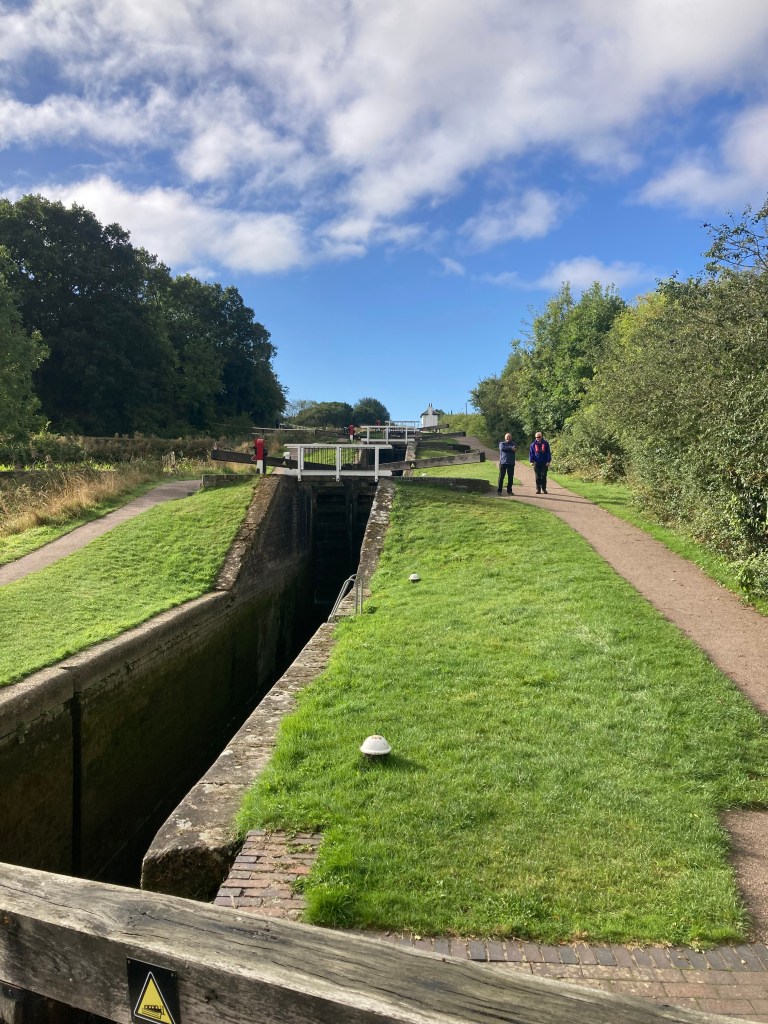
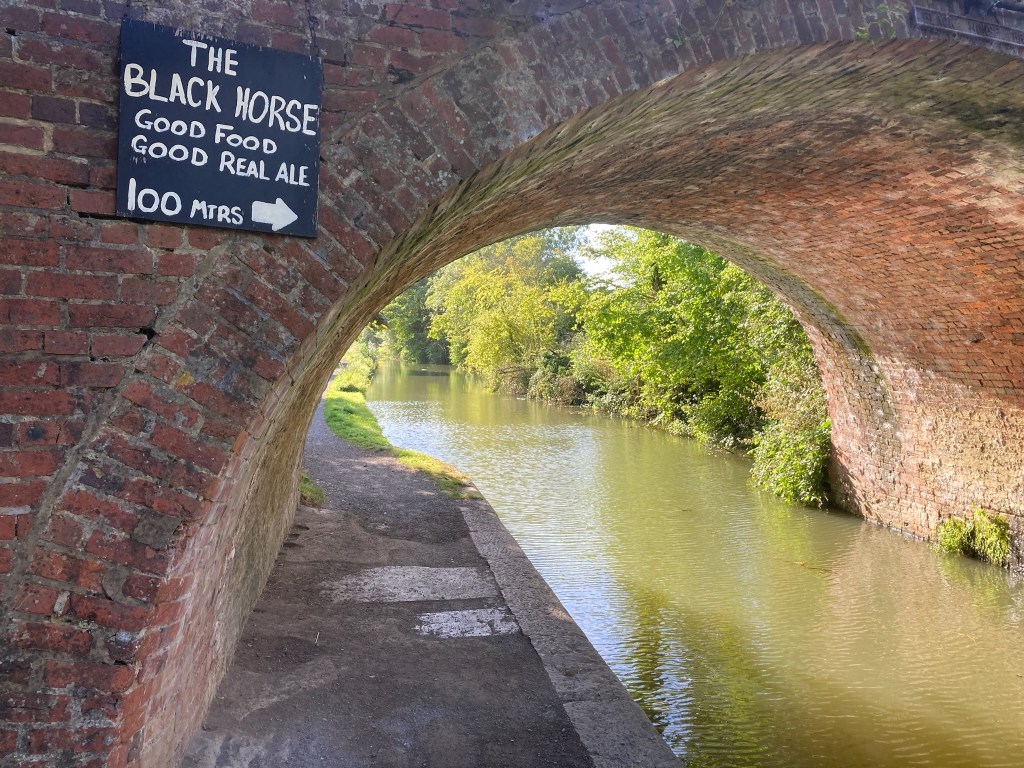
This “flight of locks” at Foxton was opened in 1814, and their bringing into service meant that for the first time boats and cargoes could travel from the Thames at Brentford, up to the coalfields of Nottinghamshire and Derbyshire. What we experienced is little changed from 200 years ago. The engineering in the lock system as seen today may seem simple science, in managing water flows but the massive wooden lock gates are so beautifully balanced that we can open and shut them with ease. A series of reservoir ponds in parallel to the “flight of locks” allow for water storage and reuse as boats take it in turn to go down and up. But 200 years back this had all been built by hand!!
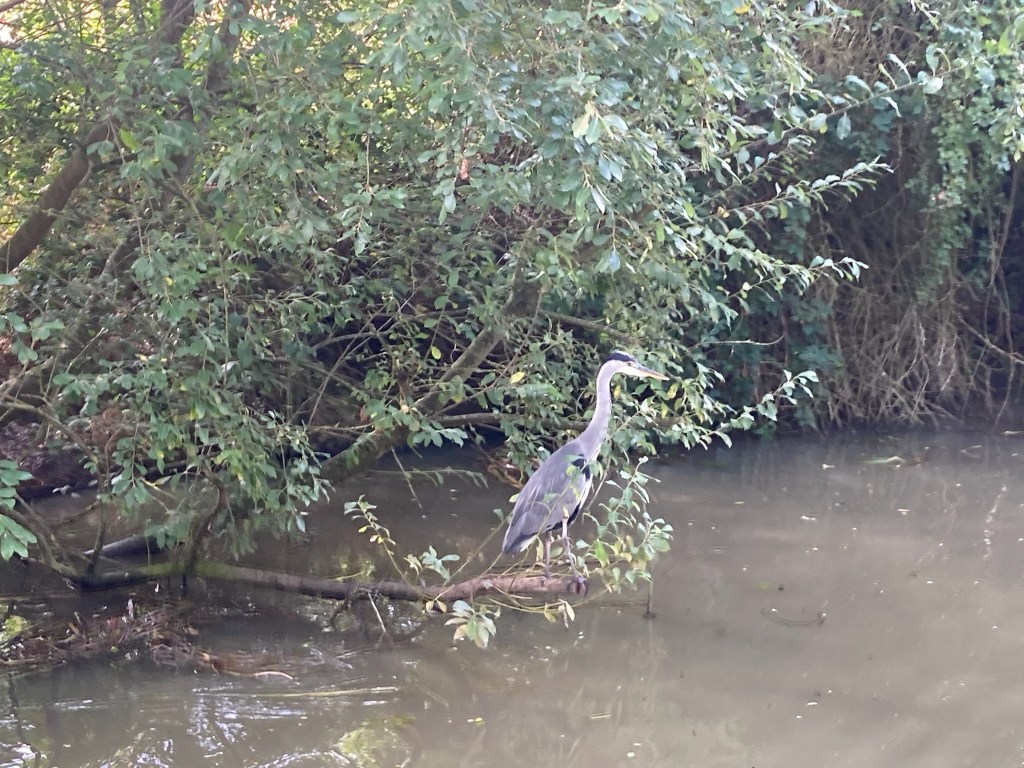
With Foxton Locks successfully descended, we set off on the canal waterway through the beautiful autumn countryside at a stately 4mph. We stop to open a “swing bridge”, stopping rural traffic flows, allowing about 3 narrow boats to pass by. Some of the tree leaves have turned golden brown, fields have been harvested of their cereal crops and now ploughed, a heron sits unmoved watching our progress. It’s very peaceful, relaxing and quiet in this corner of England – and given an opportunity to steer the narrow boat I can report that I successfully avoided, other boats, canal banks and bridges – phew!!
WALKS IN THE ENGLISH LAKE DISTRICT
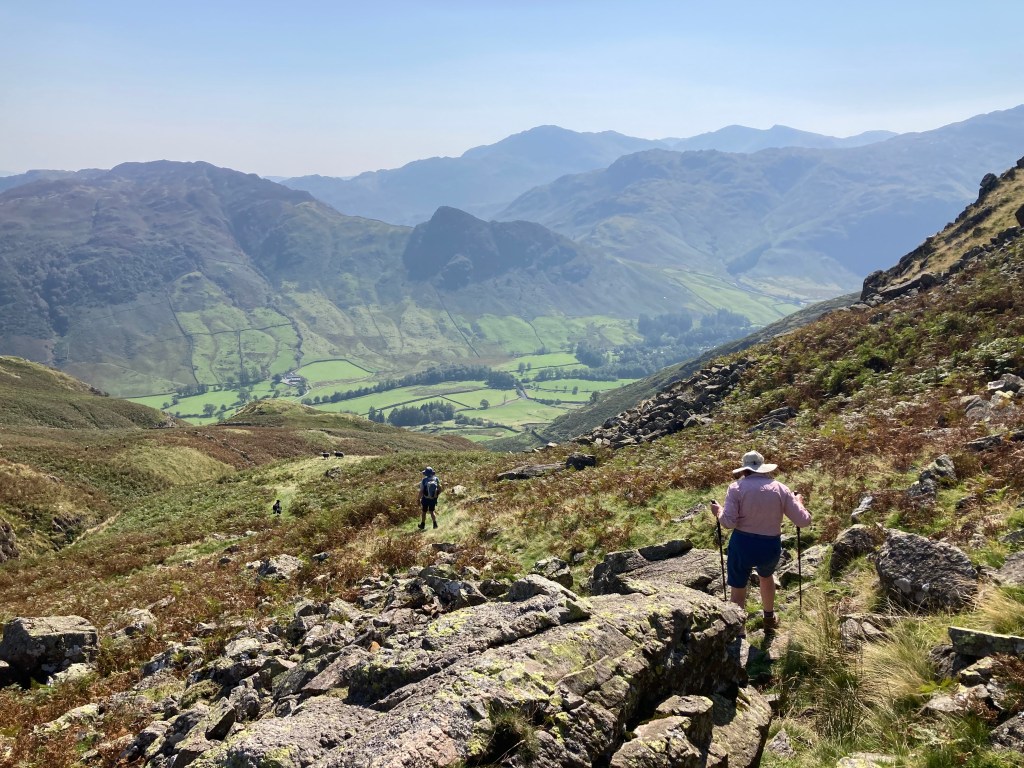
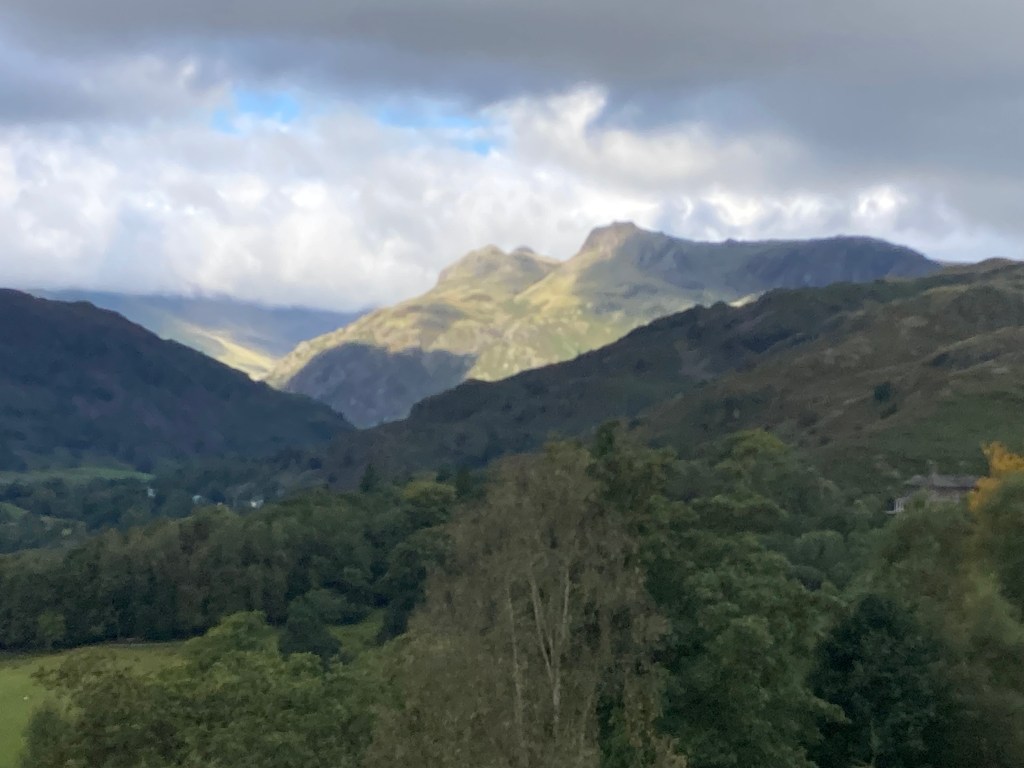
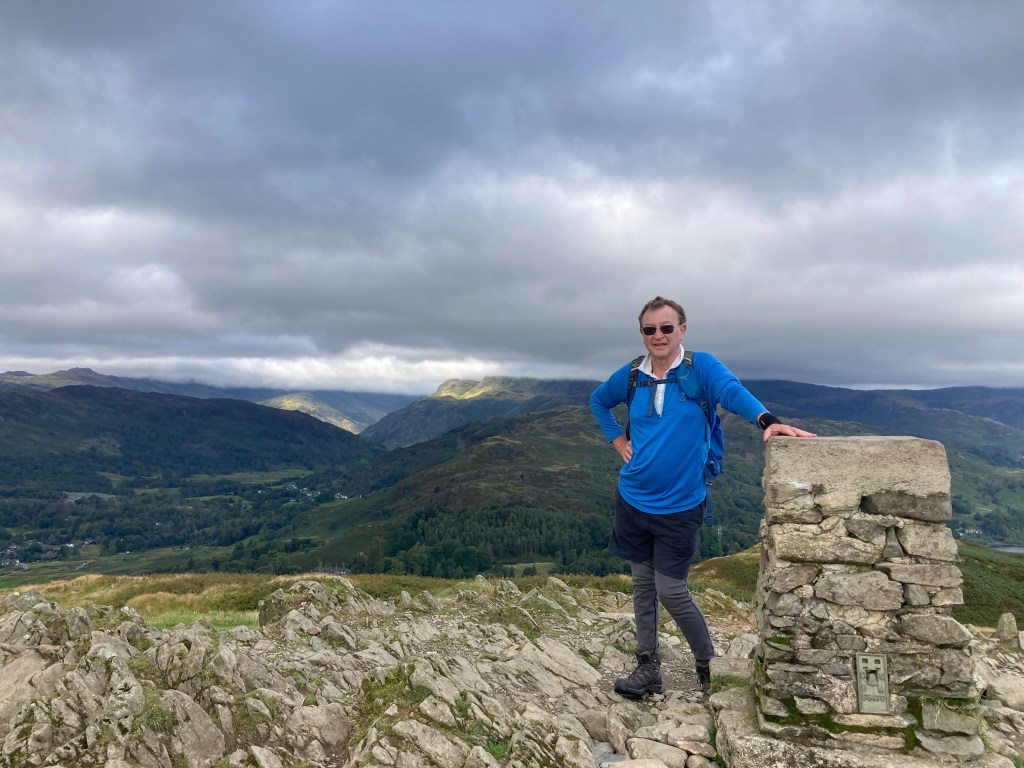
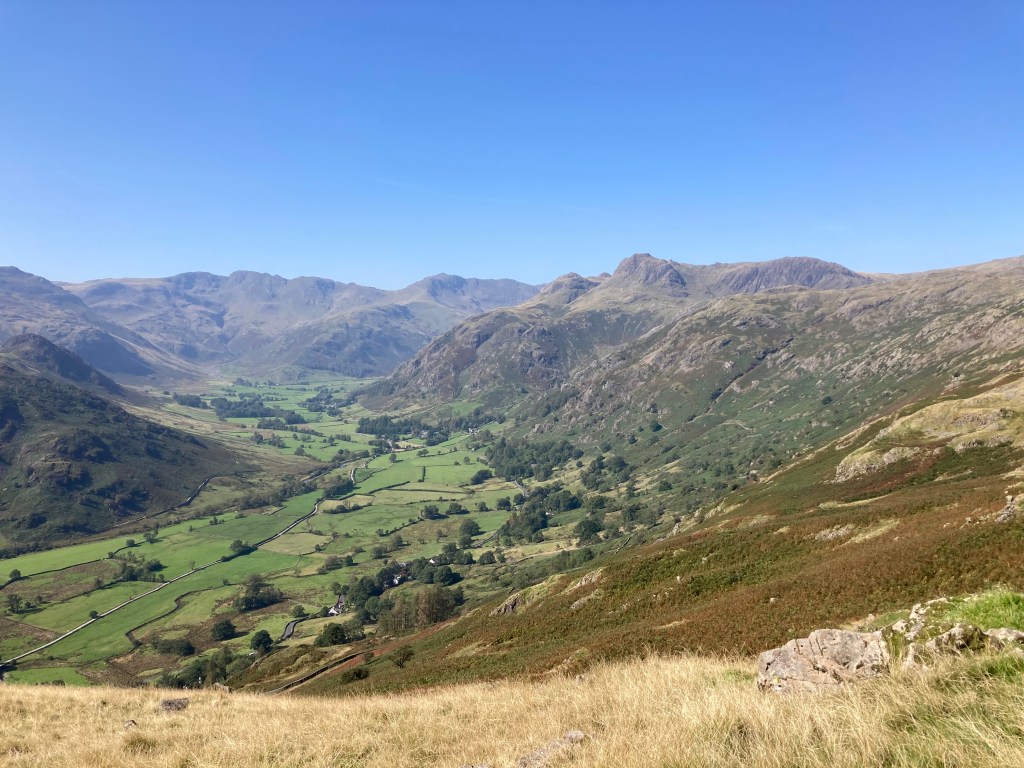
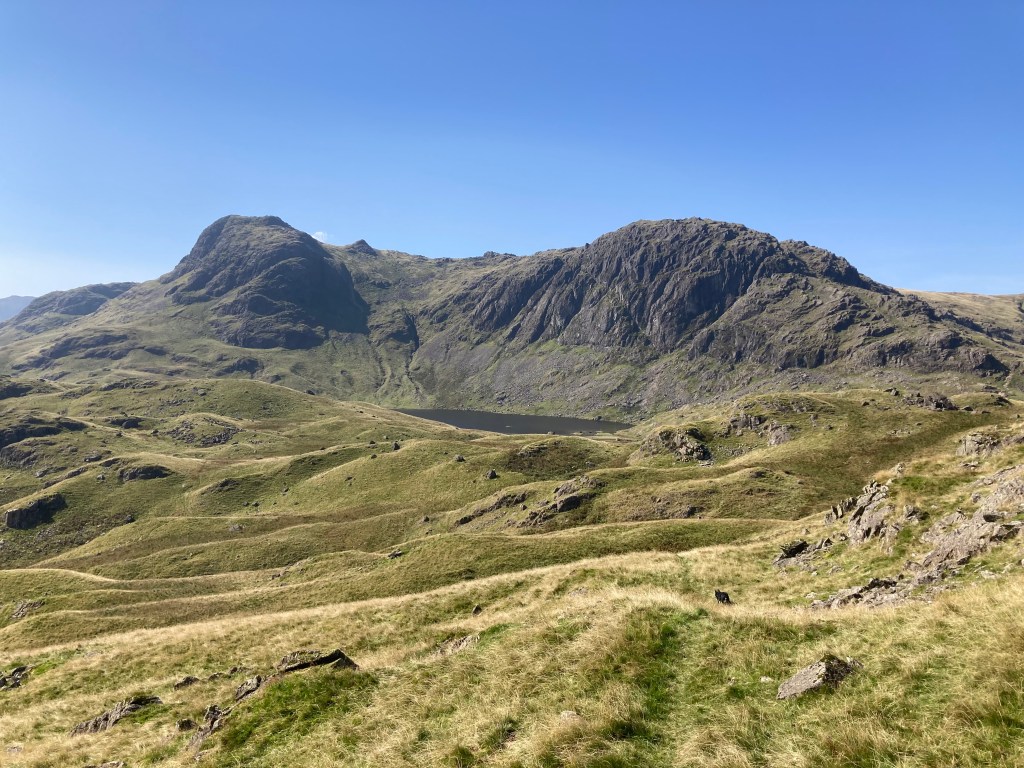

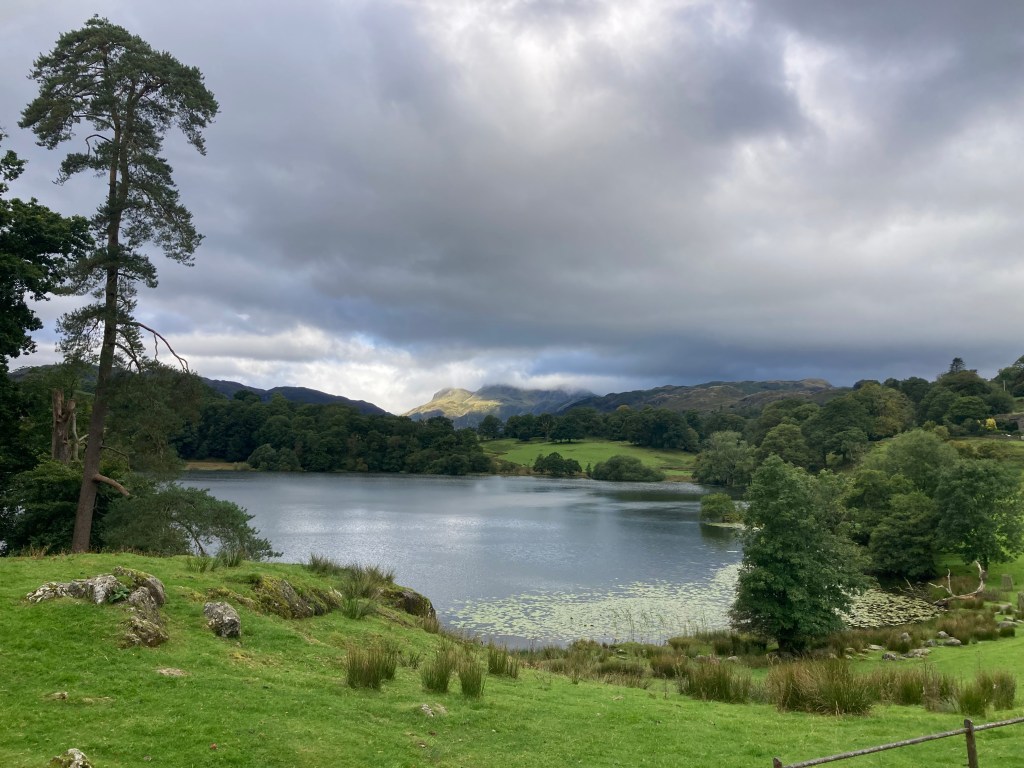
Many of you will know that the English Lake District is a special place for Sue’s and myself, so every time we get half a chance to visit the Lakes, we grab it. Great friends of ours live near Kendal in the southern Lakes so armed with one of them as a guide and his two sheep dogs he and I set out on a couple of walks. The first is a 6km loop up to Loughrigg Fell, with some lovely views across Loughrigg Tarn to the Langdale Pikes on the way. The dogs have unlimited energy, which I do envy as I plod up the excellent “man made reinforced steps” up the Fell side.
With the hordes of visitors every year, many of the more popular Lake District walks have required significant repair and reinstatement work to the trails to protect the terrain but yet to allow visitors easy access to the fells. Our second day walk was a longer walk, 8.5km, up the eastern ridge to the Langdale Valley, heading to Stickle Tarn under the mountain called “Pavey Ark”, and then dropping down to the New Dungheon Ghyll Hotel. After a good walk, on a hot sunny day the pint of “bitter with a top” at the Hotel was perfect.
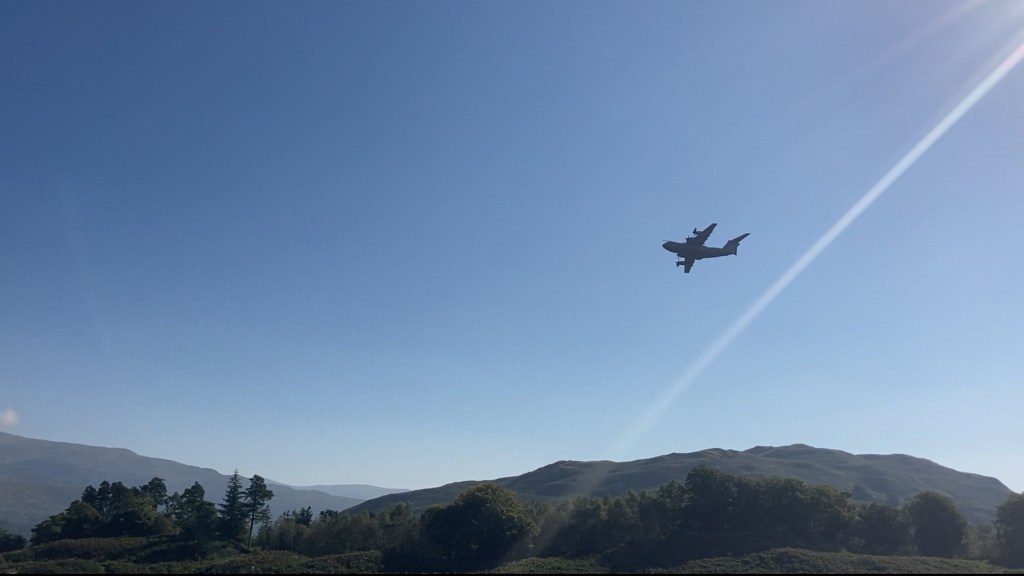
We were accompanied on a stunning cloudless day, by some RAF fighters, in “low level training flights” down the valleys and up and over the mountains – spectacular, instantaneously noisy and when joined by a solitary Hercules C130 Transport – beautifully graceful as it slowly swoops over us, then down the valley and up over Dunmail Raise.
SHROPSHIRE – ERDDIG (pronounced ERRTHIGG) HALL & GARDENS – We have family in the north of the lovely county of Shropshire, who live in fact right on the border with Wales. There road painted signs will show – SLOW and AFAR- reflecting the two languages of English and Welsh, although its only in Wales that one will find a “slow/afar” 20mph speed limit in many built up areas. About 30 minutes drive north, we visit the lovely country house – Erddigg Hall.
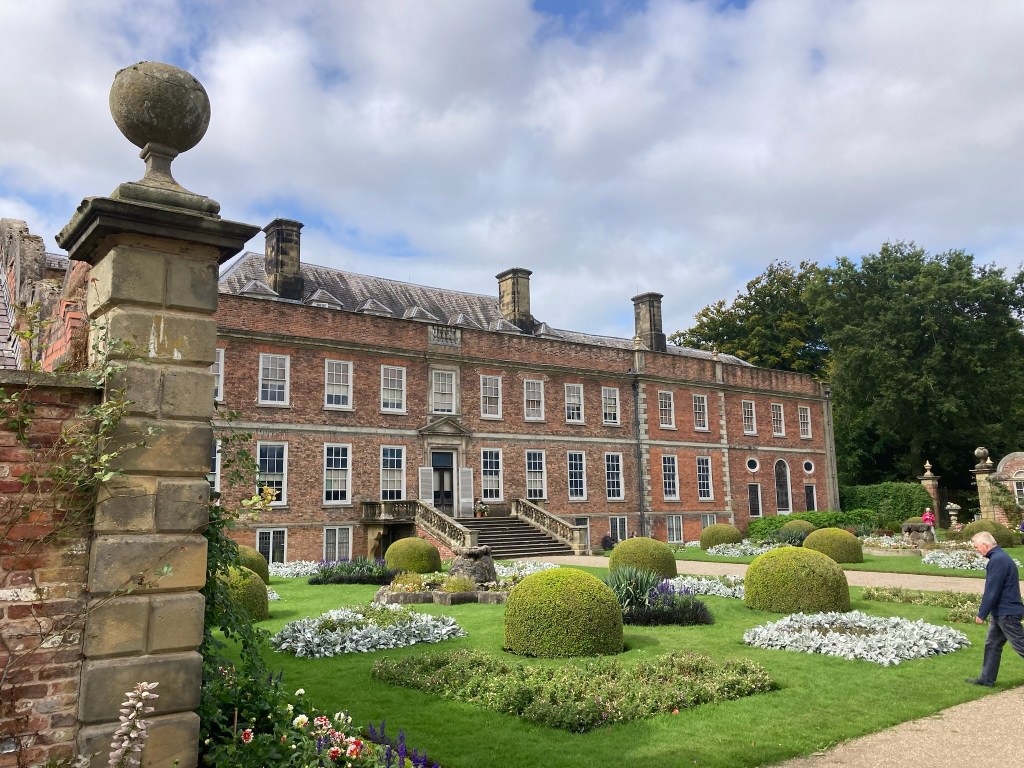
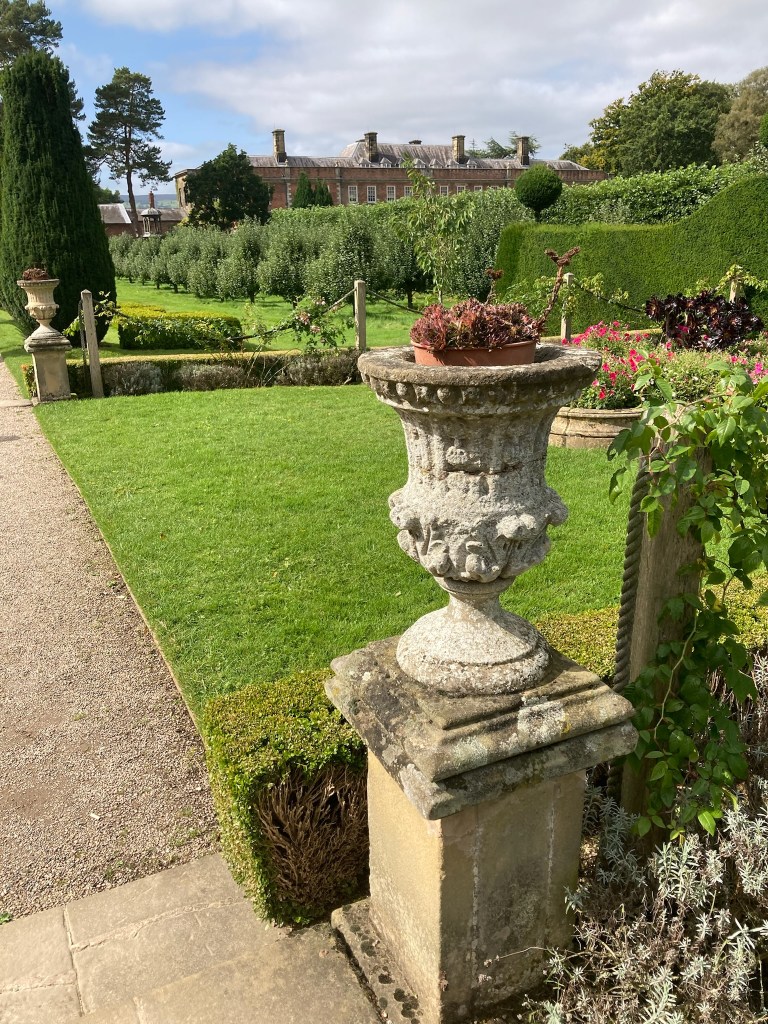
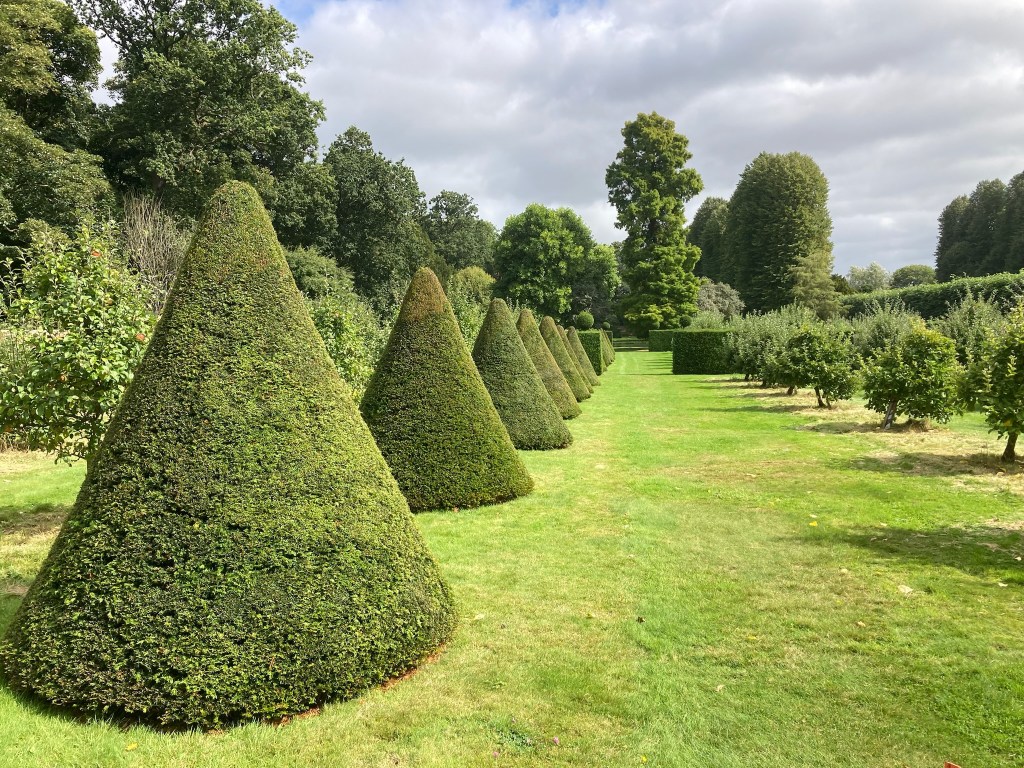
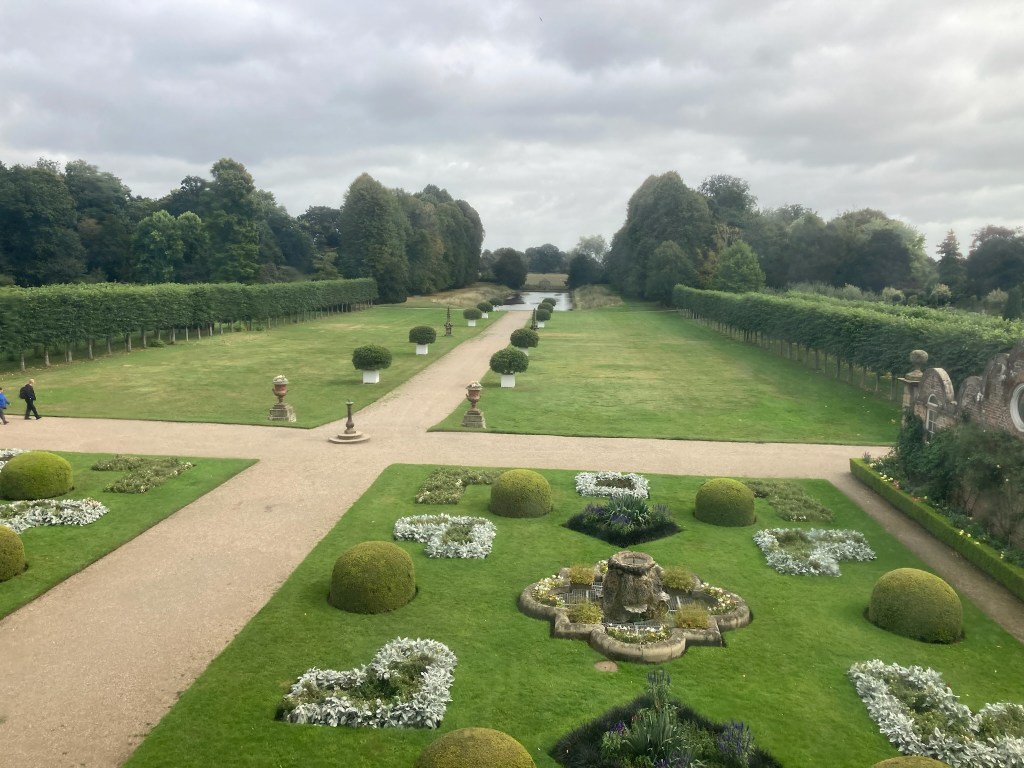
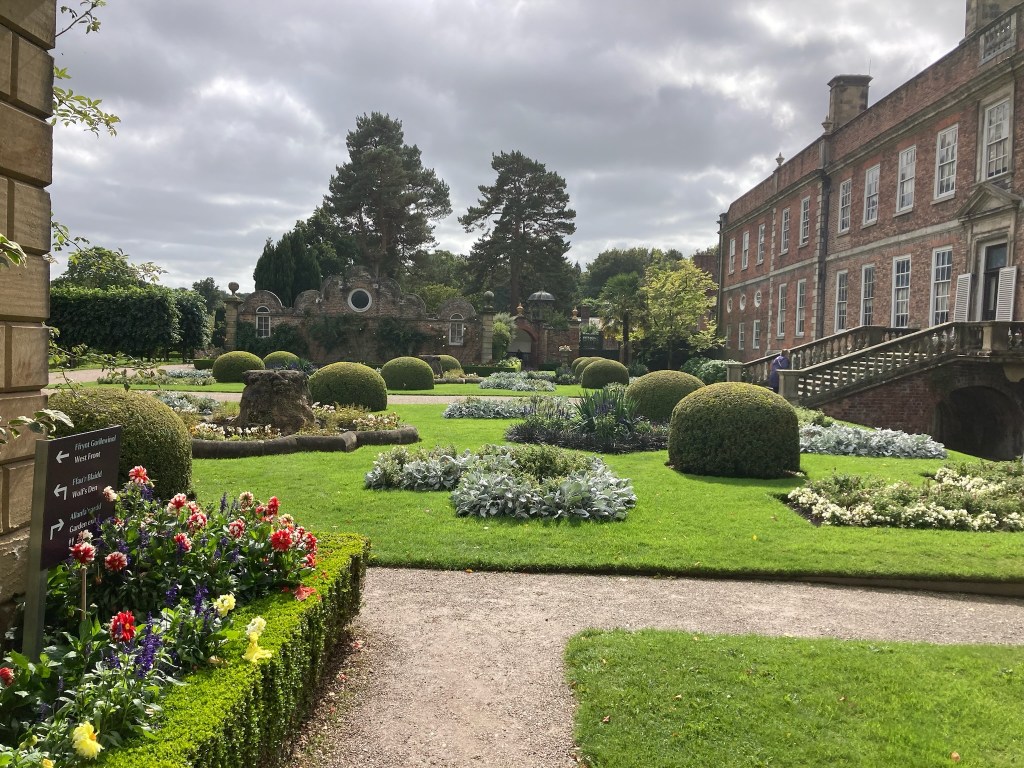
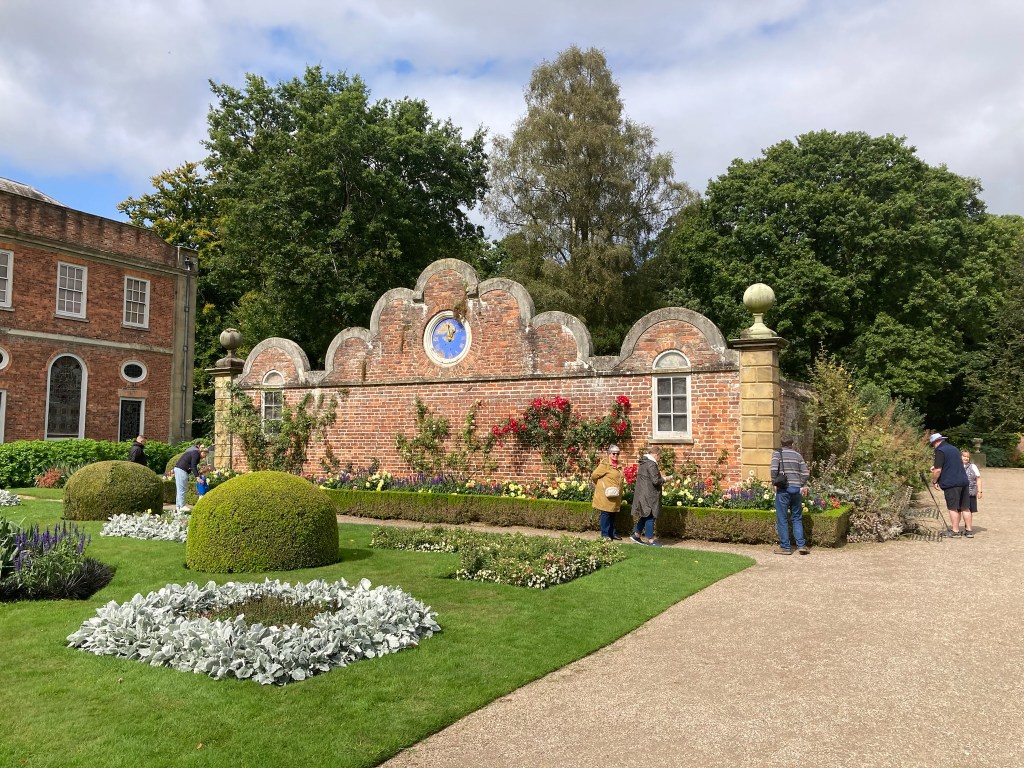
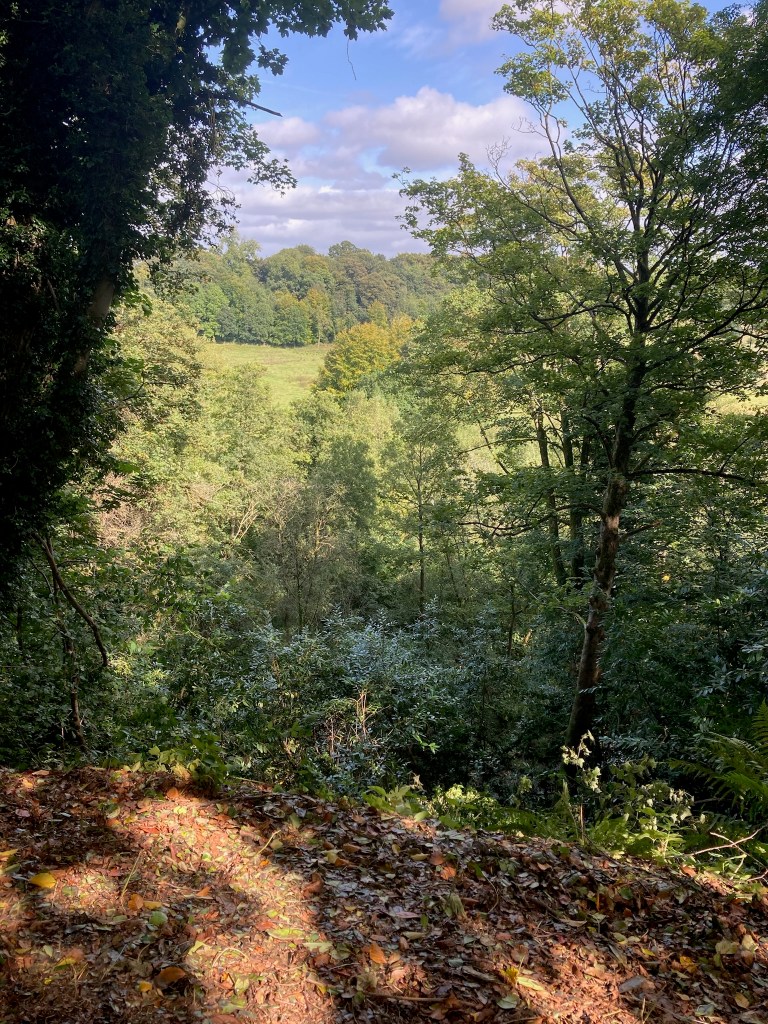
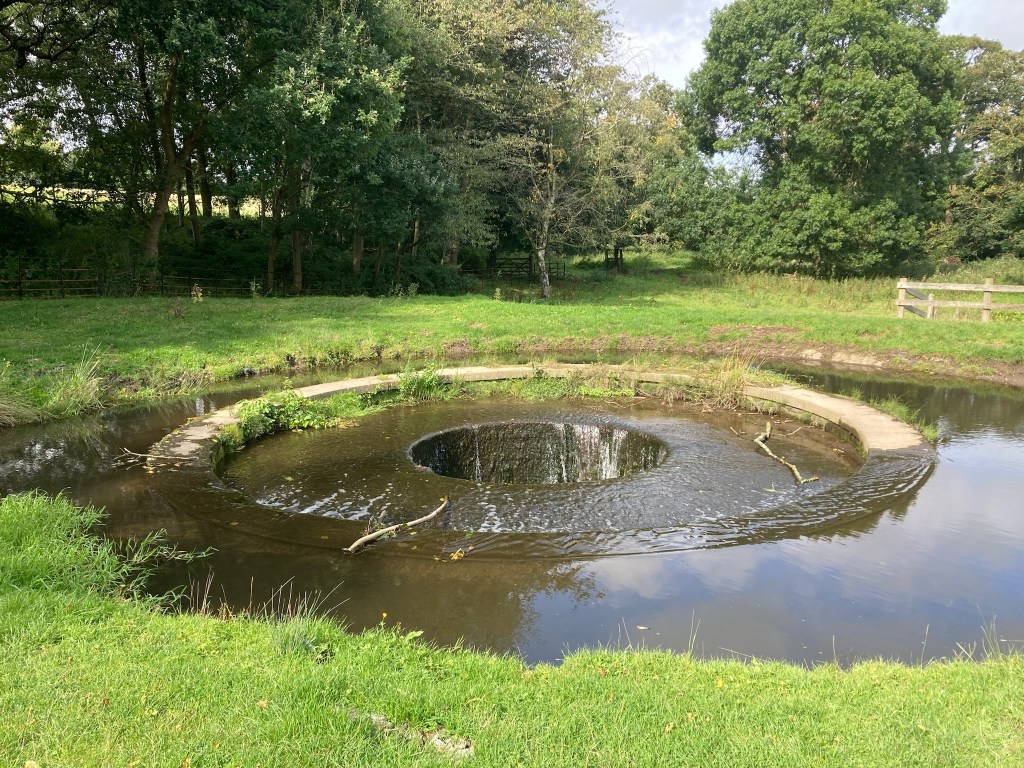
The Erddigg Gardens are quite simple, but well maintained with a number of suggested walks around the woods surrounding the formal gardens, including a walk to the remains of the “12th century Motte and Bailey Castle” that pre dates the site that the Hall now sits upon. The Yorke family have lived at the Hall for 250 years, and the family originally made its money from coal, brick kilns and minerals, although the coal mines were nationalised last century. However subsequent mine shafts caused subsidence at the Hall – the building dropped 11 foot at one end. A claim against the National Coal Board was succesful, and funding obtained to repair the damage.
The Hall itself is approached through the stables and servant’s quarters – ( en route – great clean public toilets, a coffee shop and separate cafe for an excellent lunch). So, one walks through the servants quarters in the basement level , through the separated kitchen ( fire risk) and then up stairs on a “guided route” through the house.
There are many excellent National Trust volunteers in the house, all of whom when approached were a mine of great information. One thing we had explained to us was that when the National Trust took the Hall over in the 1970’s, it came with “loads of stuff” – antiques, objet d’arts and day to day objects that were used in the household over the years – some 30,000 items, little had ever been thrown away.
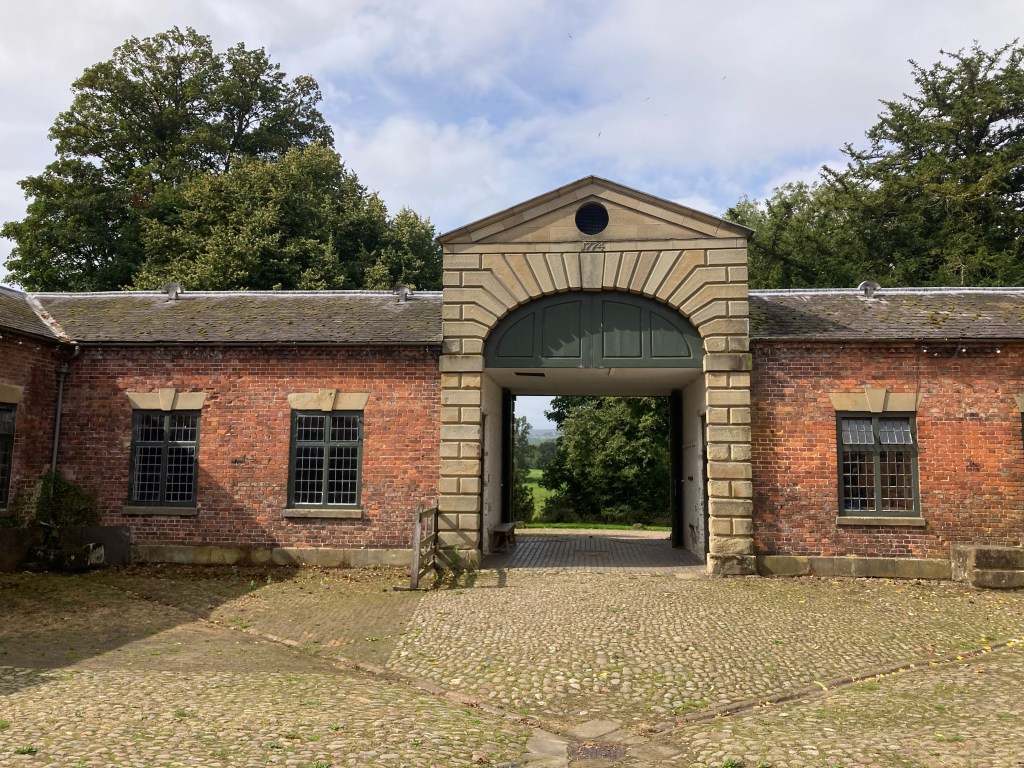
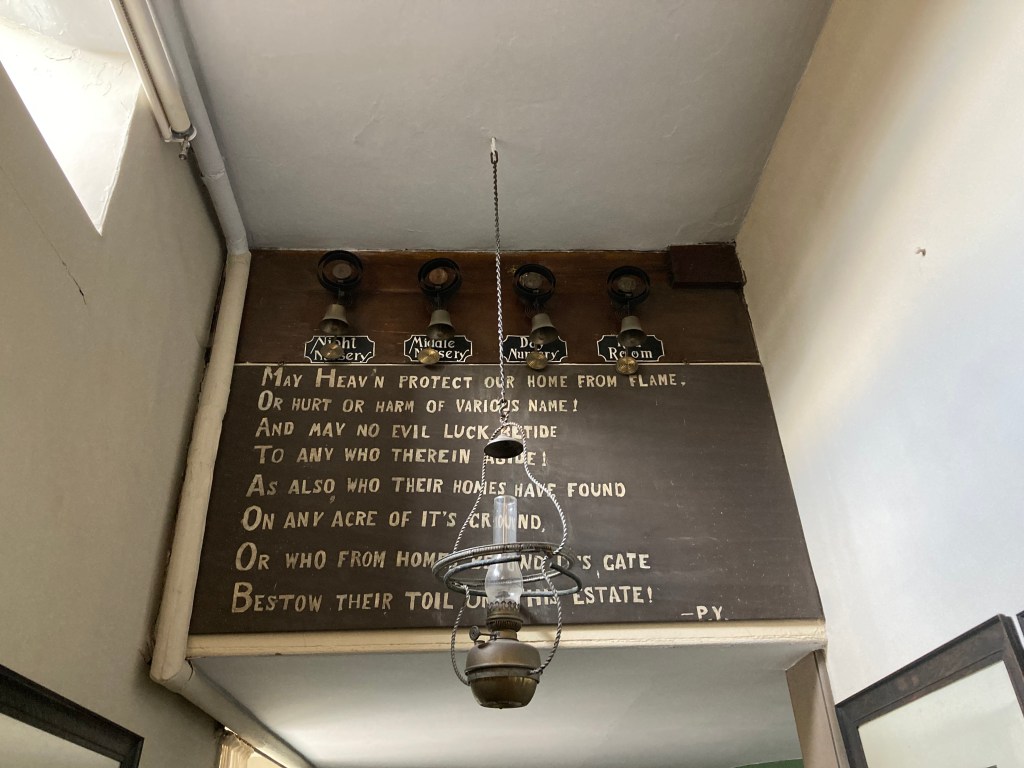
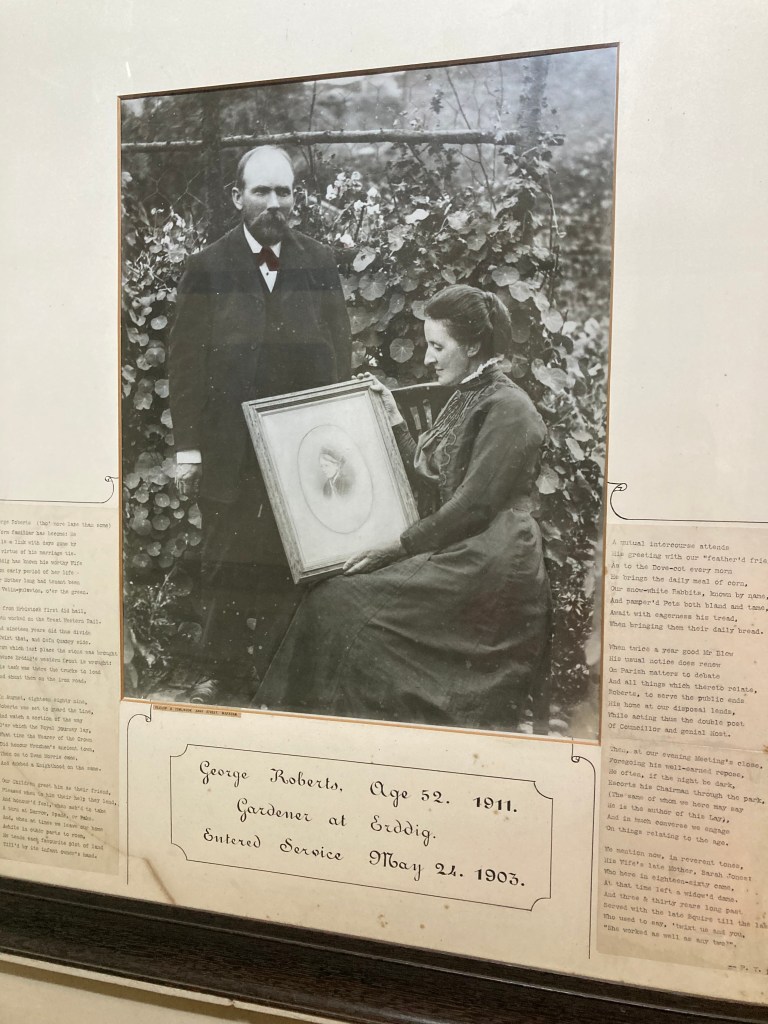
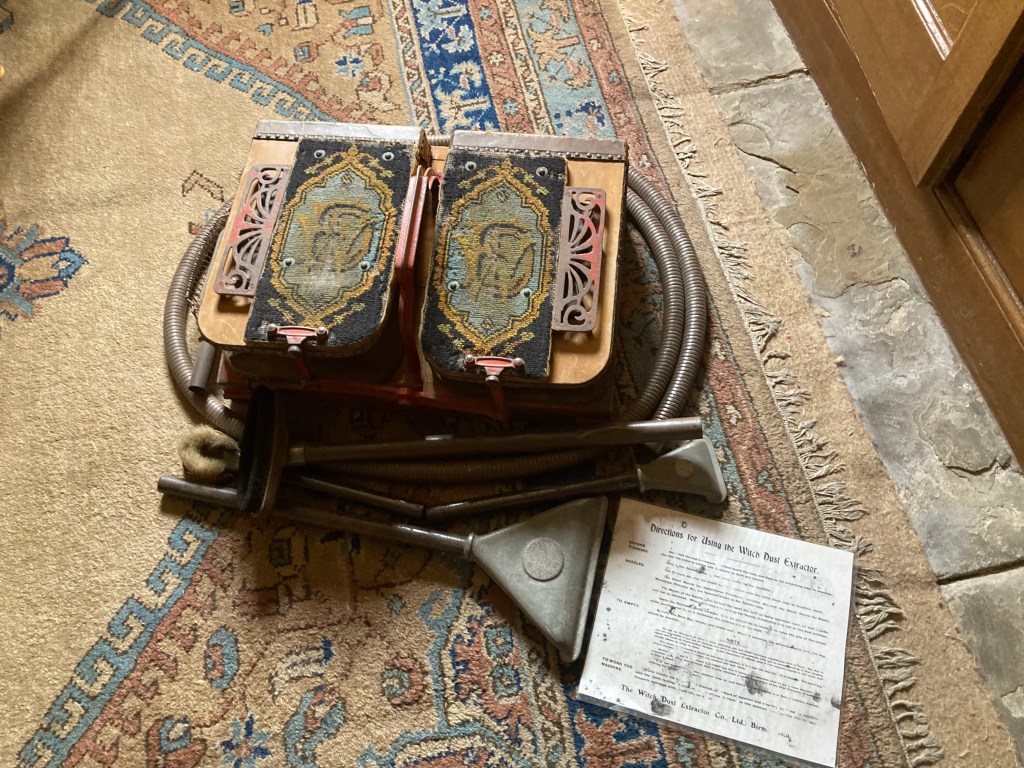
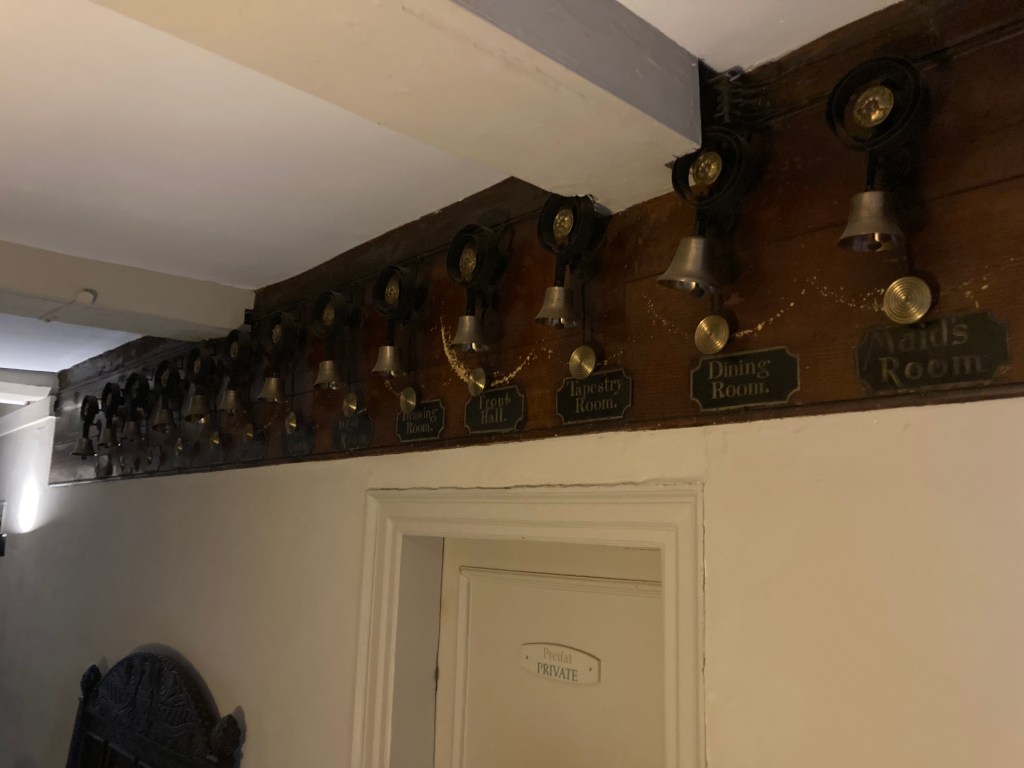
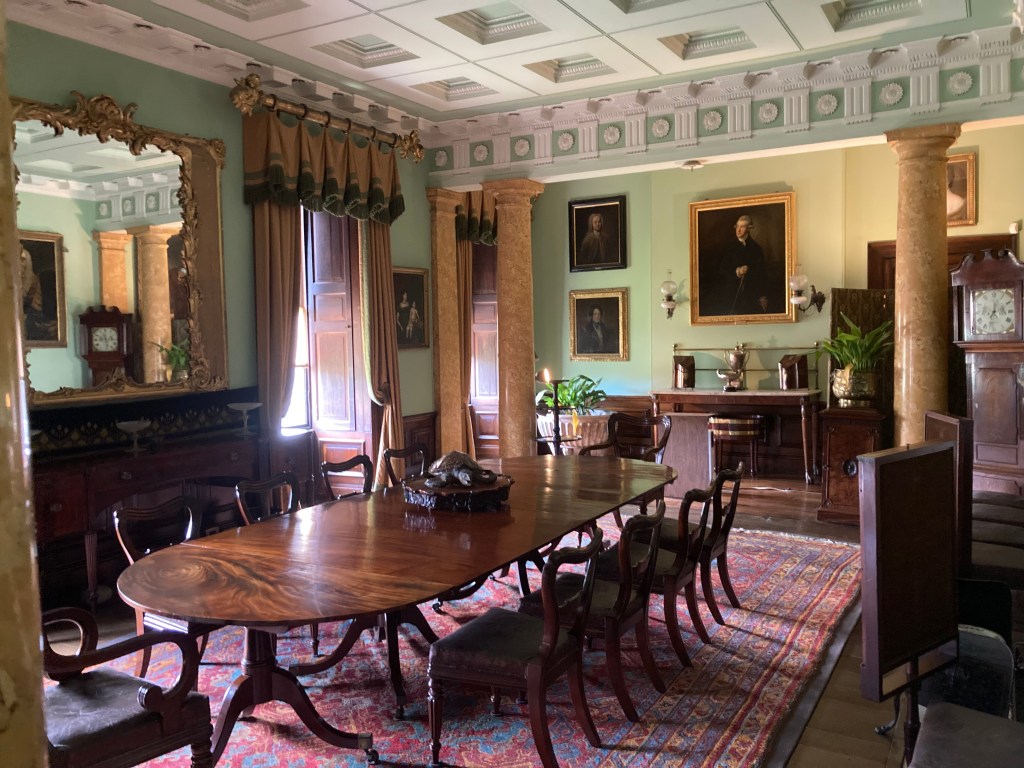
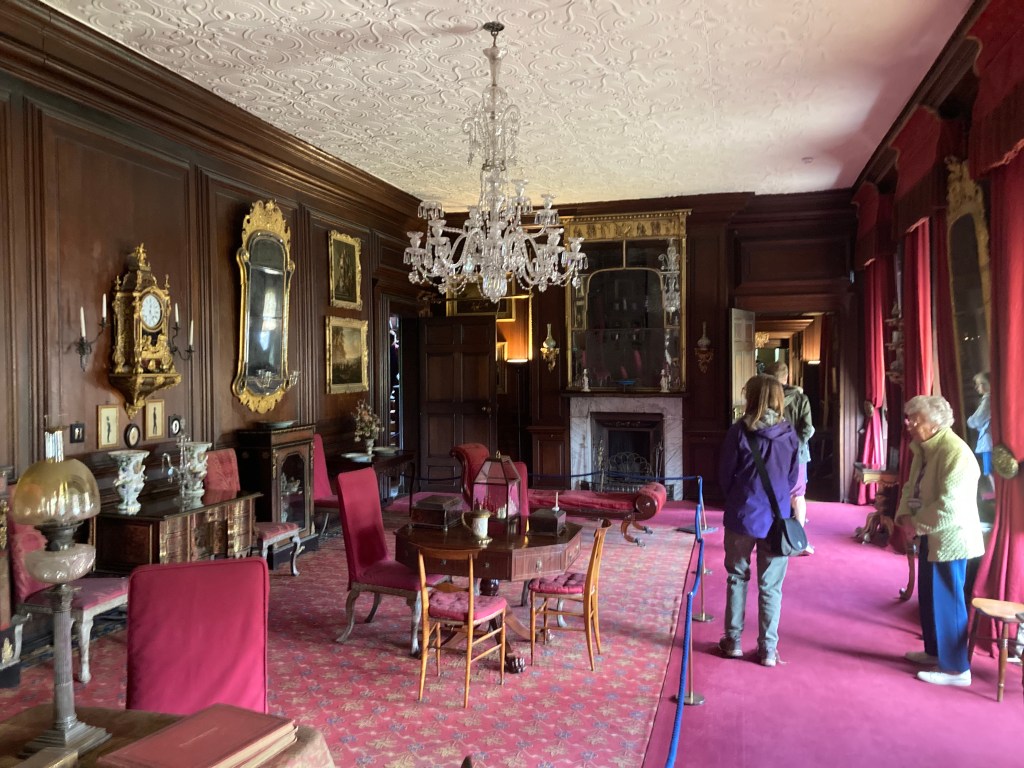
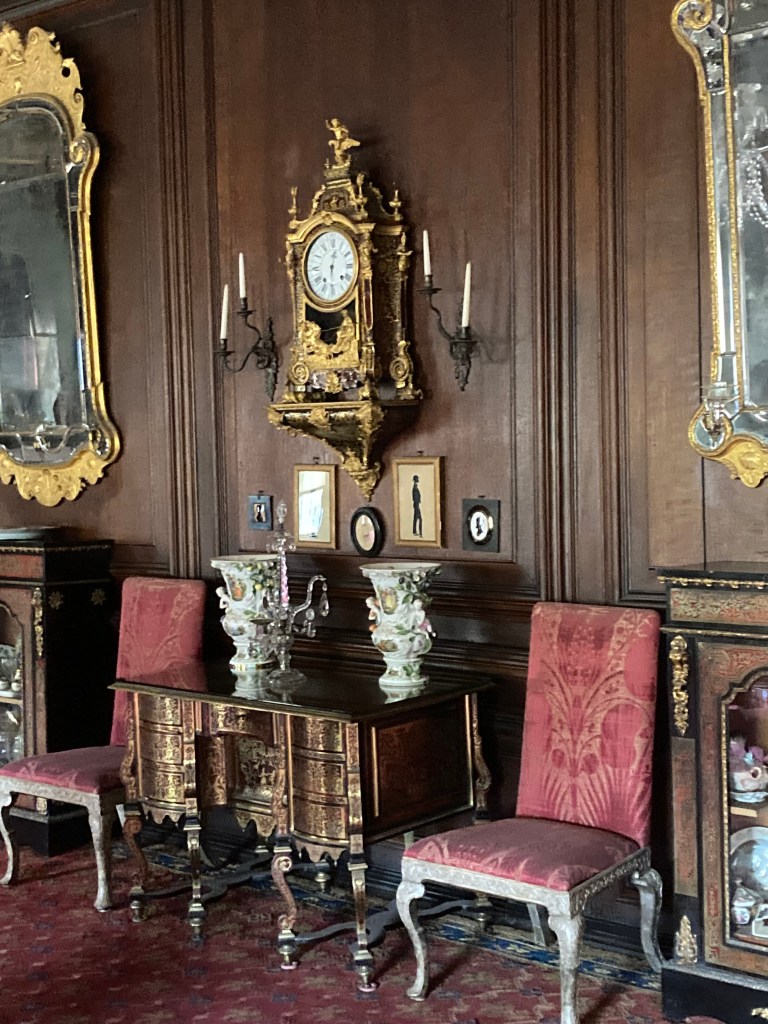
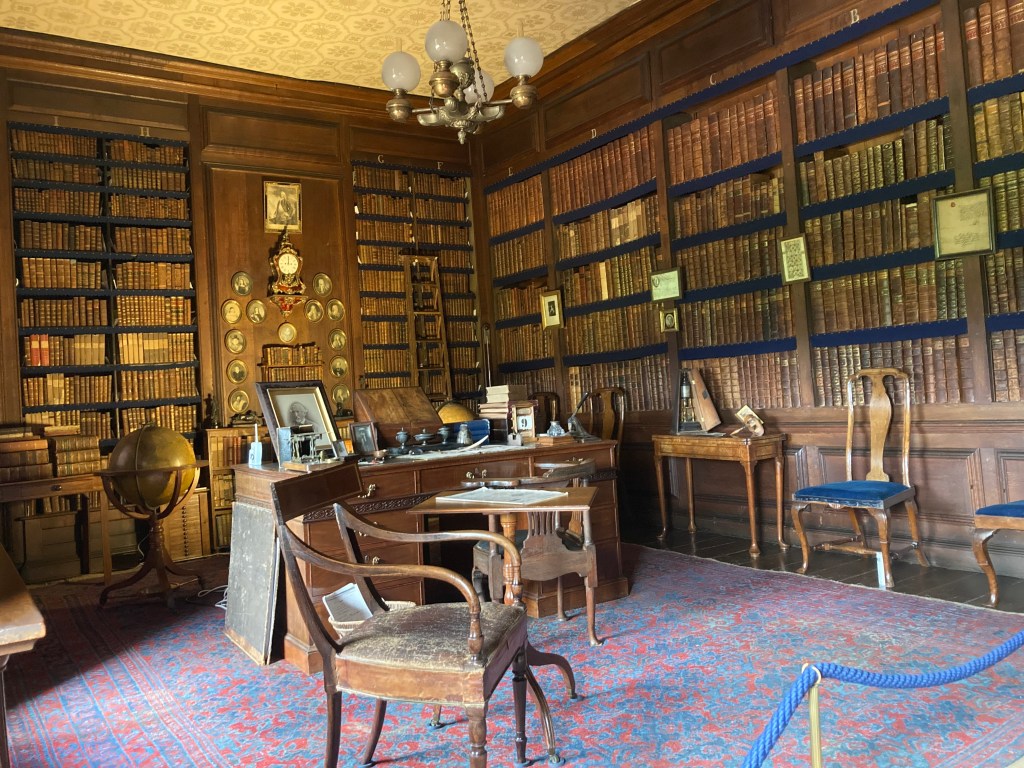
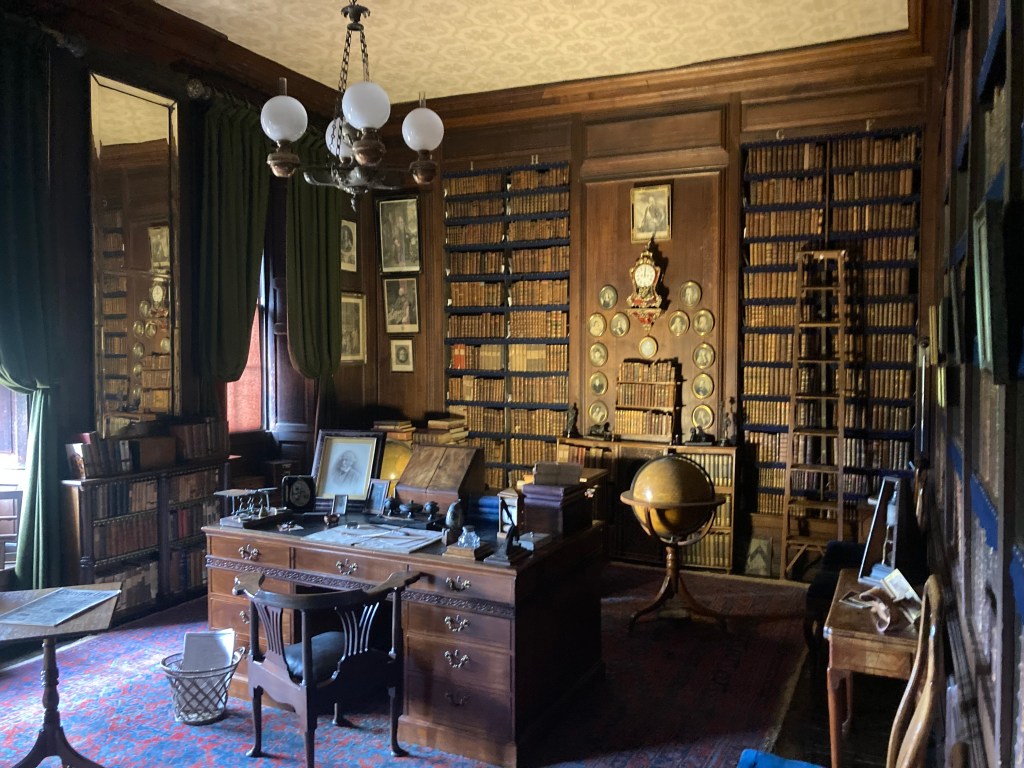
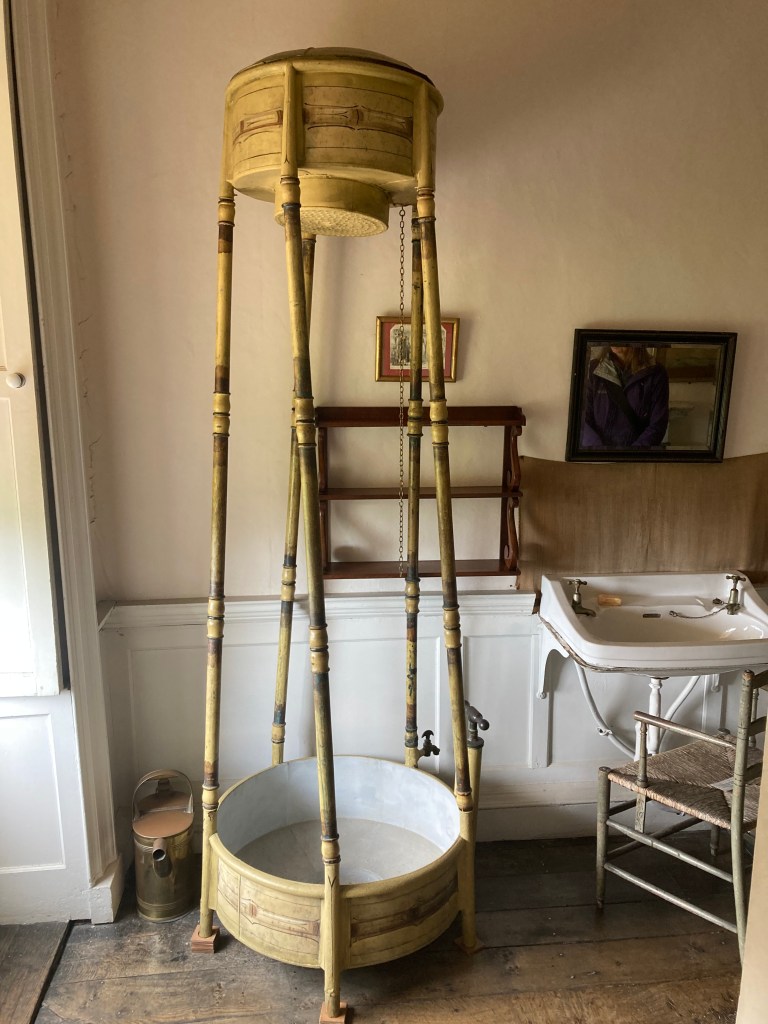
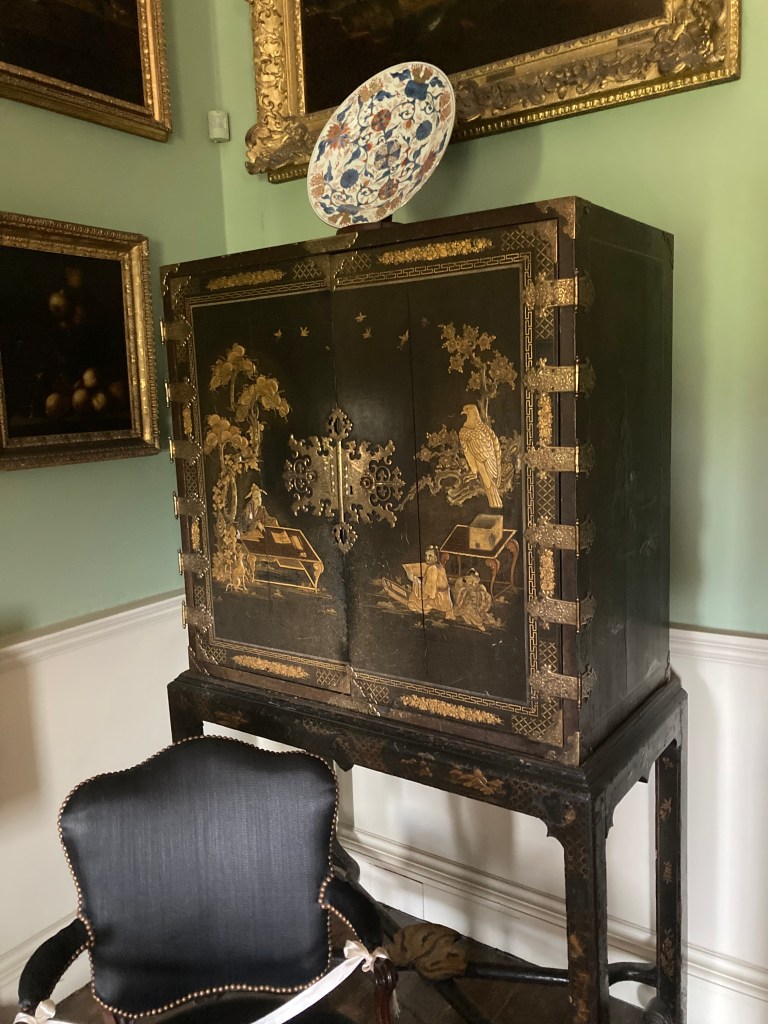
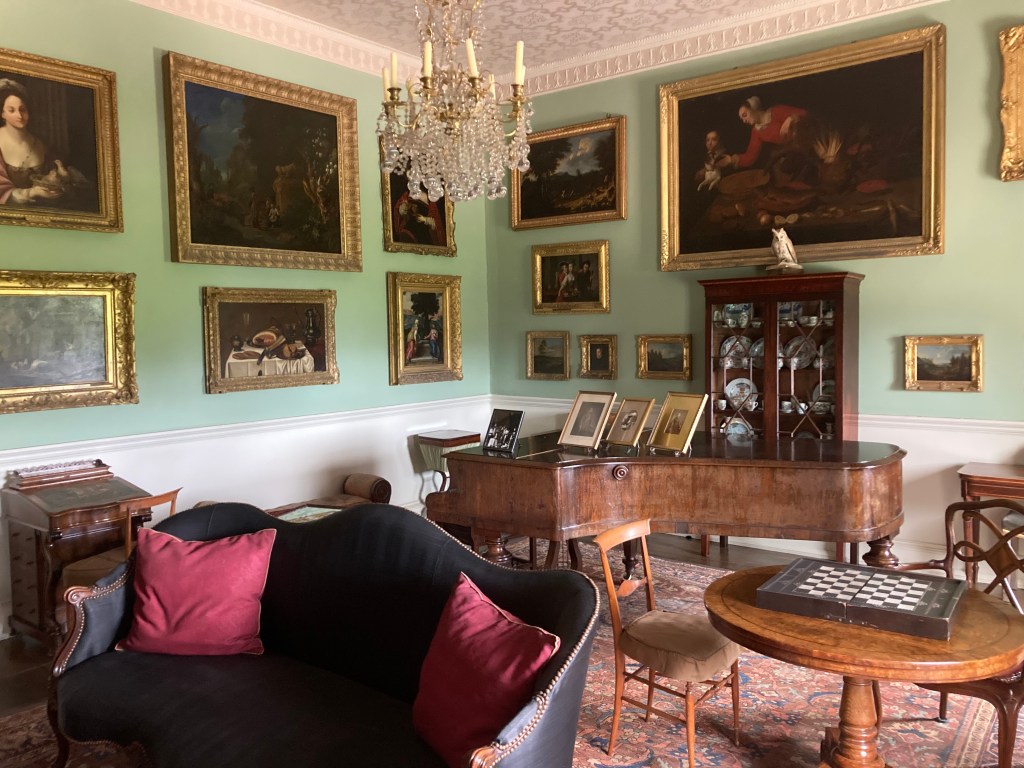
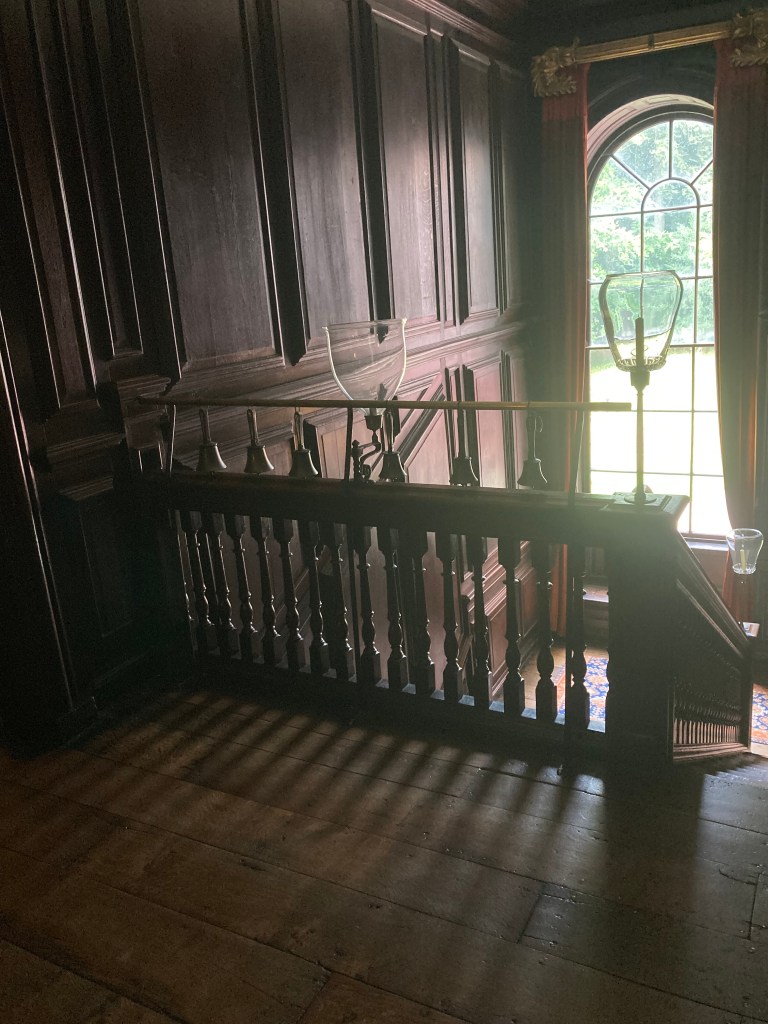
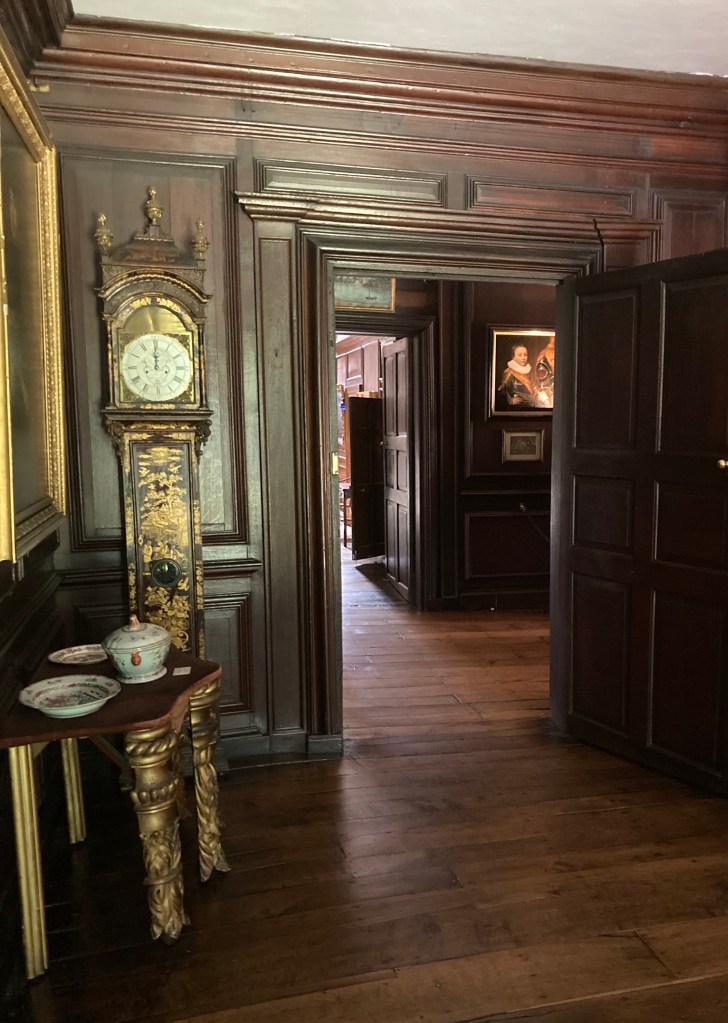
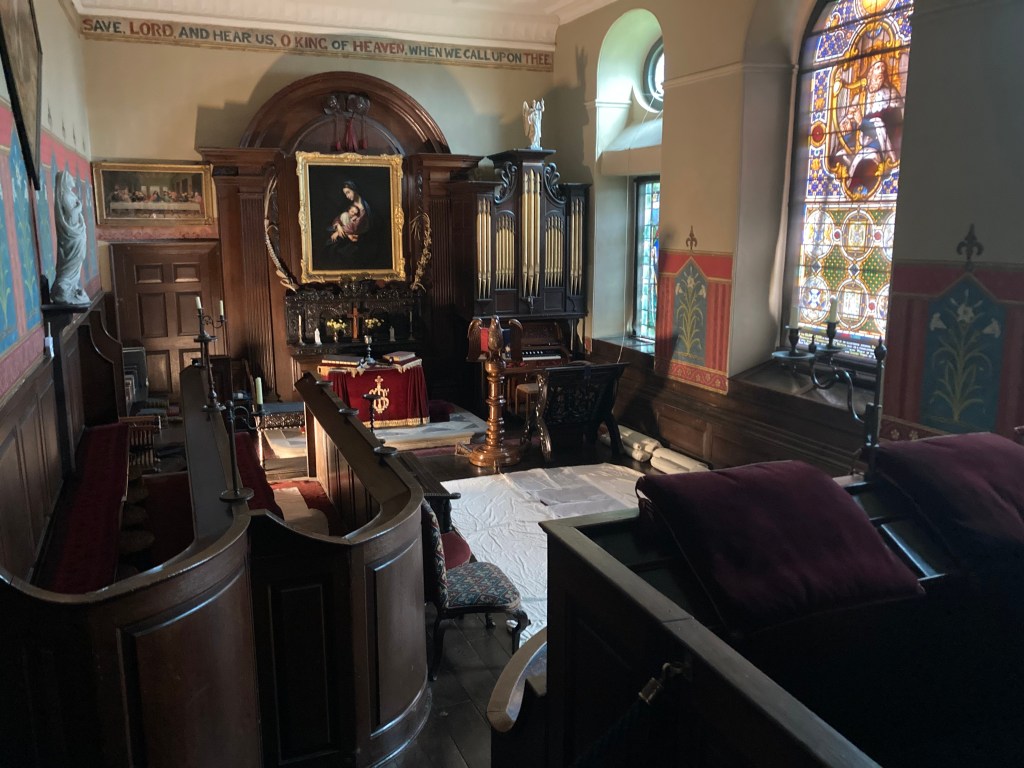
I loved the visit to Erddigg Hall, it was quirky, beautifully presented, in great condition thanks to the National Trust TLC and fascinating to better understand how people had lived and worked in the Hall over the centuries . The photos of staff in the servants quarters with the Yorke verse comments on each are real treasures of social history, and a lovely touch. But the day to day household items like the “Witch Dust Extractor” annd the “Douche Shower” are just brilliant to see. Equally there are items of antique furniture that I thought were just exquisite and well worth the visit, just to see them.
But perhaps my lasting memory of the Hall interior is the beautiful wide panelled timber flooring, polished and stunning in its dark grain. Thank you the UK National Trust another gem in the collection, so many more awaiting our next visit.
 Travels with My Wife
Outstanding photography. Well done.
LikeLike
I find you E Mails fascinating Peter and it is amazing how much you have seen and passed on to us.. The photography is fantastic and what wonderful memories you and Sue will have from your travels. We look forward to seeing you back here not too far away and safe travels for the rest of your trip
Love Janice
LikeLike
>
LikeLike