
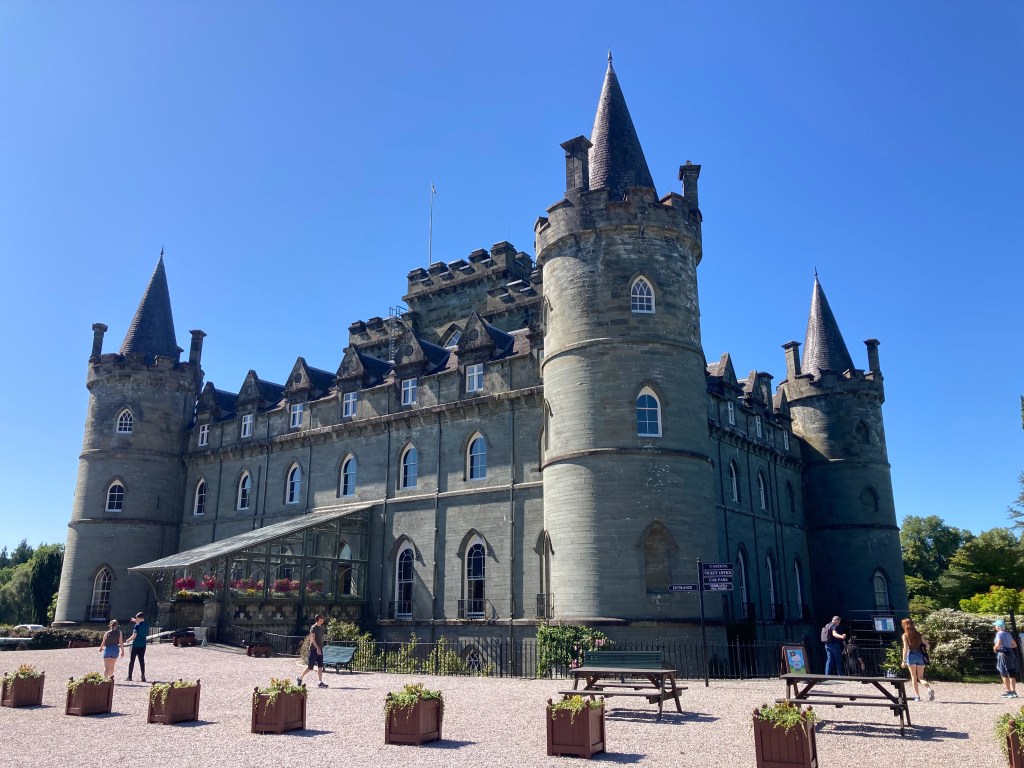
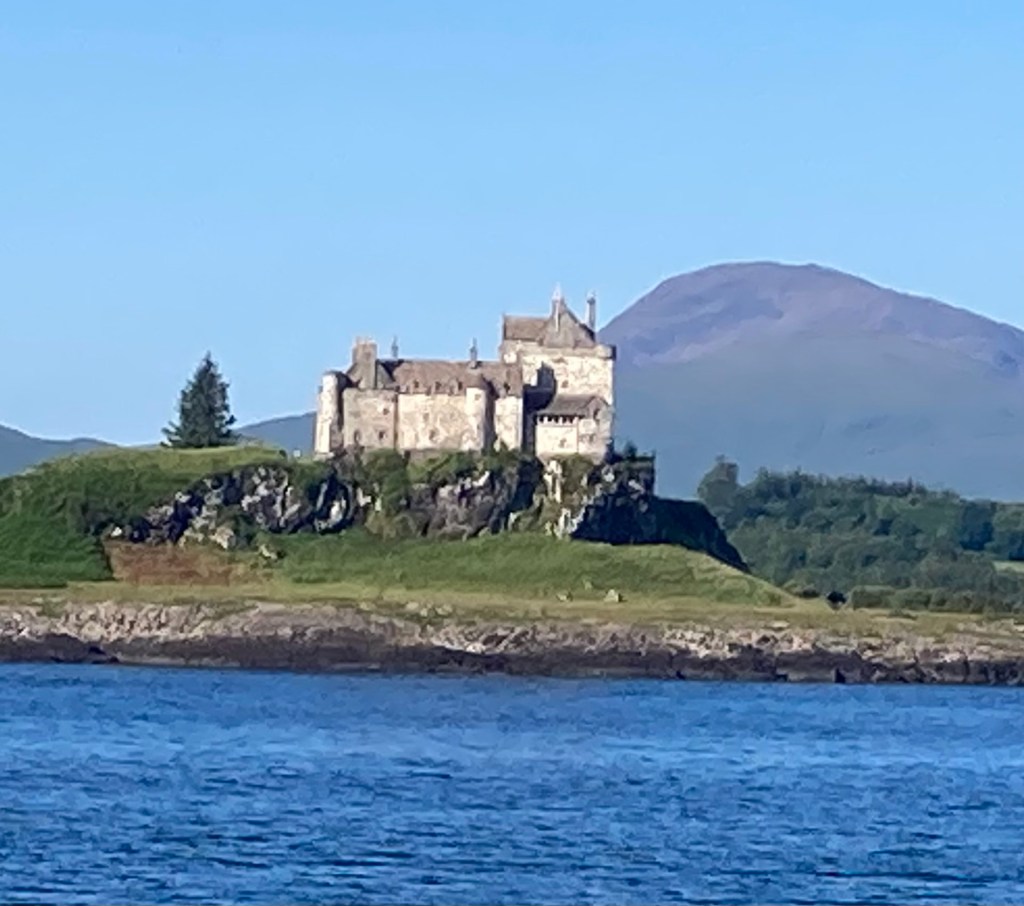
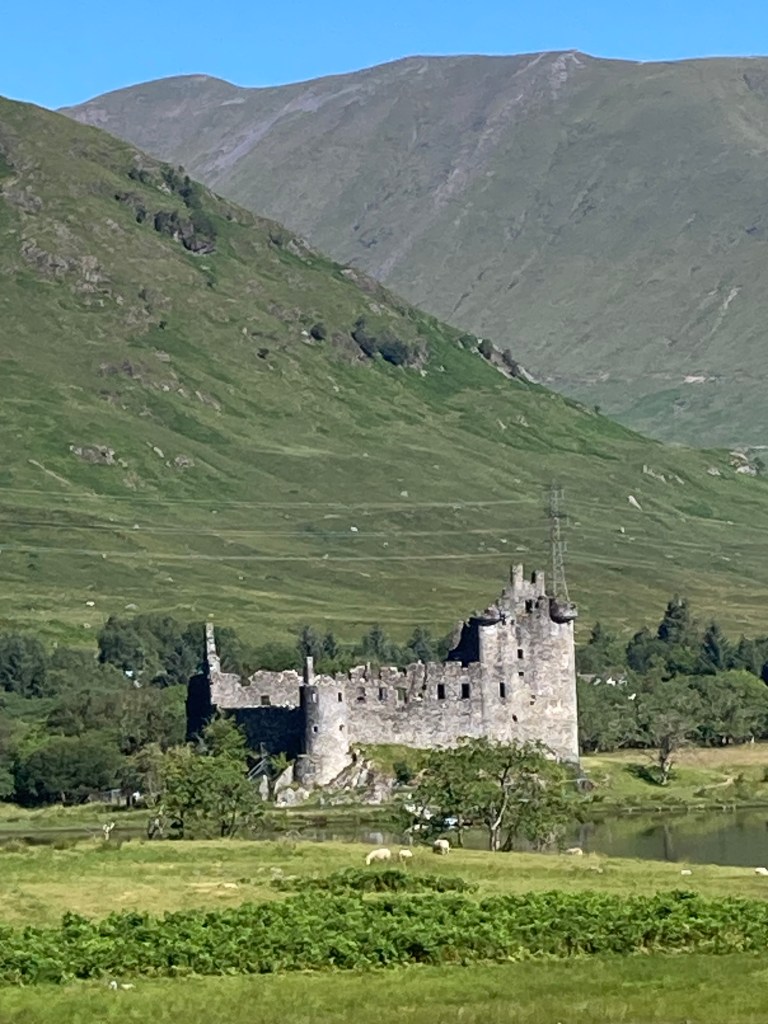
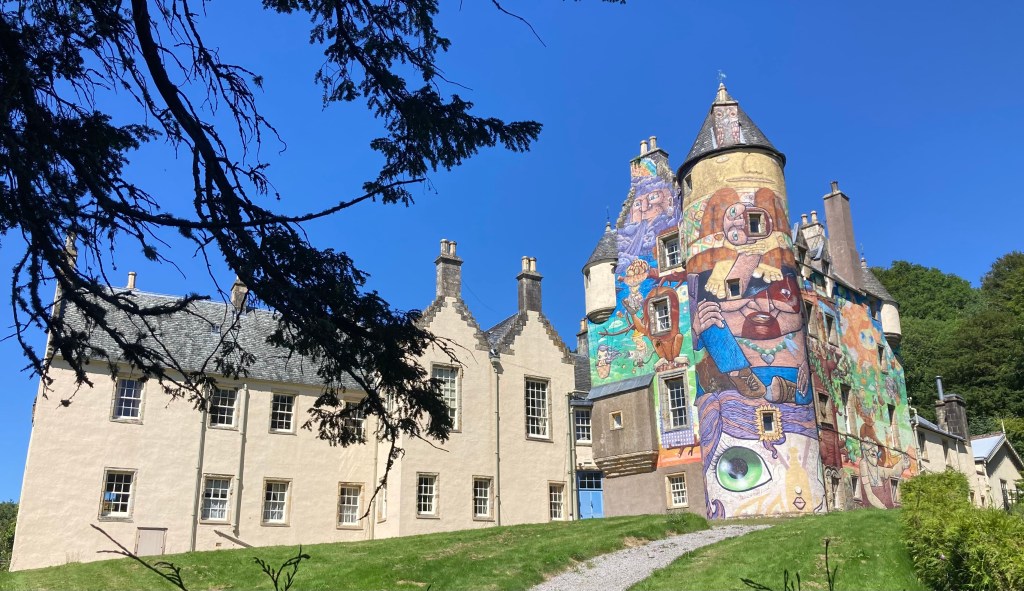
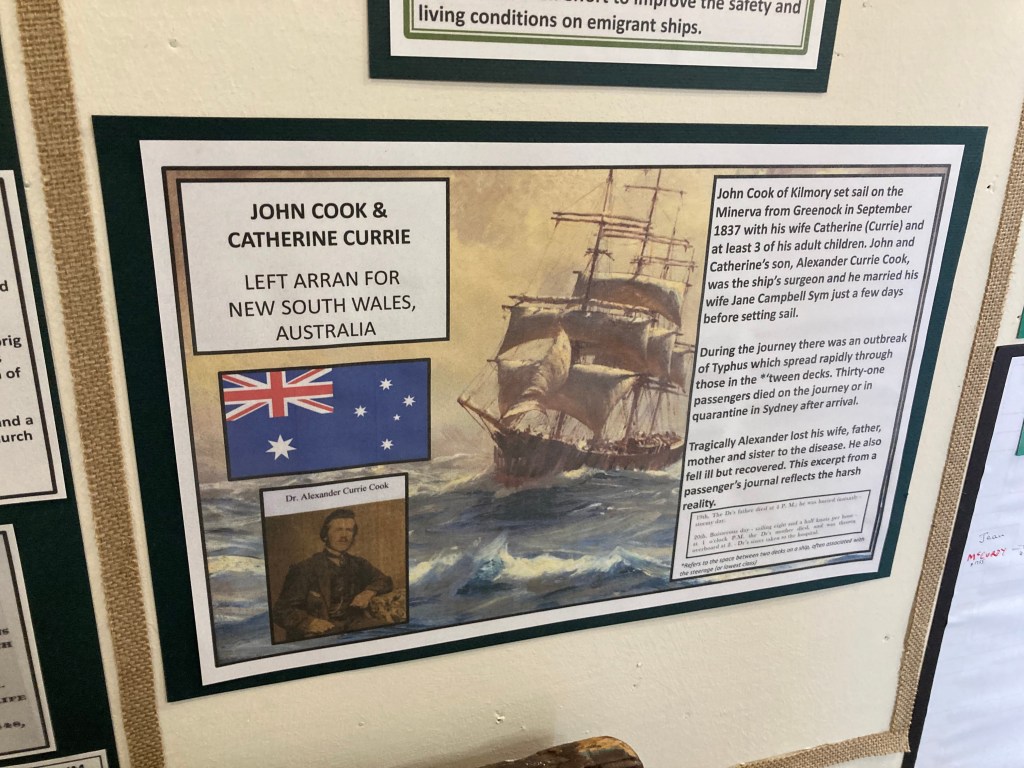
We have left a wonderful week on the Island of Mull and now head to the Isle of Arran. On the way to and whilst there we will see 12th century castles, solid and just built to keep out marauding invaders. We will also see more modern castles that unashamed revenue from slavery built and furnished – “white gold – sugar”, highly labour intensive in the West Indies, highly lucrative for the owners. Equally lucrative the “payouts” from the British Government to Slave Owners, following the passing of the Abolition of Slavery Act 1833. These were in part the vehicle for significant Victorian investment in infrastructure projects across the UK. Meanwhile back in Scotland, the “clearances” were modernising and maximising agricultural revenue for the landowners by moving crofters off land they had survived on for generations, and shipping them to the “New World”.

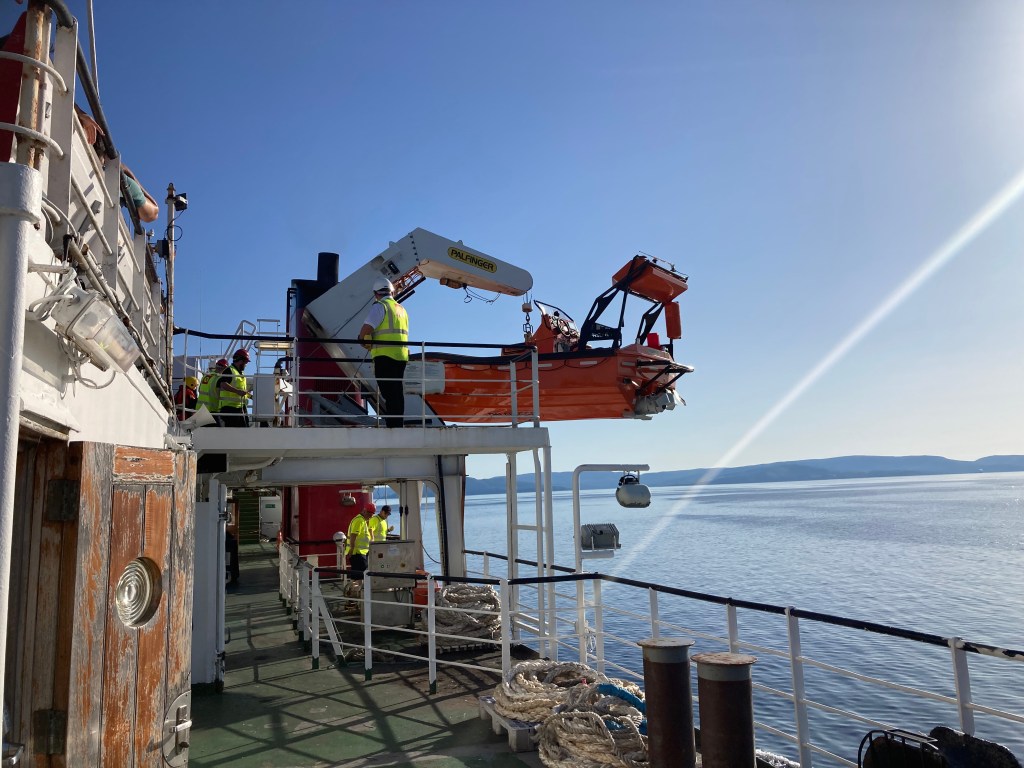
Our ferry crossing to the Isle of Arran, from Ardrossan on the mainland to Brodick on the island, left about 6pm, in 30c of evening heat. Normally a 45-60 min trip, our passage was delayed as the ferry was called in to assist a vessel in distress. Preparations were made to launch a rescue rib from the ferry, passengers stood by intrigued by the drama which was unfolding – but then the ferry was stood down by the Coastguard and so end of rescue action. Leaving us now with a significant delay on getting to the island. Brodick is the biggest village on Arran, and on the east coast, but our holiday cottage is about a 35 minute drive away from the port on the more remote, west coast.
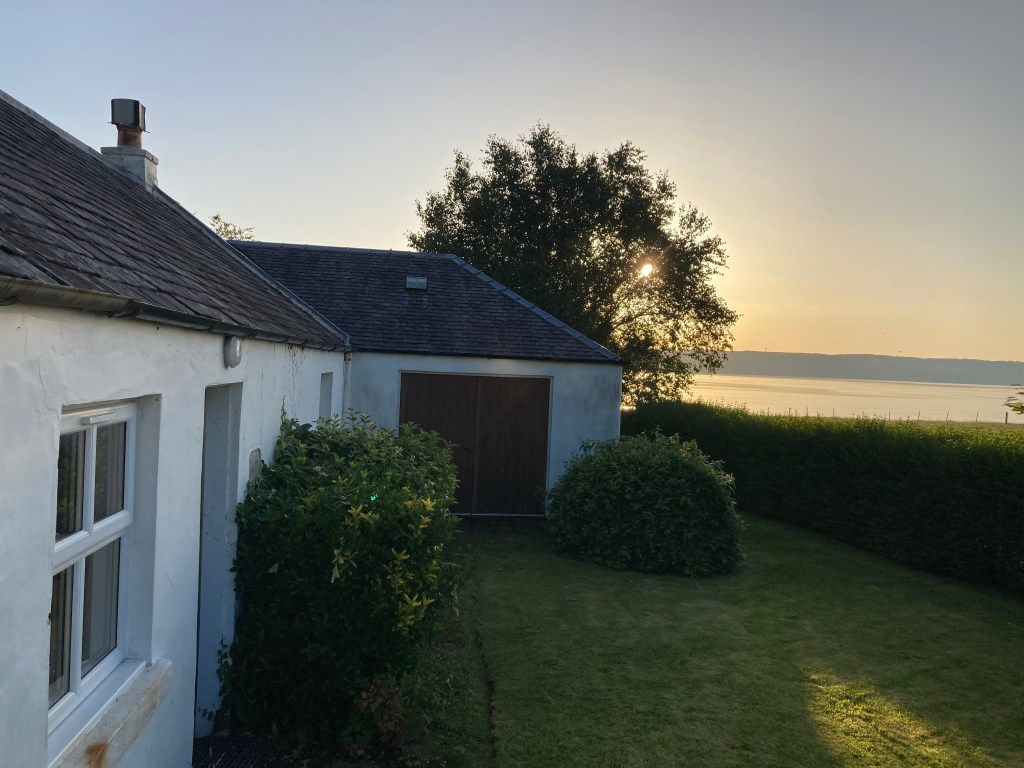
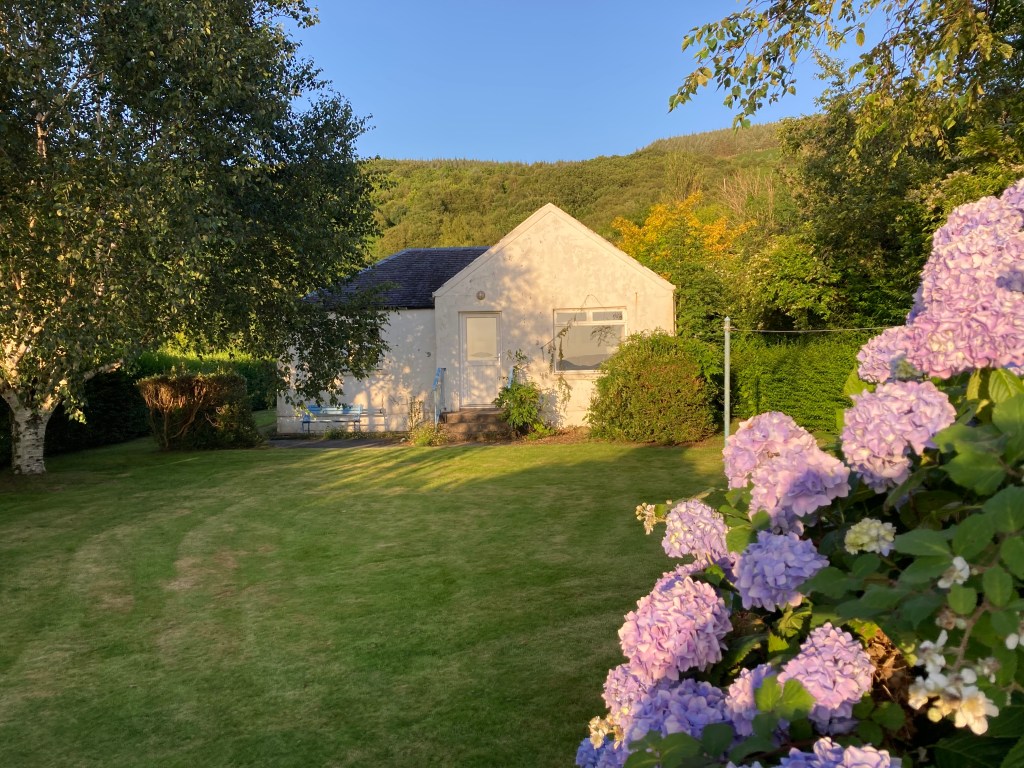
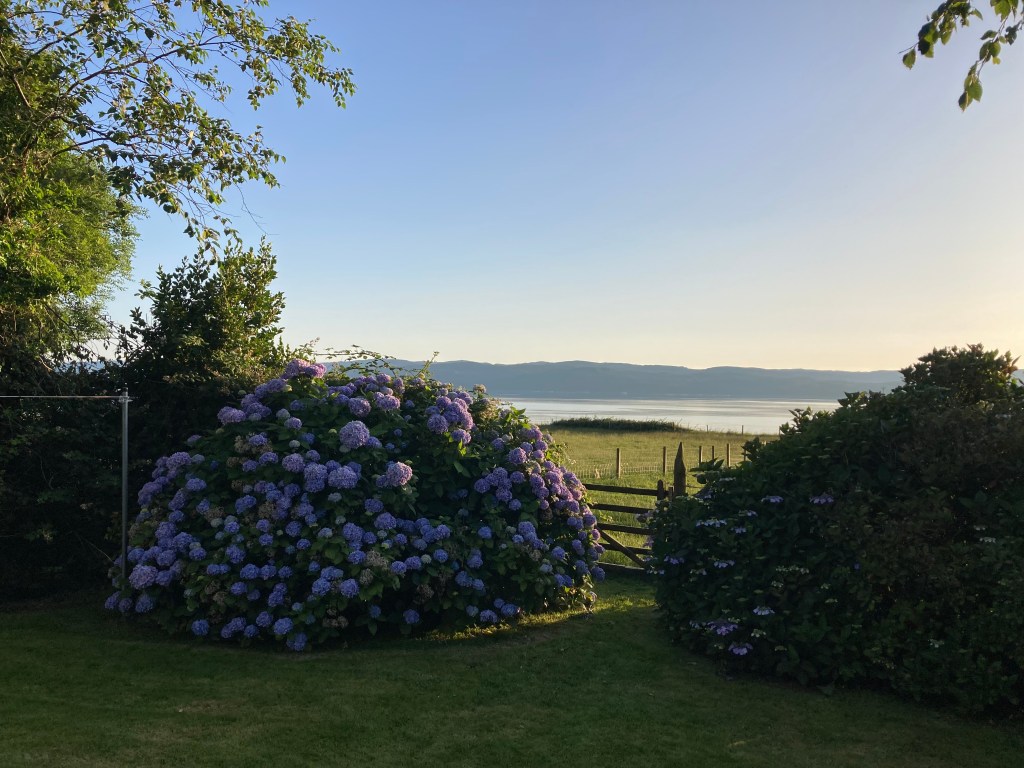
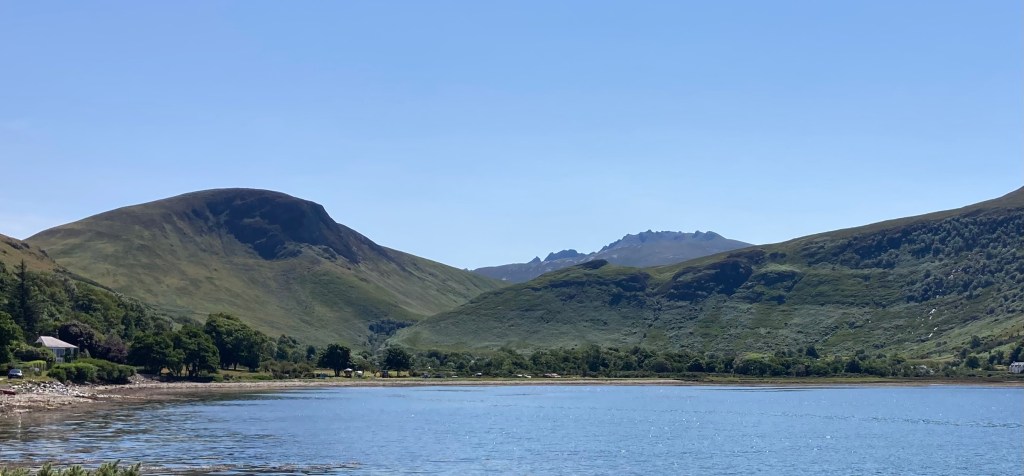
We had nothing explicitly planned for our time on Arran, except to explore!! It’s a much smaller island than Mull, but its proximity to Glasgow – 40 minute drive + ferry crossing, means that it gets many more visitors, often just day trippers, than Mull. Goat Fell and accompanying ridges dominate the north of the island. The southern end is flatter and has more farming activity.
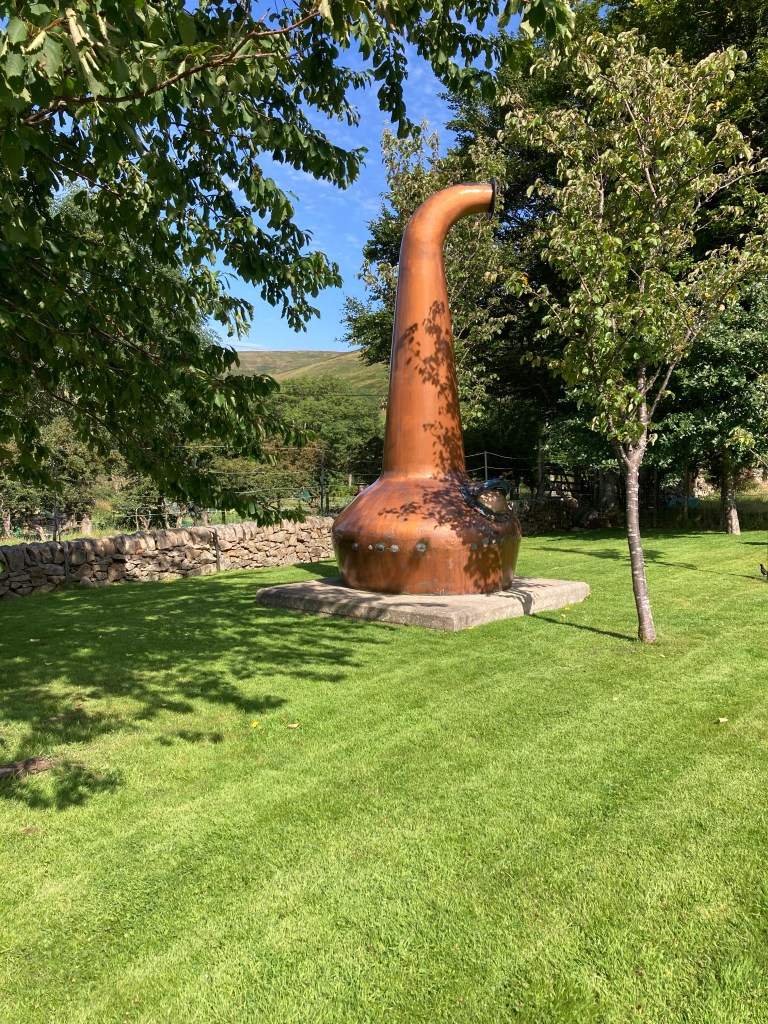
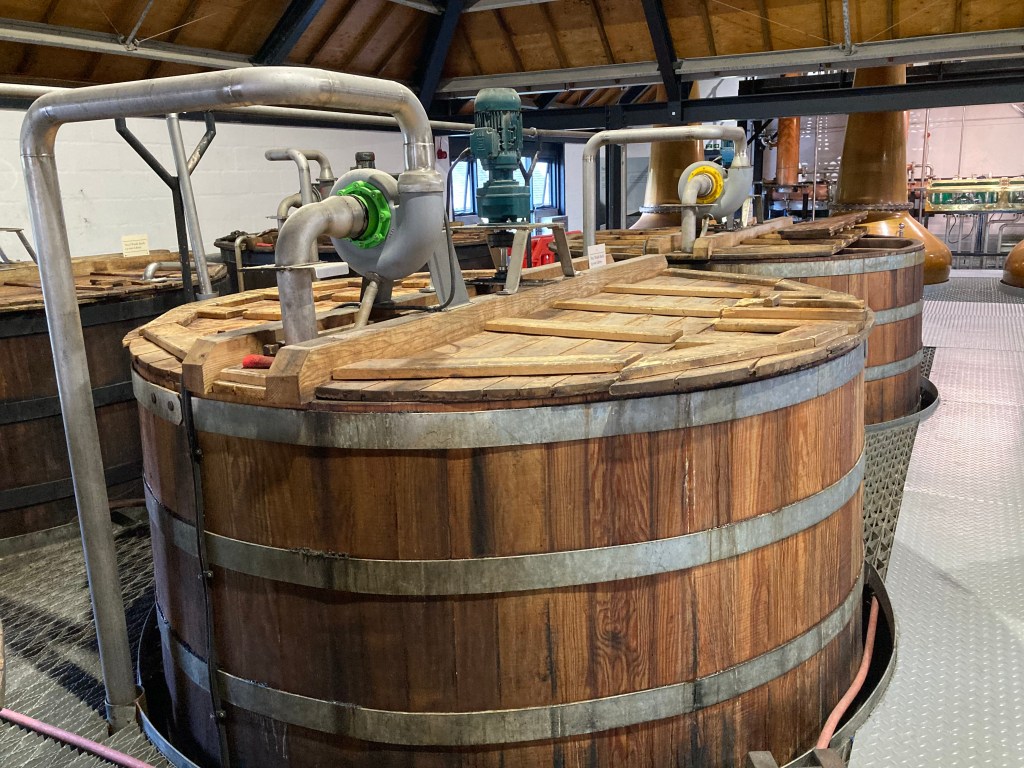
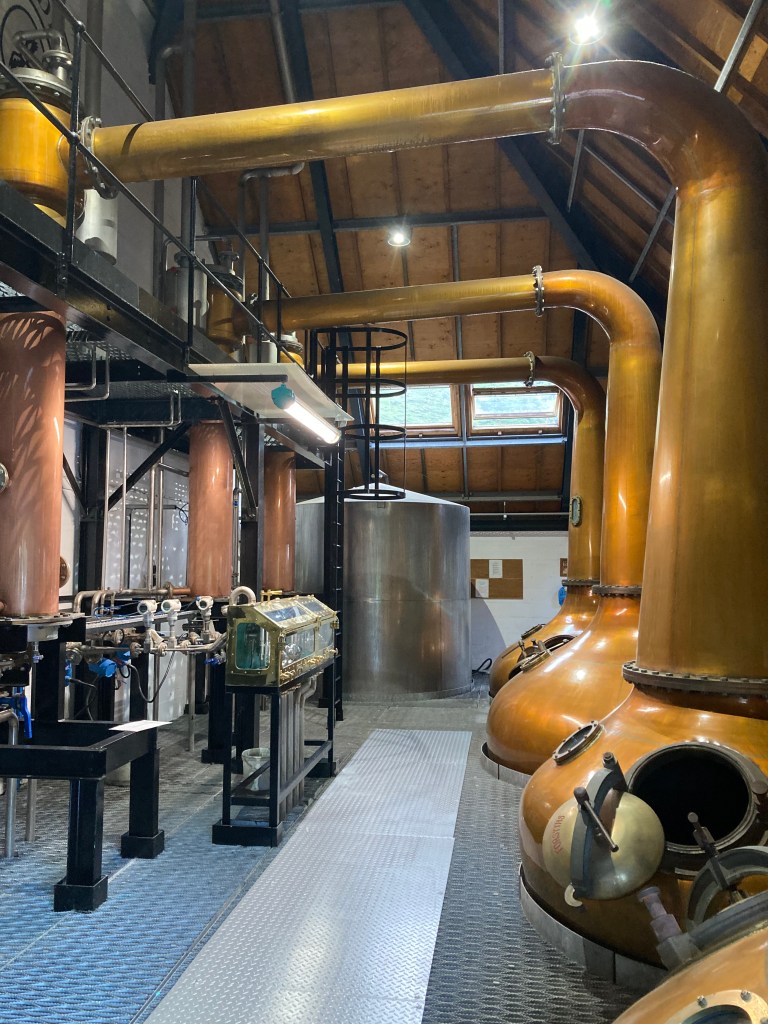
For many years illicit stills operated all over Scotland and Arran was no exception. Excise duty and competition for blended whisky saw the end of all distilling on Arran until 30 years ago, when Arran Distillers was formed at Lochranza on the north-east corner of the Island. They now produce 800,000 litres of single malt between Lochranza and their second more recently built distillery at Lagg in the south of Arran. A tour of the Lochranza premises is highly recommended, even if you are not a whisky imbiber !!
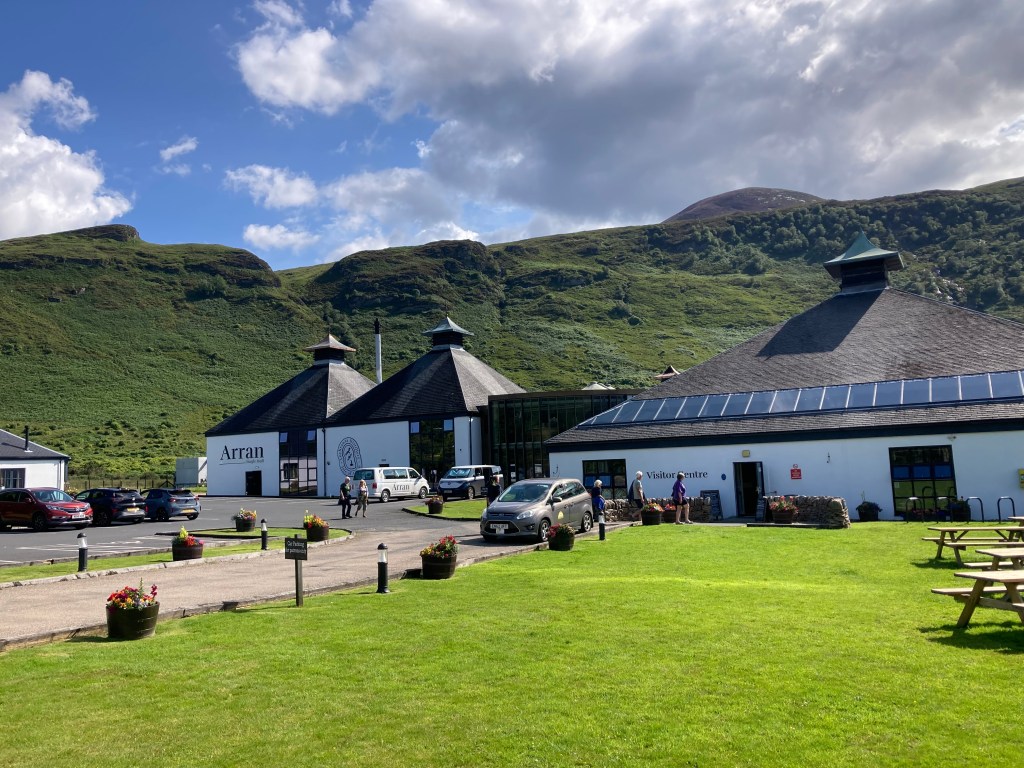
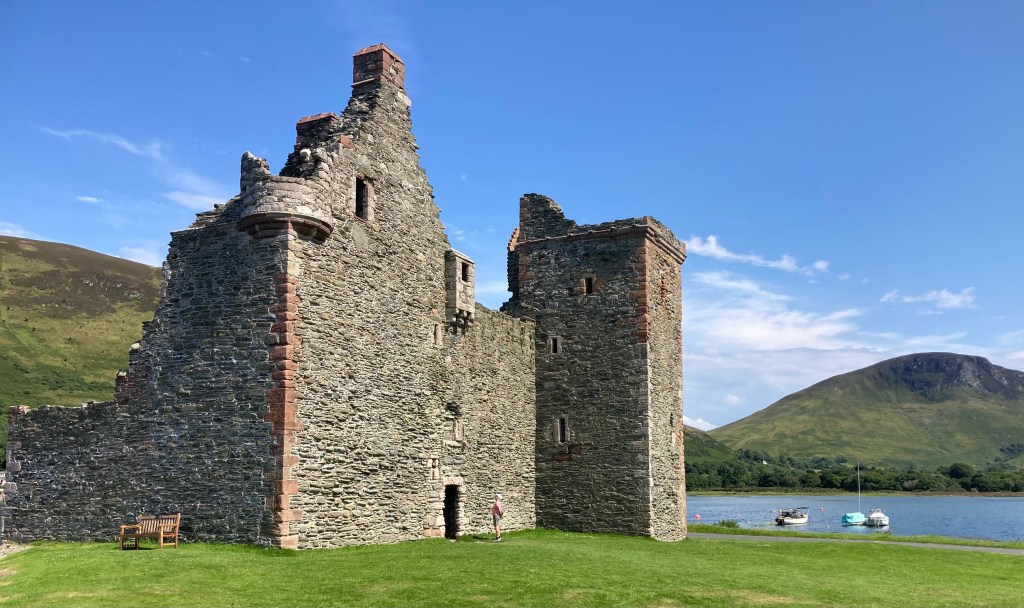
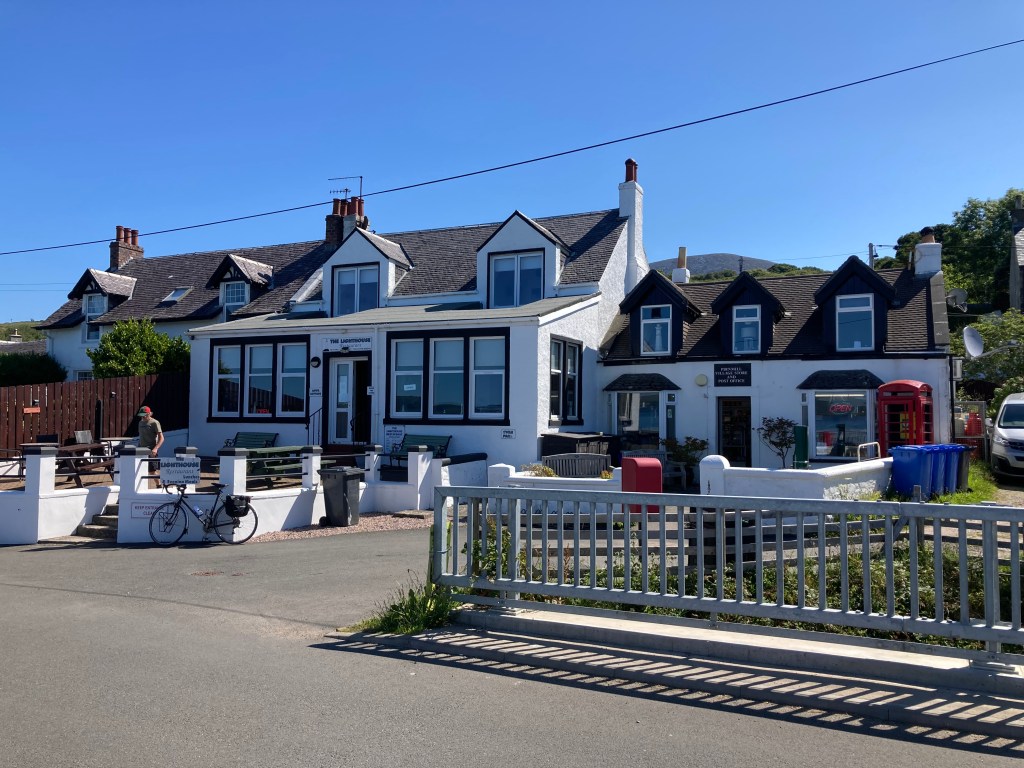
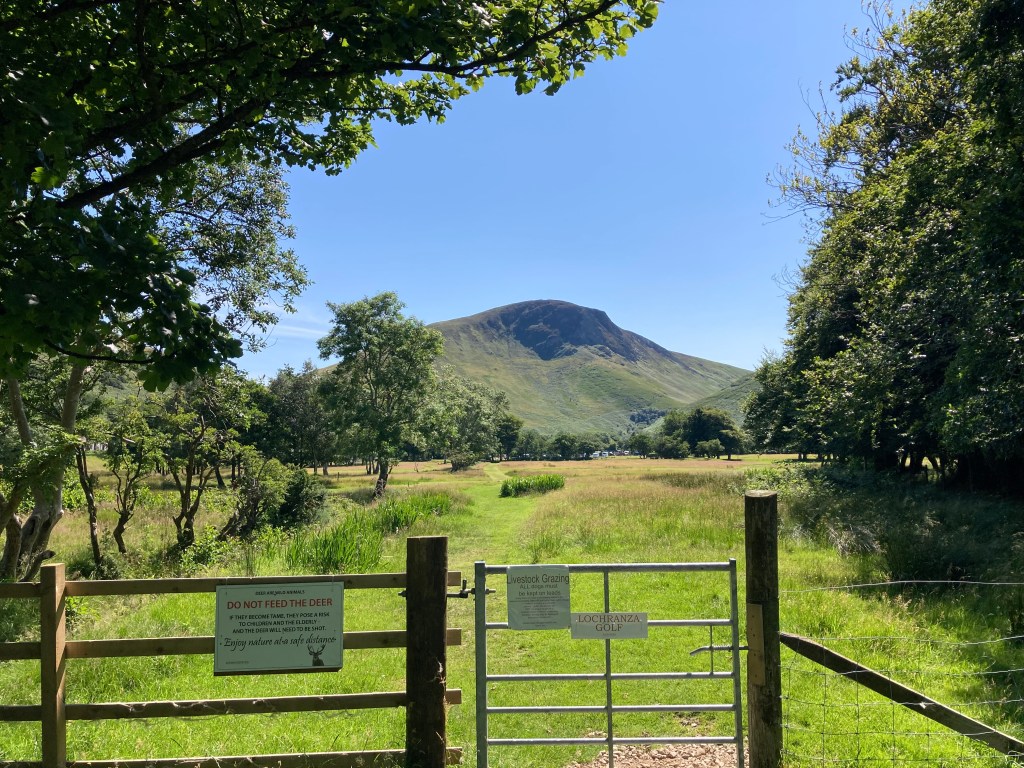
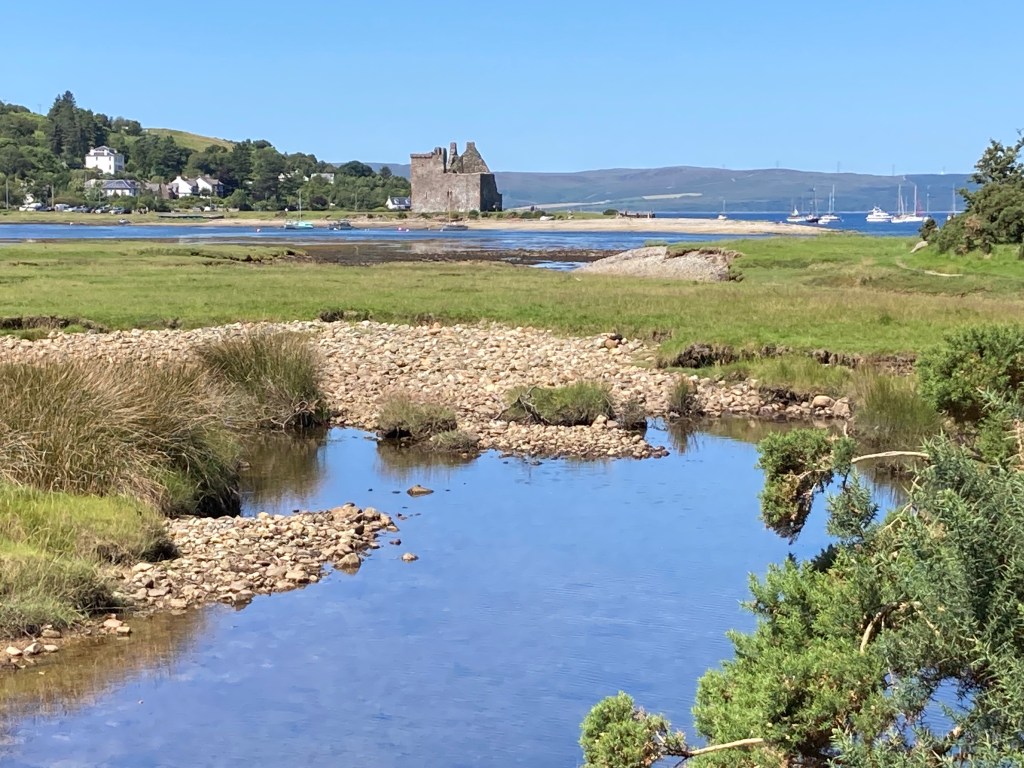
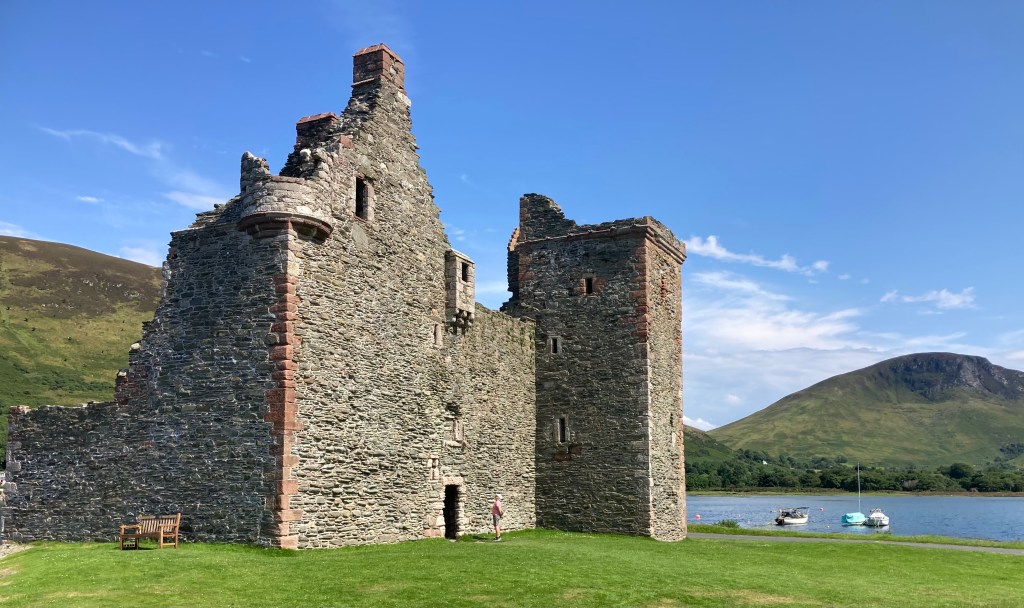
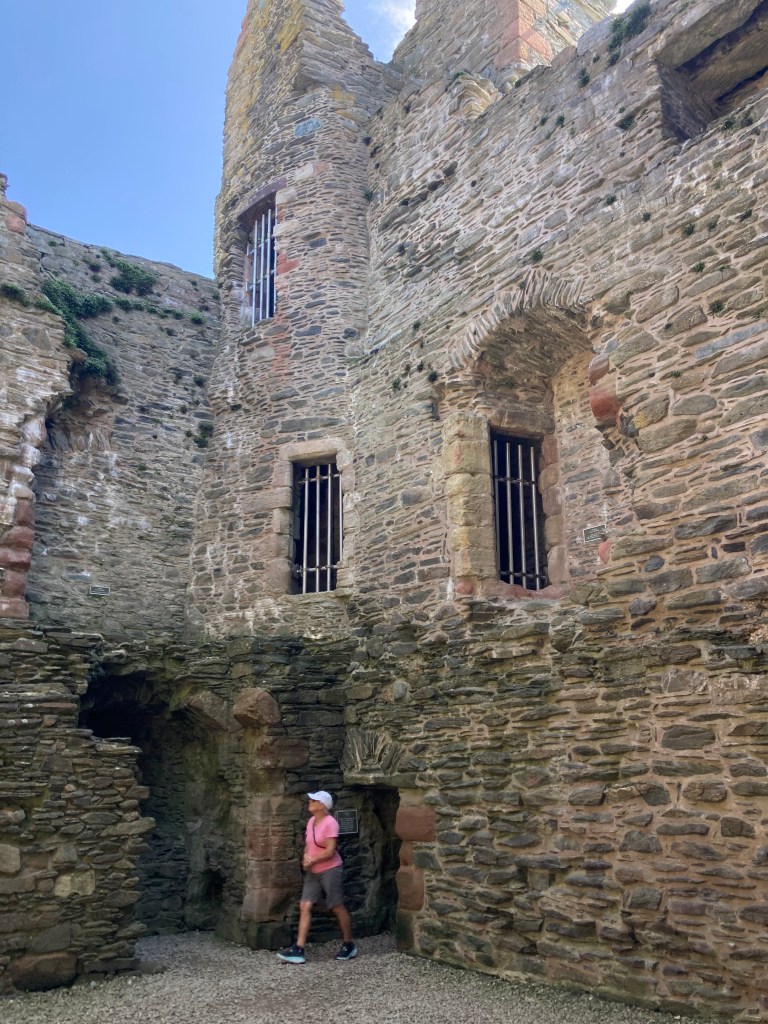
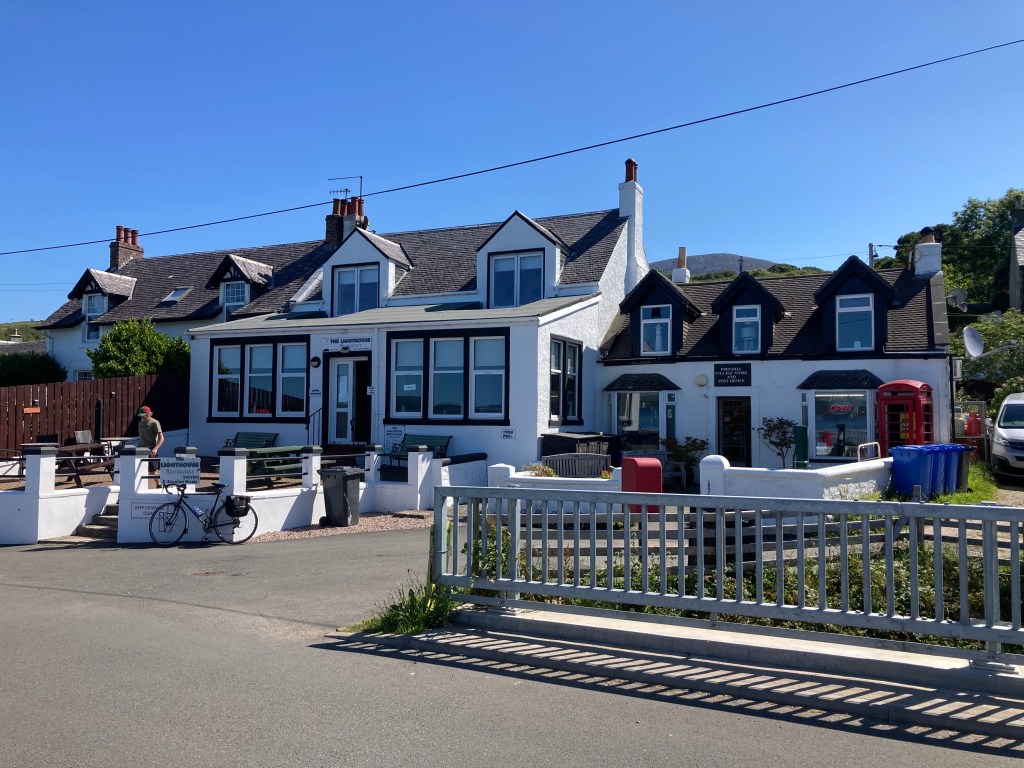
Lochranza is a pretty area, with a small vehicle/passenger ferry that runs regularly to Claonaig on the mainland peninsular to the west of Arran, facilitating road access up to Inverary and Oban. The 12th century castle dominates the inlet, with good yacht moorings, coastal walks and a links golf course. Next door Pirnmill was our nearest settlement, ten minutes drive from our “remote cottage”, with a Post Office/Shop and local restaurant.
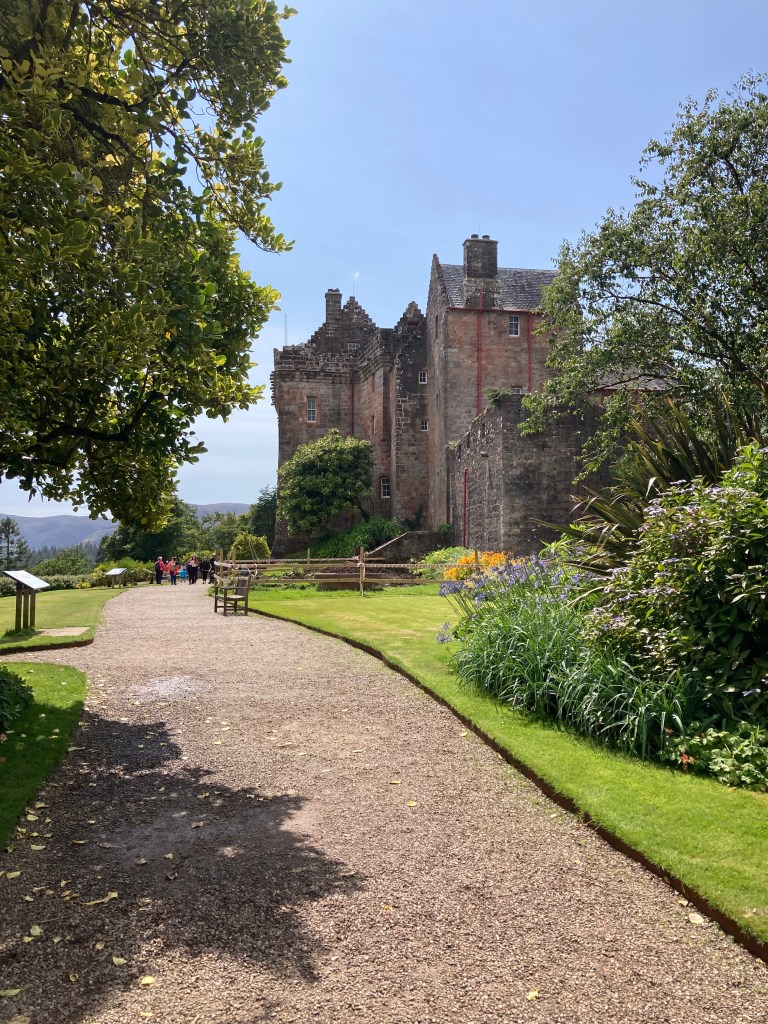
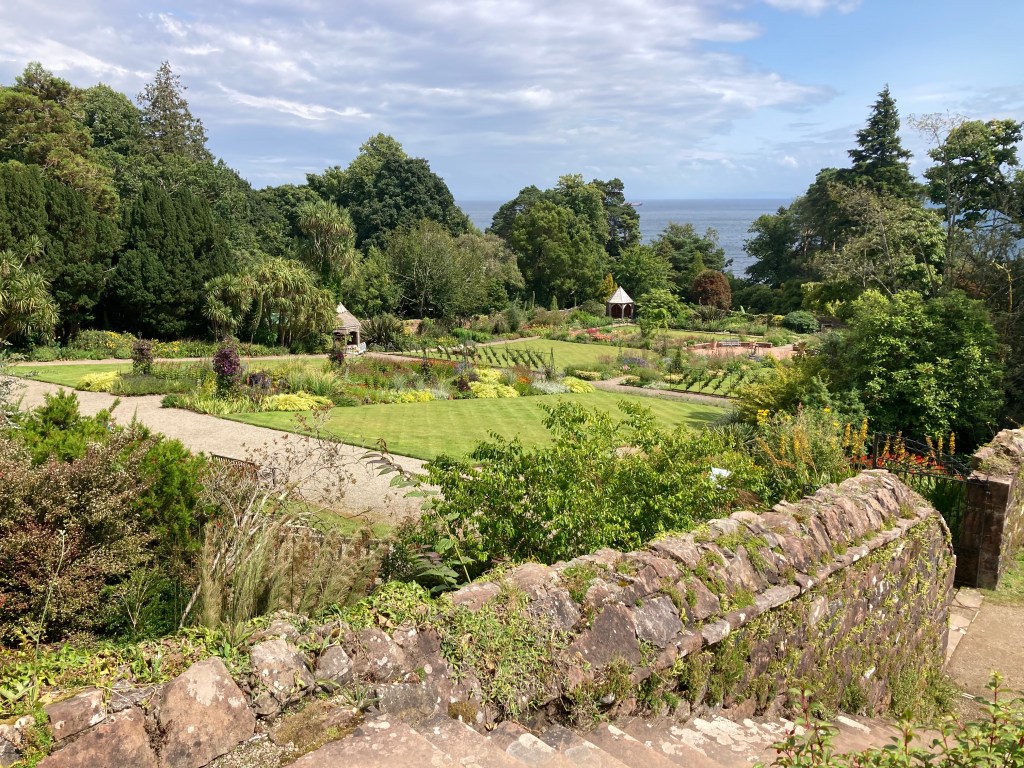
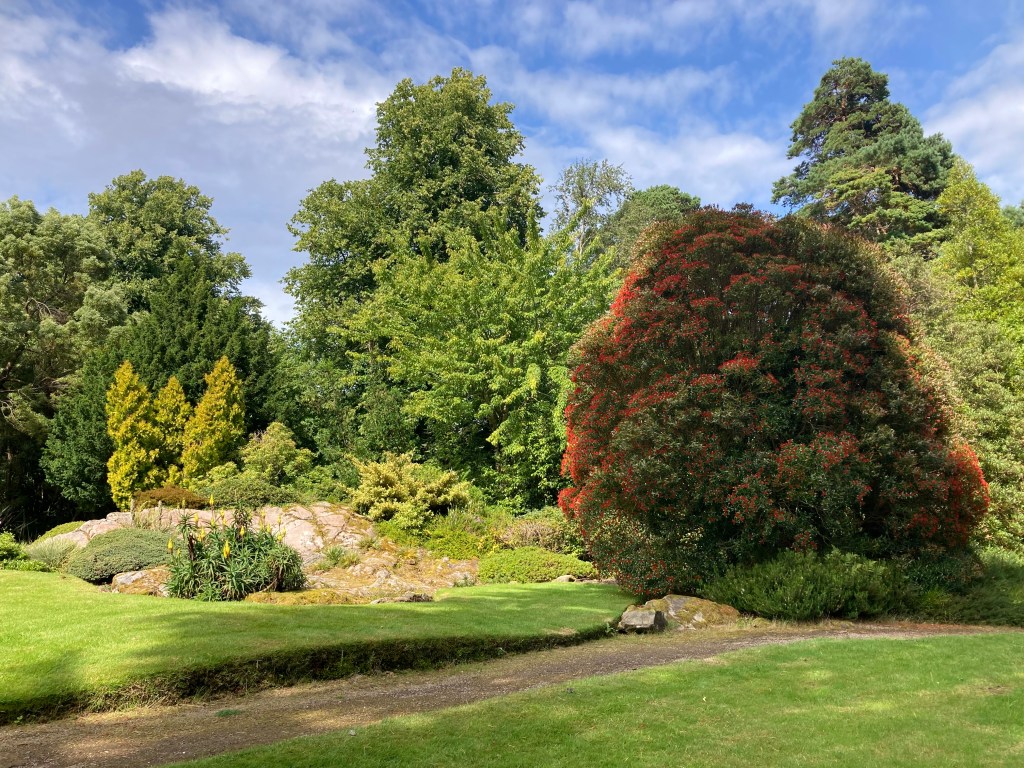
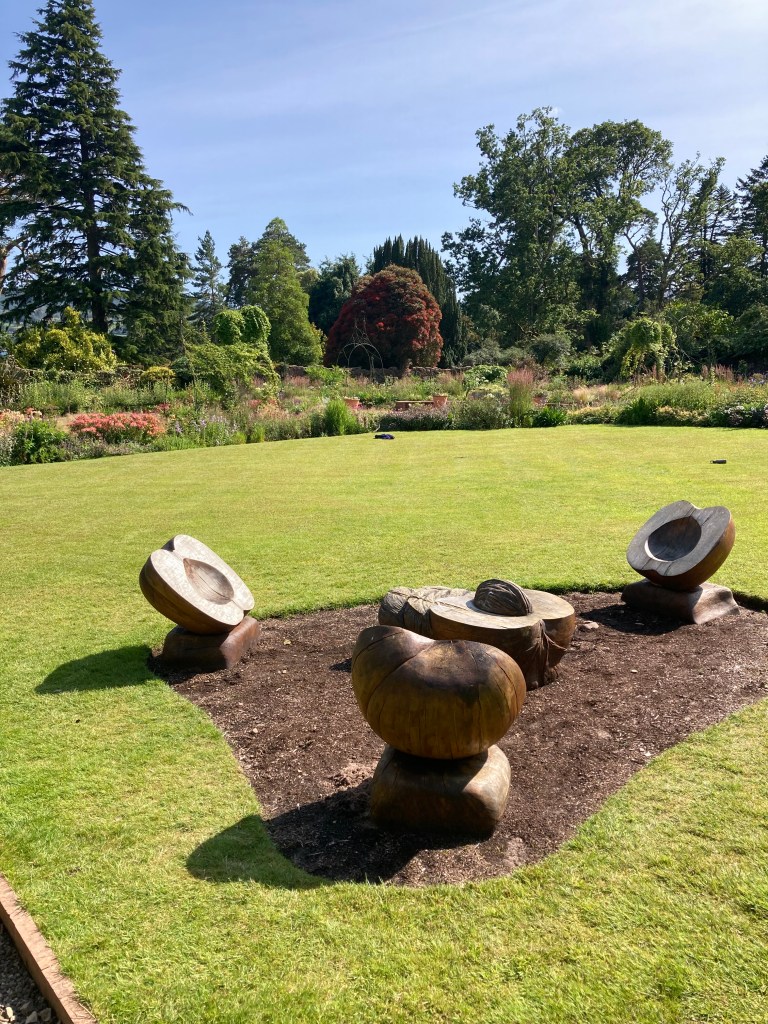
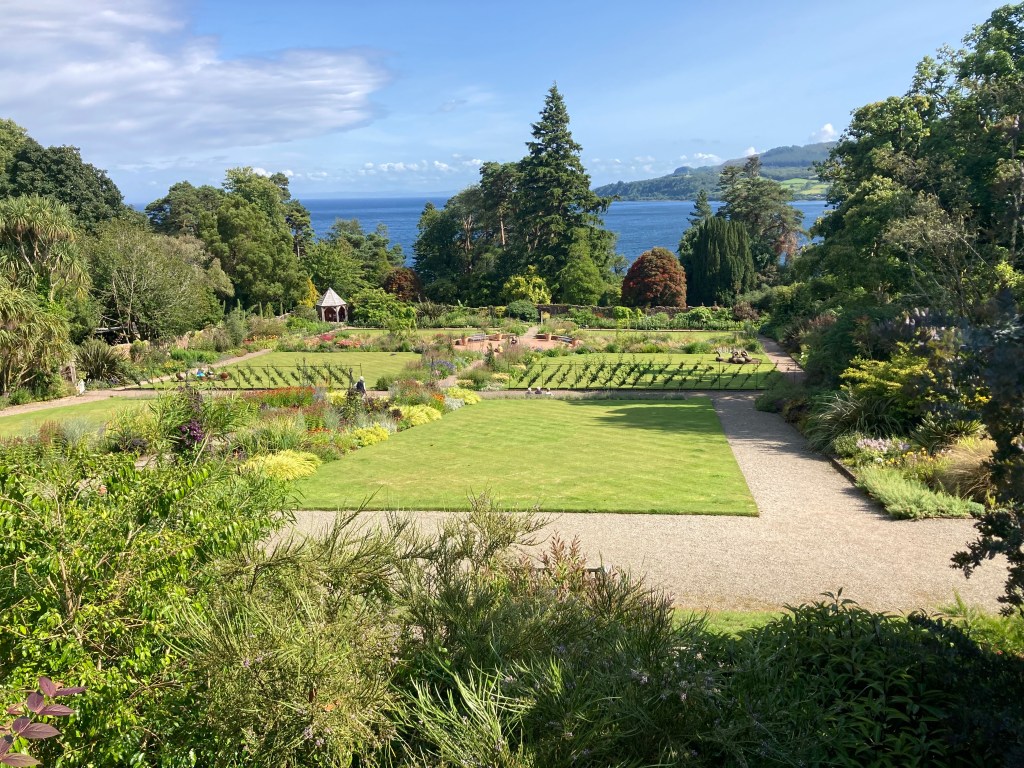
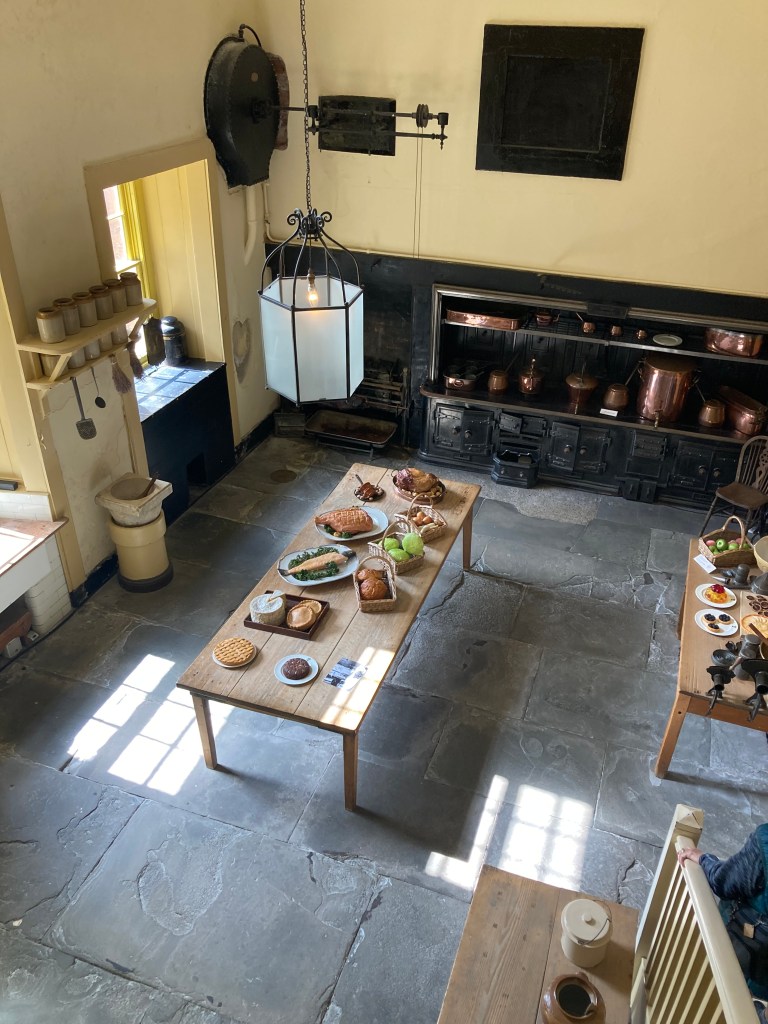
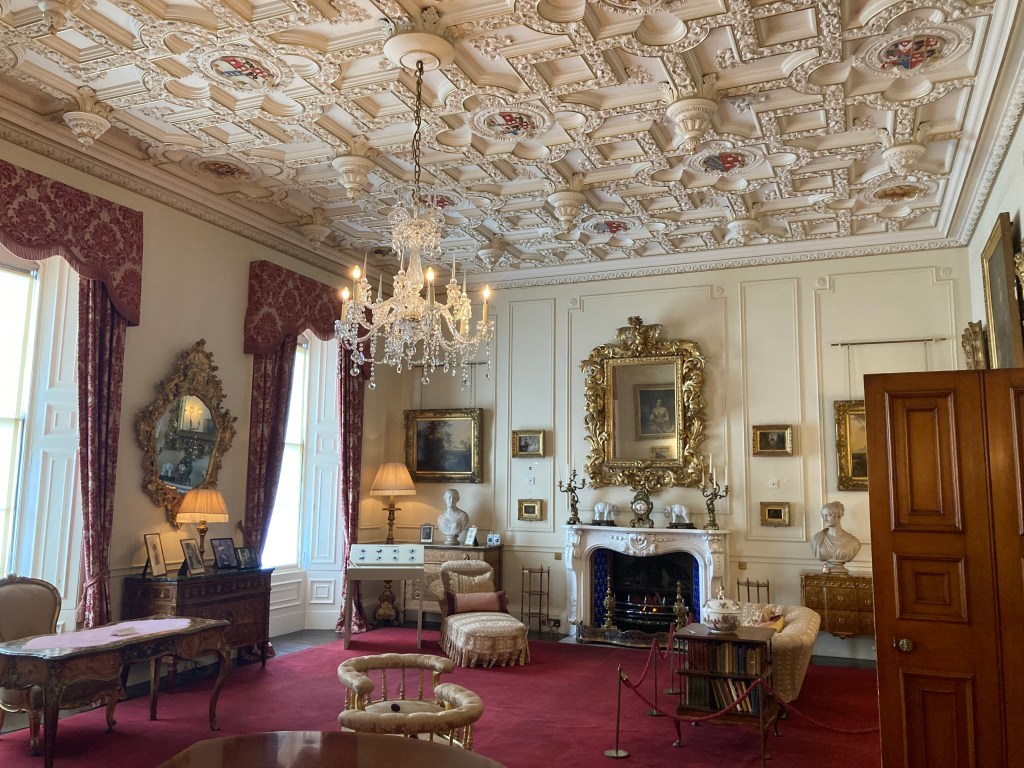
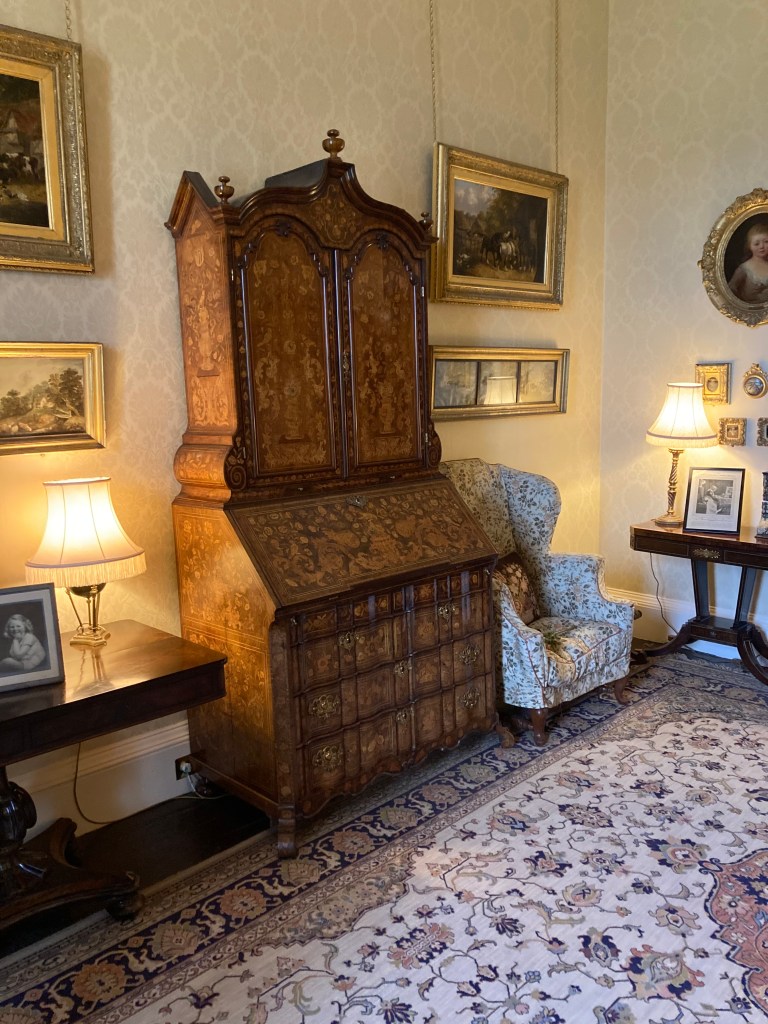
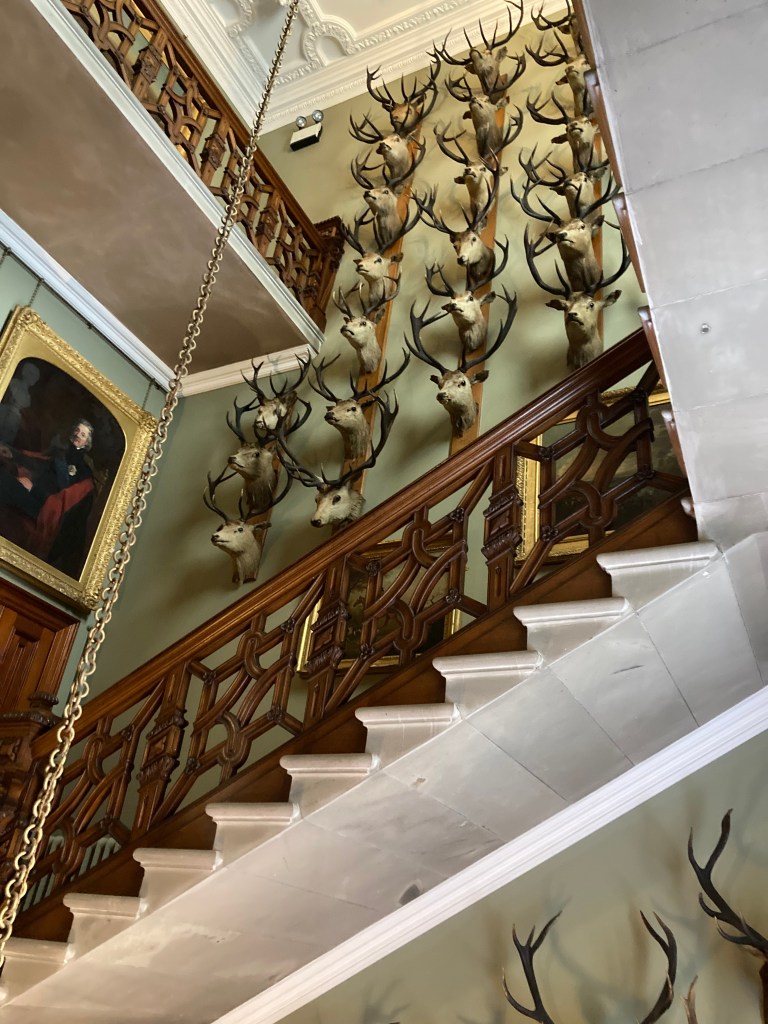
Brodick on the east side of the island, apart from being our arrival port and principal Island village – ie it has a small Coop Supermarket – is also the setting for Brodick Castle Gardens and Estate – definitely worth the visit and “entry free” again for us with “Heritage NZ”membership!!


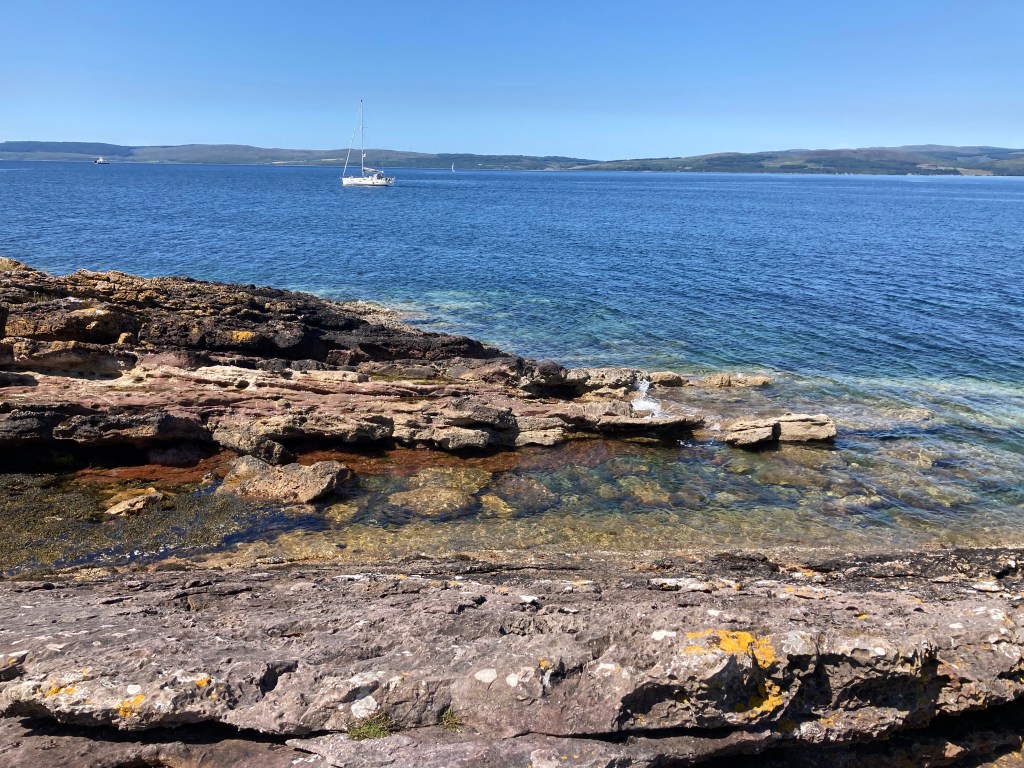
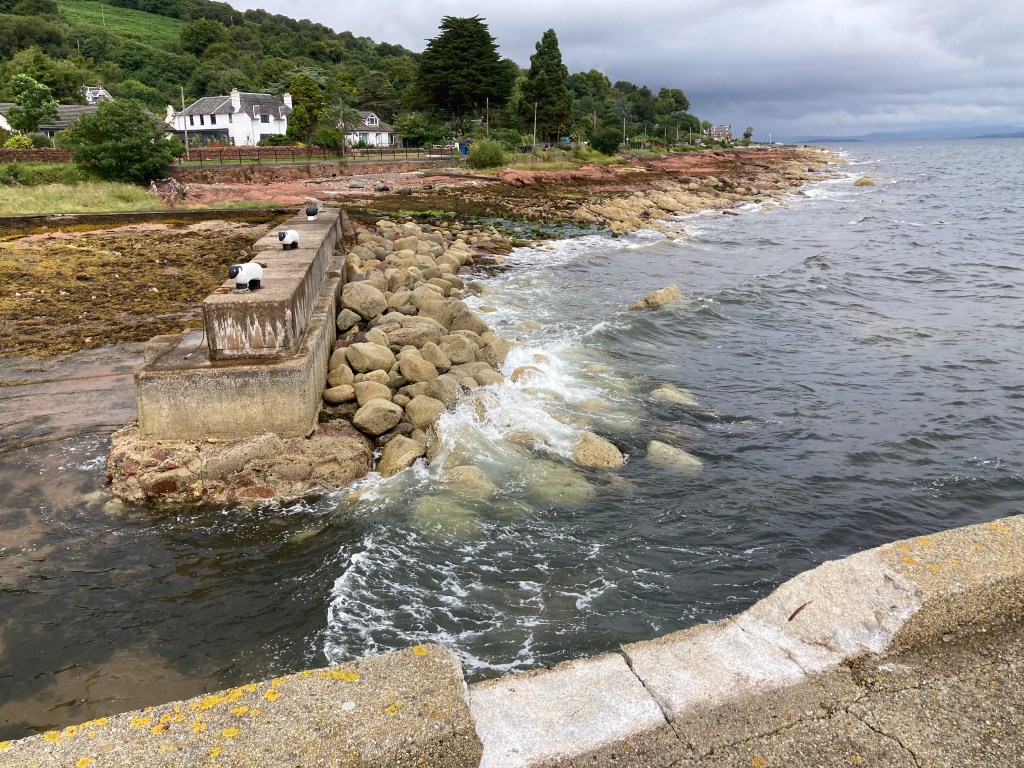
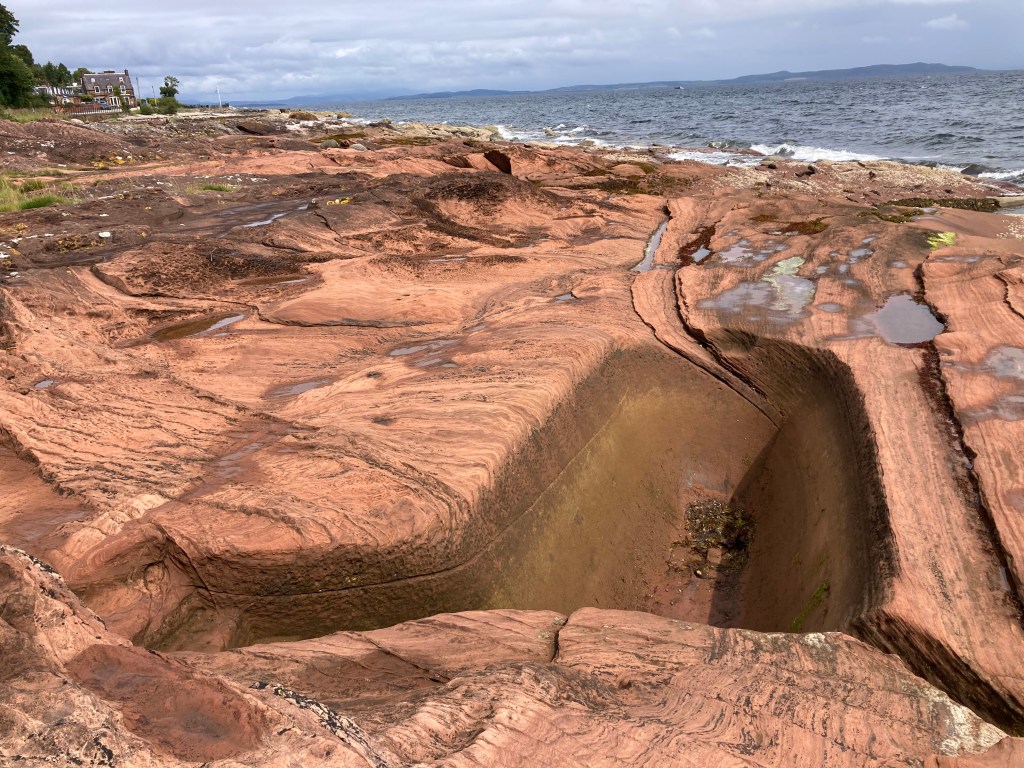
Geologically Arran has a fascinating history. As with anywhere the rocks that make up a place, tell the story and part of the rock exposed on Arran shows that the island originated near today’s Sahara Desert. Over time as Gondwanaland broke apart, Arran drifted north to its current location. On the north-east coast of Arran the sandstone and volcanic rocks come together, there is even a lovely sandstone feature called the Doctors Bath, on the beachside.
Just north of Lochranza we came across a sign board and a rock formation, detailing the first world discovery in the 18th century by a Scot, James Hutton which he called his, “Unconformity”. It concerned the overlaying of younger rocks over older ones, at that time it was thought the earth was only 6000 years old. This “unconformity” showed that the earth was very much older than that and by the 20th century we had come to understand it to be 4.5 billion years old.


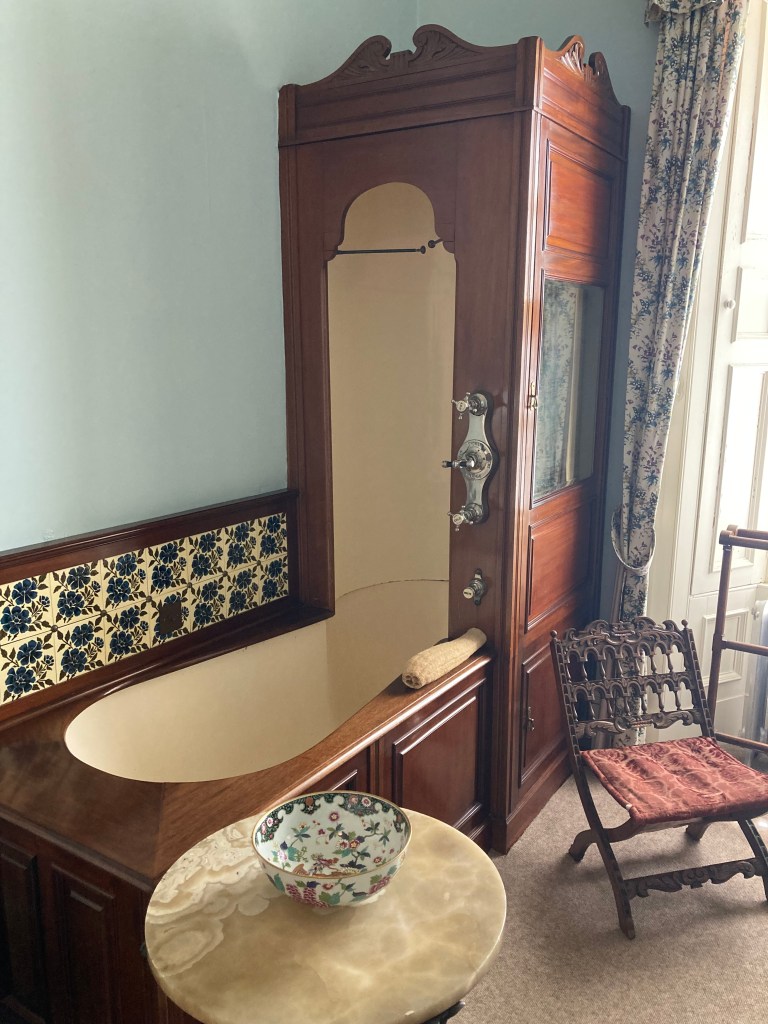
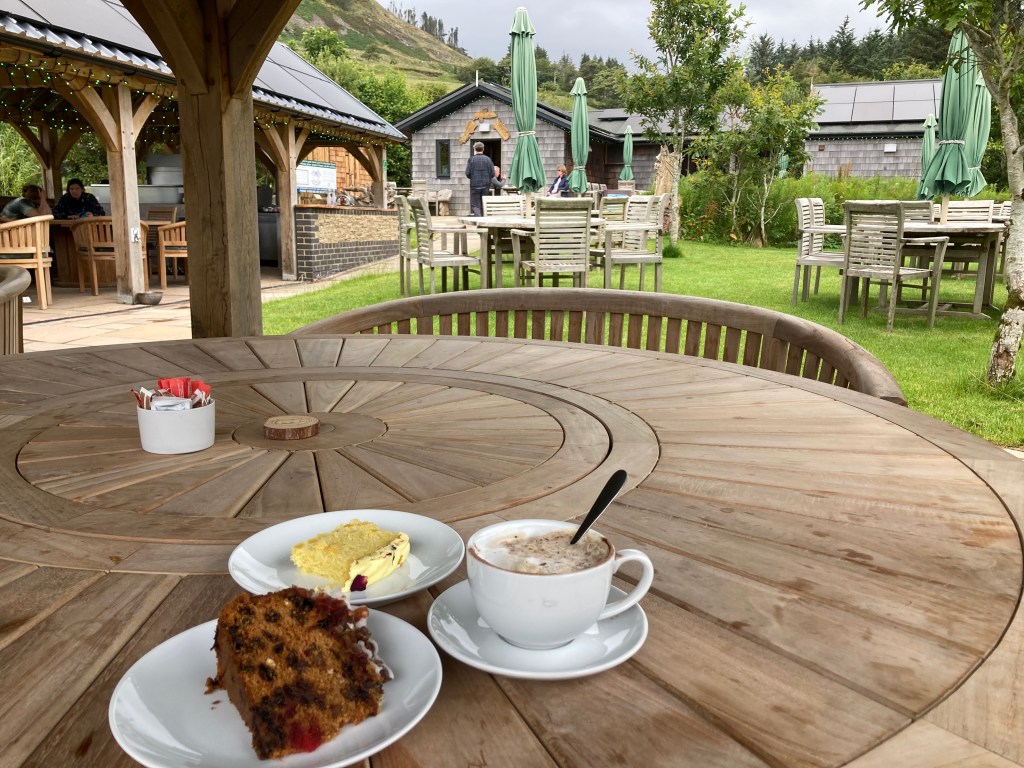
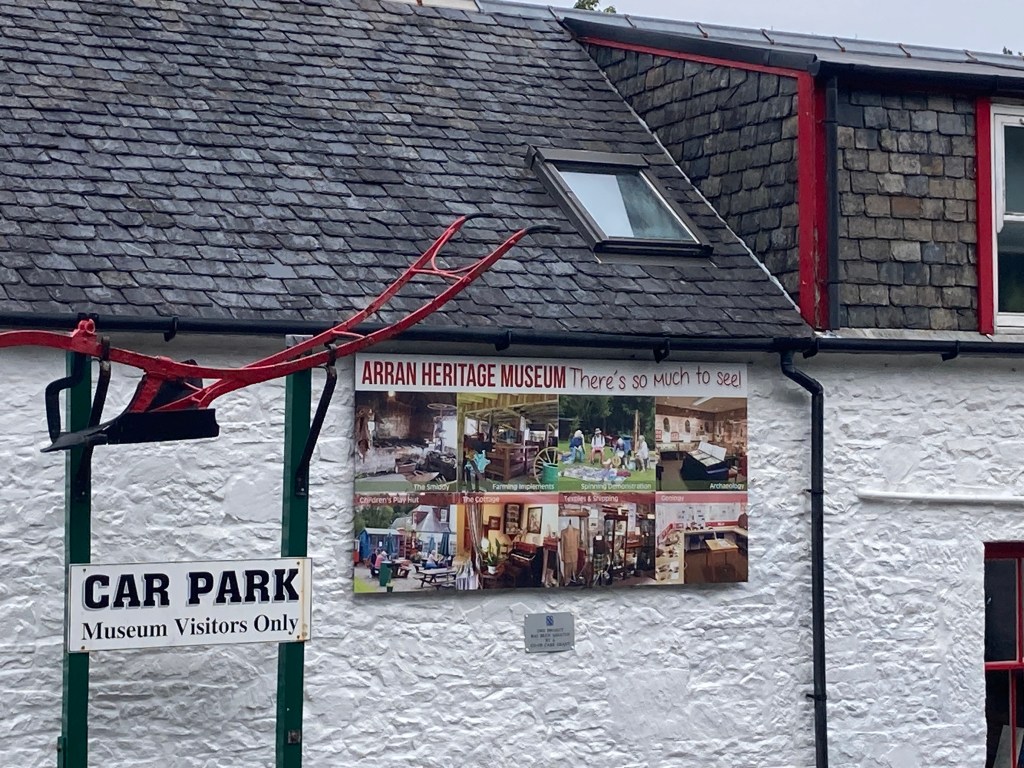
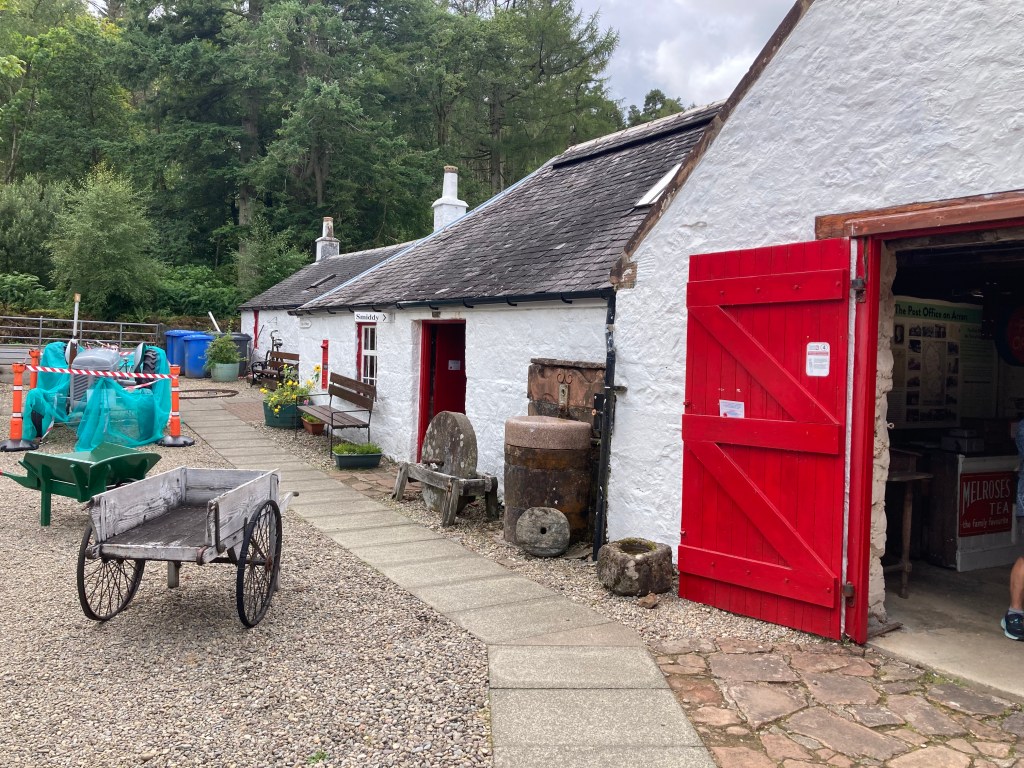
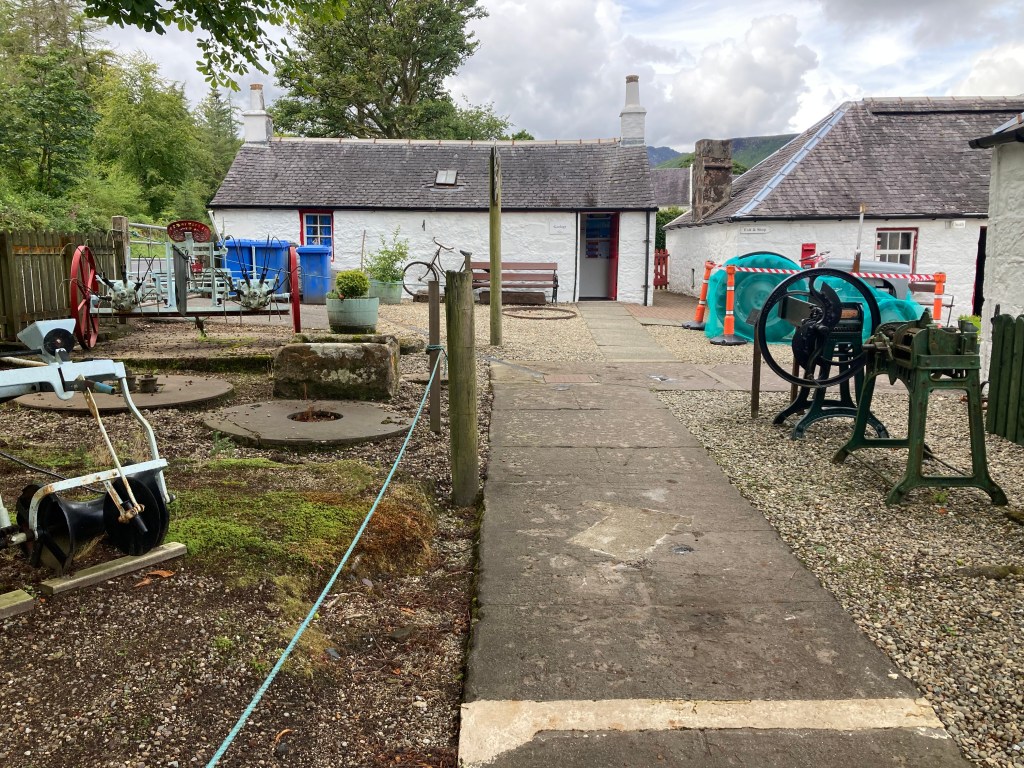
Brodick surprised us with its Arran Heritage Centre, which we thought originally to really just be a tourist shop, but was in fact a delightful low key museum of artifacts and locations showing information on the Islands history. Like a number of “local museums” we have visited elsewhere it’s really well done, supported by local volunteers and with excellent flapjack, cake and tea or coffee, well worth the time to visit.
Which just leaves a couple of Arran anecdotes to share. Once upon a time a post box was needed on the “String Road” across the island, so a stone mason was commissioned and a beautiful post box, now largely redundant of course, was created!!

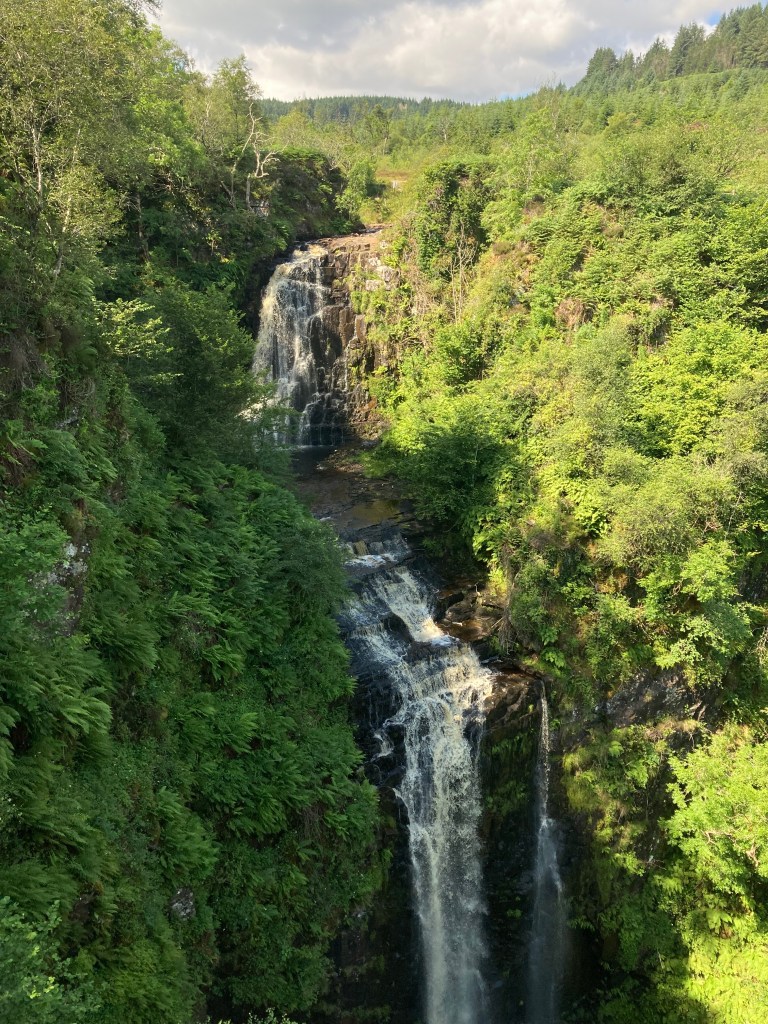
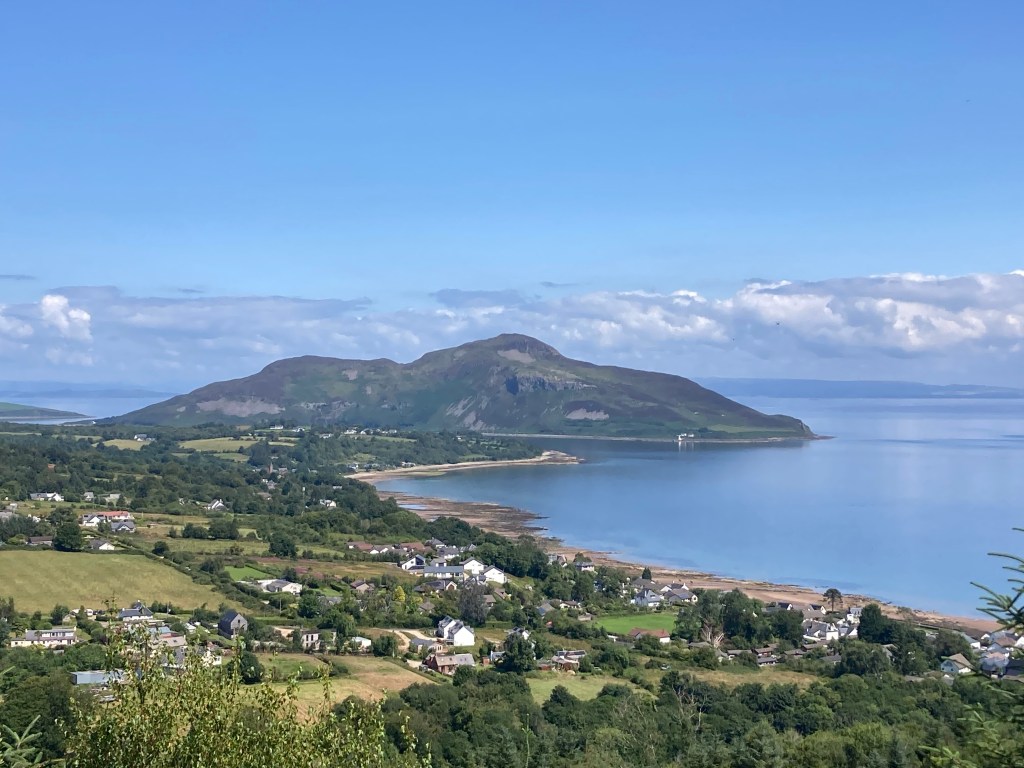
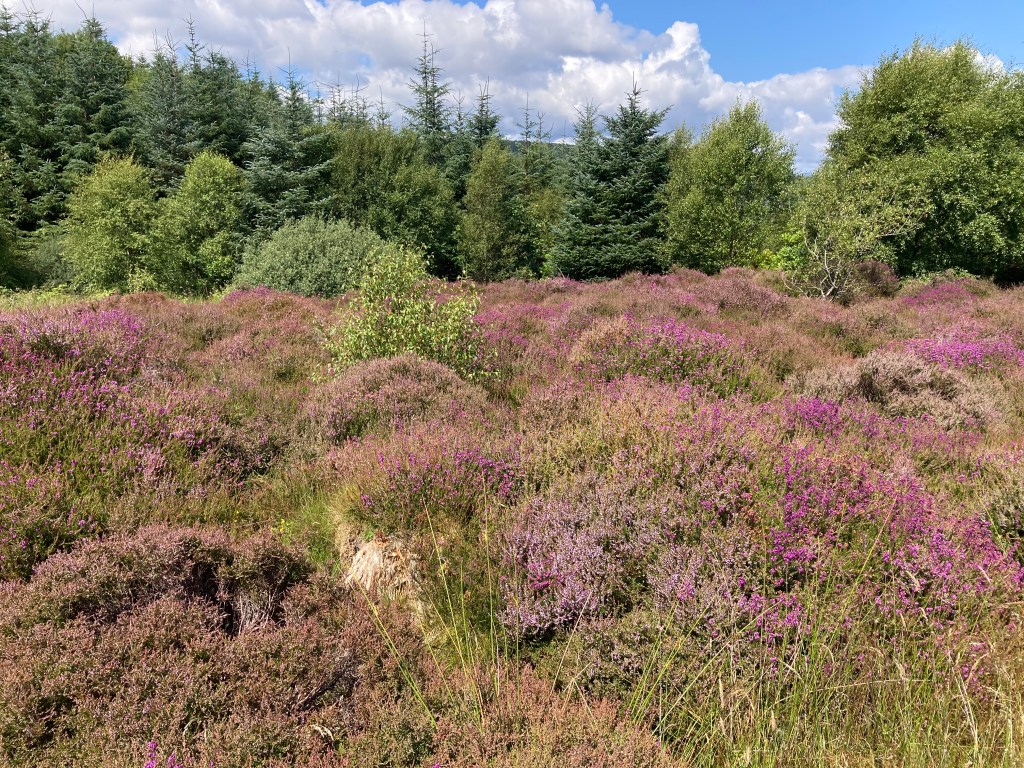

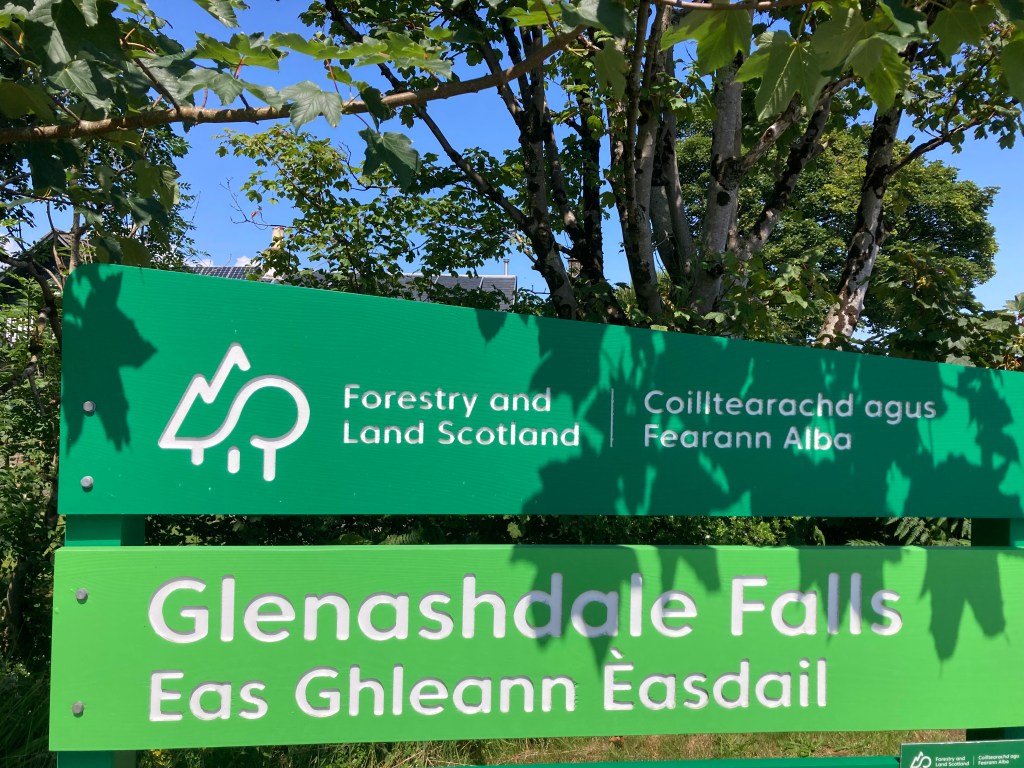
We did another walk up to the Glenashdale Falls, about 6km through a forestry block with some lovely sea and island views from the top. But the best views of the day were on return to our car, parked by the beach, as a pod of dolphins with young slowly swam past, a great end to a lovely time on the Isle of Arran.
 Travels with My Wife