
The county of Dorset sits between those of Hampshire and Devon, from the Jurassic Coast on the English Channel and northwards into the old Kingdom of Wessex . Very rural, rolling green hills, largely agricultural, stunning intriguing coastline and overall very pretty. Its well into the third week of June , temperatures here are on the up, summer may be arriving and we are at the delightful Dorset coastal village of Worth Matravers . From a nearby excellent car park with v clean loos, we have set out on an 8km loop walk(150m of elevation) from the village that takes in a little segment of the South Western Coastal Path that runs 1000kms west from Poole ( Europe’s largest natural harbour), down to Lands End in Cornwall and north up to Minehead in Somerset.
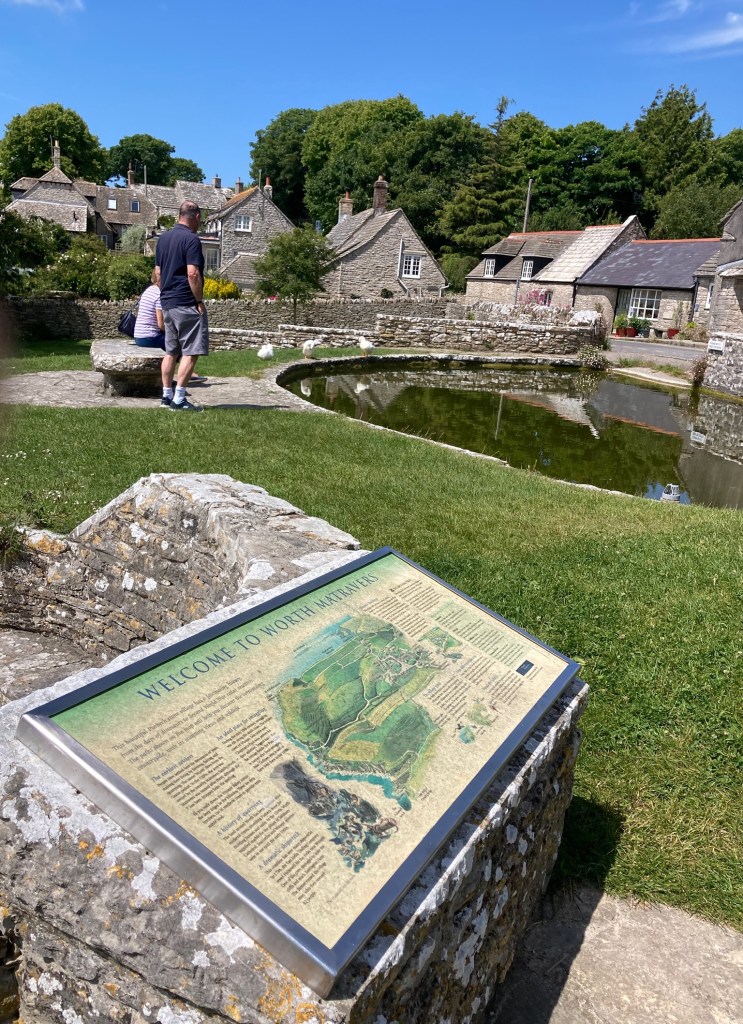

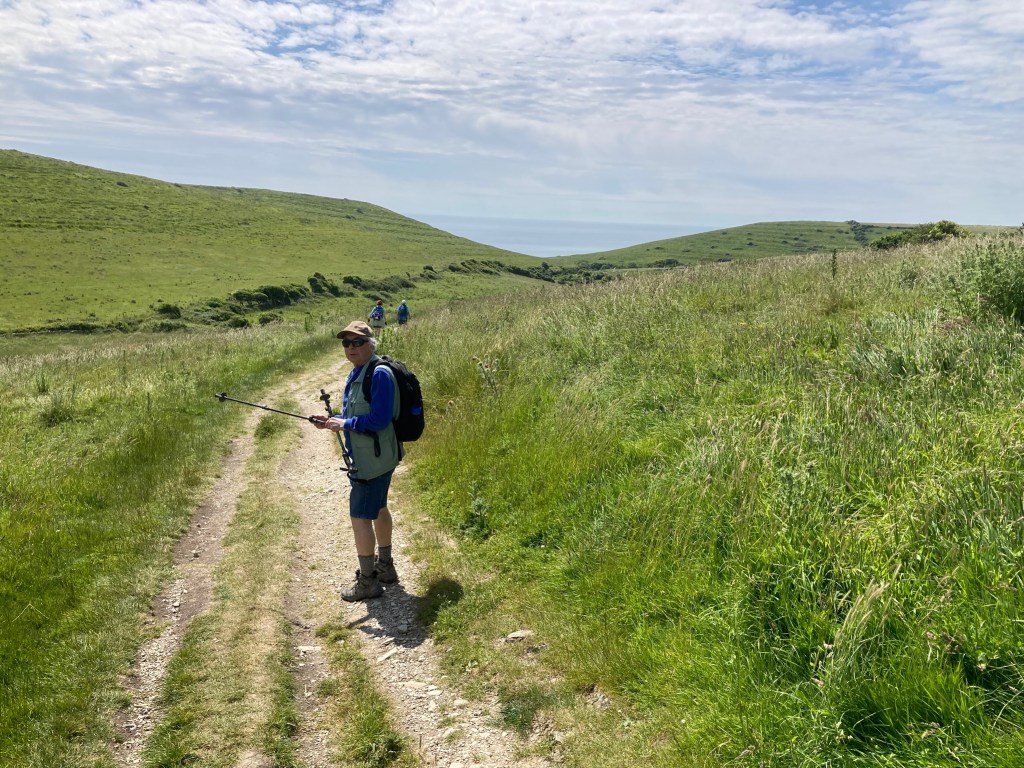
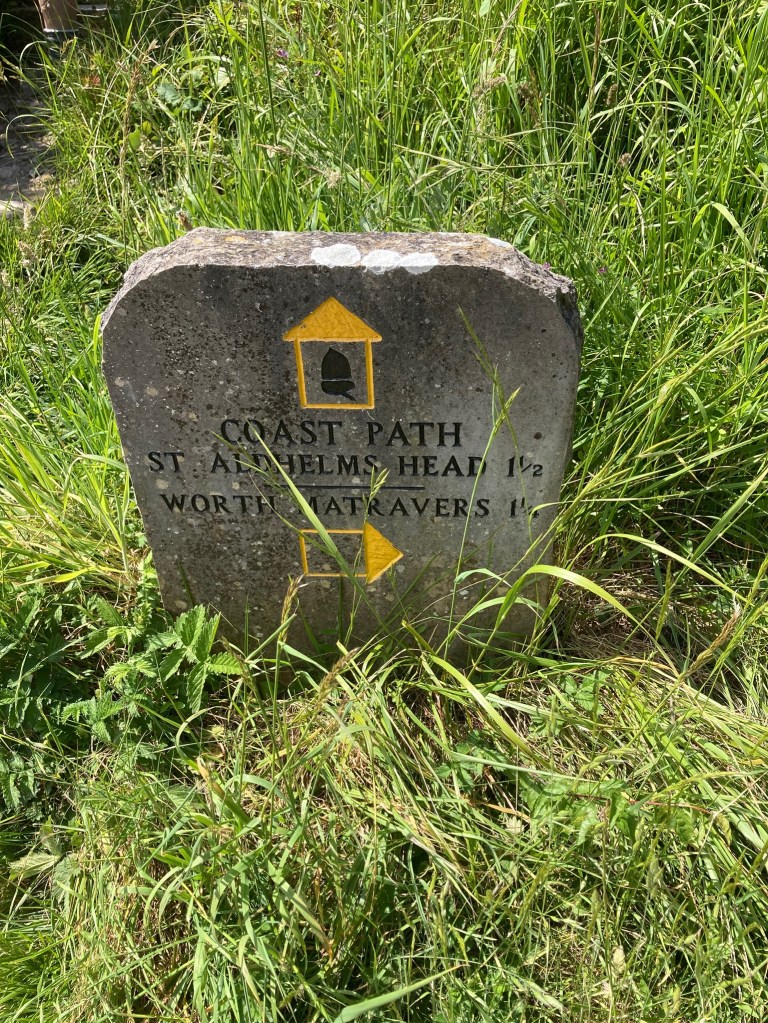
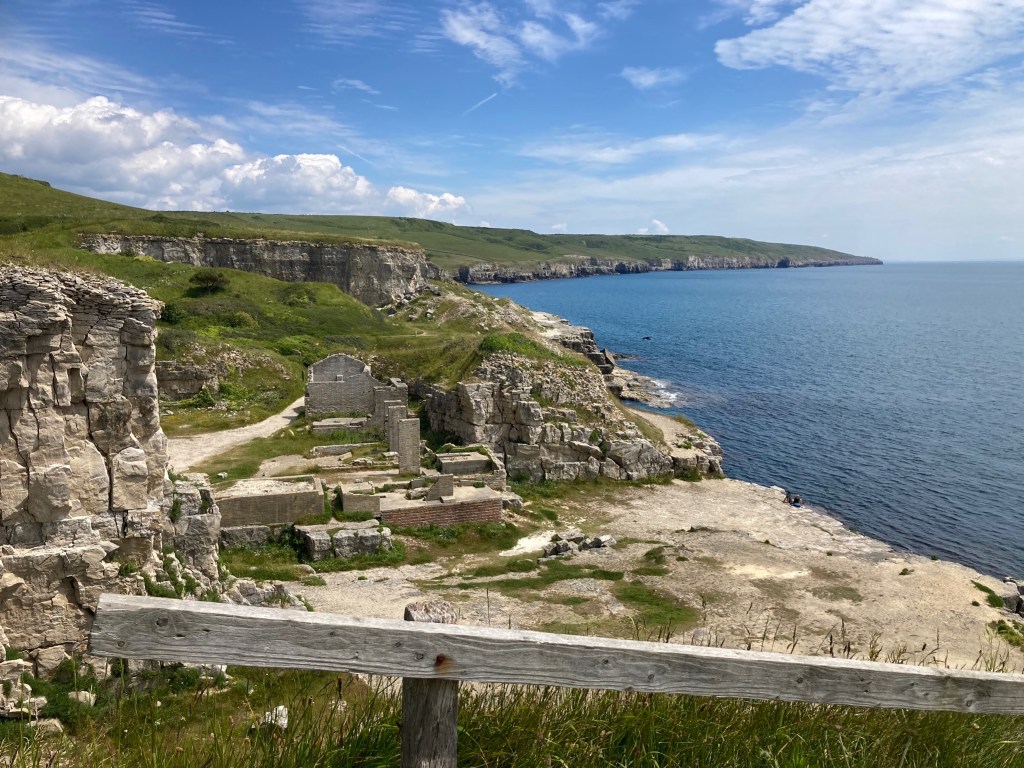
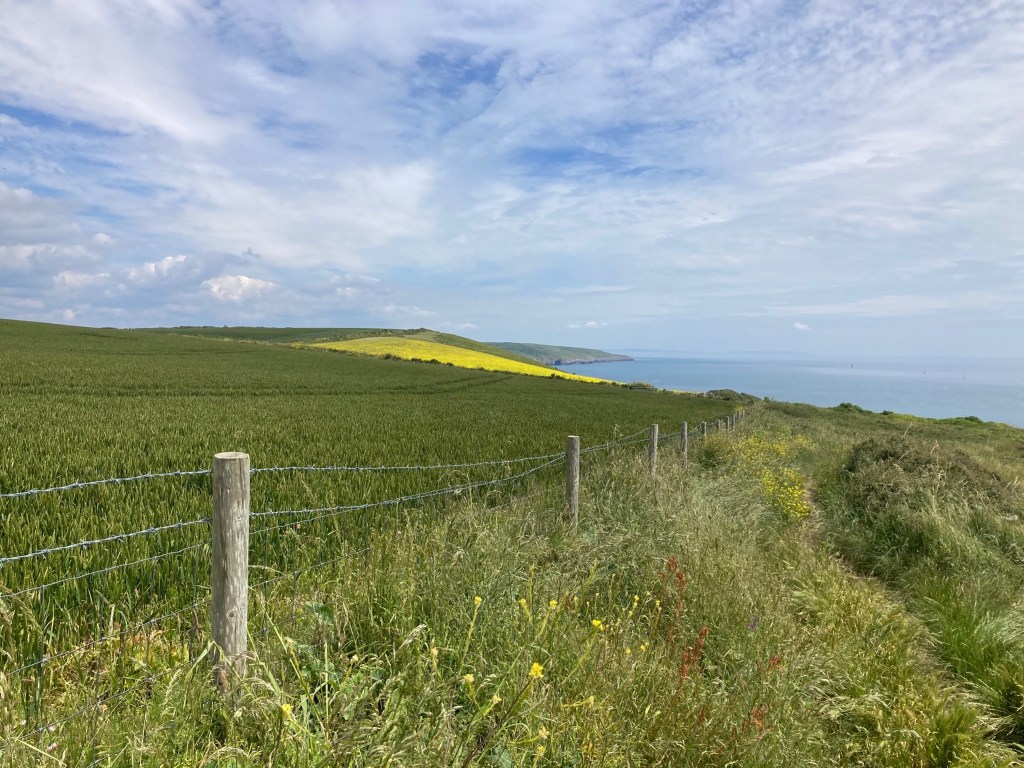
Our morning walk takes us through the village and then onto a path down a valley, disturbing a grass snake en route, to the beach. We meet the Coastal Path from our left ( east side) and climb up to the top of and then along the headland towards St Aldhelms Head – ( the Ordnance Survey App on my phone is excellent) with spectacular coastal views. We can look east back up the English Channel towards the Isle of Wight (out of view with haze) and then westwards across Weymouth Bay to Portland Bill. We find sites of old quarries, and fields of cereals – barley wisps blowing gently in the sea breeze.
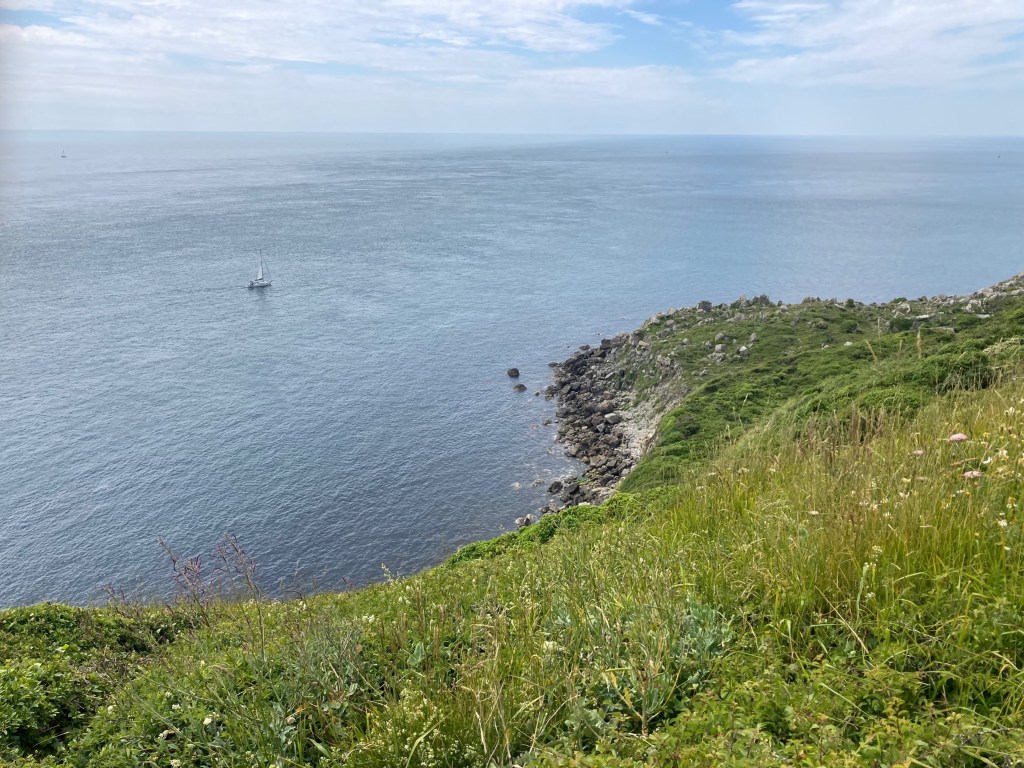
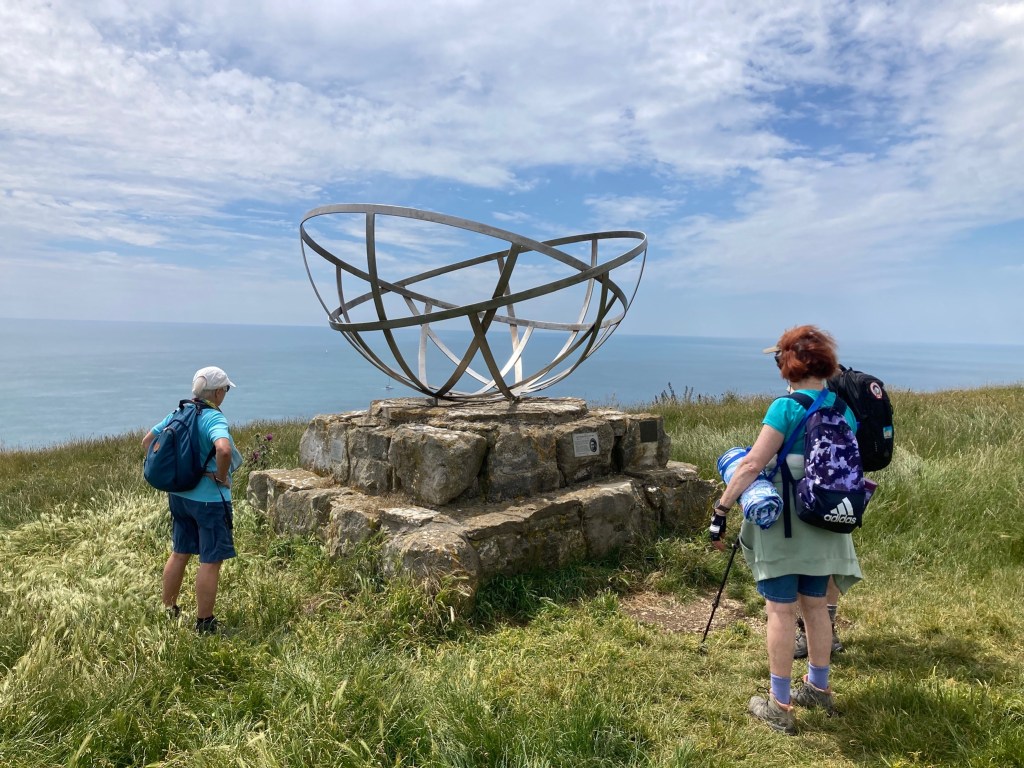
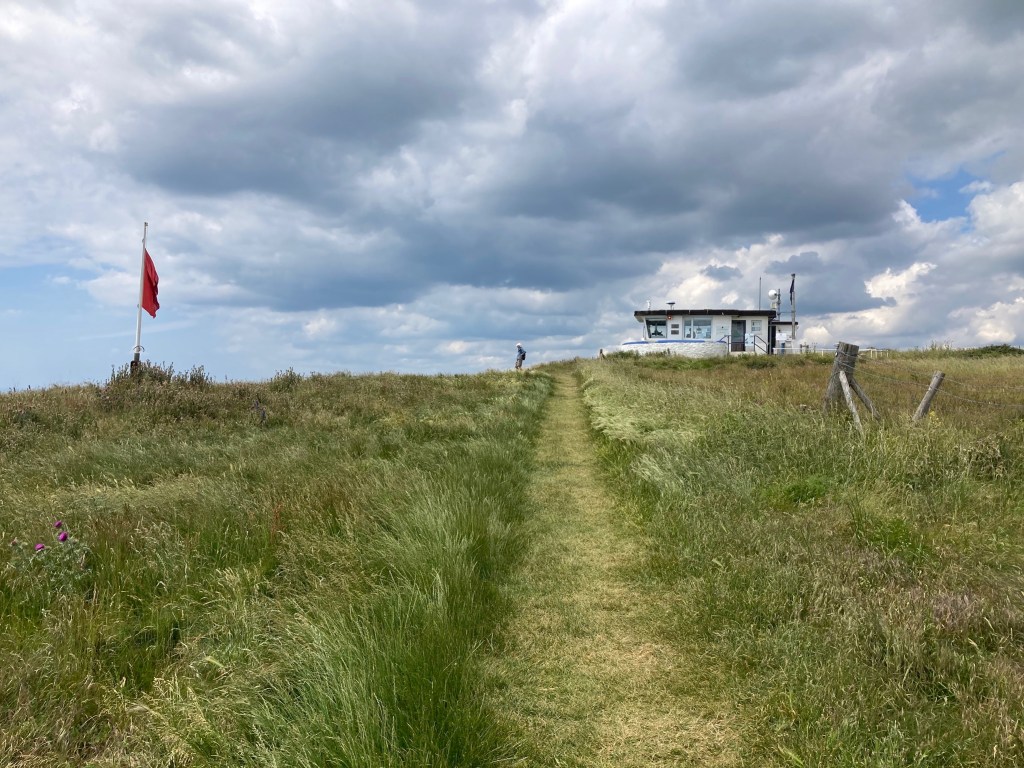
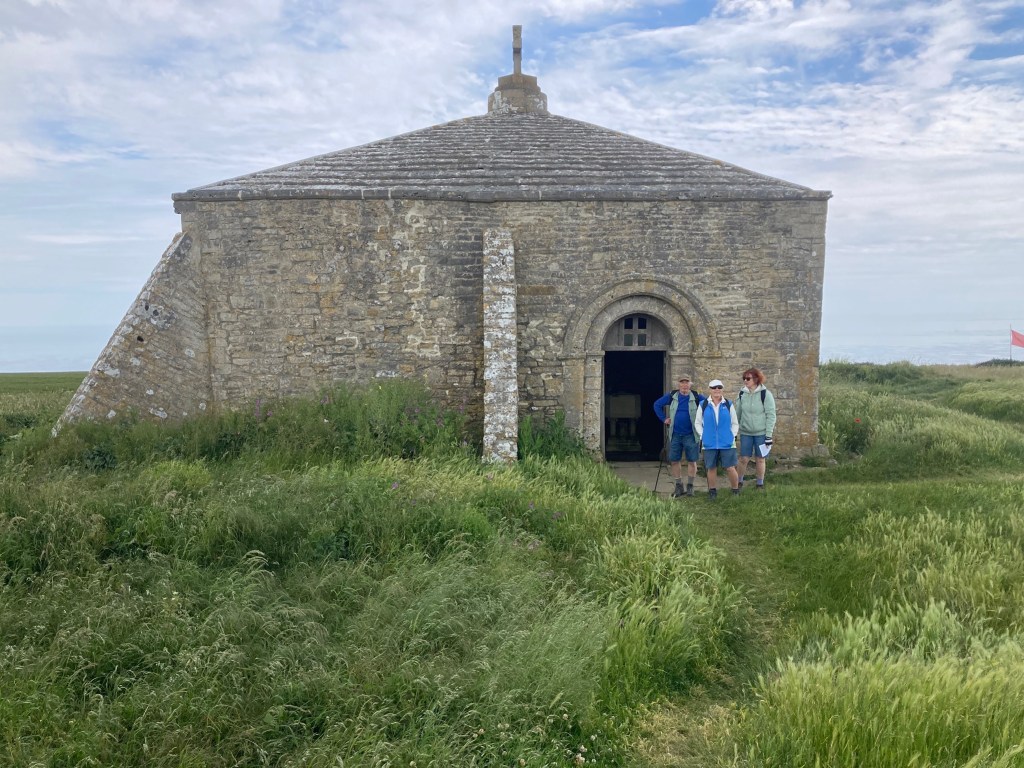
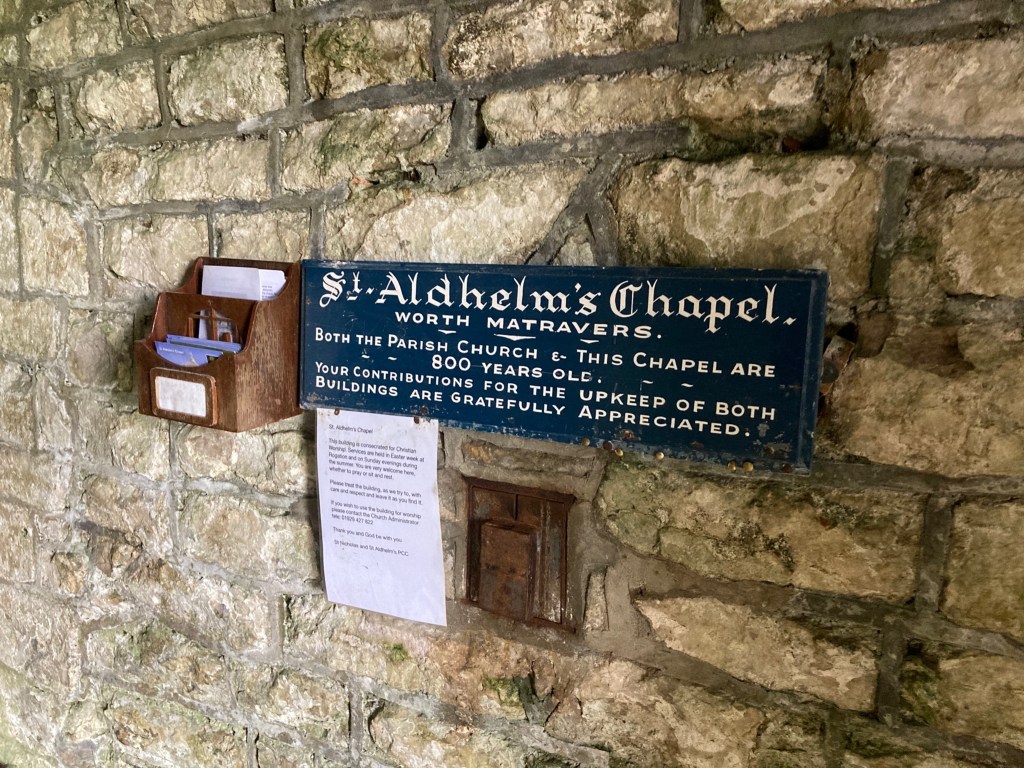
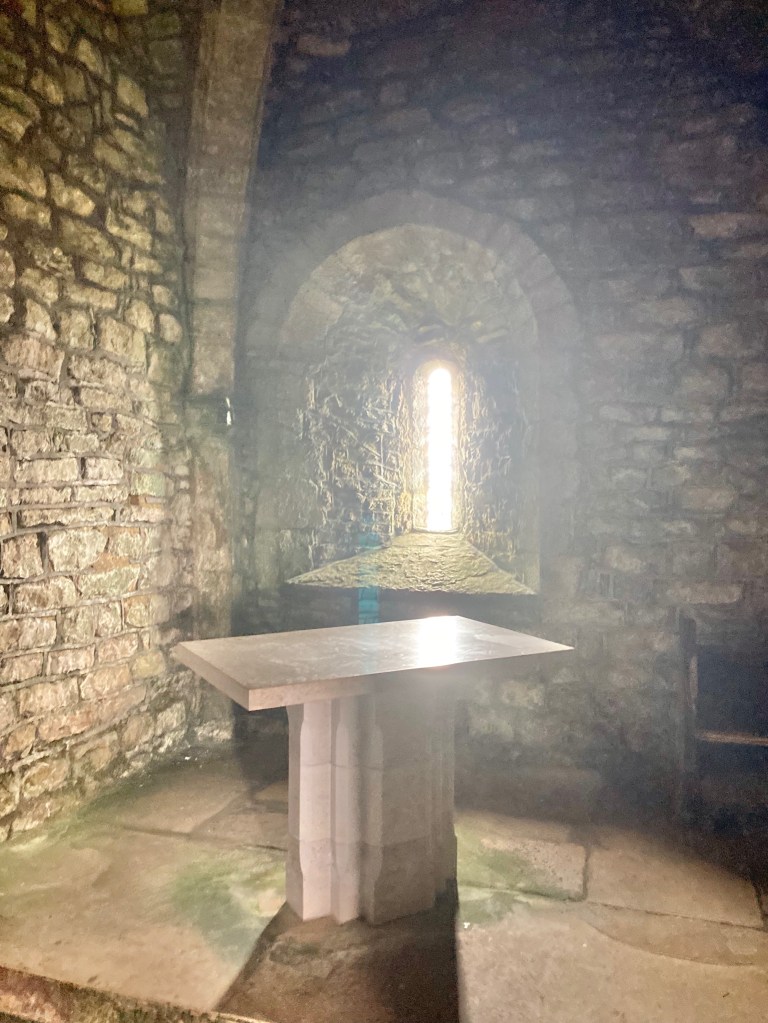
Getting to the top of the headland, we arrive at St Aldhelms Head, its Coastguard Station, a stone Chapel and also a rather striking modern sculptural monument to commemorate a Dr Bill Penley, a key figure in wartime radar development, who lived locally.
At St Aldhelms Head , we have a picnic lunch by the Coastguard Station ( and enjoy a guided tour from the volunteer team there) in the 1990’s the then Government closed many Coastguard Stations around the country, leaving a few to be manned by volunteers reporting to central locations for assistance – helicopters, lifeboats etc. Jolly friendly team and wonderful views – apparently they have to batten down the hatches when it blows a gale.
We get a peek into the unusual St Aldhelms Chapel or more correctly Chantry- where a priest would celebrate mass for the safety of sailors , dating it seems from the 13th century. Its amazing to find a place of worship in such a remote location. Its square, 7.7sqm in area with one tiny “arrow window”, by the altar, with each corner matching the points of the compass. Built of local stone walls with slab stone roof, so typical even today of buildings in this area.
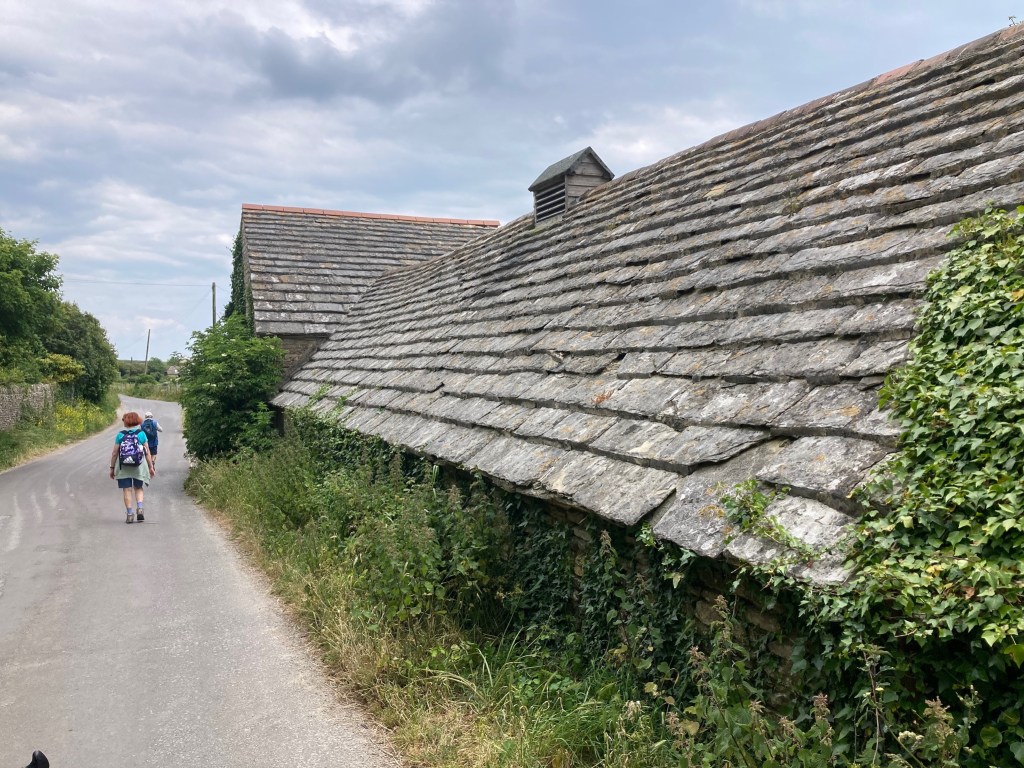
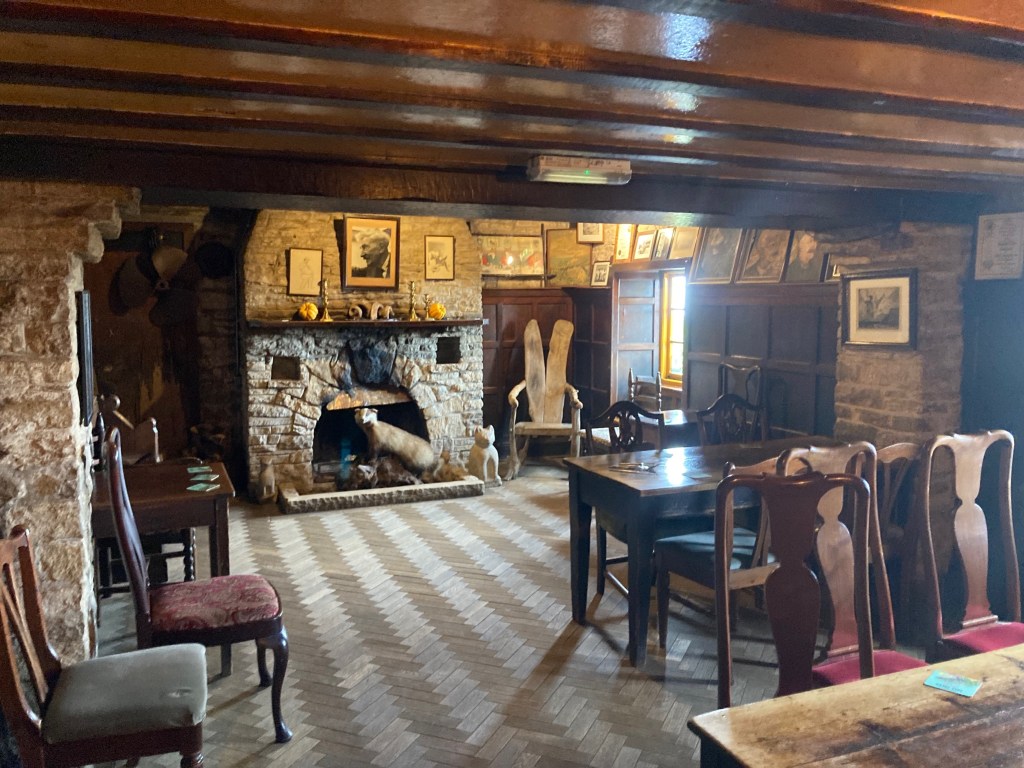
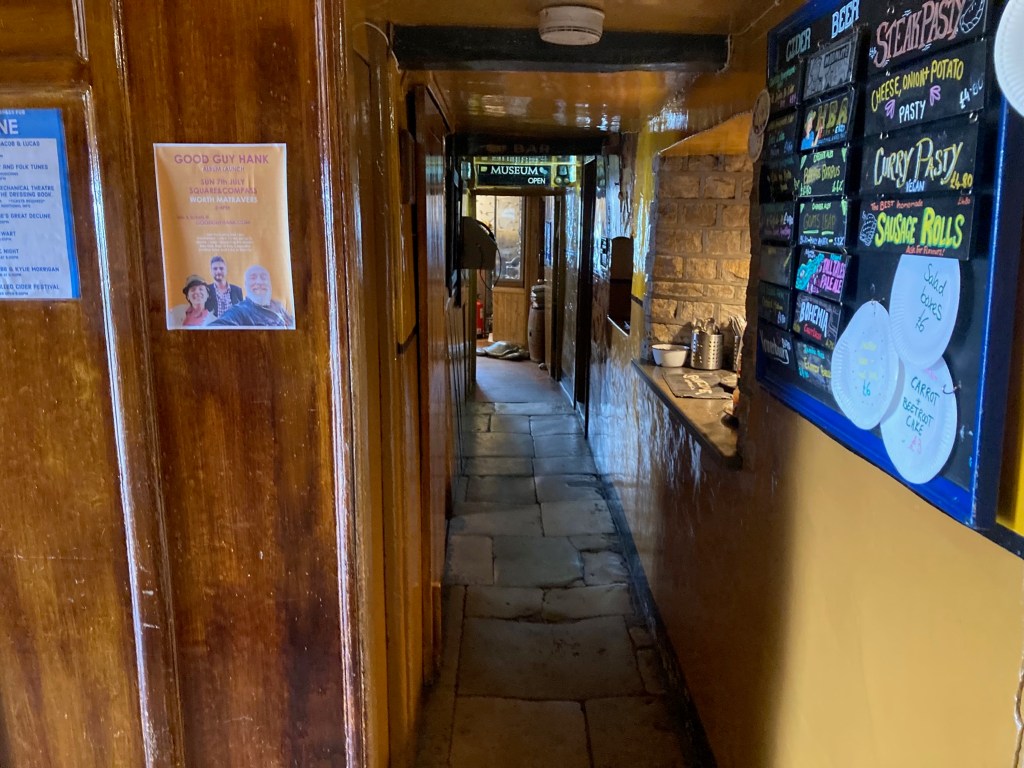
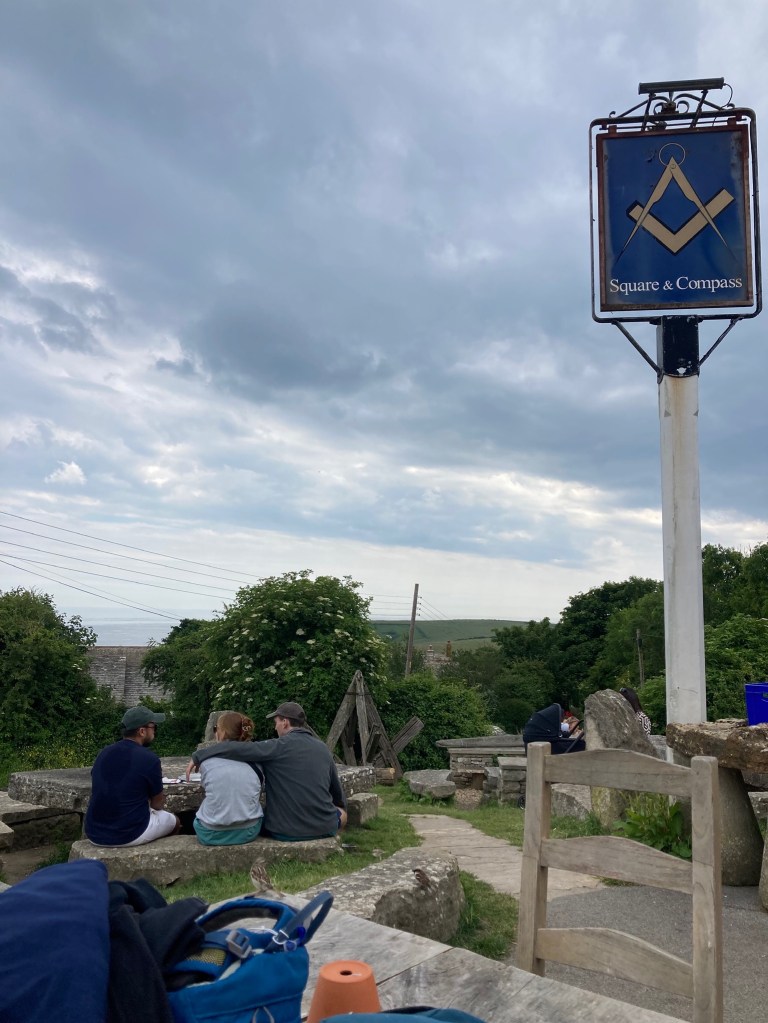
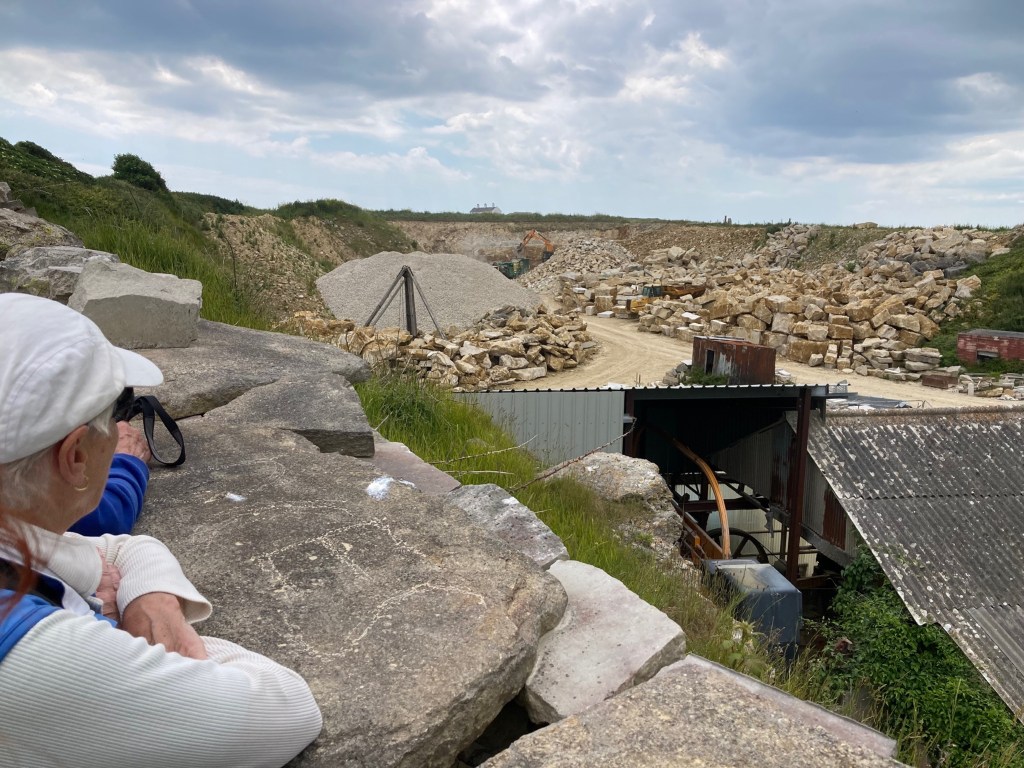
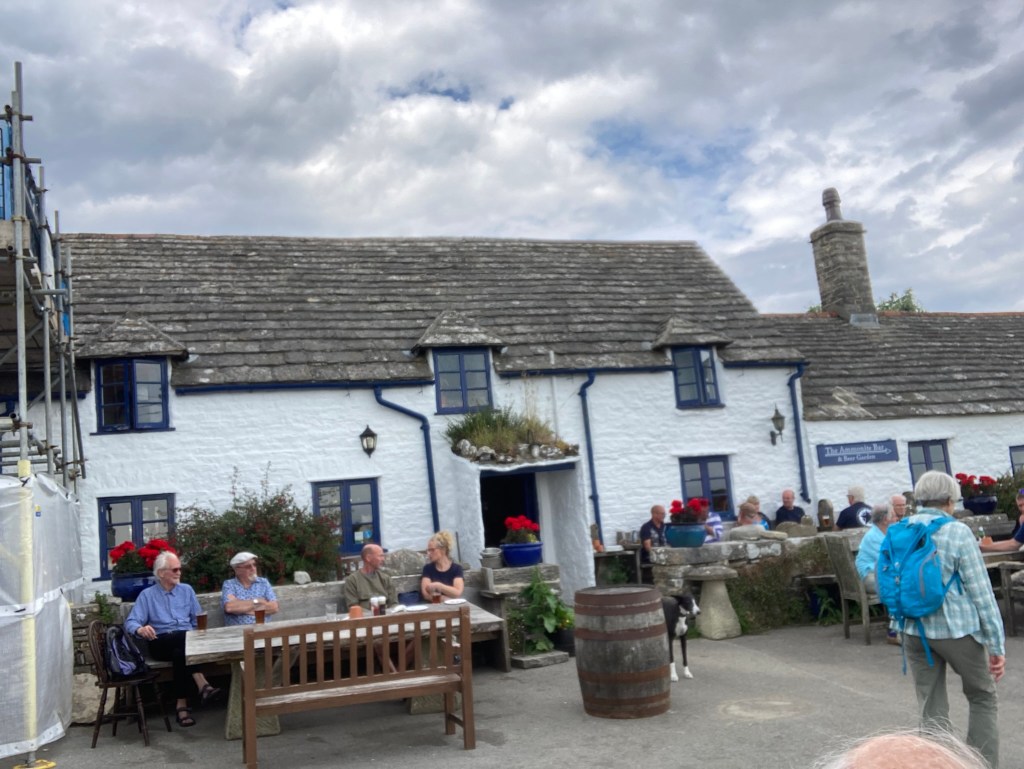
We then walk back to the Worth Matravers village, past working quarries extracting beautiful big blocks of limestone plus crushed stones from the “failed lumps’ and onwards past houses built from the local Purbeck Limestone – to end up at the Square & Compass Pub. A beautiful old building with a small Museum. Inside the rooms are wood panelled, very low ceilings and lower door frames as i found out!! But Ginger beer and local ale, gravity fed, are then much enjoyed with views over fields to the English Channel.
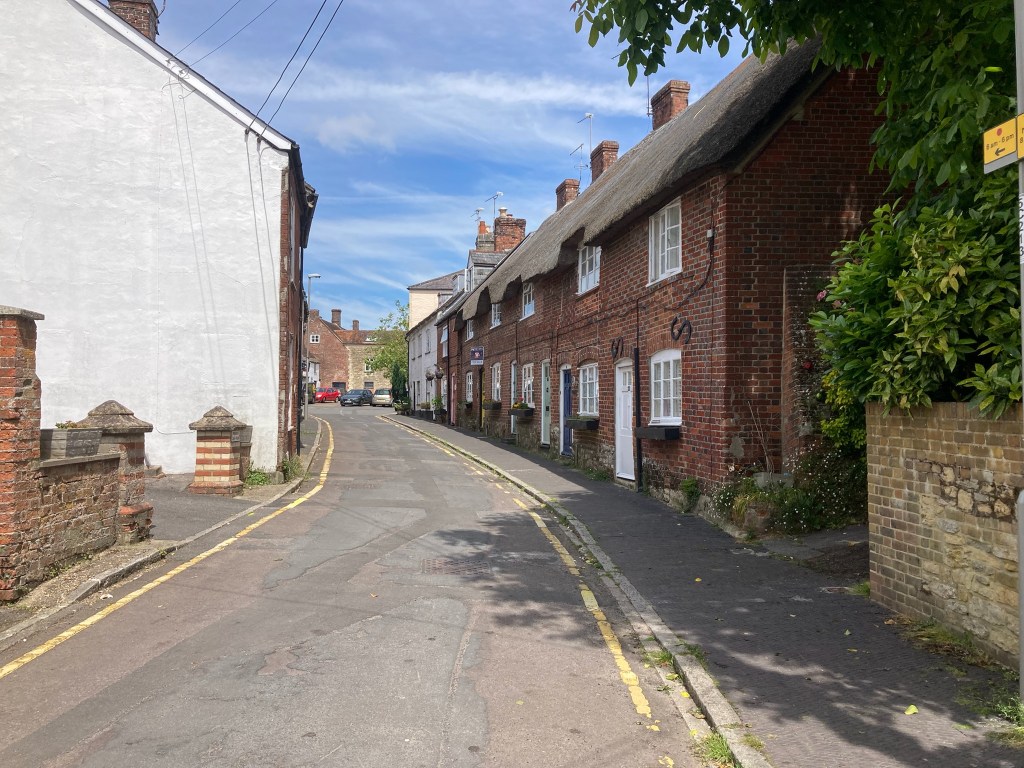
We are staying with old college friends in Sturminster Newton, a town in the north of the county of Dorset, and are getting to see much of this very rural English beautiful part of the countryside and coastline. History abounds here, and is much reflected in the housing, architecture and place names. Inland the villages are a mix of brick, thatch and local limestone but closer to the coast the roofing seems substituted more with stone slabs on housing and farm building roofs.
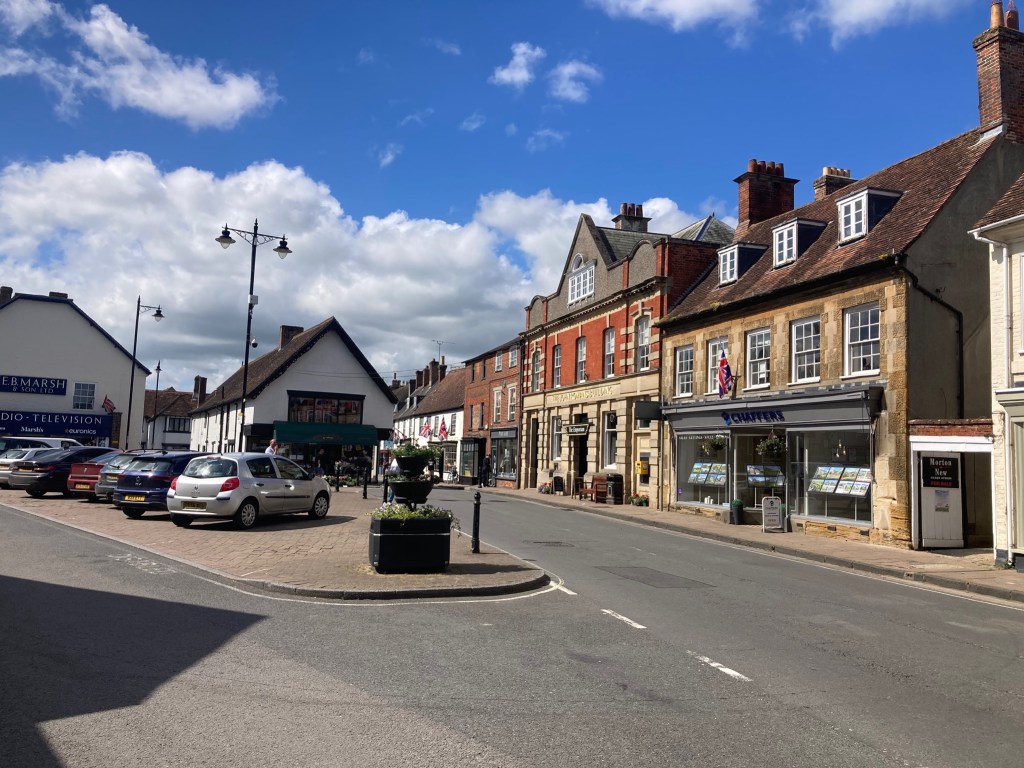
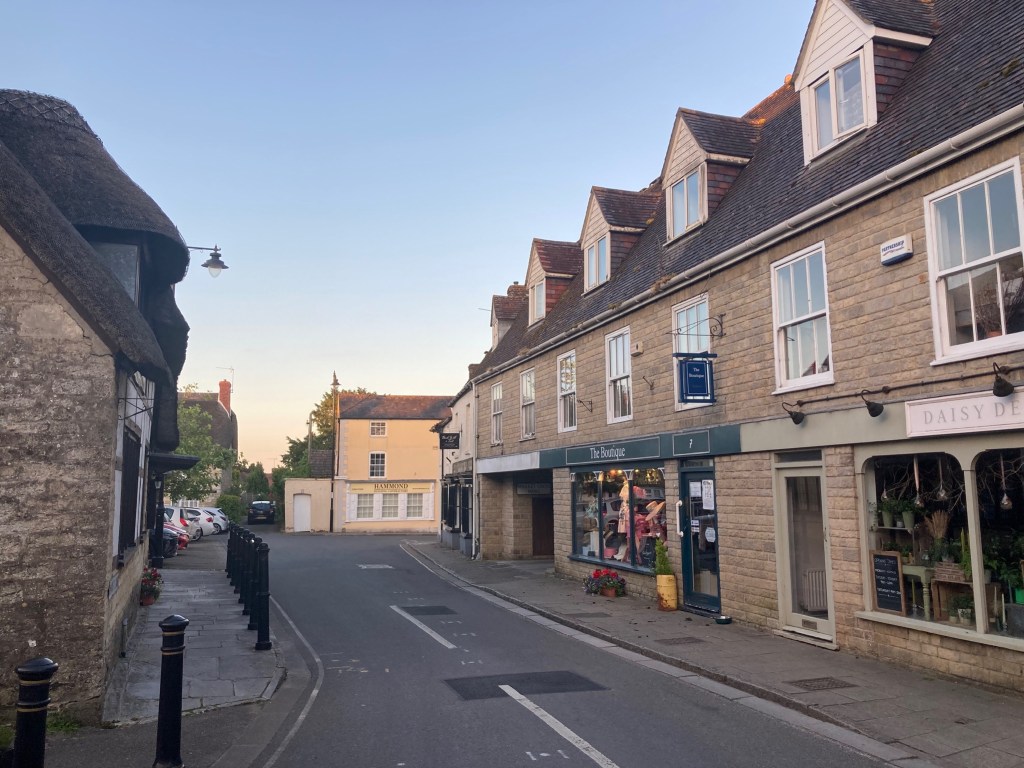
Unlike some of the “film set “villages of the Cotswolds that seem almost “too perfectly chocolate box”, Dorset is very pretty but it’s first and foremost a working county, and the villages are clearly not holiday home/ weekend escapes. There will be some that are holiday homes but the impression is of a working environment, and a lovely one at that.

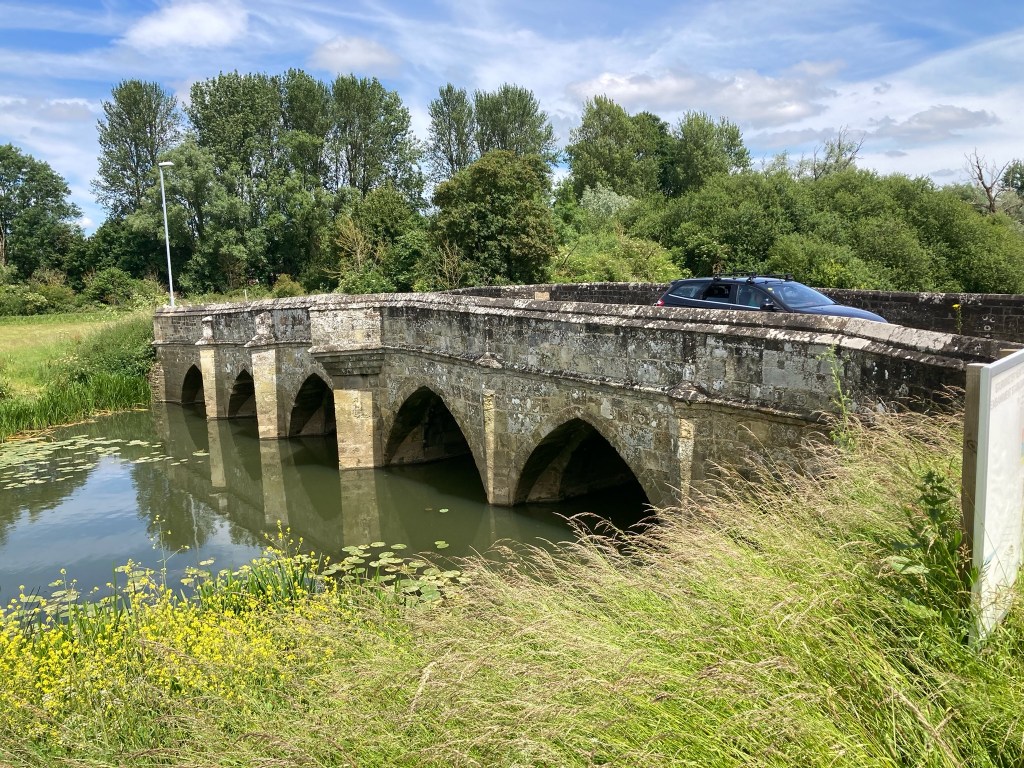
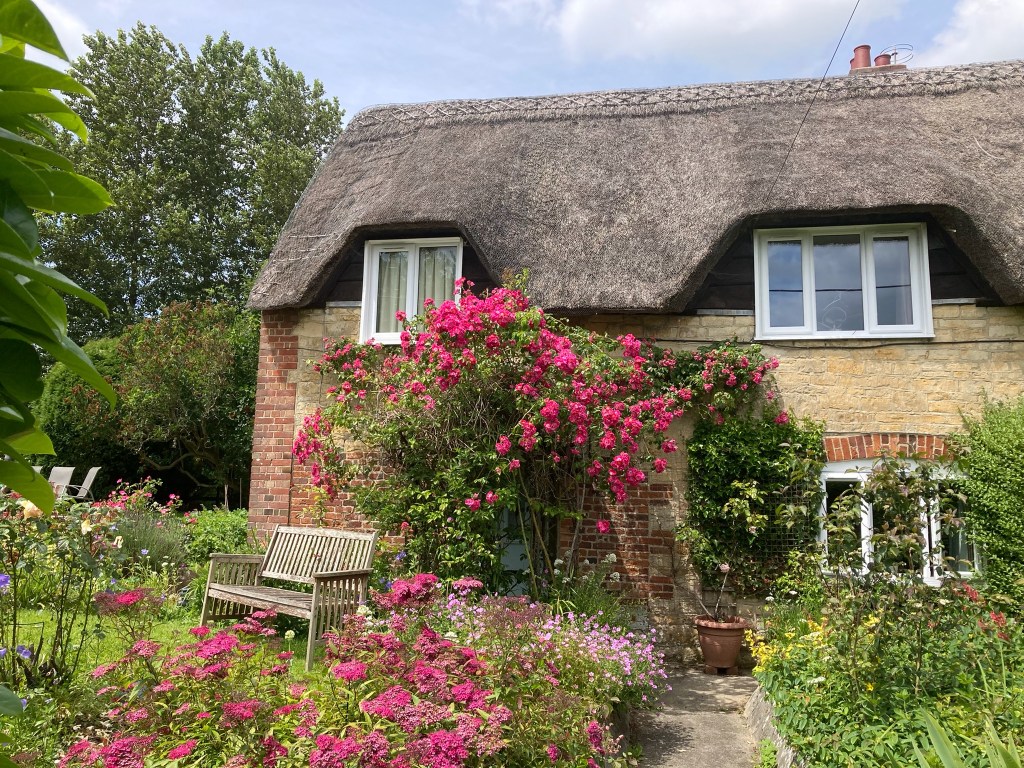
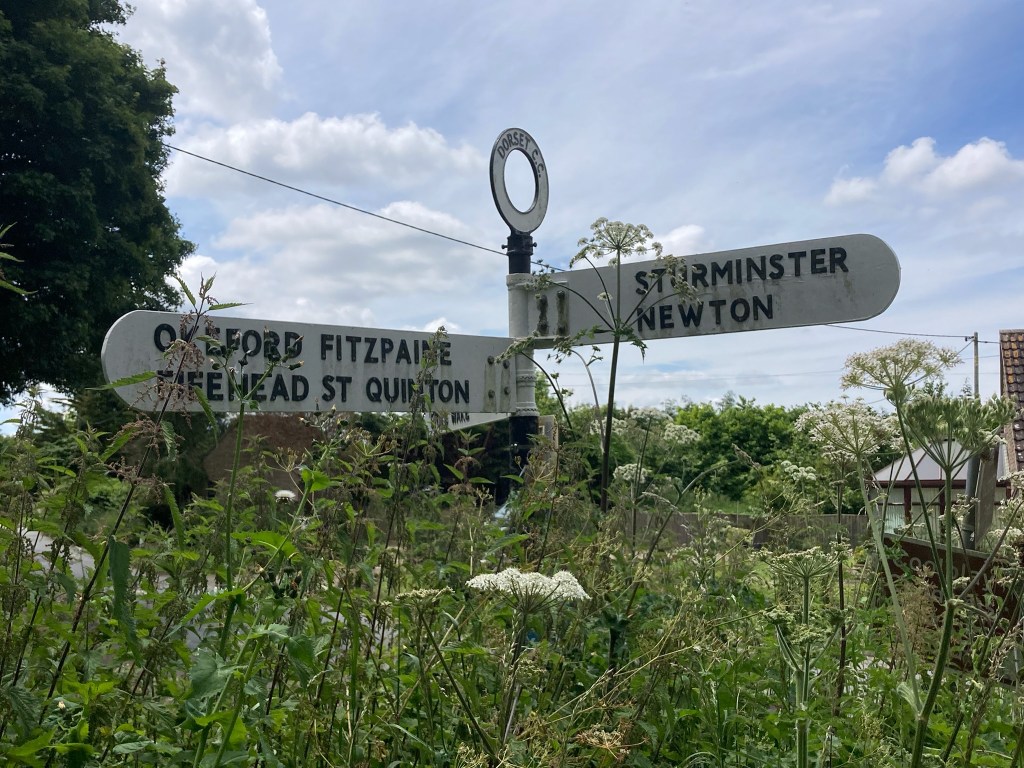
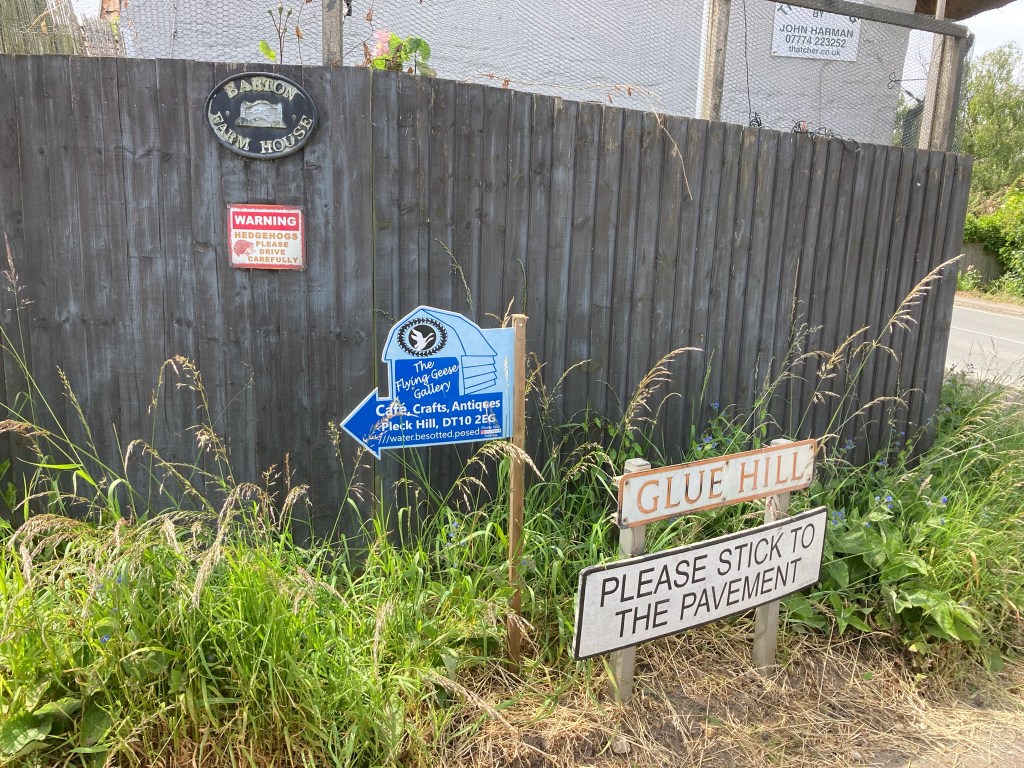
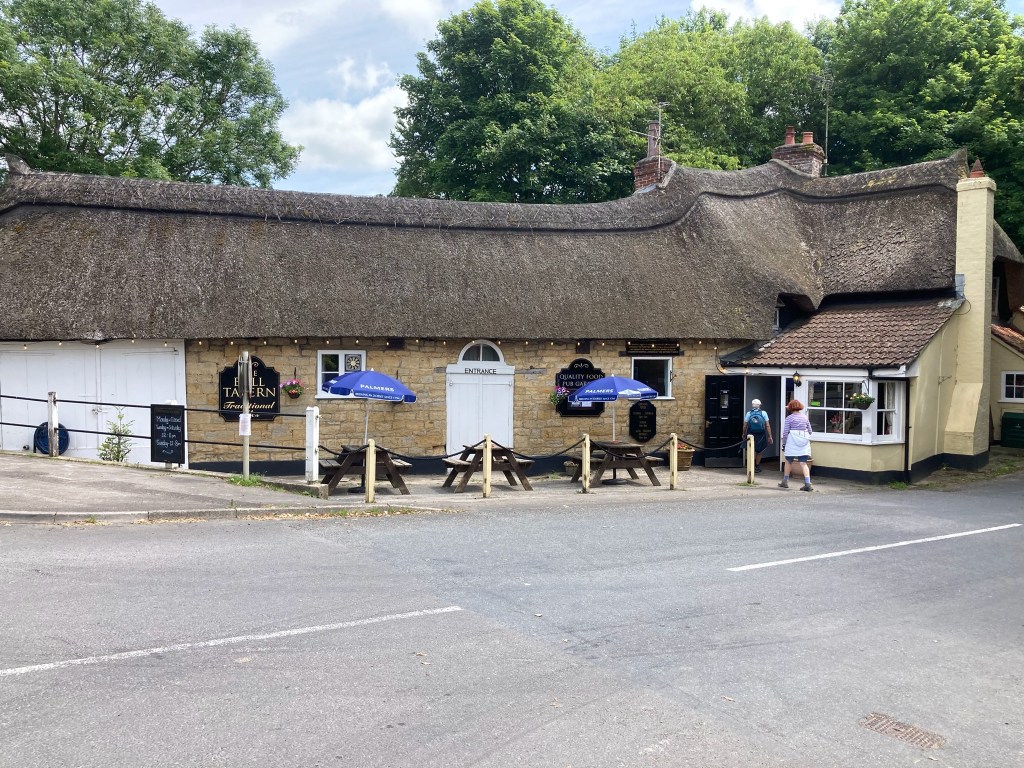
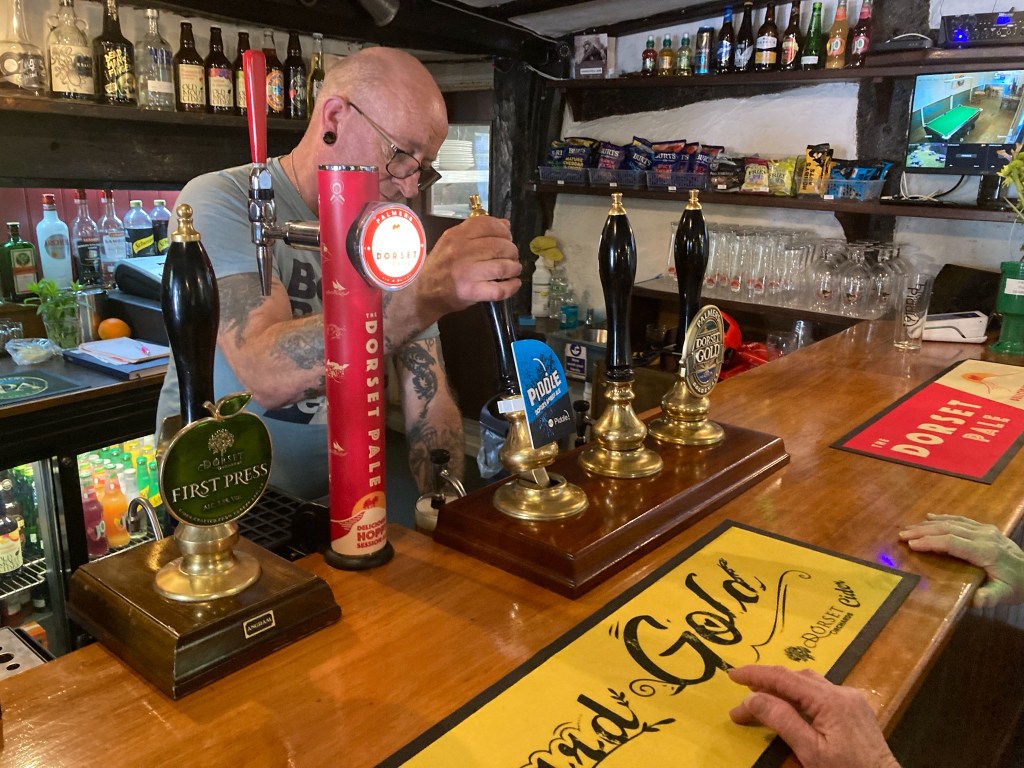
And then we get our Wednesday lunchtime, post ramble, pub – The Bull – “a pint of Piddle” please- and what a super building – yet more v low doorways, some intriguing thatch work with plaster cladding. A table and seats out in the garden to enjoy the warm sunshine with tractors rumbling past, trailer loads of grass going one way and manure the other way – the longest day ( June 20th) is imminent and farming is in high gear.
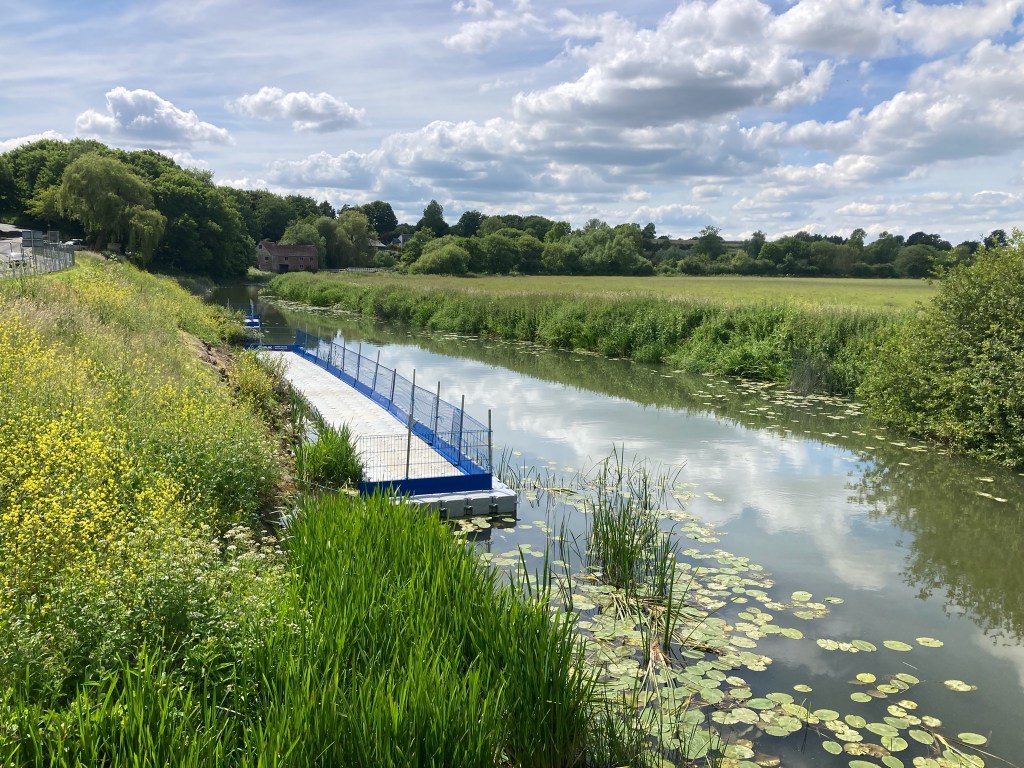
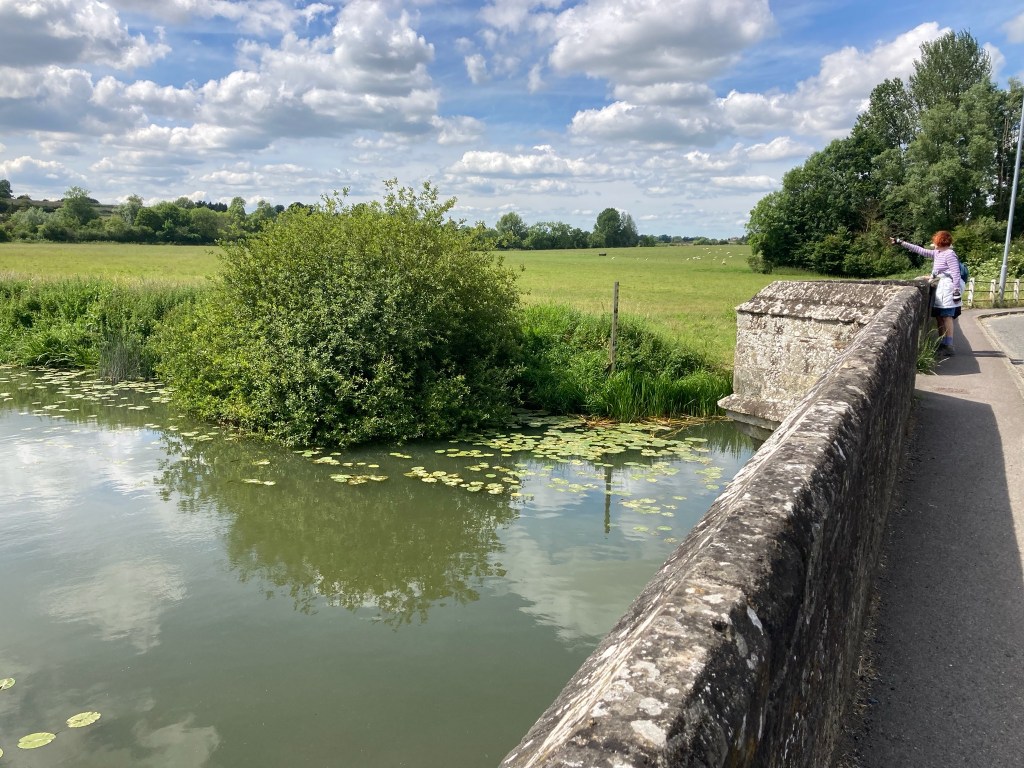
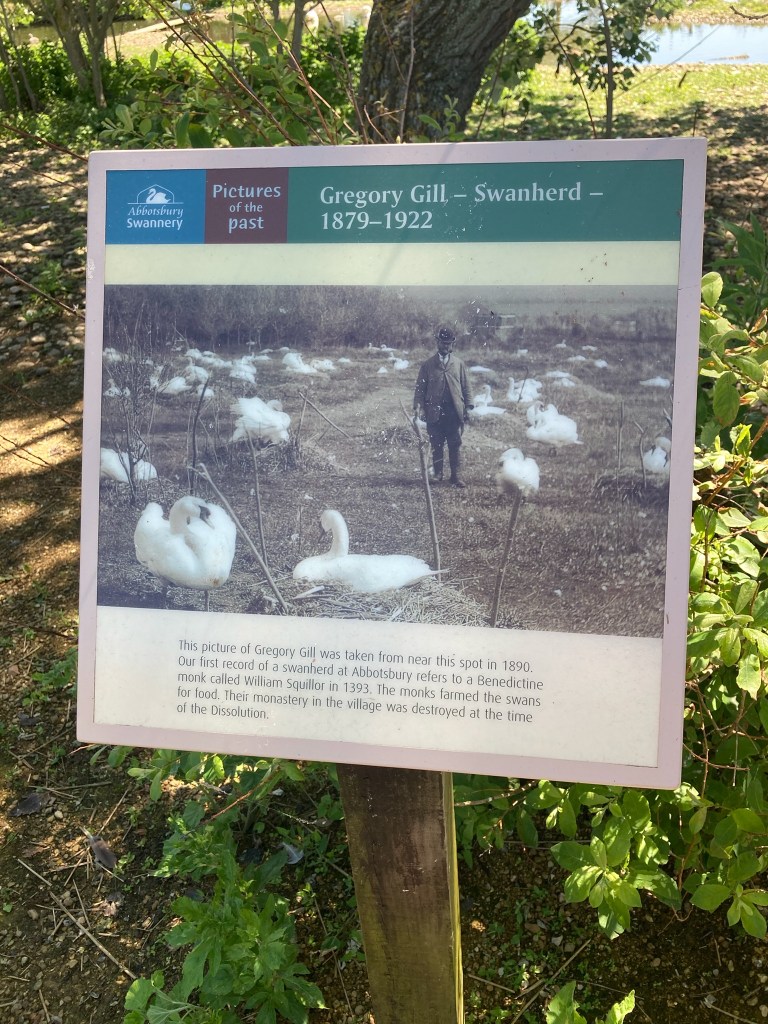
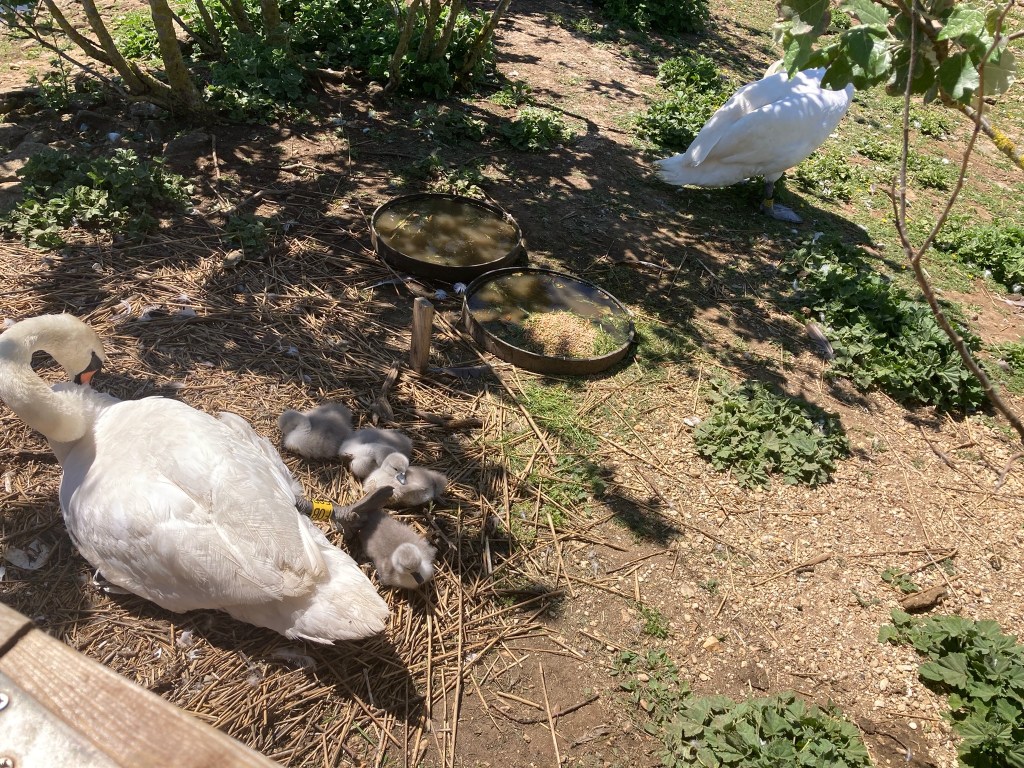
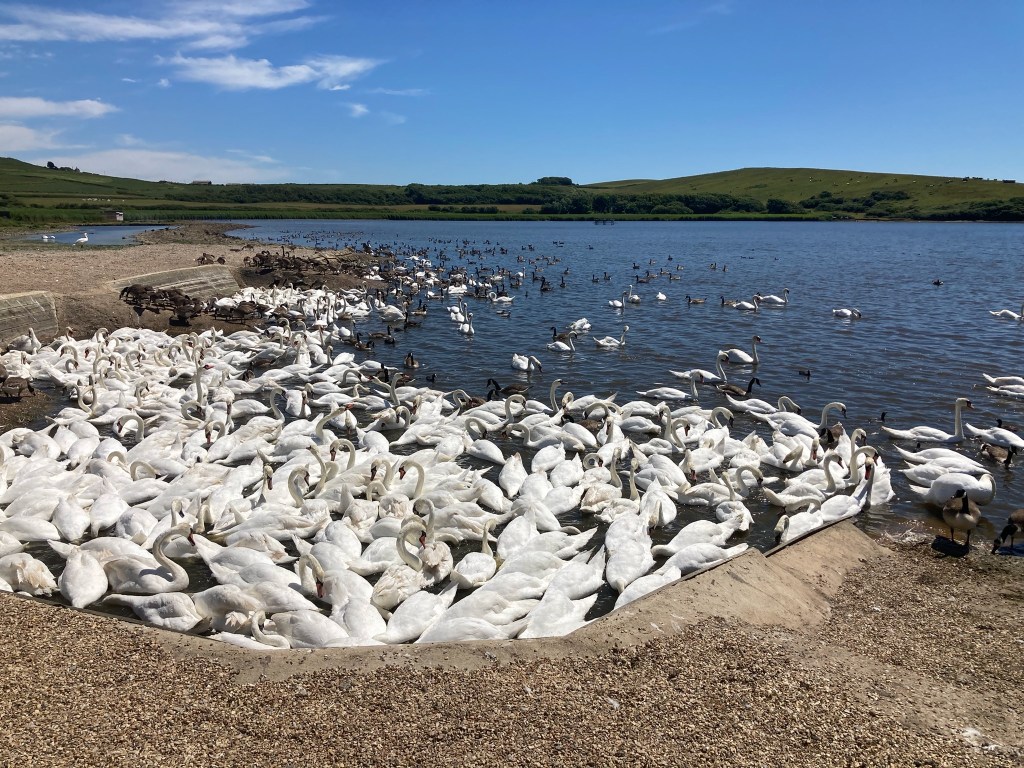
Thursday brings more sunshine, warmer again and we are off to the coast to the ancient Swannery at Abbotsbury, its nearby sister Tropical Garden with views down and along Chesil Beach towards Portland Bill. The Abbotsbury Swannery, created by monks for a source of protein and feathers for quill pens, is about 800 years old. It sits behind Chesil Beach and uses the northerly end of the “Fleet” a lagoon with an unique mix of fresh water issuing from the limestone springs and sea water at the southerly end. The Fleet was used by Barnes Wallis in WW2 to experiment with “bouncing munitions”. Today its home to thousands of Mute Swans, Canada Geese and other wild fowl, who are fed and looked after by the team at the Swannery.
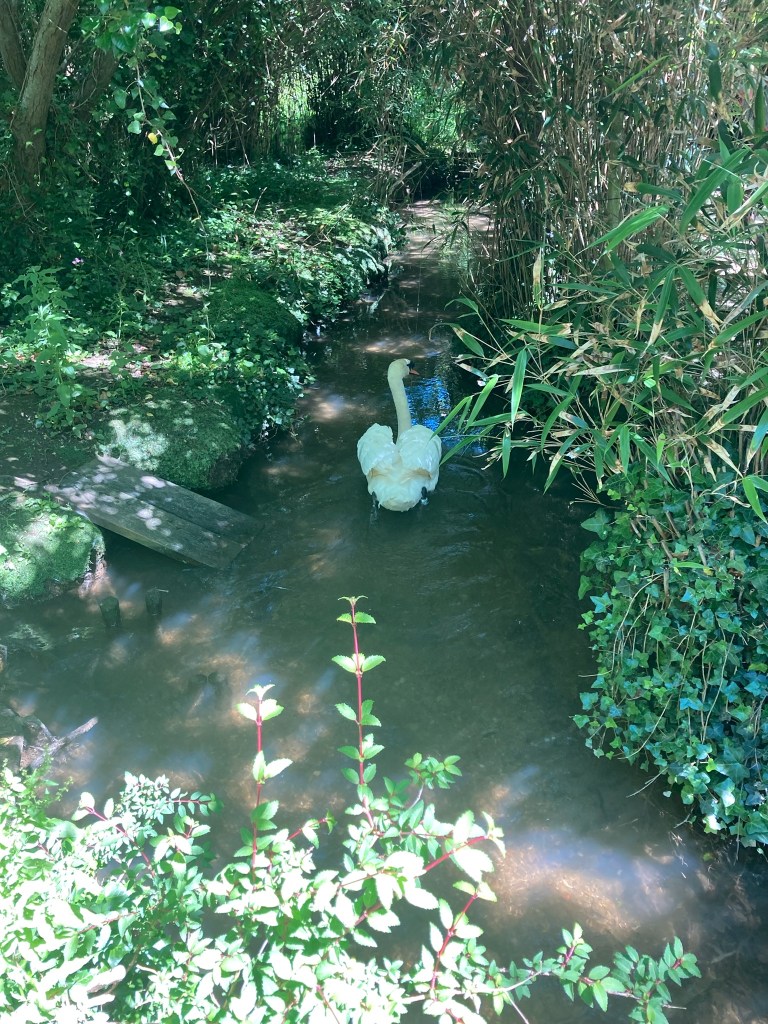

The Abbotsbury Tropical Gardens are lovely, we have missed the best of the rhododendron displays but its still lovely and a cool shady place to enjoy. Perhaps the best bit is the viewing point looking south down Chesil Beach and then west out across Lyme Bay. Interestingly a collection of ancient cannons are sited at this view point, with a pretty steep ascent to get to this view point, manning these cannon would have been a back breaking task.
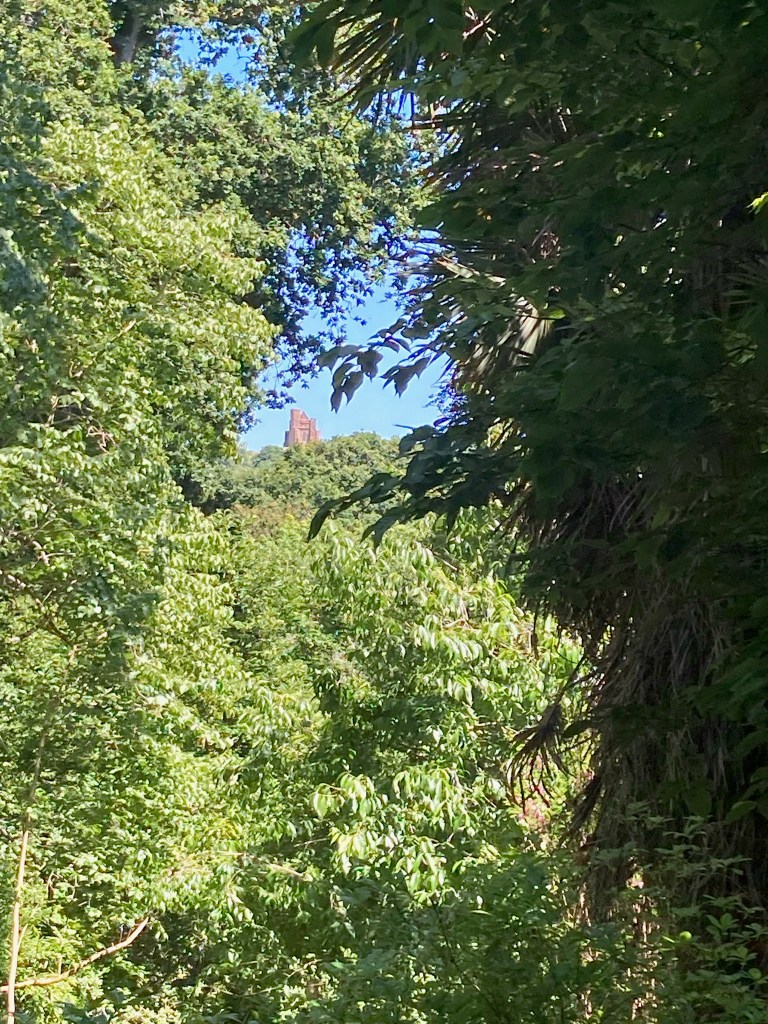


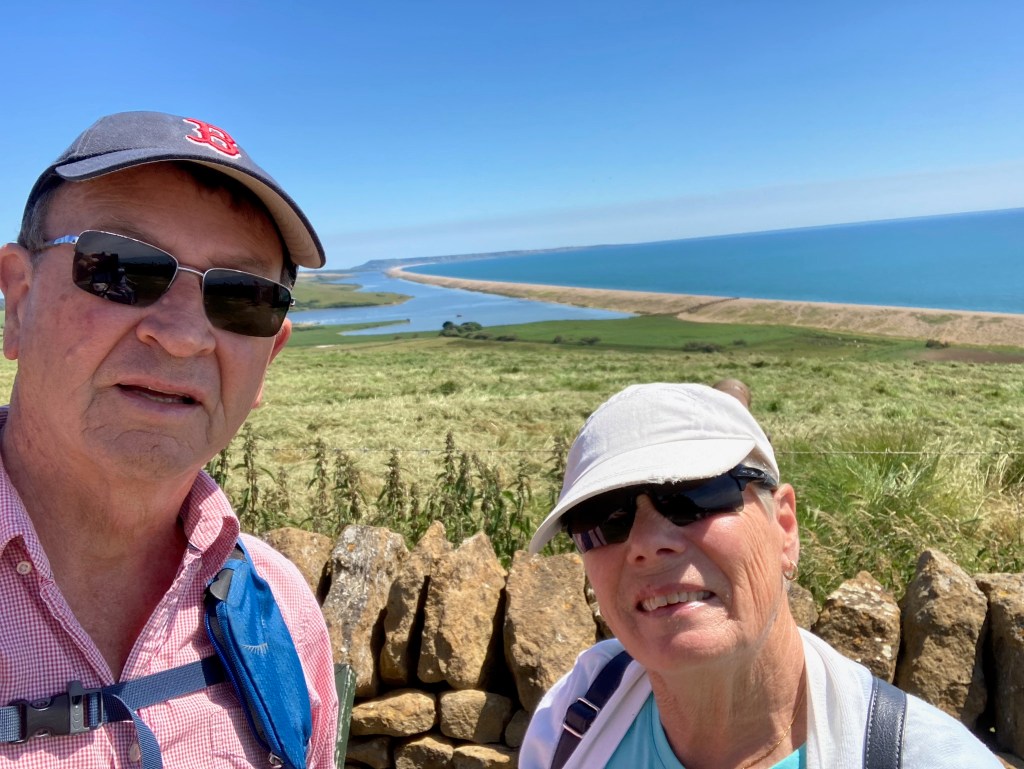
The views are beautiful. Chesil Beach or Bank is about 29km in length and up to 15m in height. We are told that westerly storms in the area can be vicious, with waves breaching the top of the Bank on occasions due to the shape of the subterranean floor of Lyme Bay. The area is home to many ship wrecks, and was very much a smugglers coast. Apparently the size of the stones making up Chesil Beach change along its length, thus smugglers operating at night would know where they were on the Beach when landing, and Customs and Excise officials – not locals – were at a disadvantage.
Dorset Part 2 follows……………..
 Travels with My Wife
Hi Sue and & Peter
Thank you for your news and beautiful photos âthey make me want to visit.
My new email address as from 1 July 2024 is trishcraven@outlook.co.nz. I canât put a diversion on this email address as my email address is part of the sale process.
Warm regards to you both and I hope you keep having a wonderful time.
Trish xx
Trish craven
LikeLike
Looks amazing can’t wait x
LikeLike