
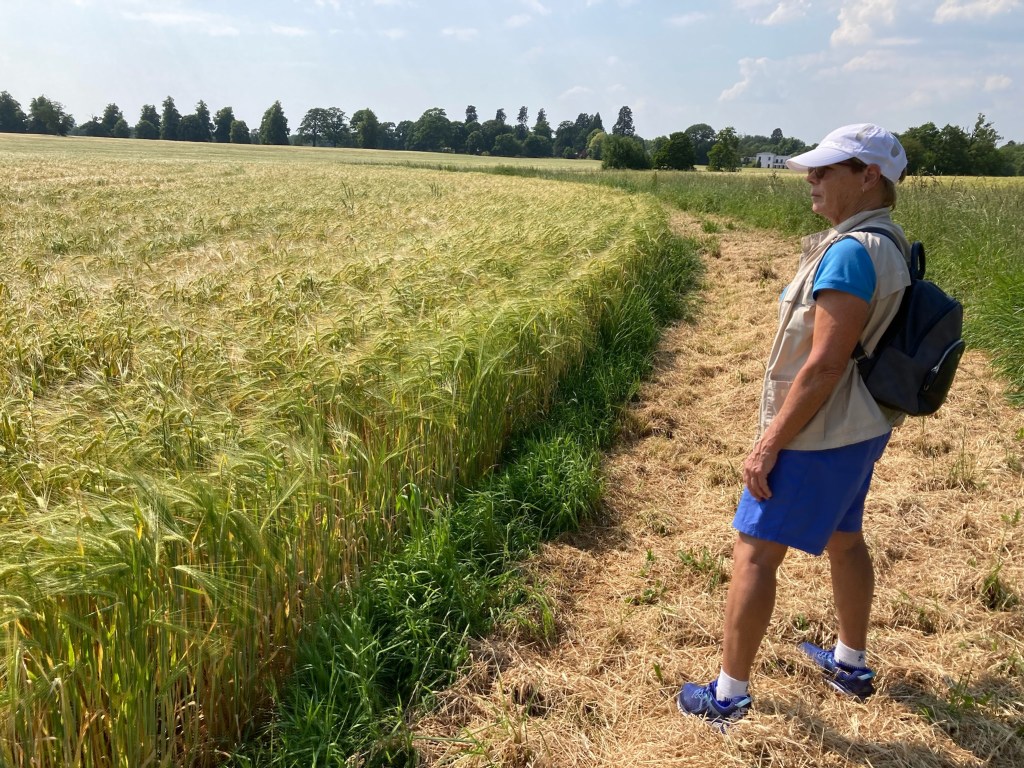
Its the middle of June, summer heat, and we are in north Shropshire countryside. Very rural, agriculture is king, cereals – barley & wheat – growing in most fields from rich dark red soils and everywhere we see the wonderful massive red sandstone walls that have stood the test of many centuries.
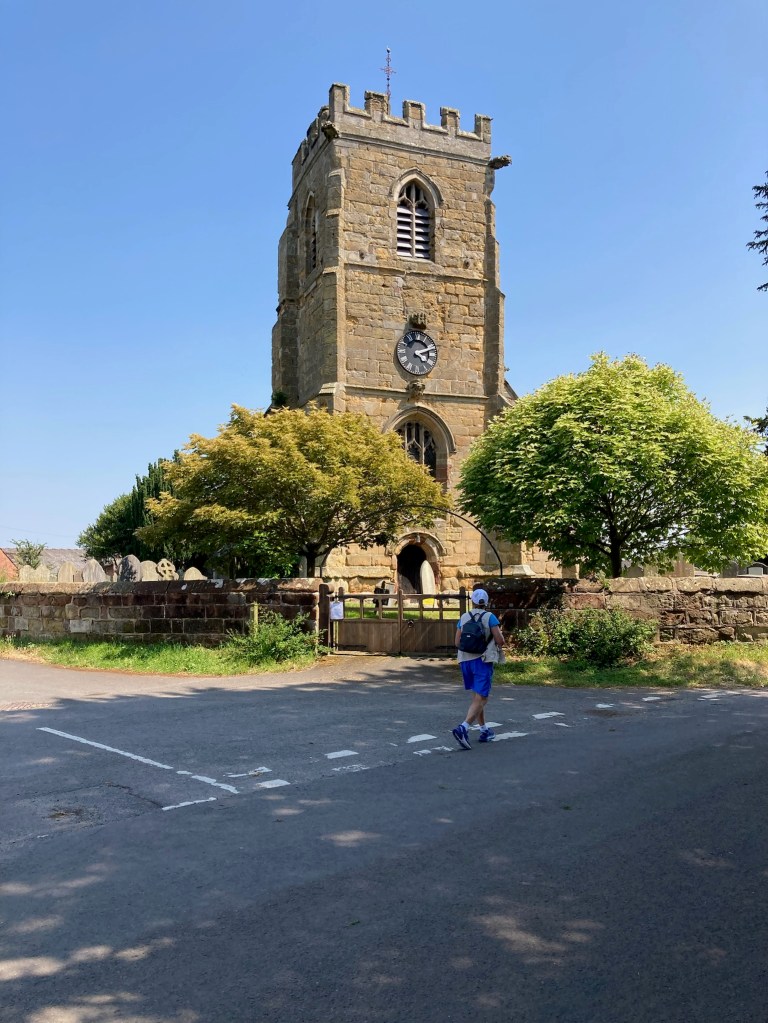
Loppington is a pretty village, a ten minute drive from where we are staying but unlike our village of Lyneal ( Lyn – ee- al), it has a cross roads with pretty pub – Dickins Inn, lovely village church of St Michael and All Angels and the village shop- Granvilles.
We are about an hour south west of Manchester or south of Liverpool, and similarly north west of Birmingham and the ‘Black Country” of the Midlands. But we seem to have stepped back decades, very little traffic, no aeroplanes overhead – magpies, cuckoo, wrens in the trees and hedgerows, mewing hawks circling overhead.
With the early heat of summer the hedgerows, brambles and stinging nettles have gone beserk, cramping in on the already narrow country lanes. We are going on one of the many walks available in the area – 5km or thereabouts, but the stinging nettles across the stile taking us across the first field, causes a rethink and we instead use a country lane for the first bit of the walk. Nevertheless in the first 1km of our walk we meet just one car.
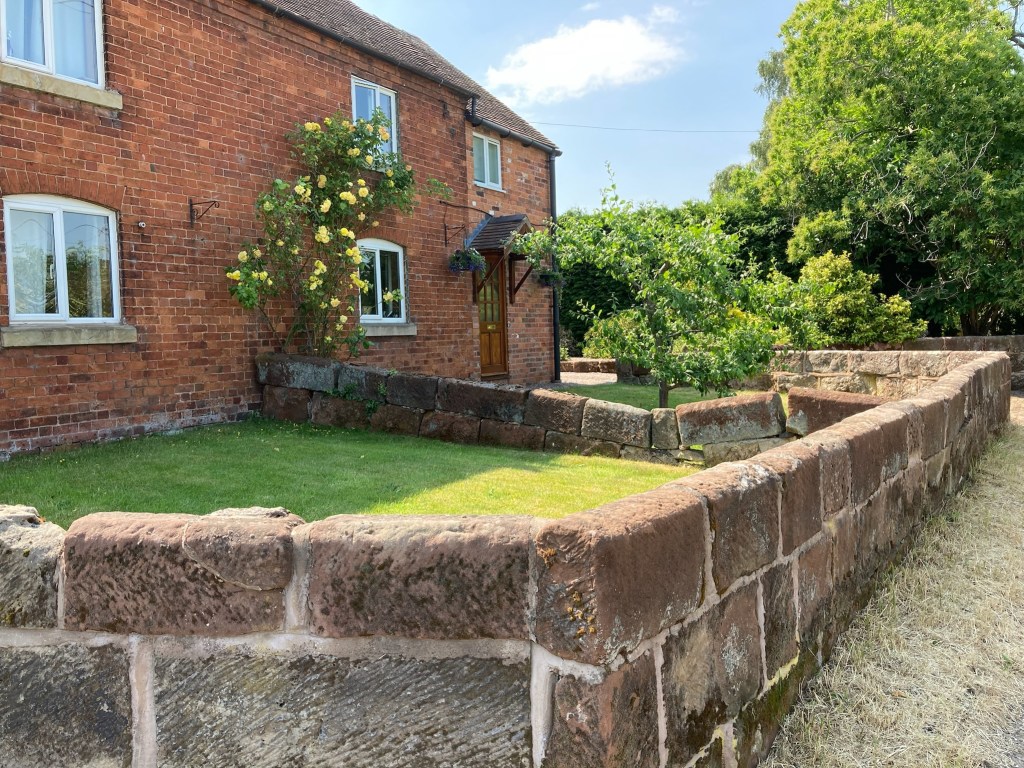
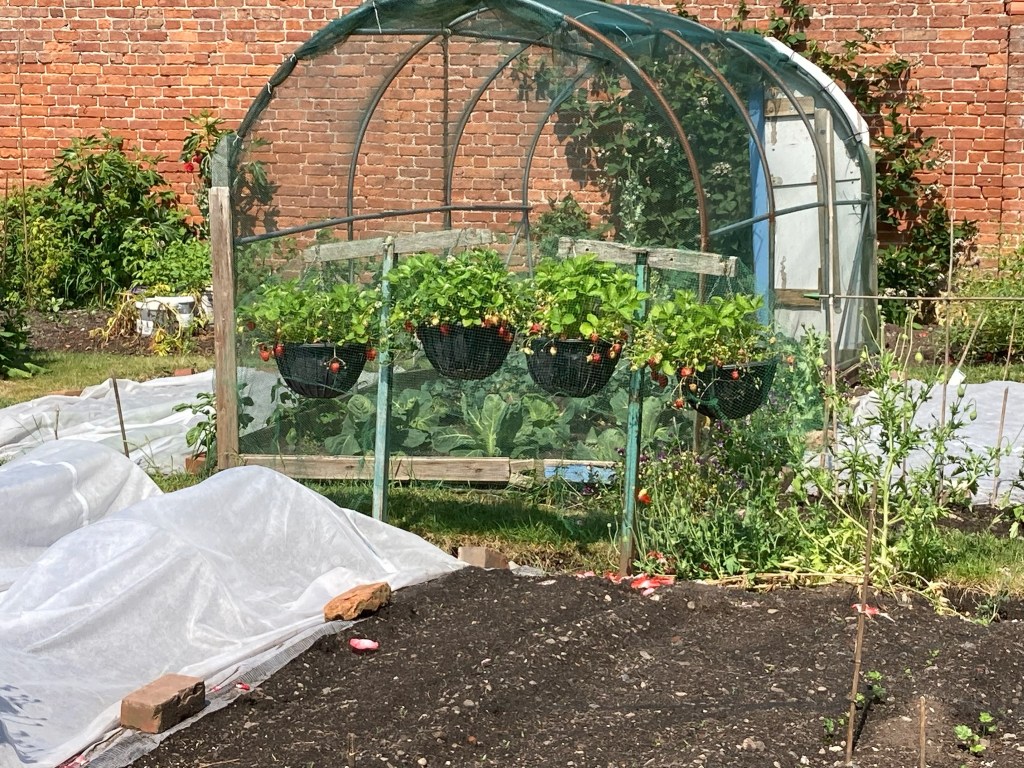
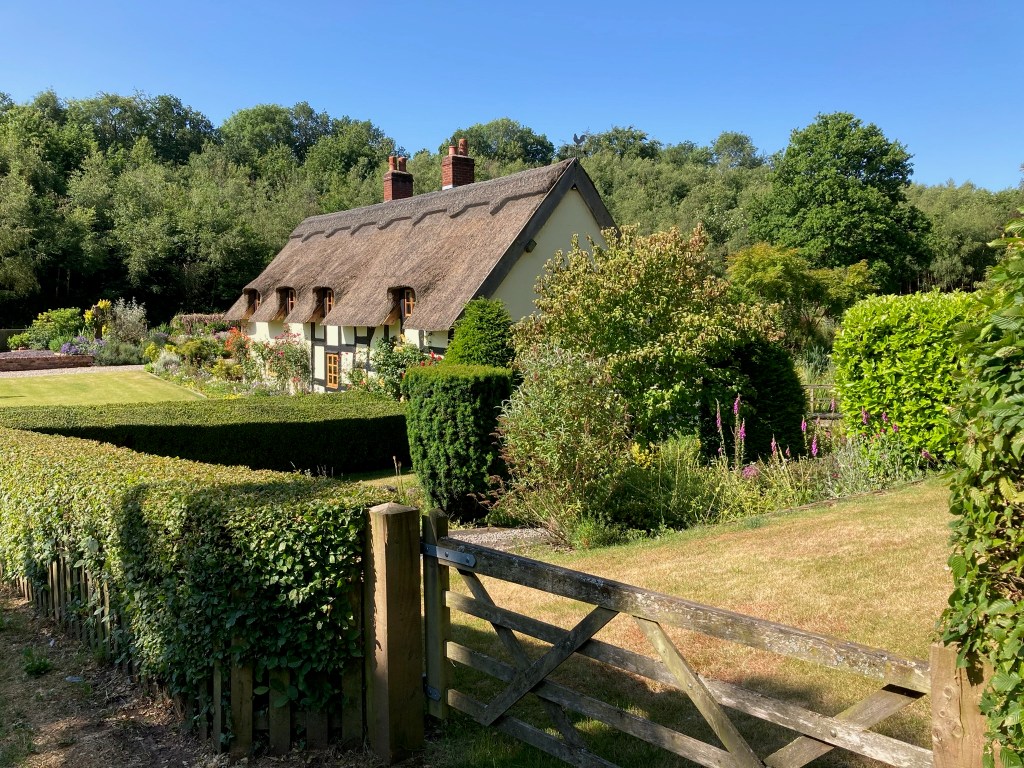
Loppington like so many English country villages is steeped in history, which reflects in the the buildings, many of which are beautifully maintained alongside more modern additions.
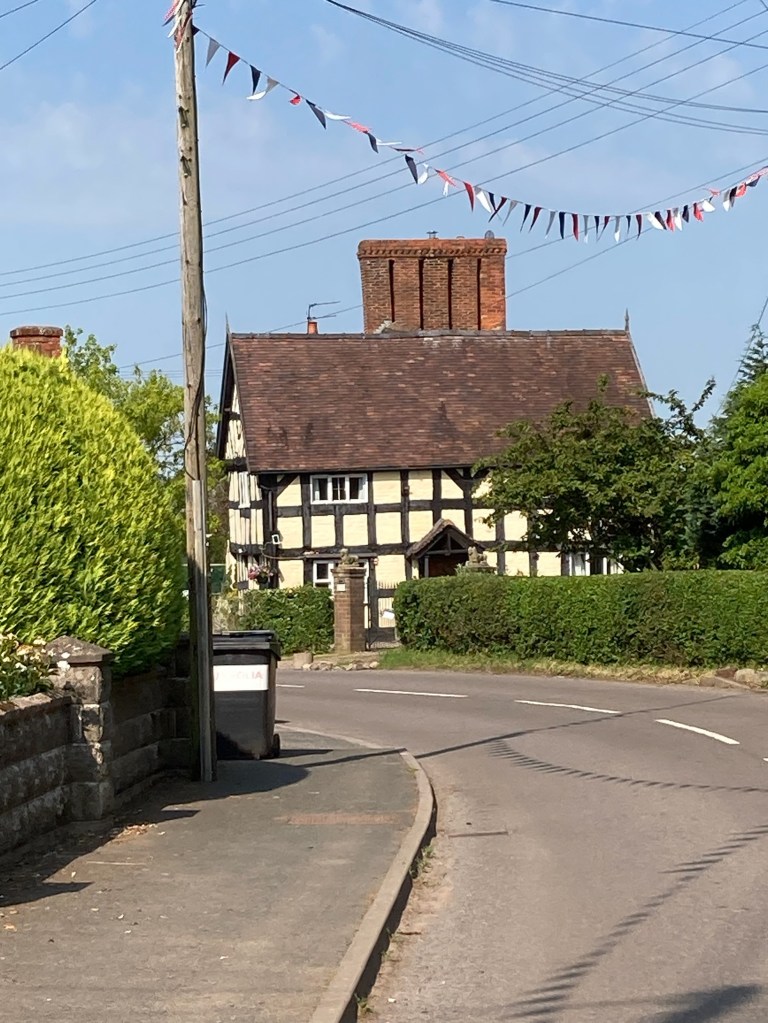
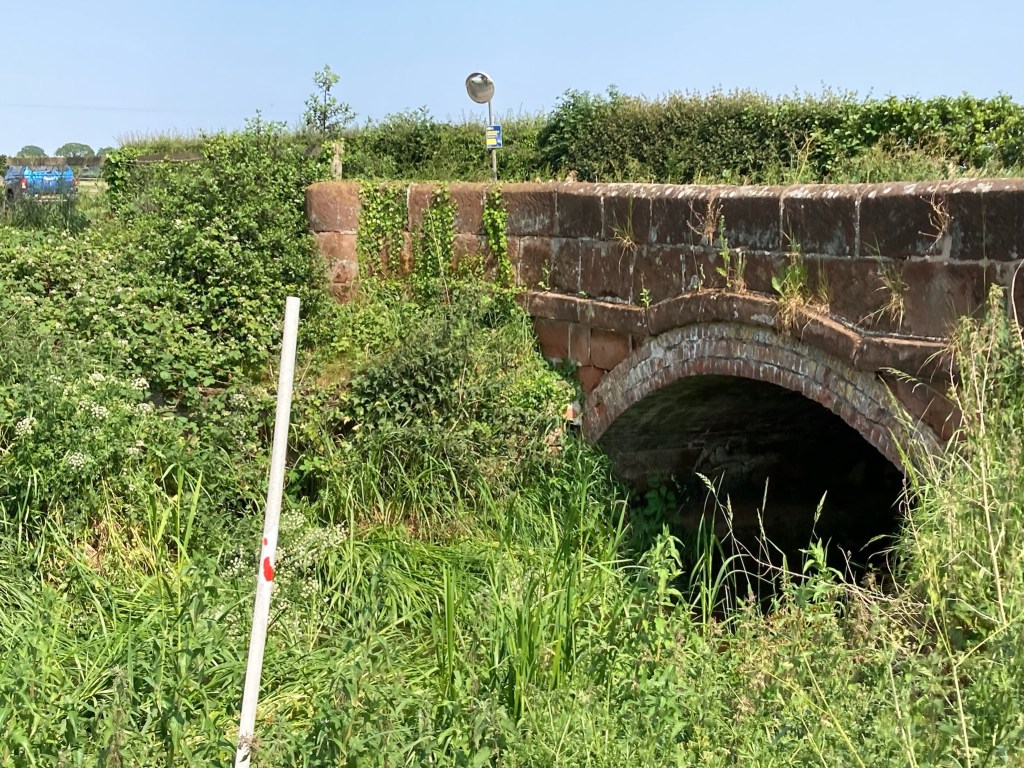
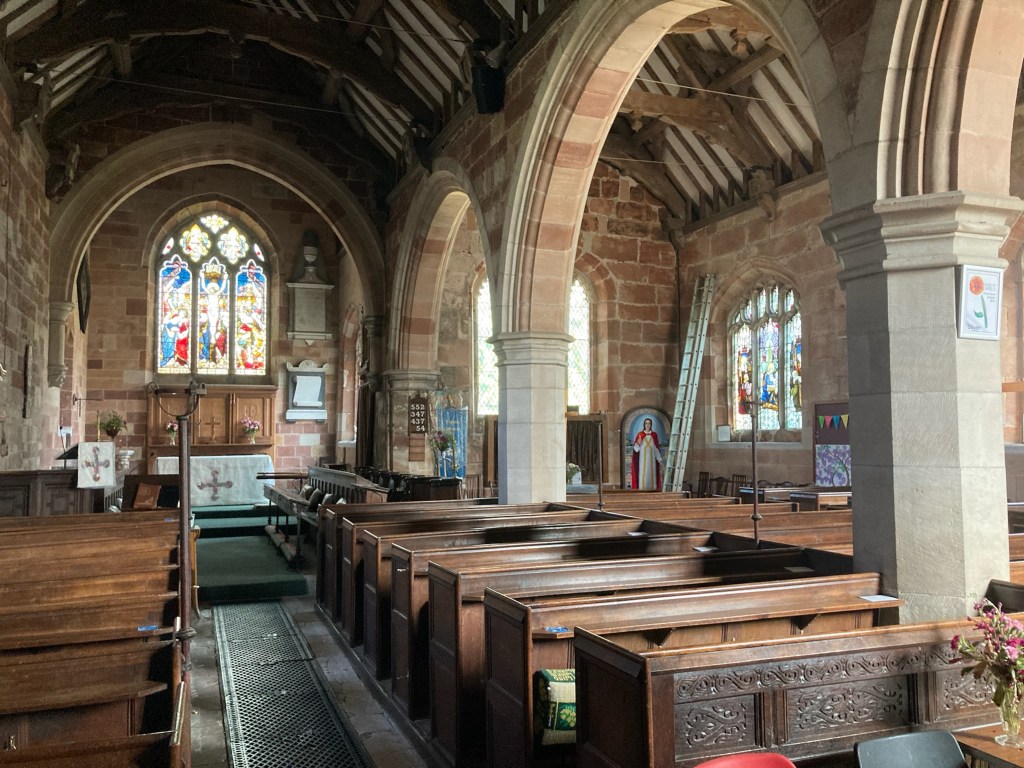
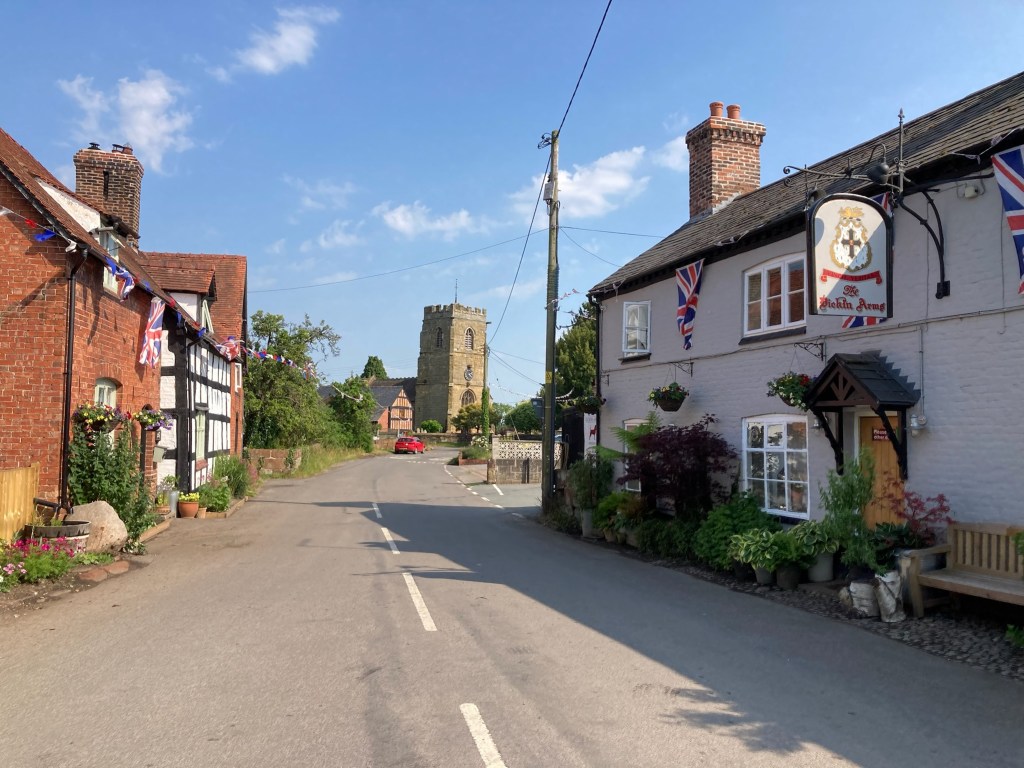
At the end of walk we check out the interior of the Church and find a swallow trapped inside, flying in circles seeking an exit. So we opened both sets of doors, and after one false attempt, the swallow escaped to rejoin its team chasing summer insects.
This area of Shropshire was heavily influenced by the last Ice Age, with deposits of ice in depressions in the land allowing the creation of lakes, called “meres”. Hence place names like Ellesmere and Colemere, identify both the town/ village and the mere, close by. Colemere is next door to where we are staying, and has the Shropshire Union Canal at the edge of the mere – in fact overhanging it in part.
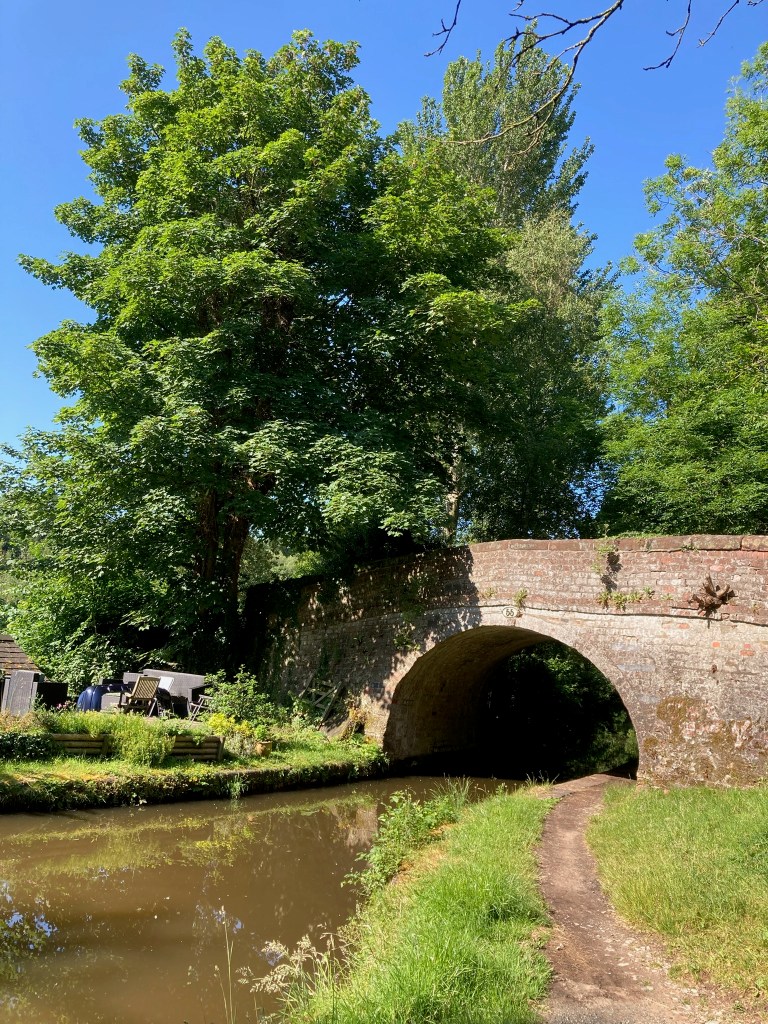
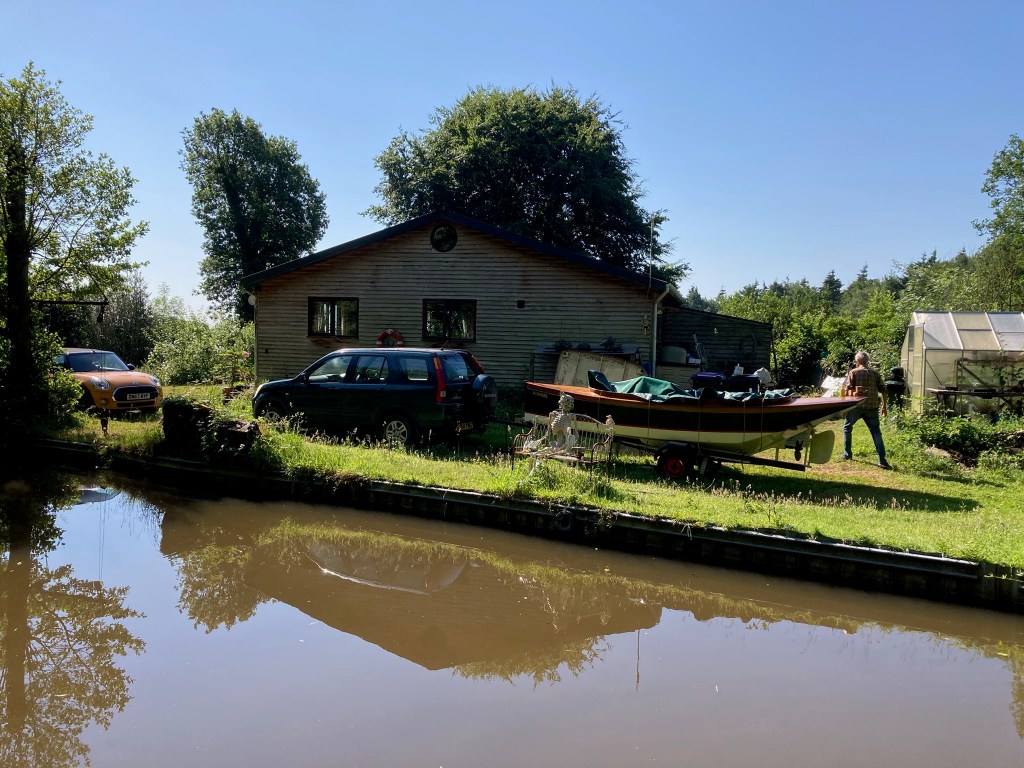
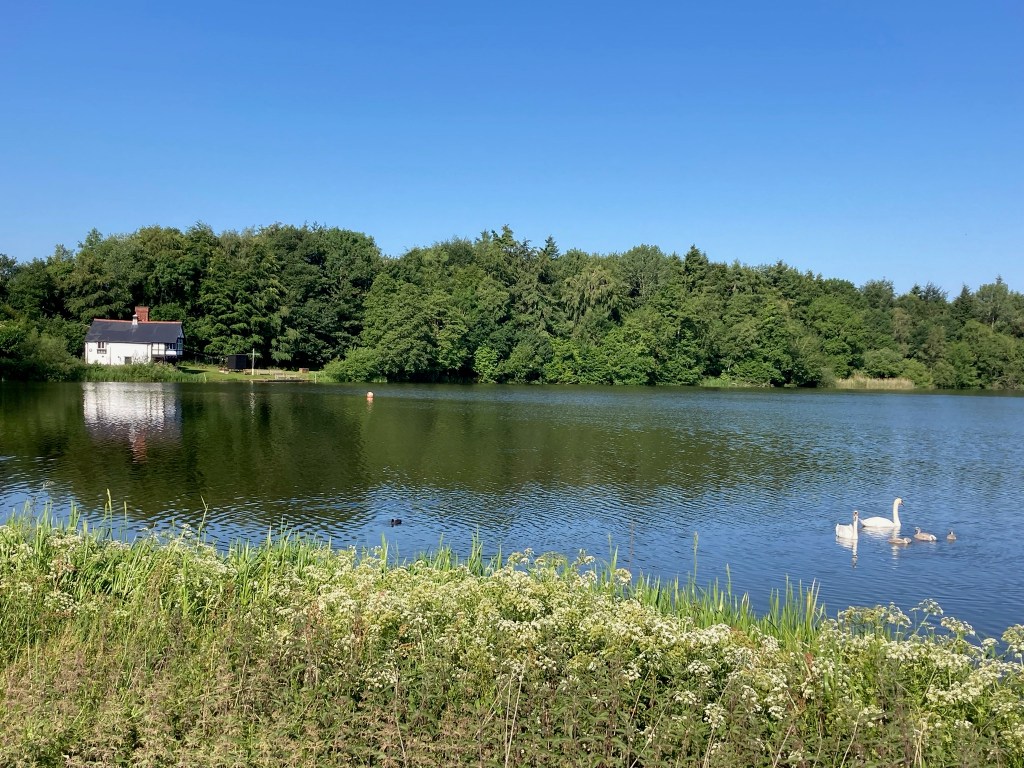
This was a lovely walk around Colemere , again lots of birdsong, the towpath of the canal and its bridges, testament to the Industrial Age and the movement of goods & raw materials, centuries before. But all quiet on the morning of our walk except for a boat restoring enthusiast, varnishing the counter of an old steam powered launch on the opposite bank. It looked beautiful, but in the restorers own words – “its intended to be coal fired steam driven, just not sure these days where to get the coal from”!! It certainly looked a labour of love.
 Travels with My Wife