
Albi
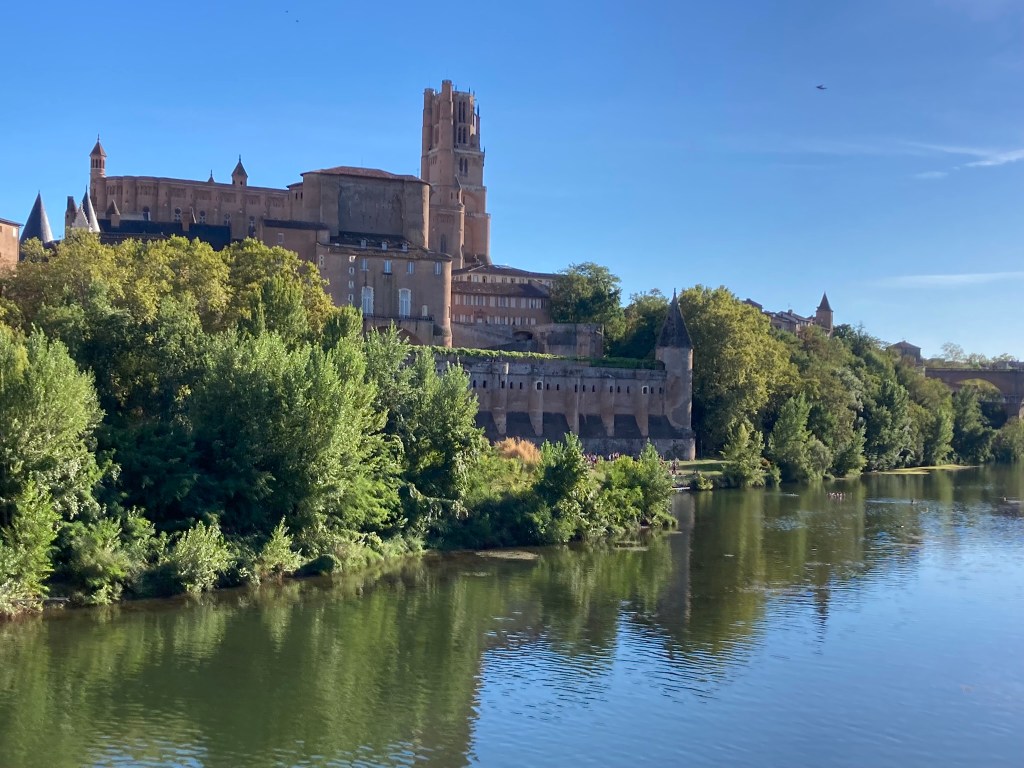
With Christina and Mike’s wedding in Aubeterre sur Dronne behind us, we have driven via Avis at Bordeaux airport , south – east about 6 hours to the ancient town of Albi on the banks of the Tarn River. Its a place we visited in 2017 and have wanted to return to, to explore some more.
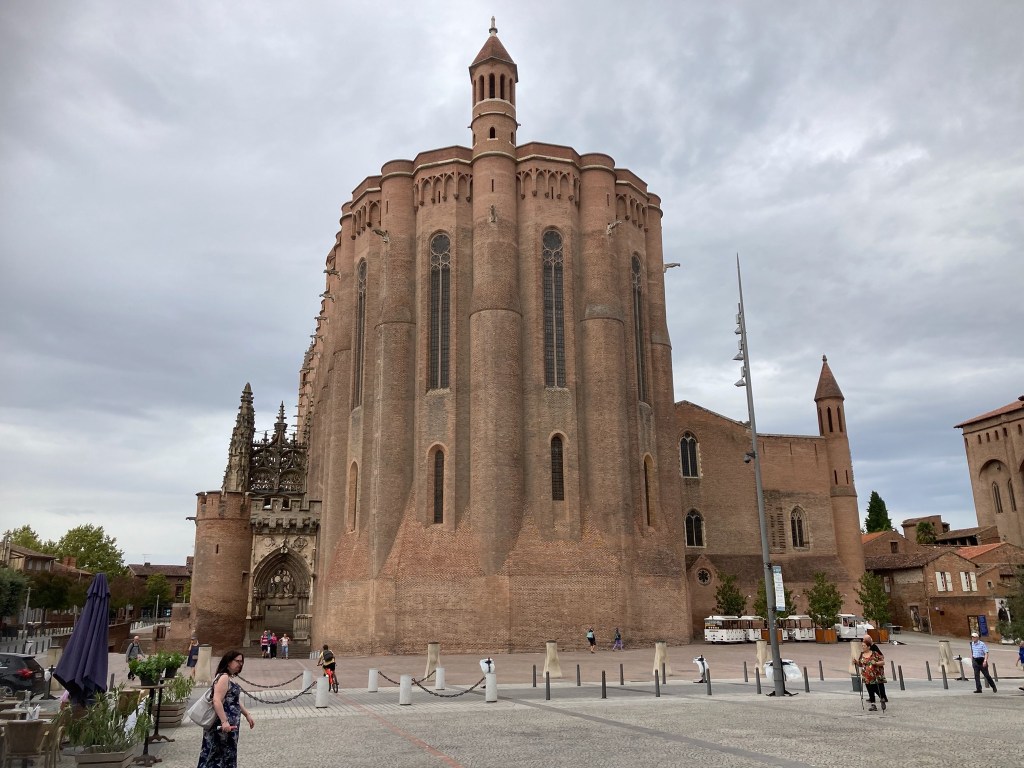
Albi and the surrounding countryside is dominated by the Cathedral of St. Cecile, and adjacent Palace de Berbie its brick architecture from the 13th century making it, apparently the biggest brick built building in the world. Unlike much of France where limestone is the beautiful traditional stone of building choice, in this part of France terracotta brick and sometimes the combination of timber with brick infill provides a beautiful palette of colour. We have 5 nights here in Albi.
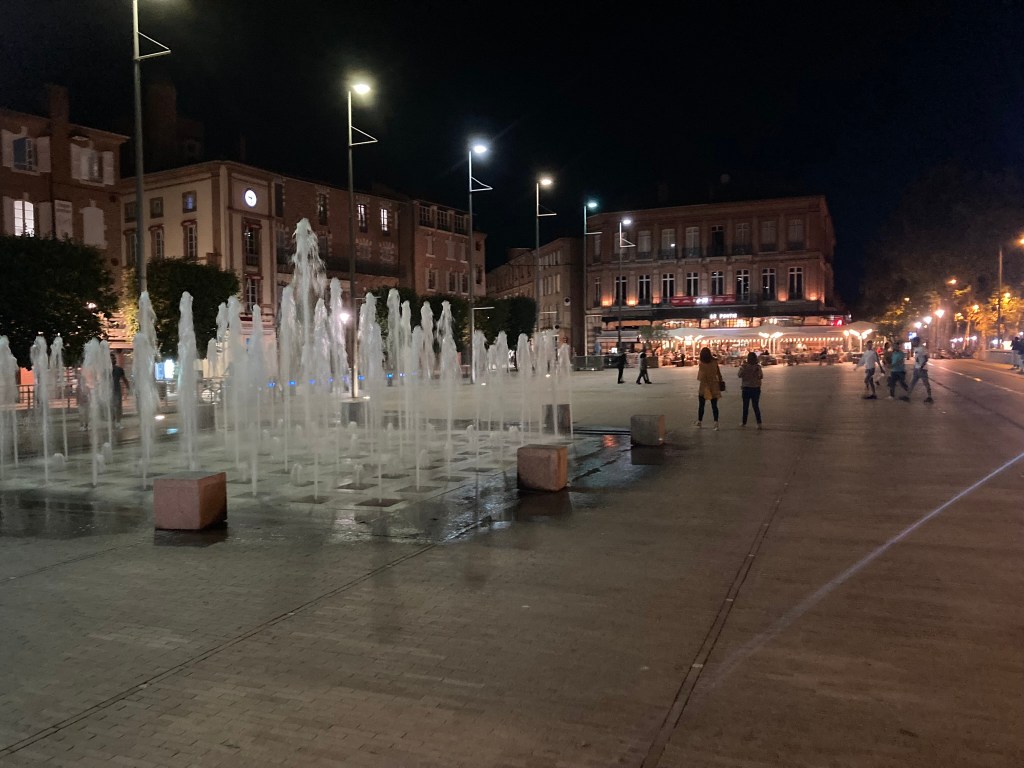
As soon as you exit the dual carriageway from Toulouse, the history of Albi is immediately apparent and the more modern side also in terracotta brick sits so well alongside. Tourism is a big part of life in Albi town and the last two Covid years have been extremely difficult for the town. I had been privy to some of this Covid impact through a Facebook contact – Bernard of Albi – whom regularly posted beautiful photos of Albi through all the seasons. Sadly these ceased earlier this year, which puzzled me until a post from Bernards son to say that his father had passed away from cancer. Gone the wonderful pictures and exchanges we had over many months of lockdown, but not the memories.
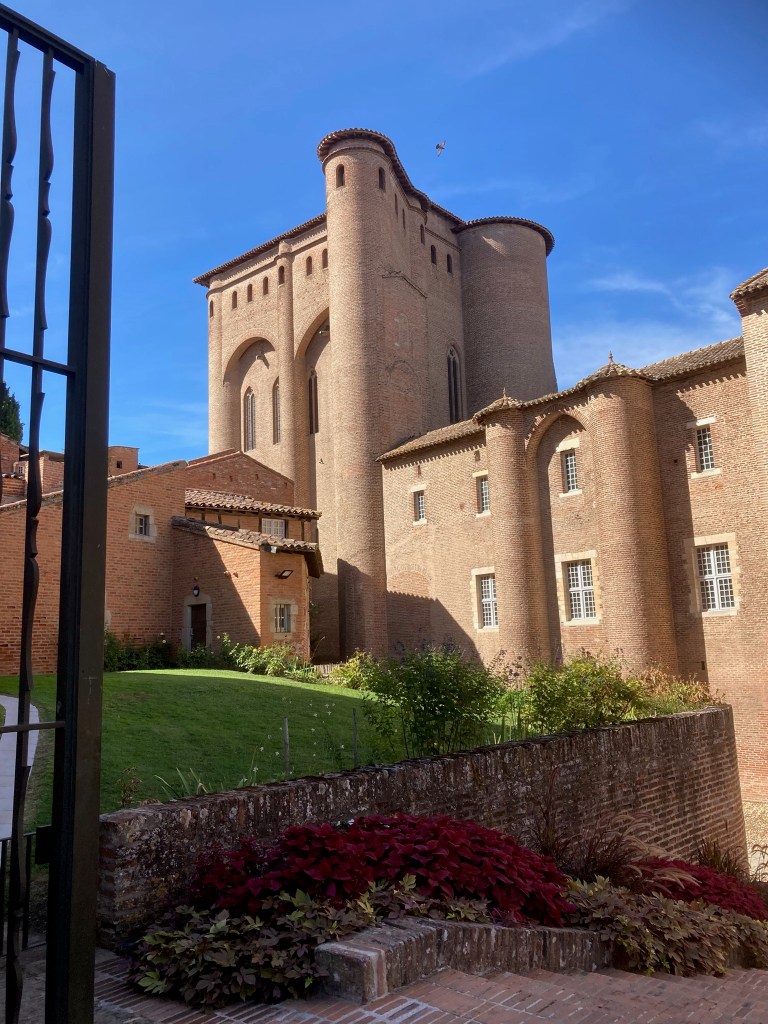
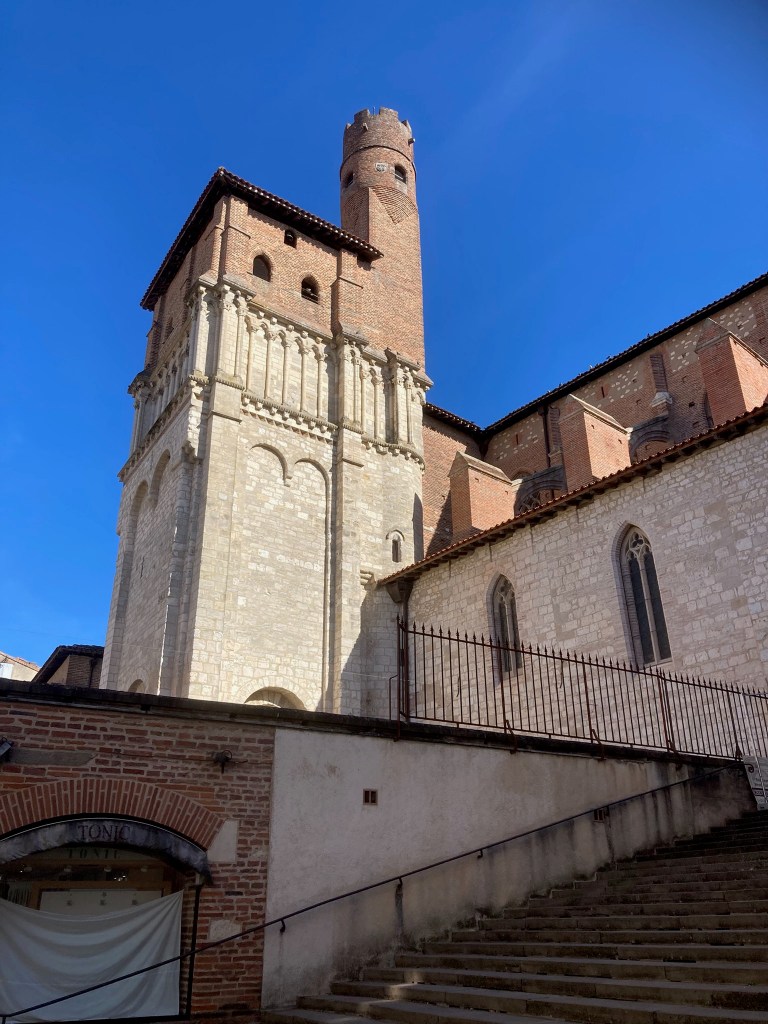
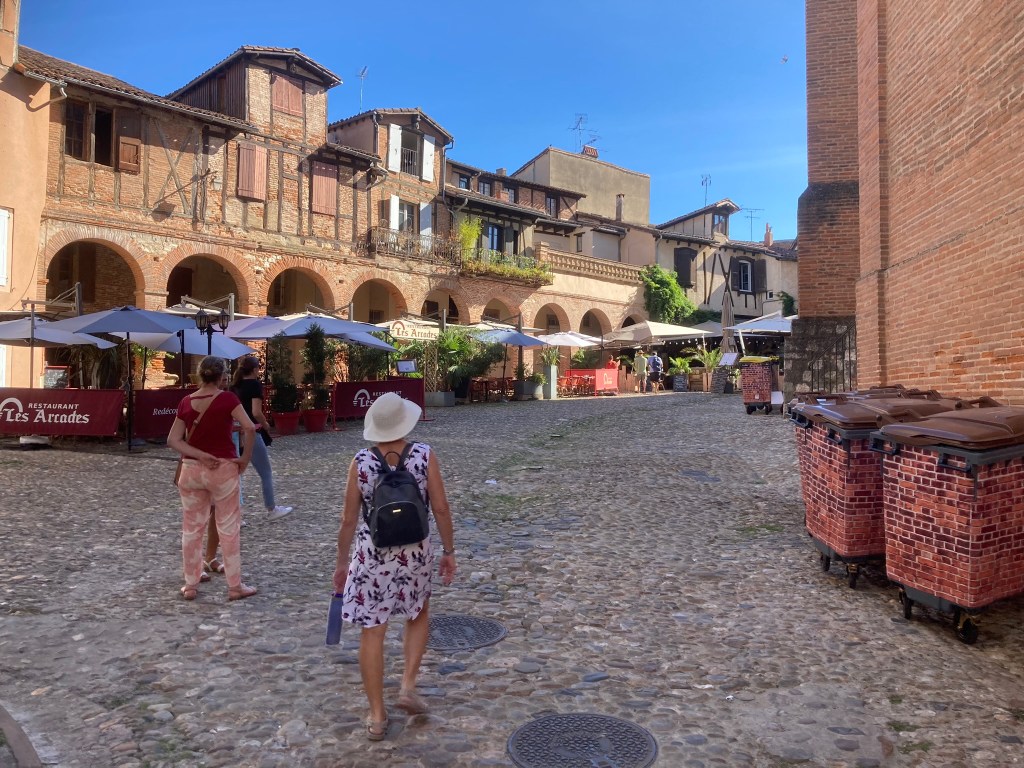
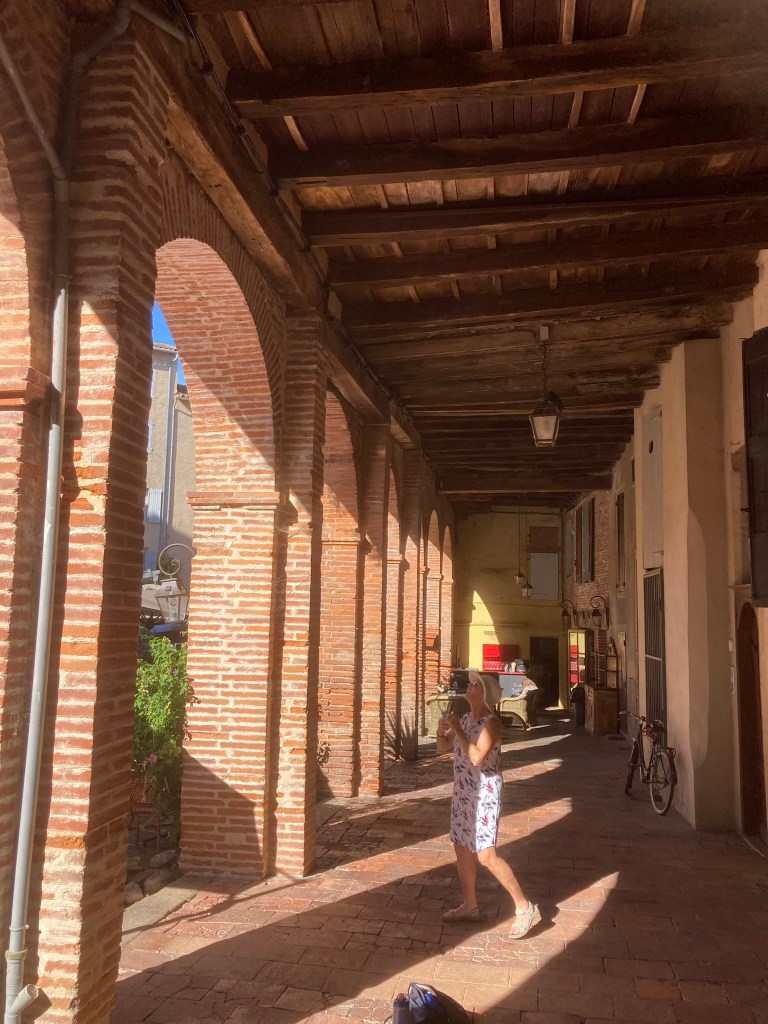
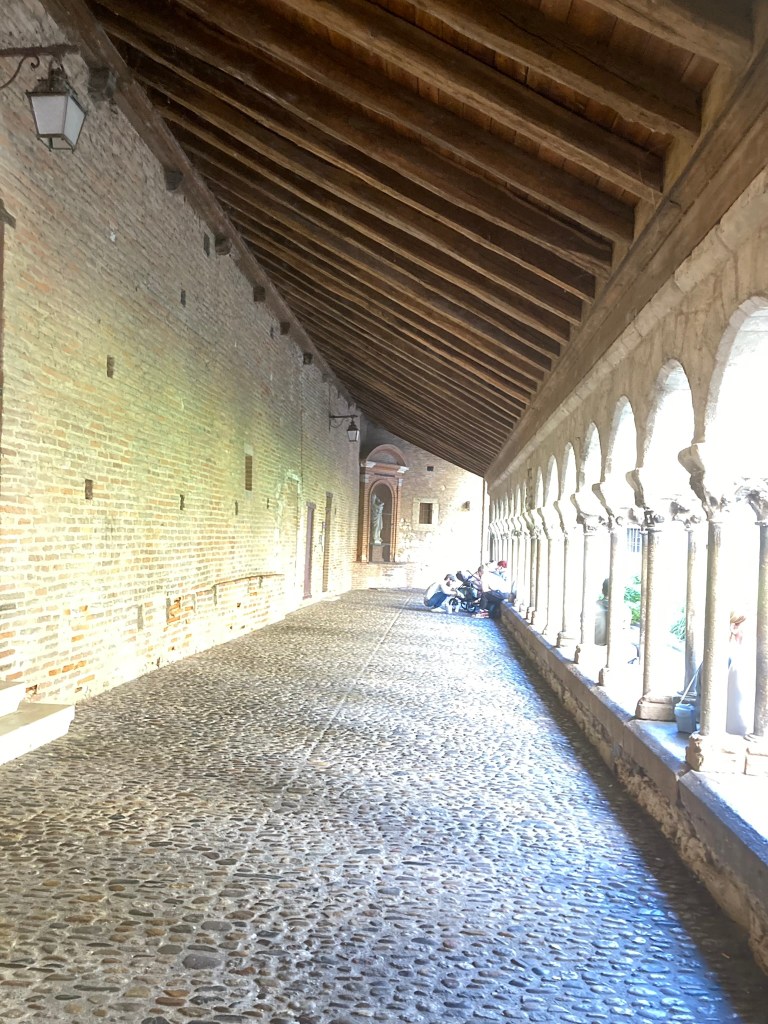
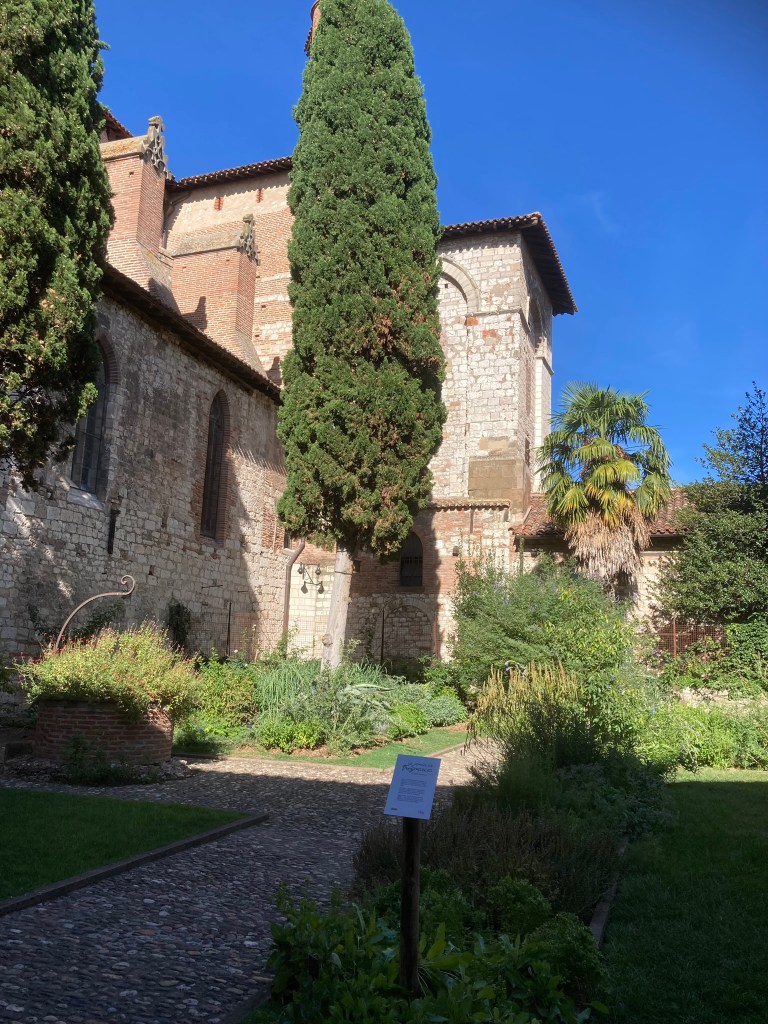
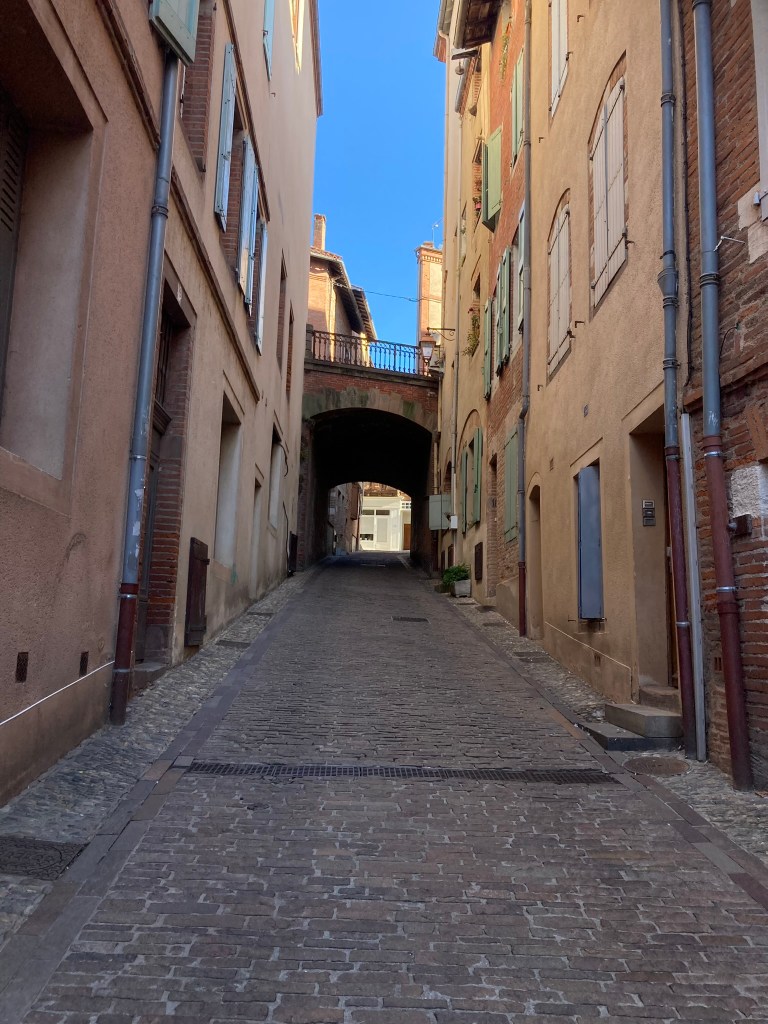
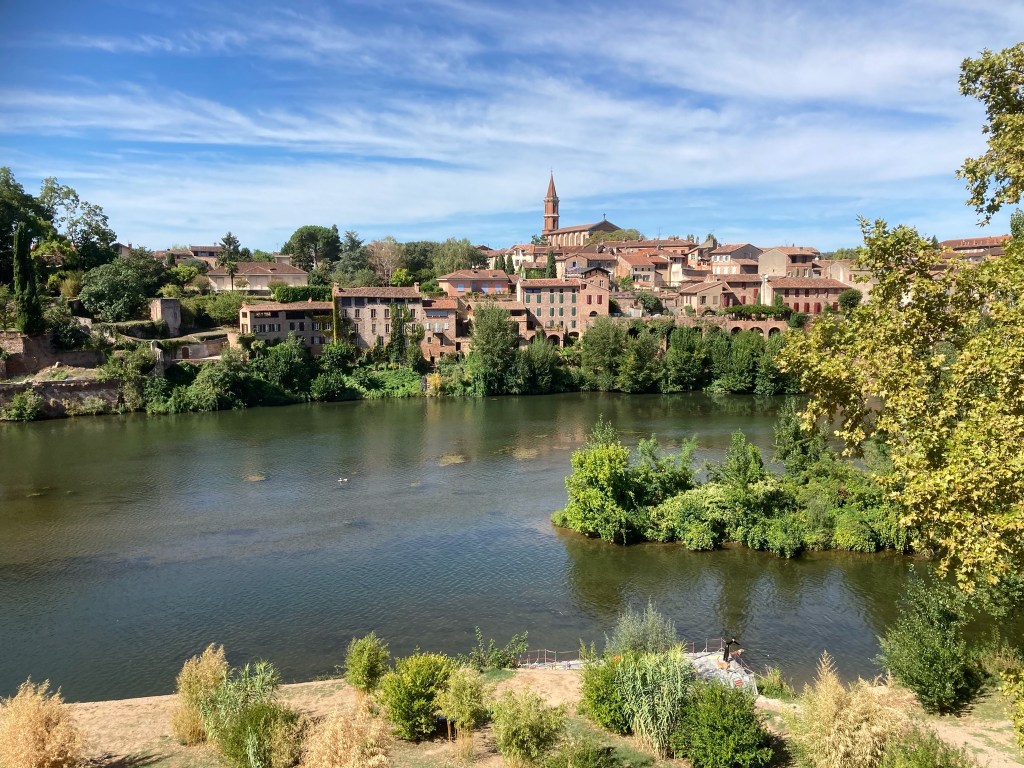
Albi was originally all about the Tarn river. It sits astride the Tarn with the Pont Vieux built around 1040, and by the 13th century there were merchants houses on the bridge. In the 21st century we now walk across the bridge with the “tourist train”! But the Tarn was the route to export local produce , wine in particular to the rest of France and the world. Gaillac just adjacent to Albi was a major wine producer until the wineries of Bordeaux decided that a way to boost their own product was to ban the export of Gaillac wine via the Tarn/Garonne. Phylloxera then added its impact, but of more recent years the Gaillac regions wines have regained their reputation especially with grape varieties often particular to the region, (we tried quite a few).
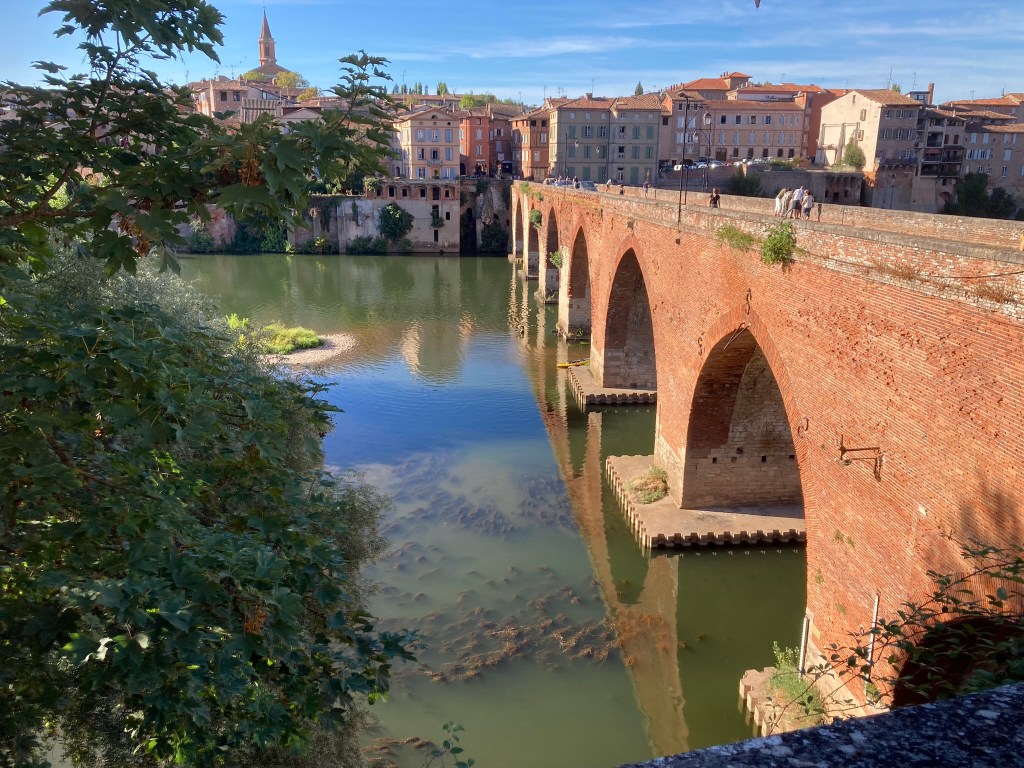

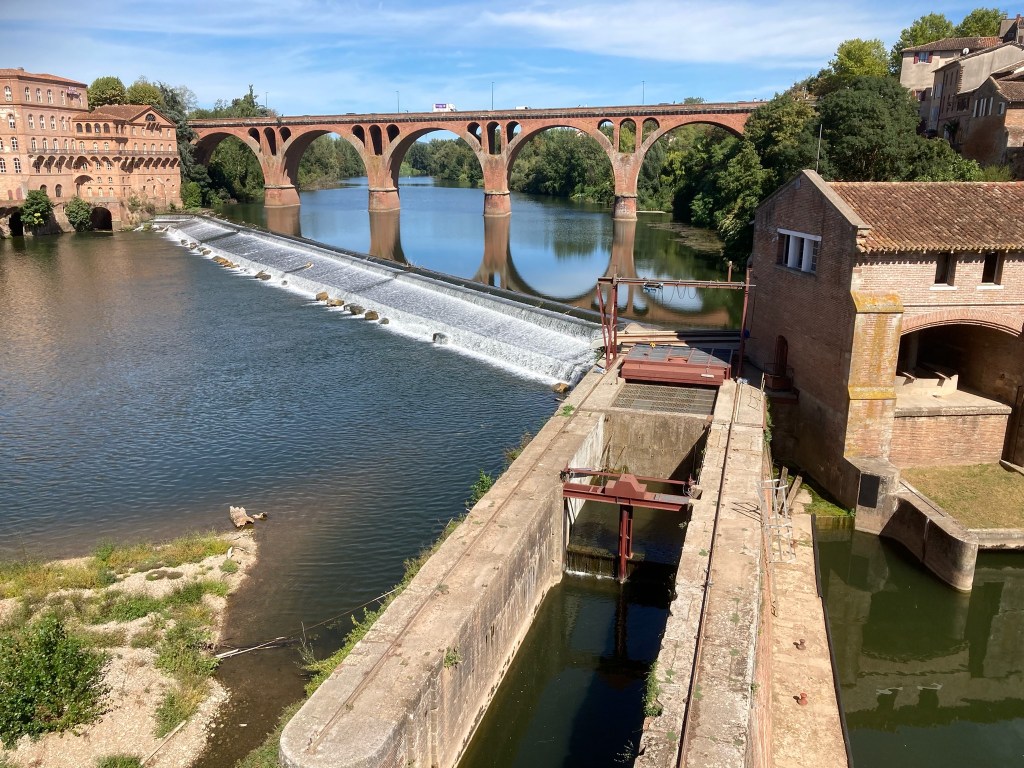
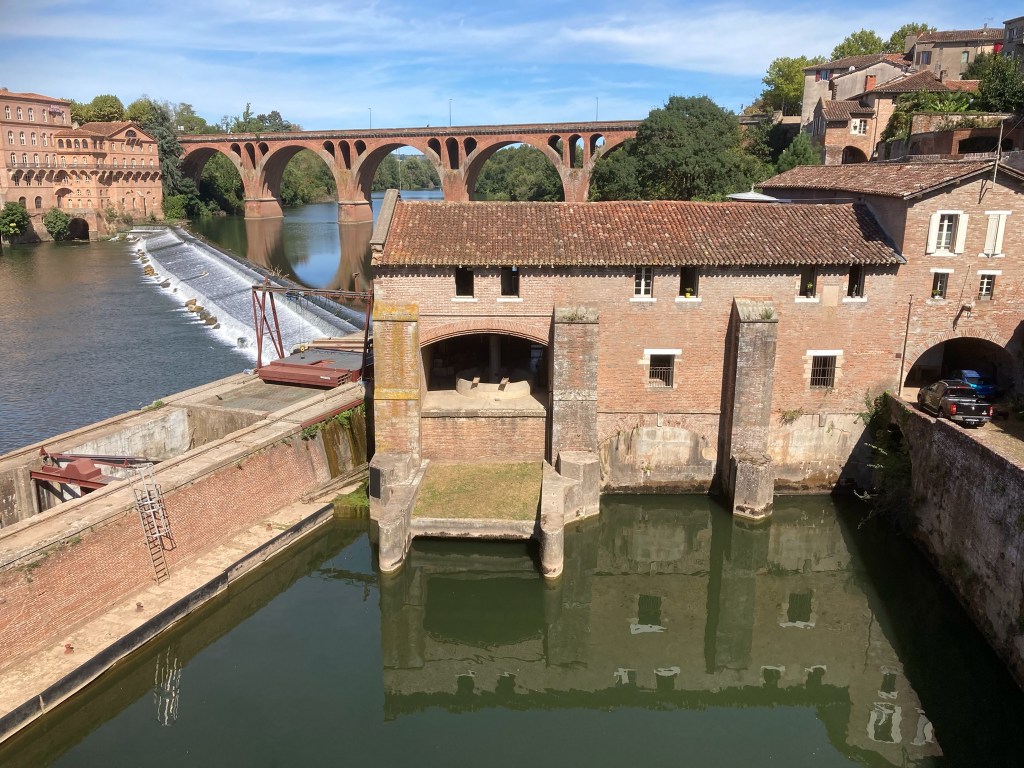
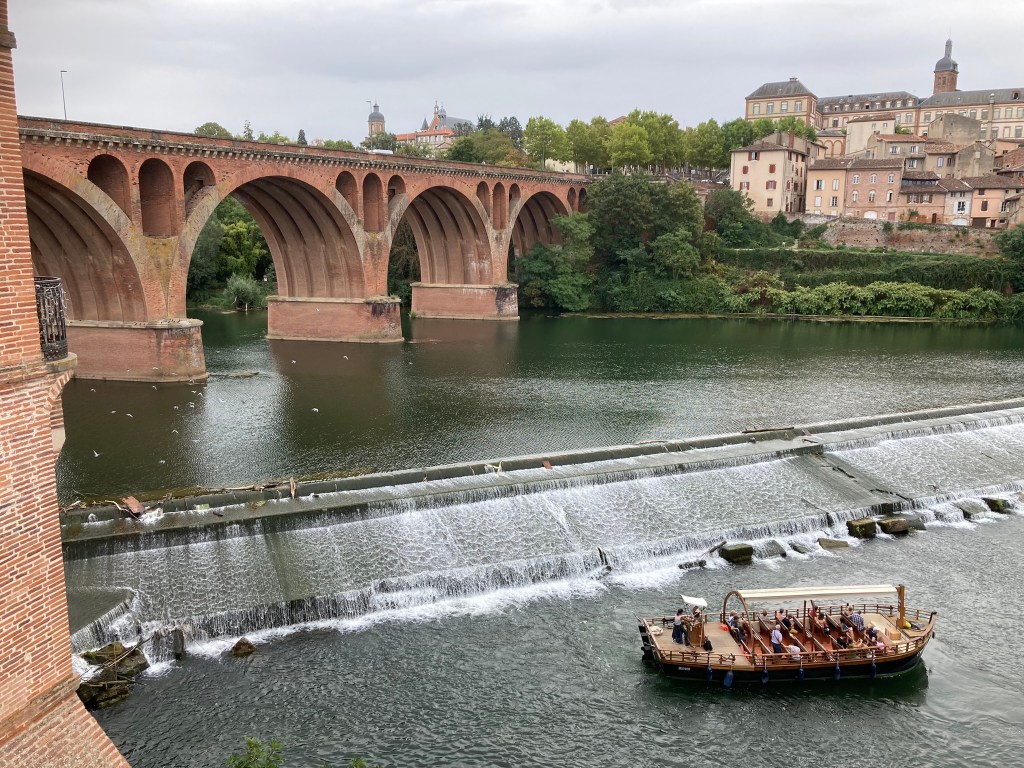
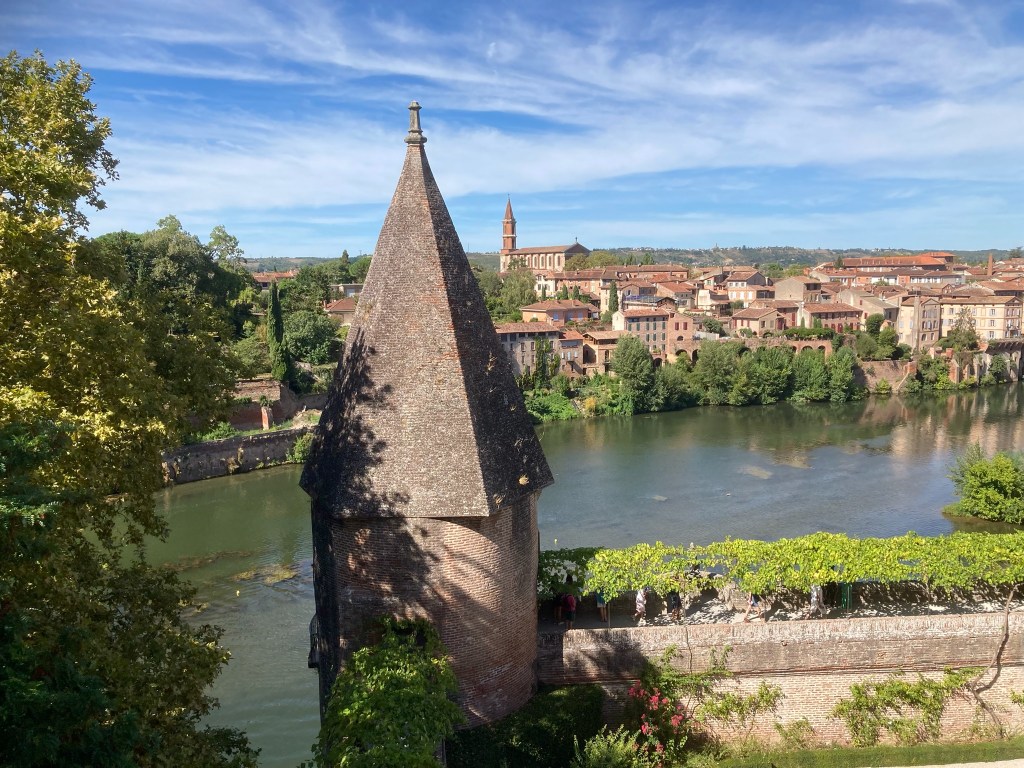
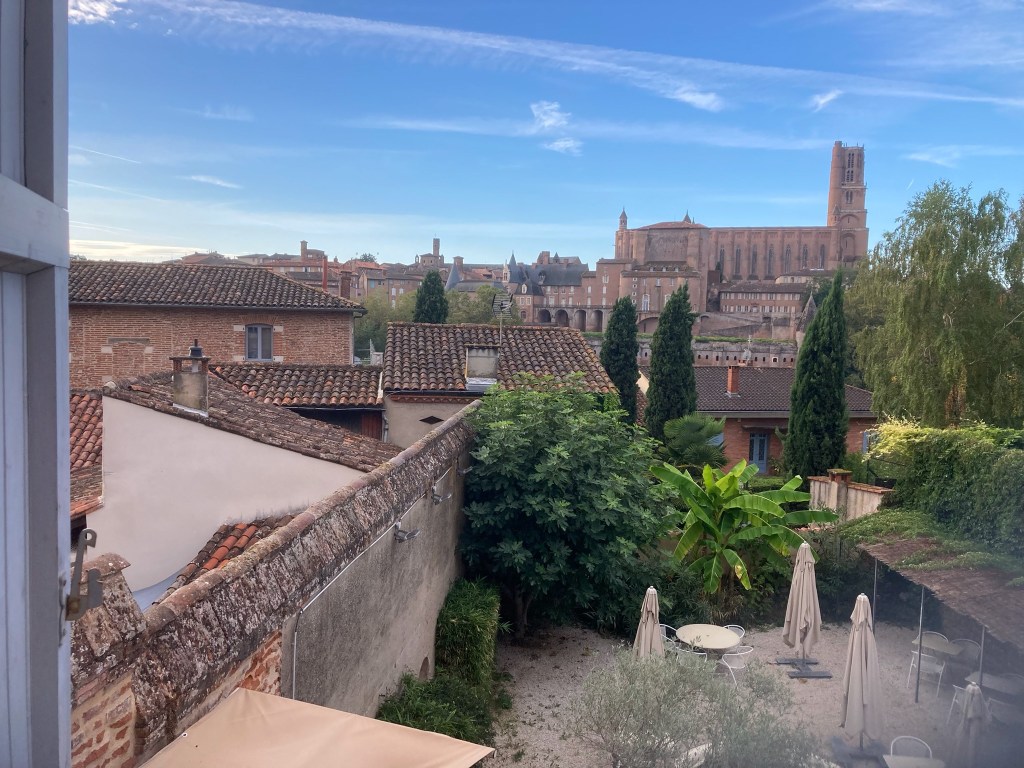
We stayed in an upper floor apartment of an old terrace house on the north bank, in the Madeleine area of Albi (after the church of the same name). Probably built originally in the 17th century, narrow streets, cobbled in part and great views across the Tarn to the St Cecile Cathedral and it’s attached Palace de Berbie, with its stunning formal garden.
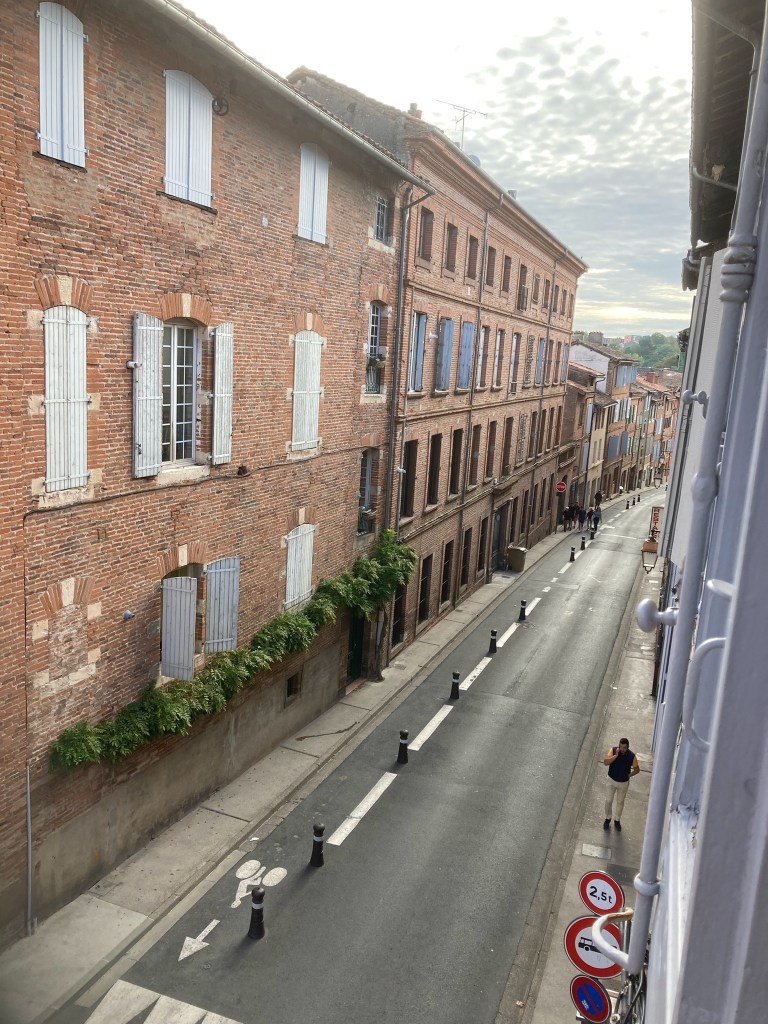
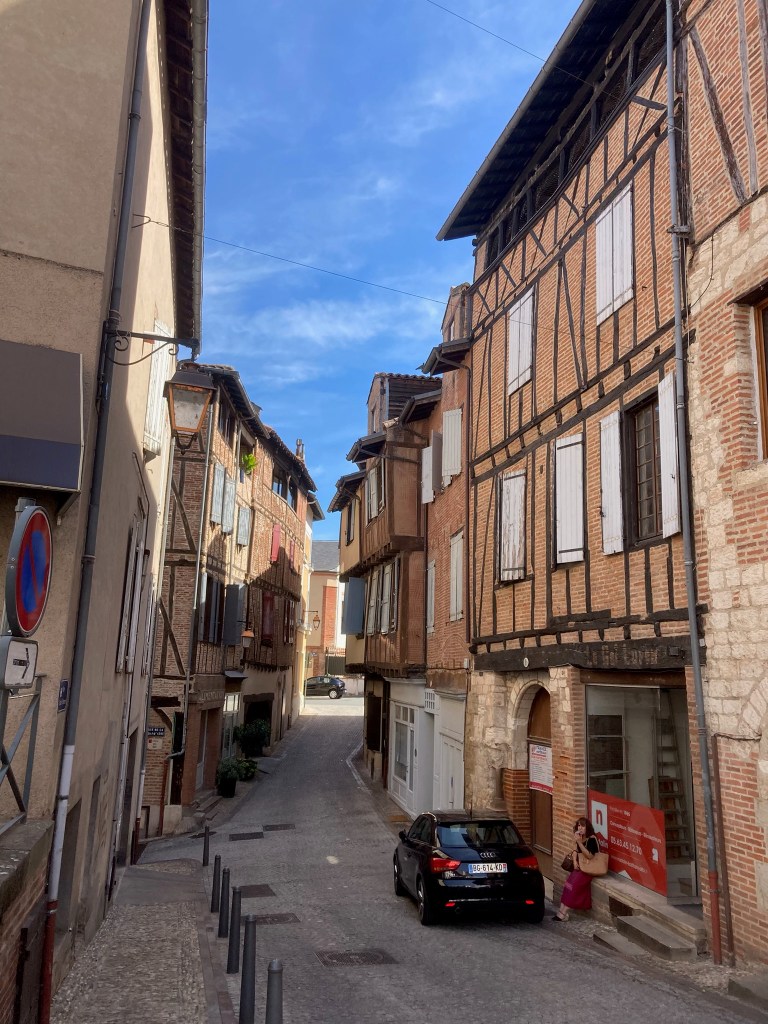
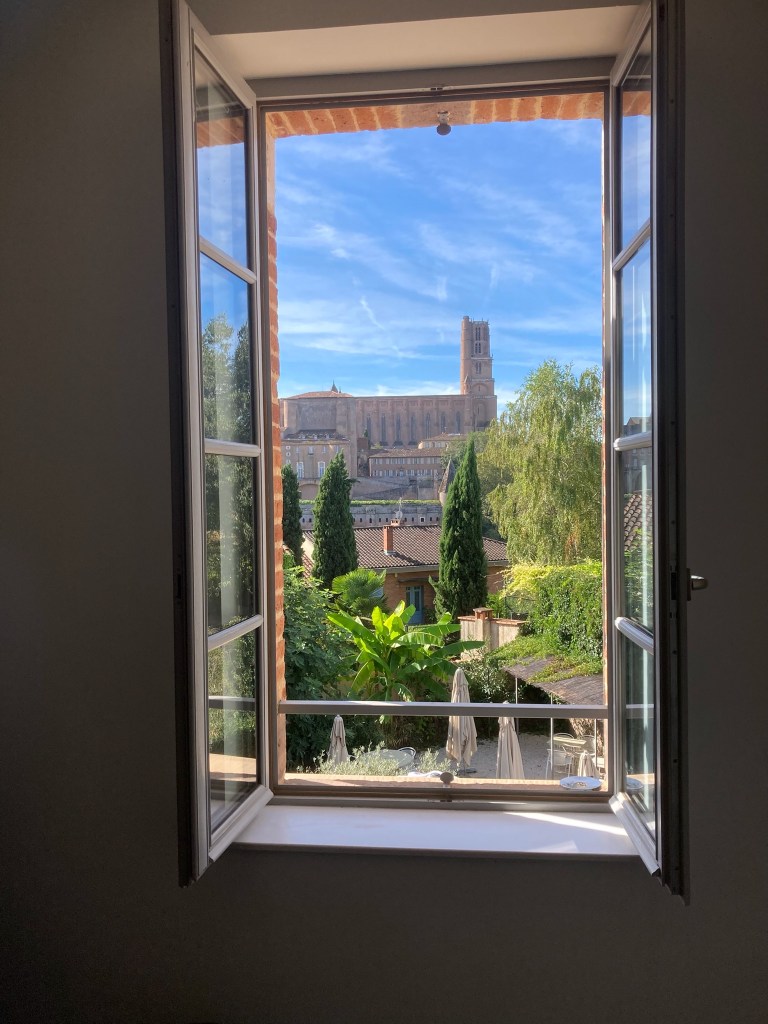

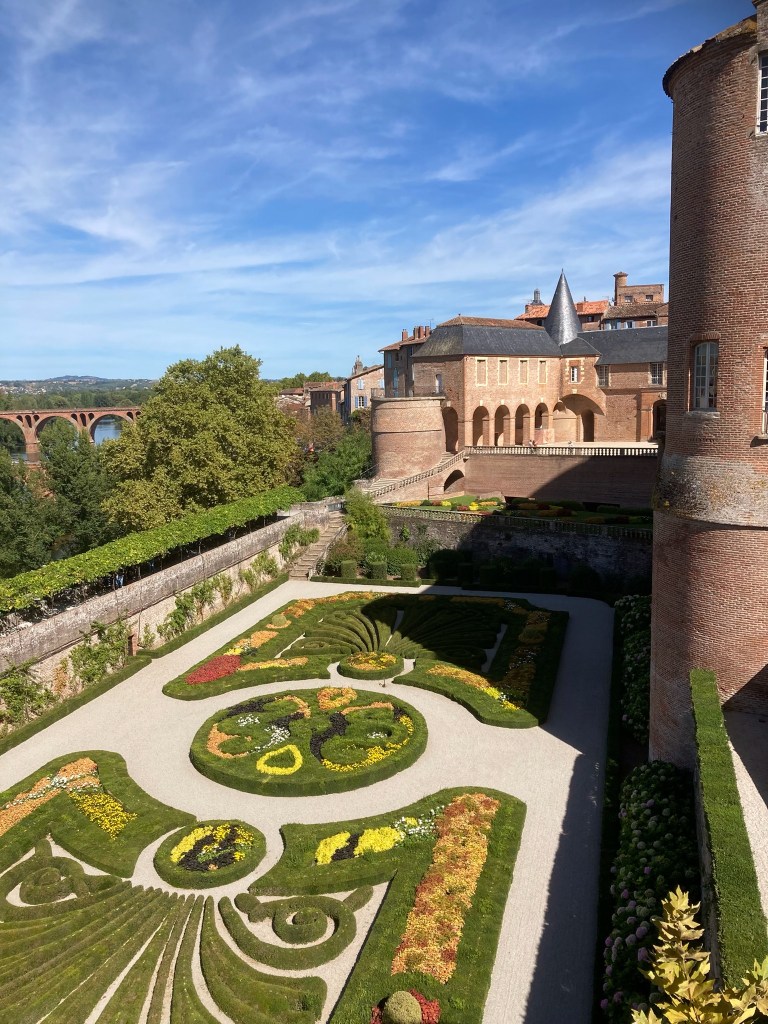
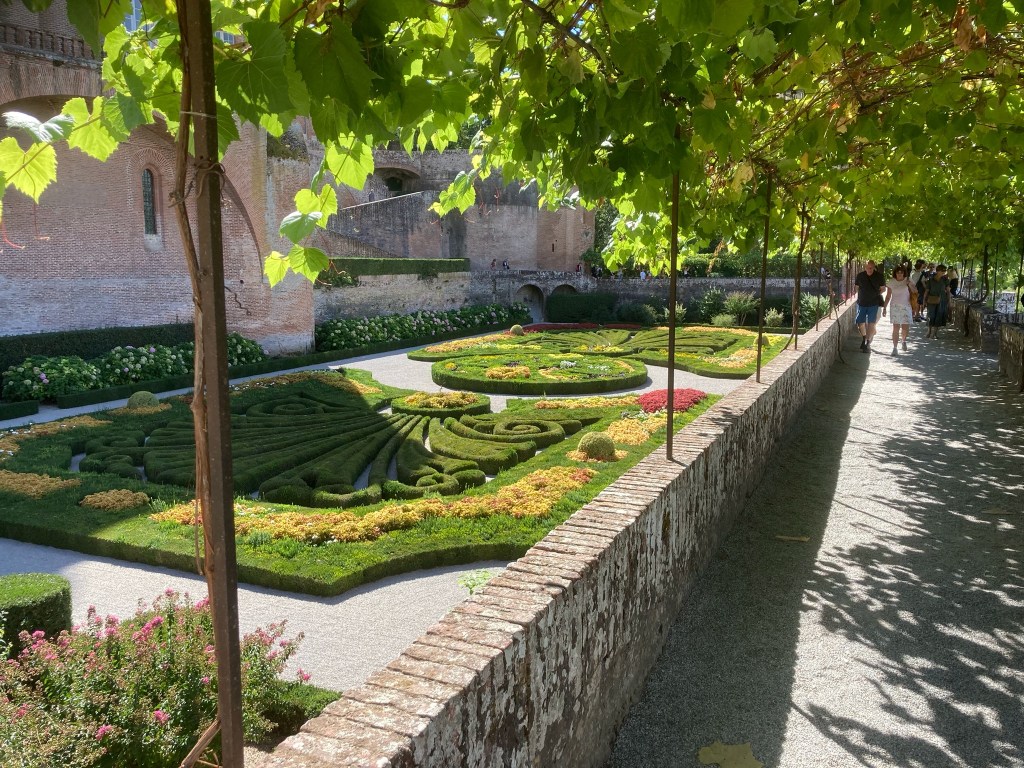
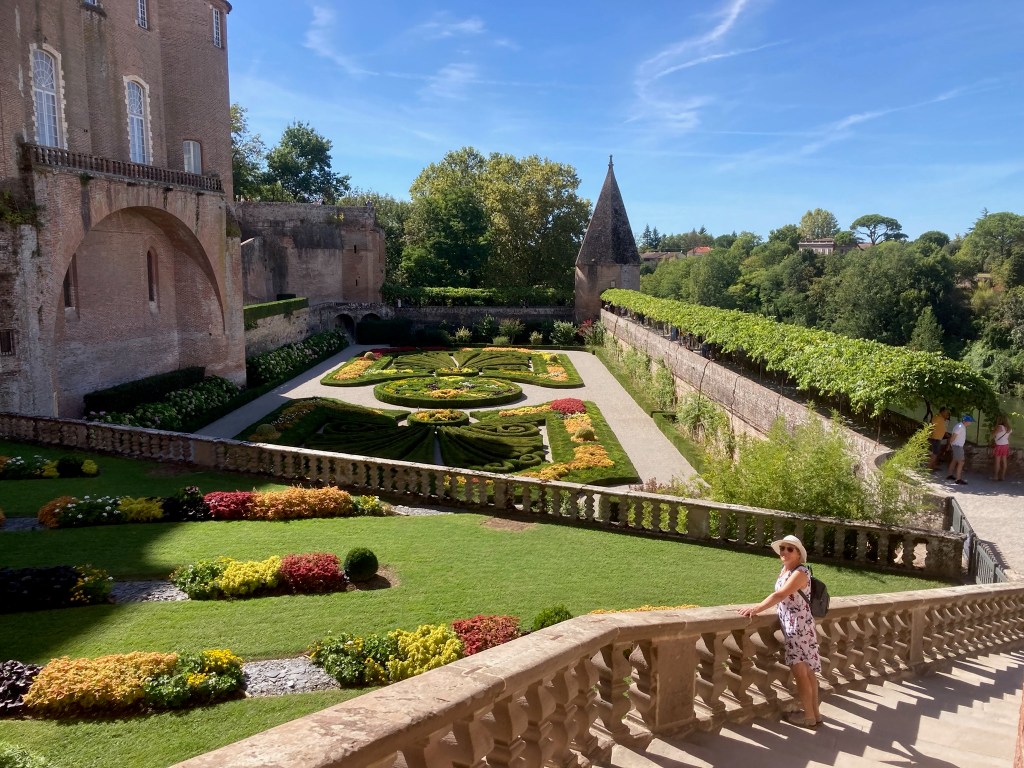
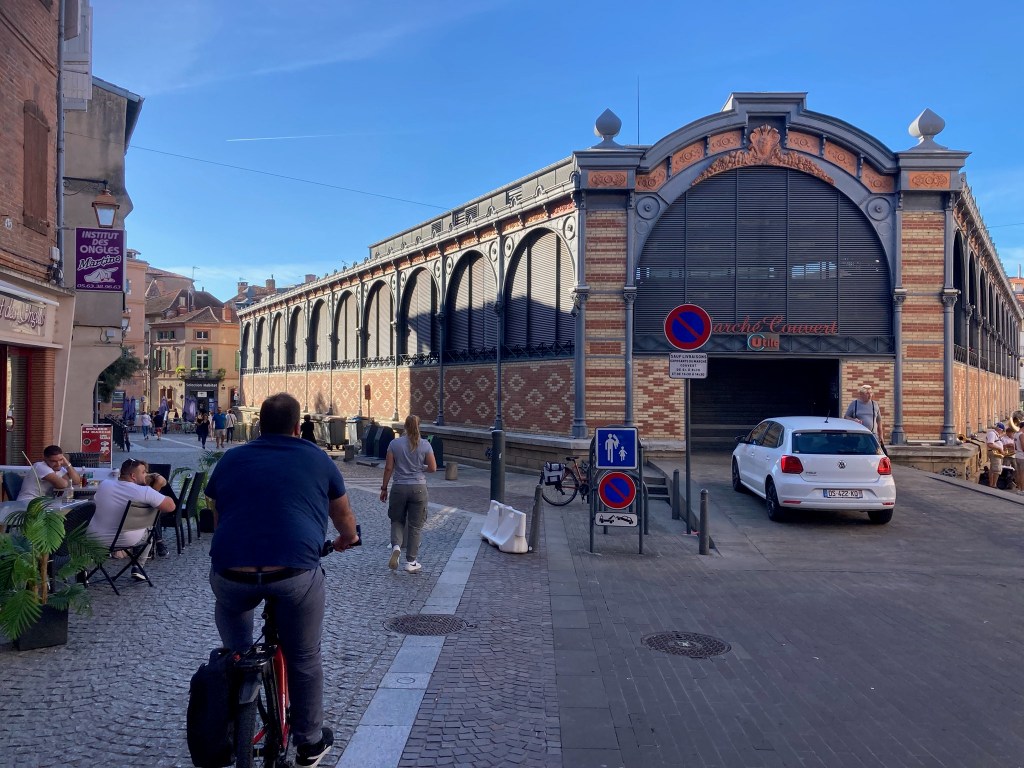
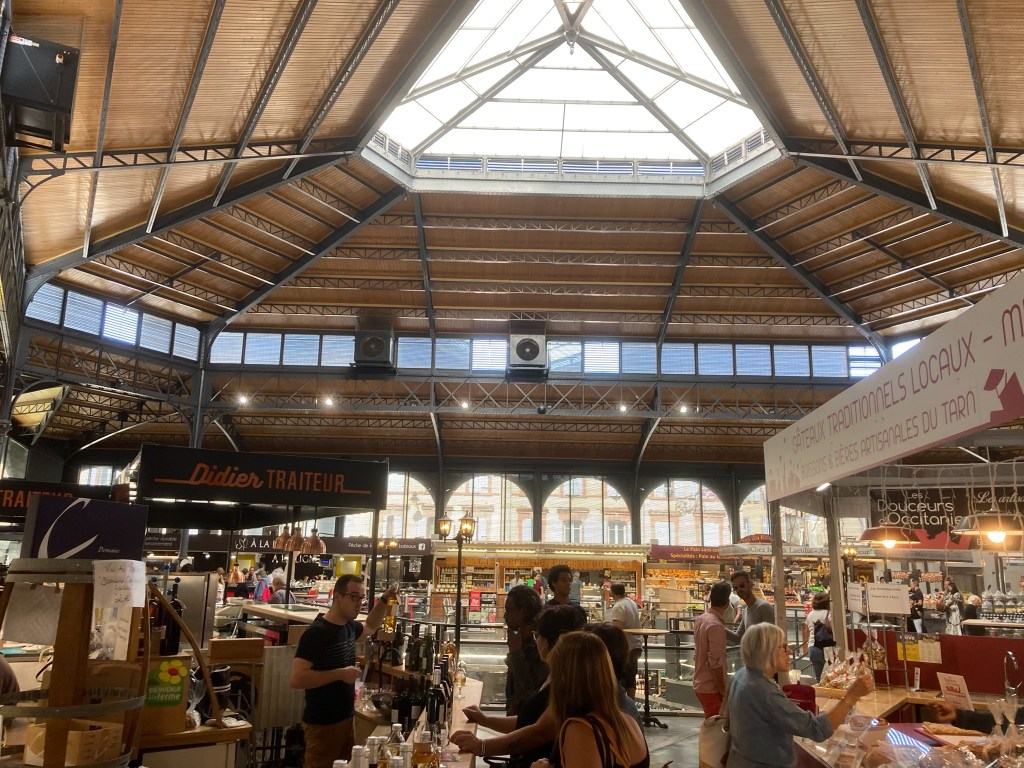
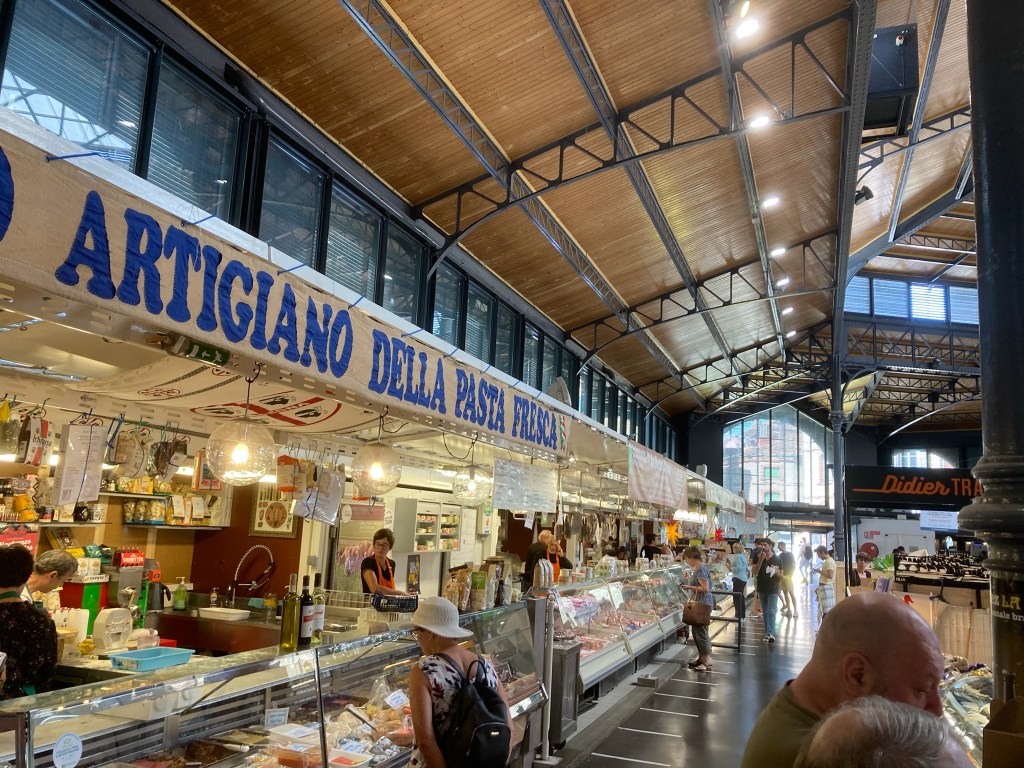
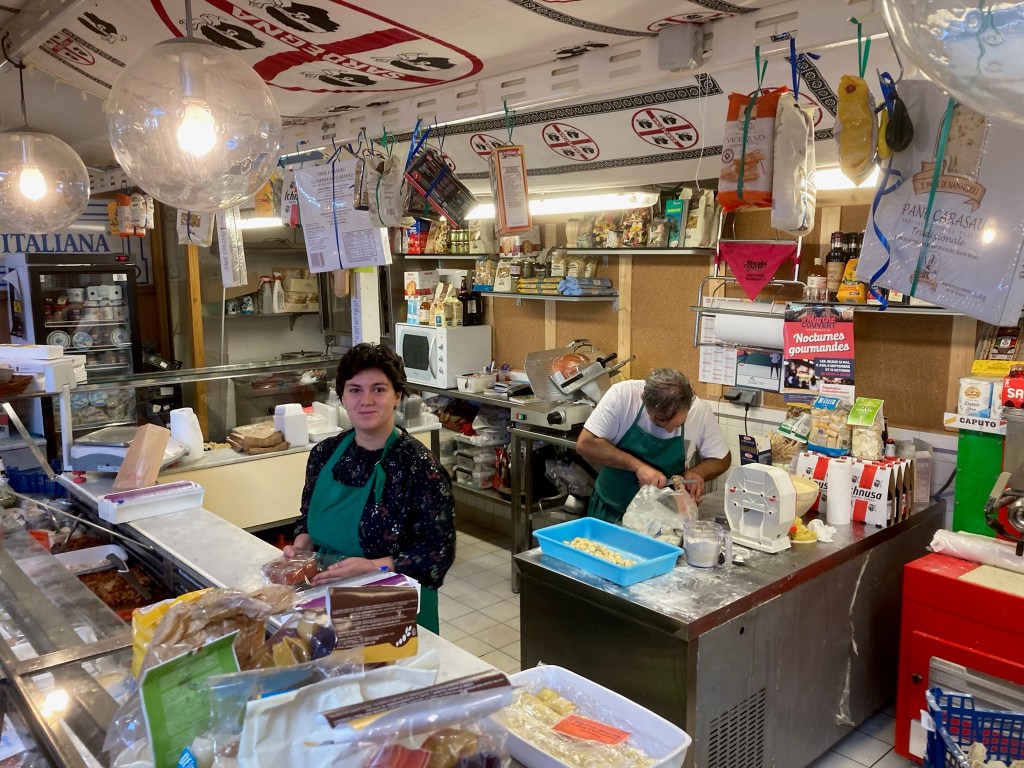
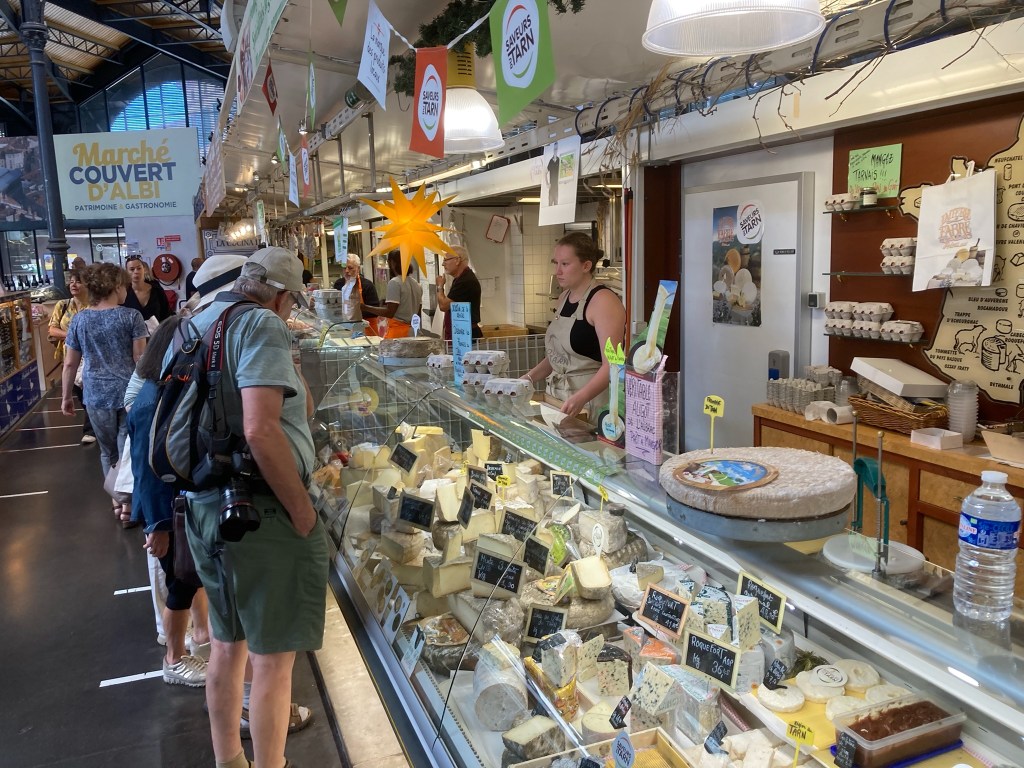
We hope these pics give you a bit of an idea on how beautiful the ancient town of Albi is, we love it all. A special mention for Les Halles , the indoor food market, where we acquired great fresh pasta, local cheese and charcuterie. The food in all the restaurants is excellent and the prices out of the main centres are very reasonable, we say that even with the NZ$ @ 60 cents to the Eu!!
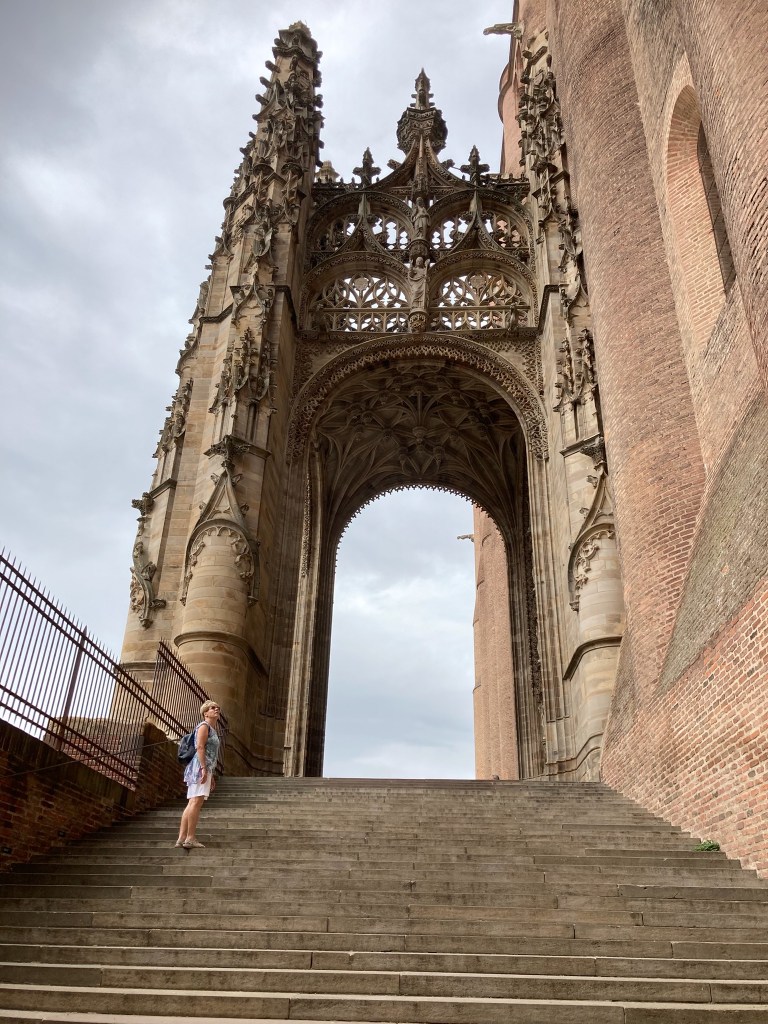
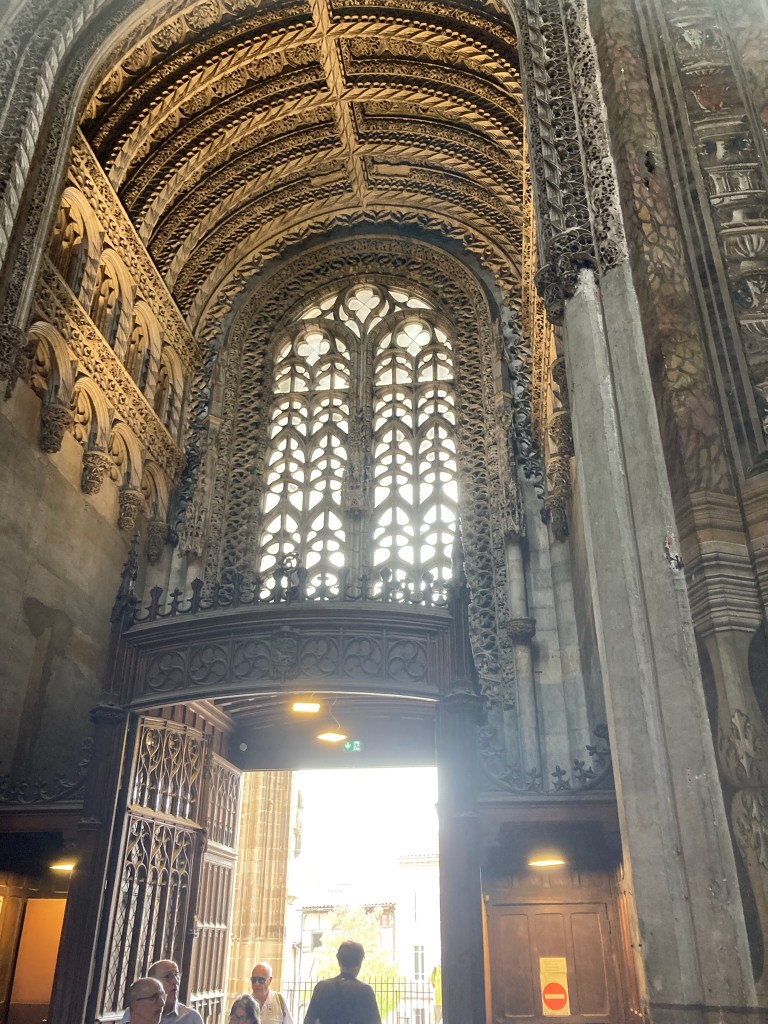
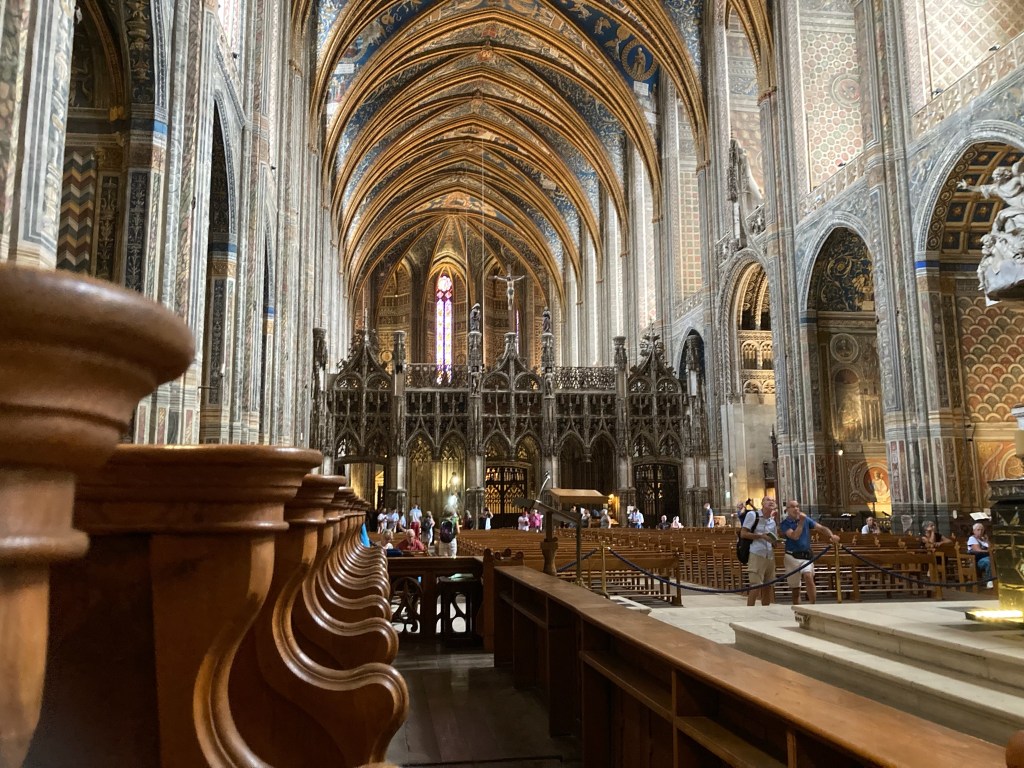
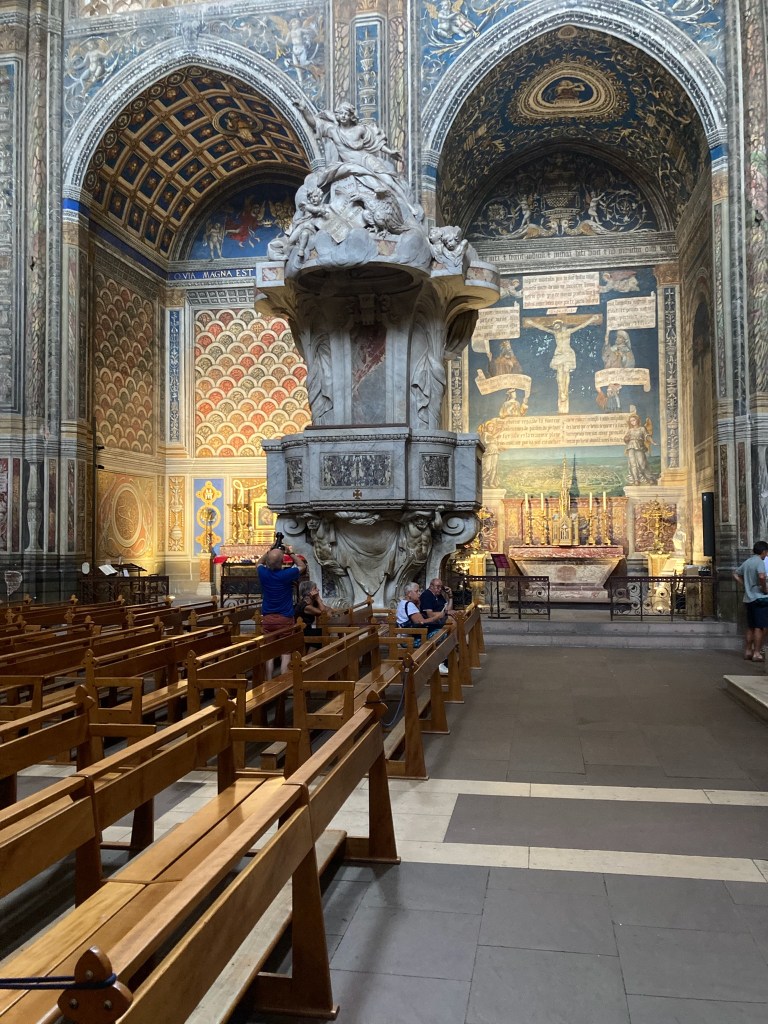
Entrance and Interior Cathedrale St Cecile
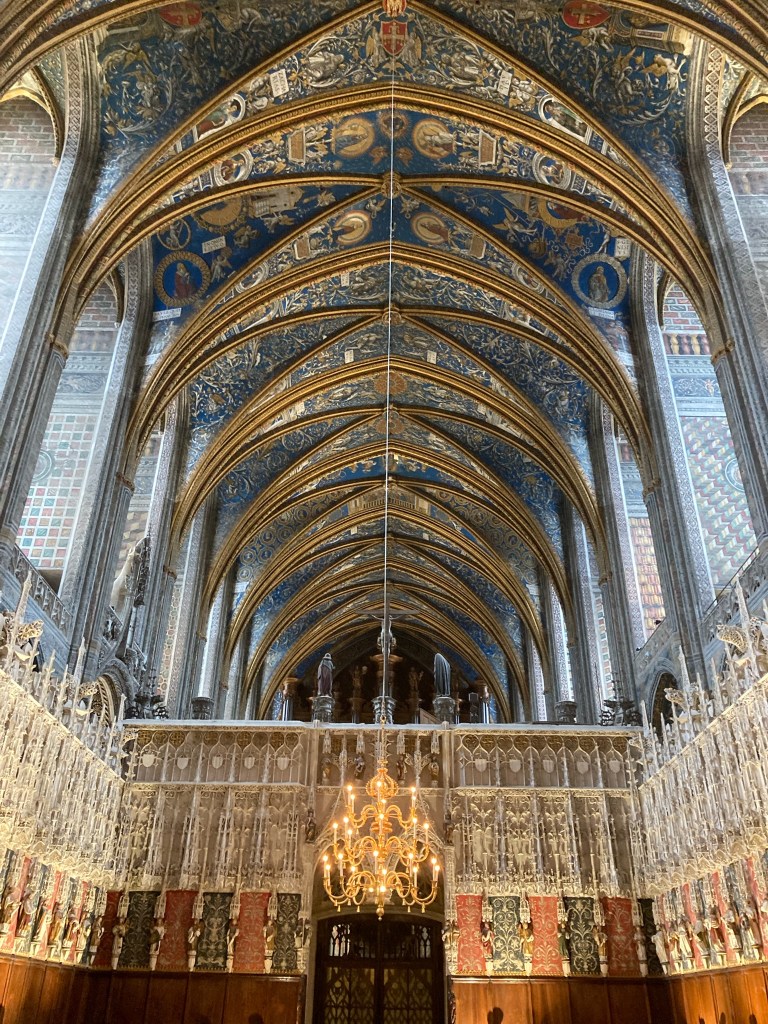
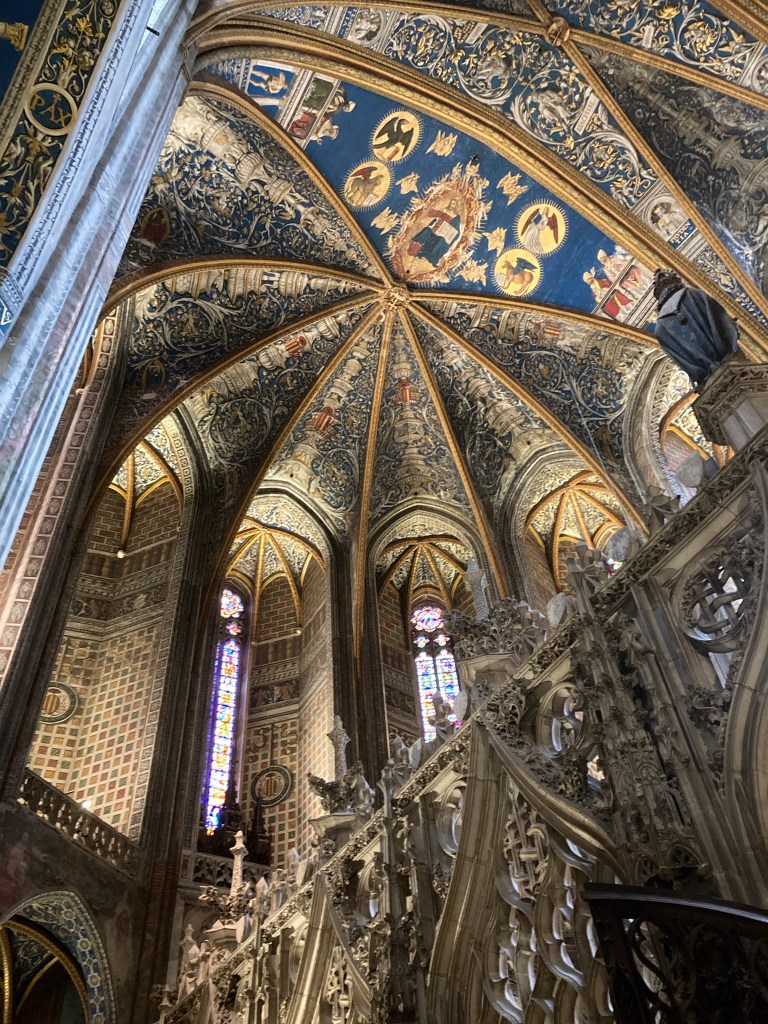
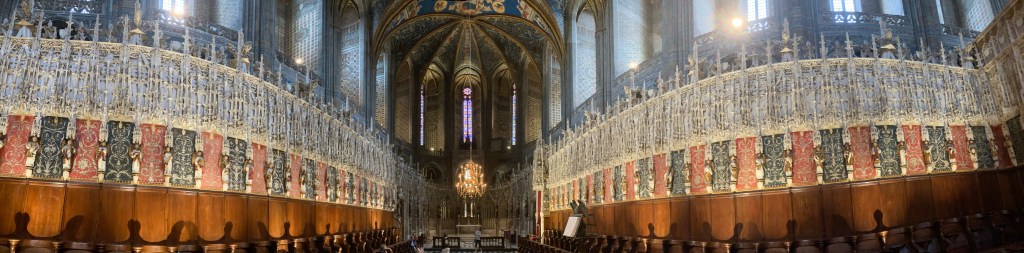
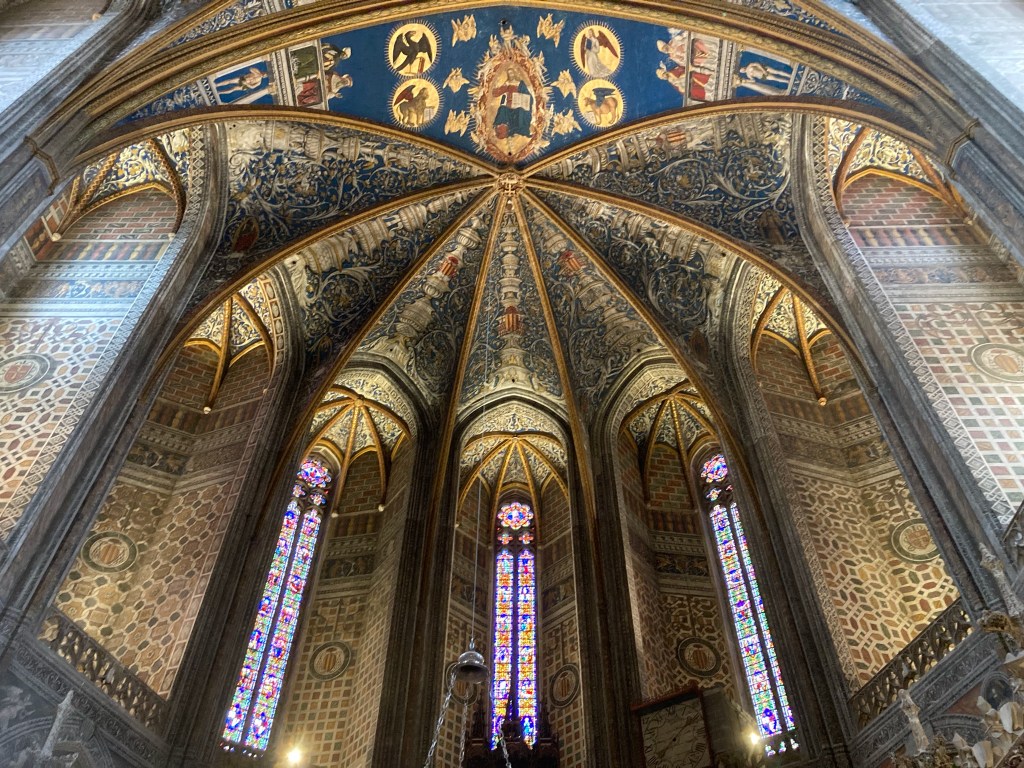
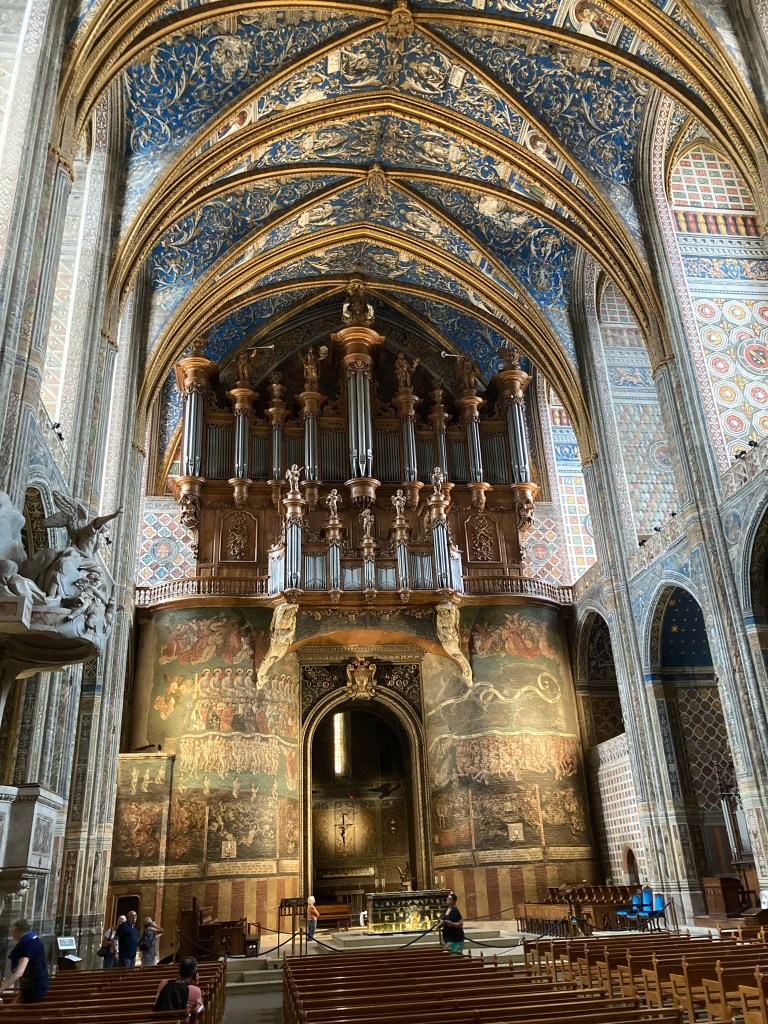
But for us the crowning glory of Albi must be the interior of Cathedrale St Cecile, largely painted some 500 years ago , not renewed since and today still in wonderful condition. Just using a modern IPhone we have attempted to capture the incredible workmanship of so many artisans over the centuries that have created and today maintain this Cathedral – :-

Lisle sur Tarn
About 20km west of Albi lies the small town of Lisle sur Tarn, again with 13th century history and more wine growing it being closer to Gaillac and its appellation. On the day of our visit we had spent the morning completing a decent 9km countryside walk around the hamlet of Tecu, not far from Lisle. The Albi Office de Tourisme had given us some excellent “walk sheets – randonnes”, this one was entitled “douce collines “ – “gentle hills”. And it was definetly “douce collines “ but the day was a hot 32c.
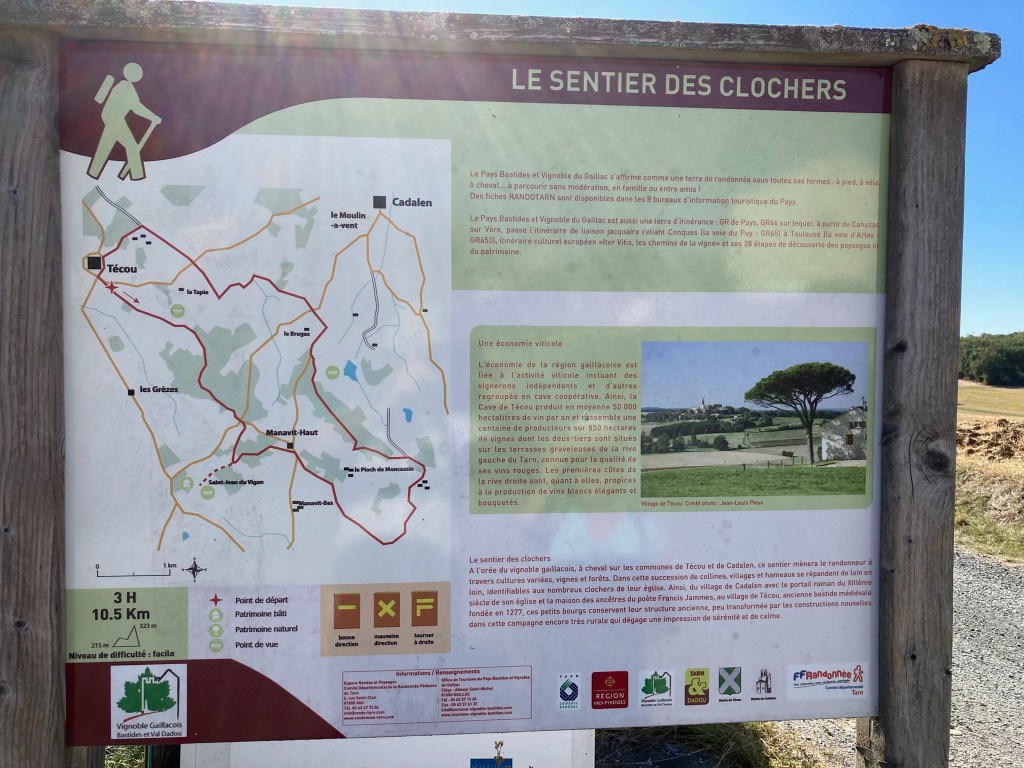
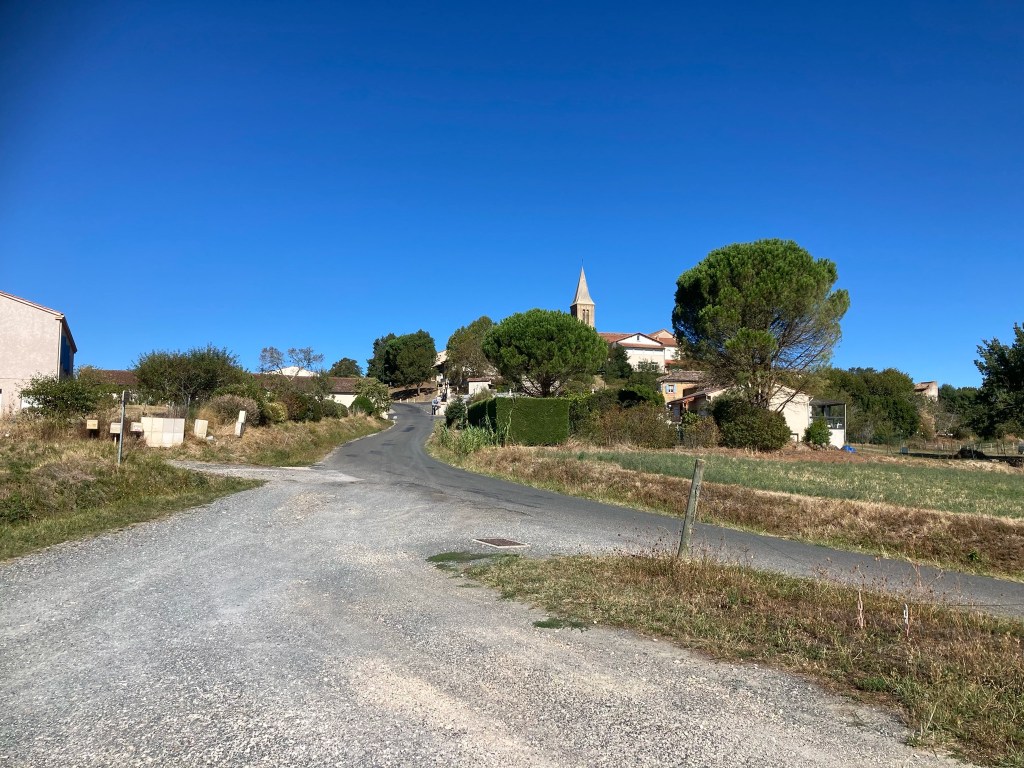
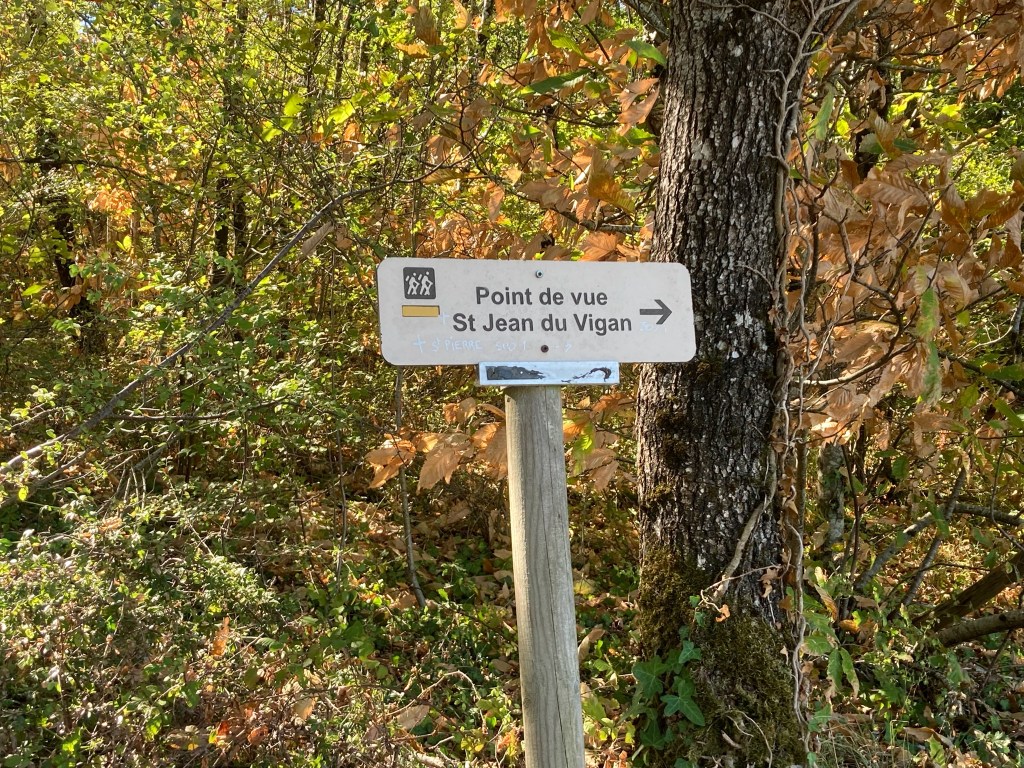
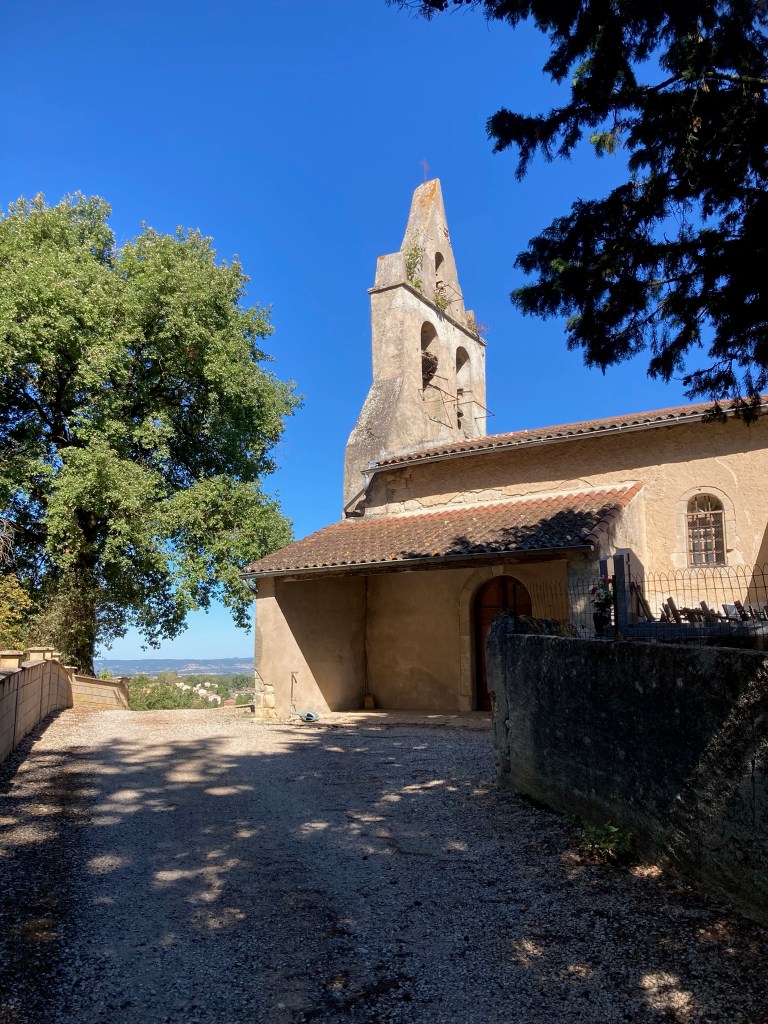
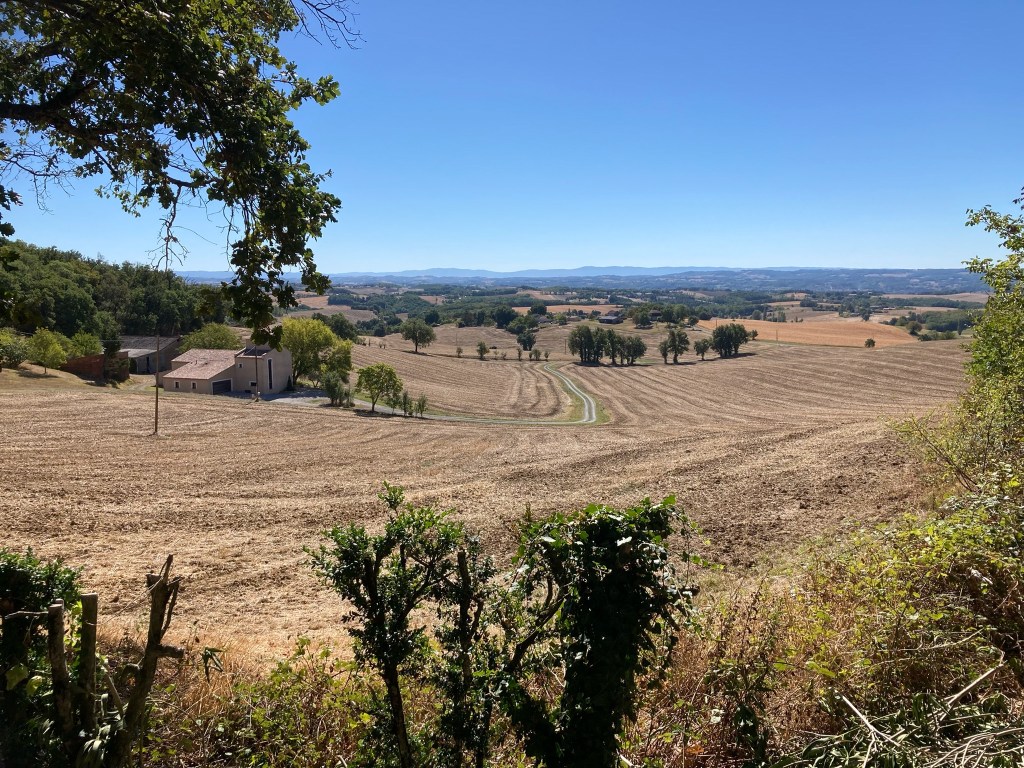
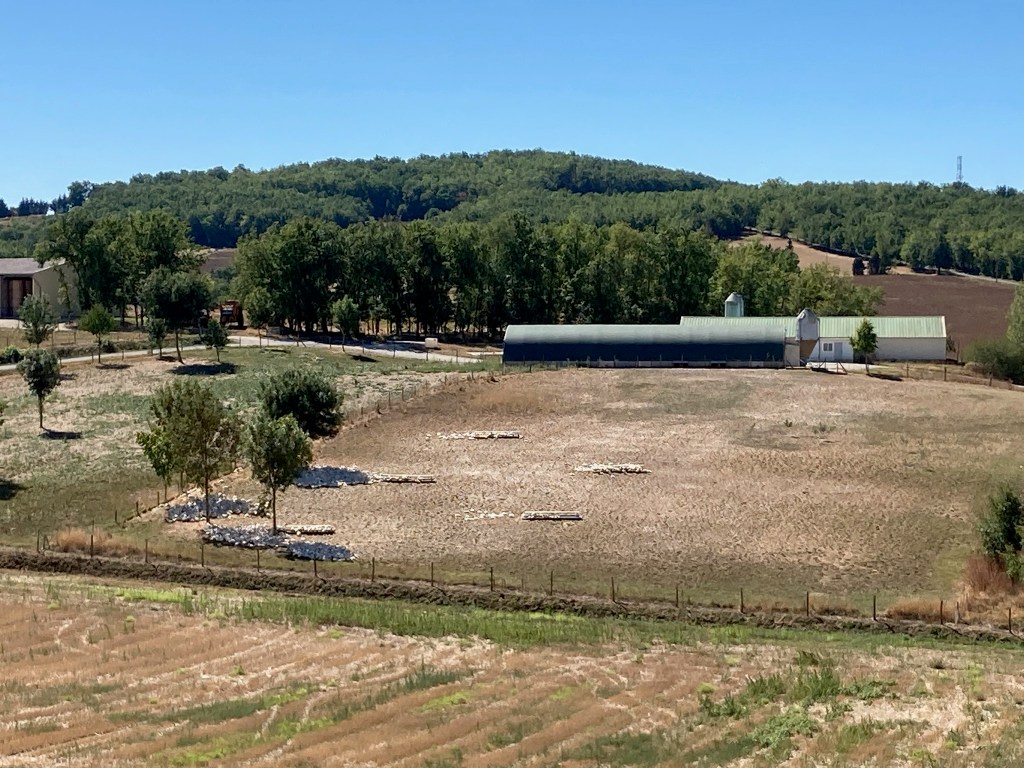
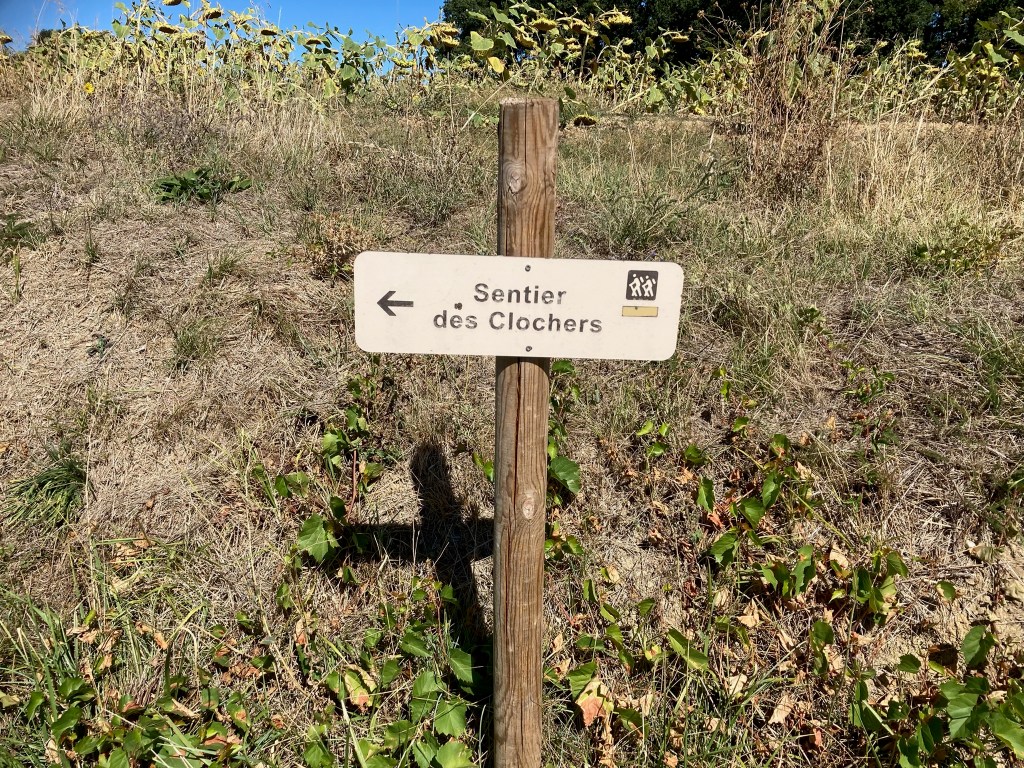
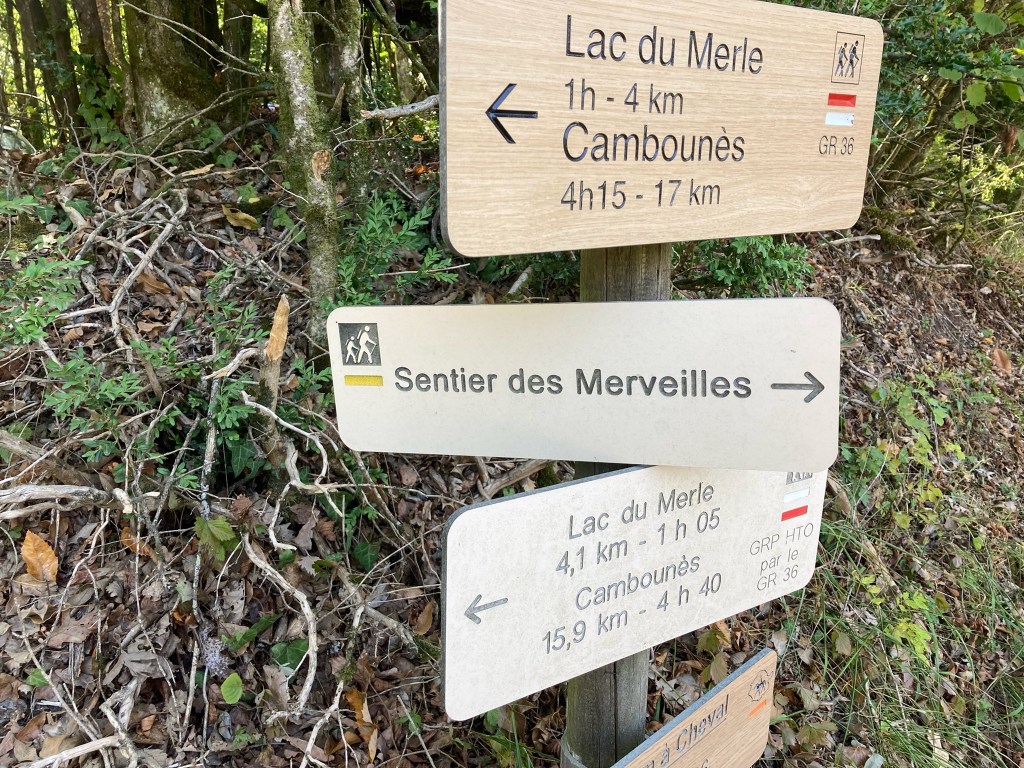
The trails for this walk and many others in France are really well sign posted. This one and the others we walked in the region are shown as “Sentiers “, with blaze markers on the trail showing in yellow paint on a tree or a rock or a building, the direction be it straight, left or right turn or X – not this way!!
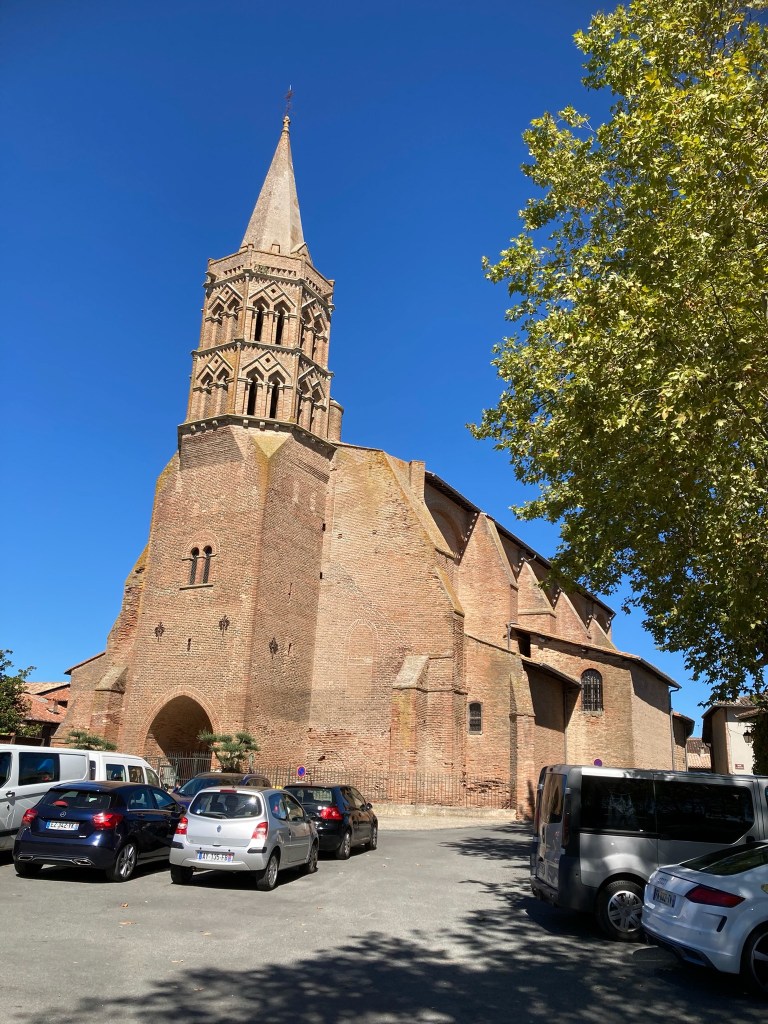
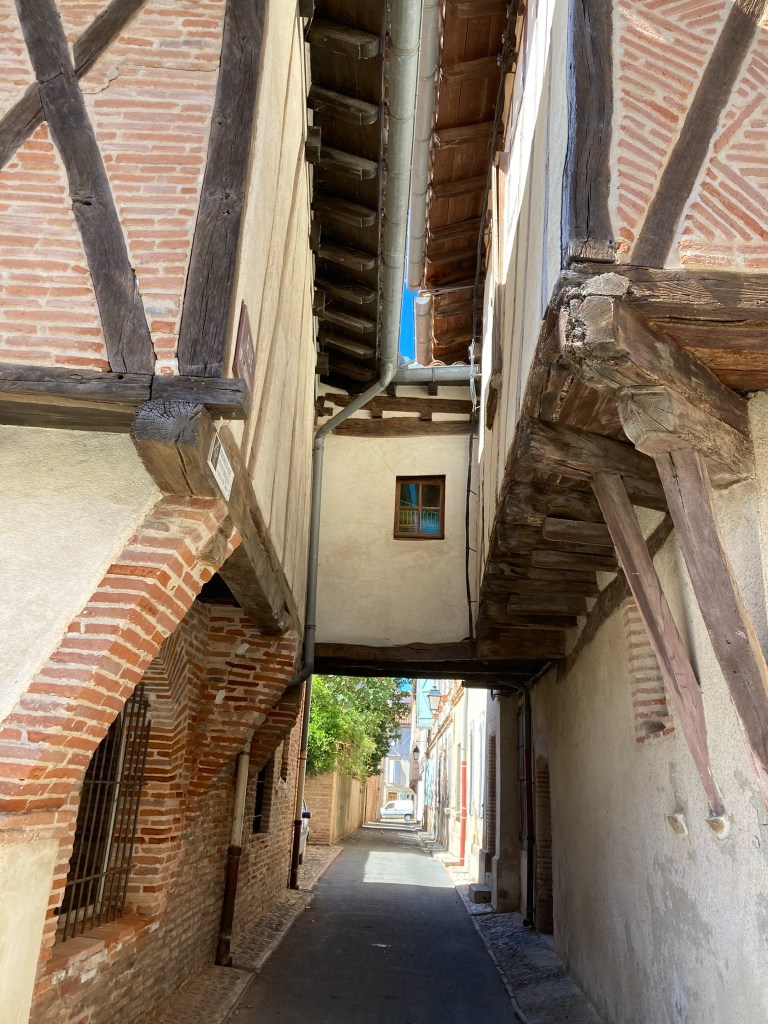
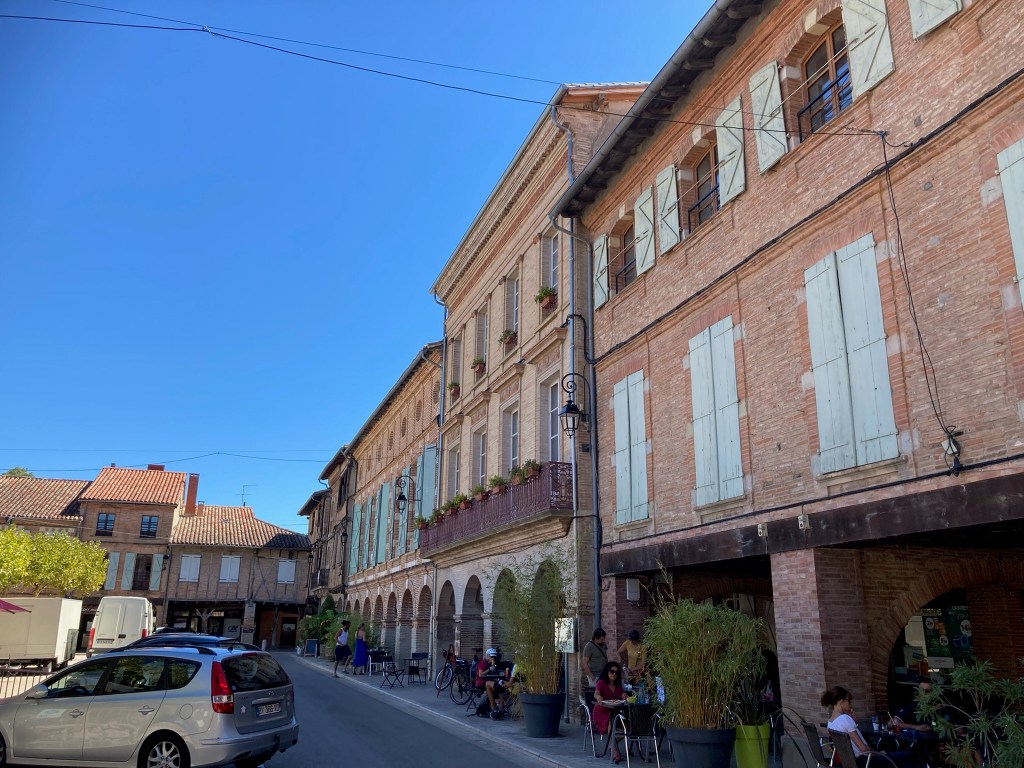
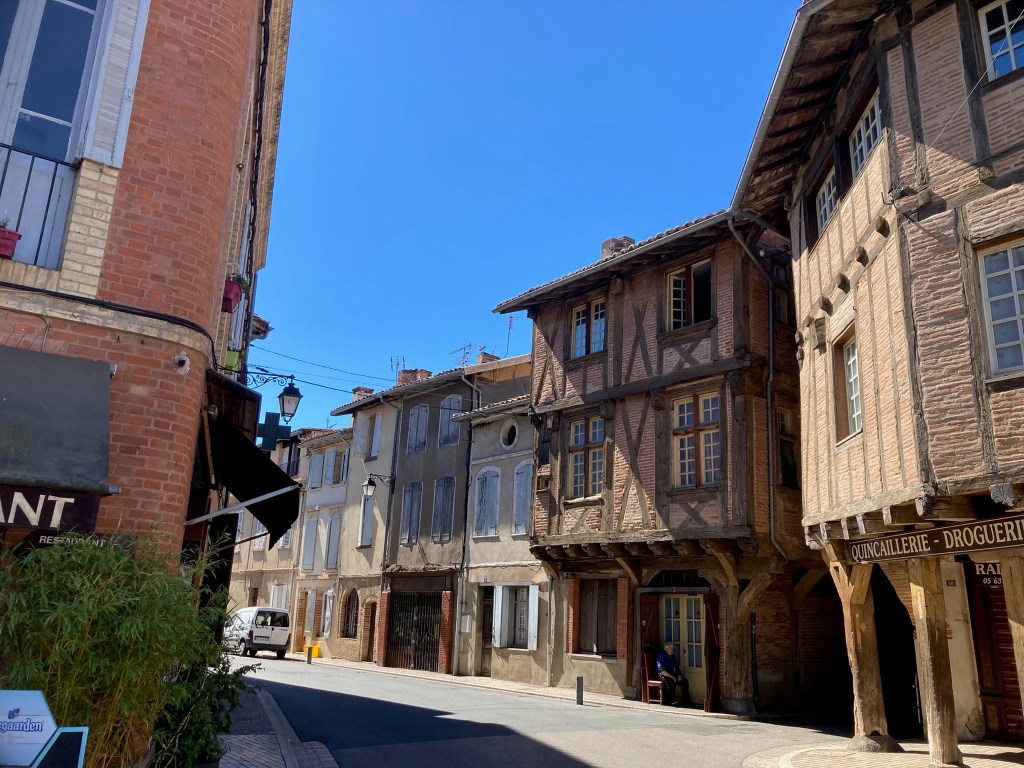
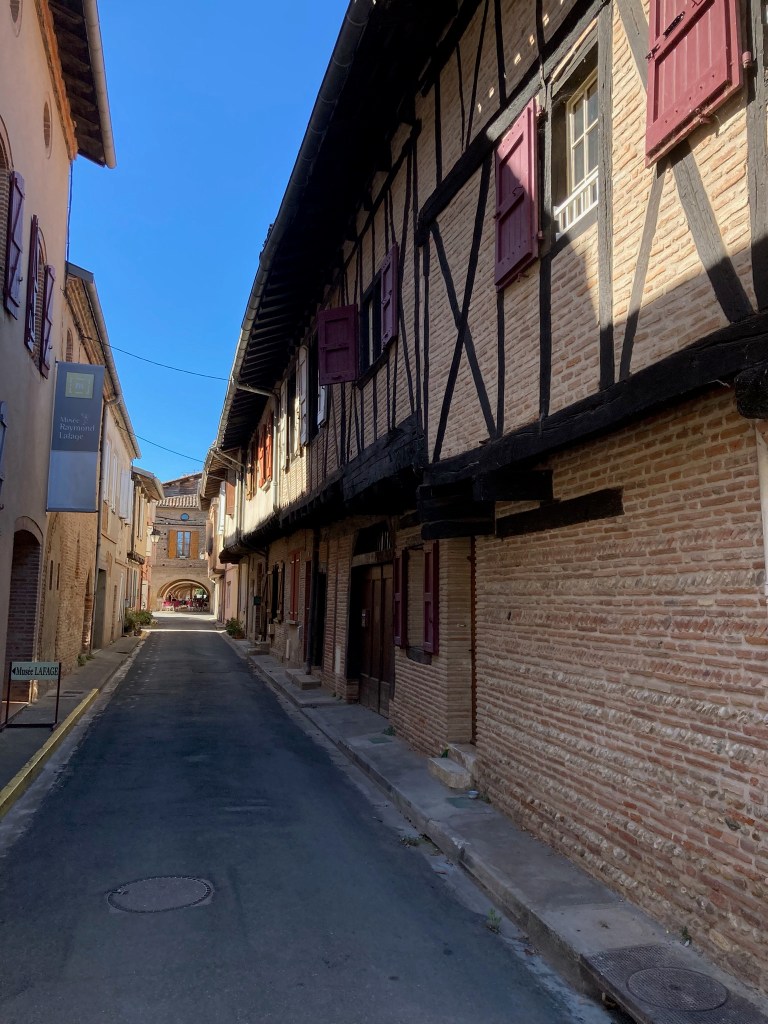
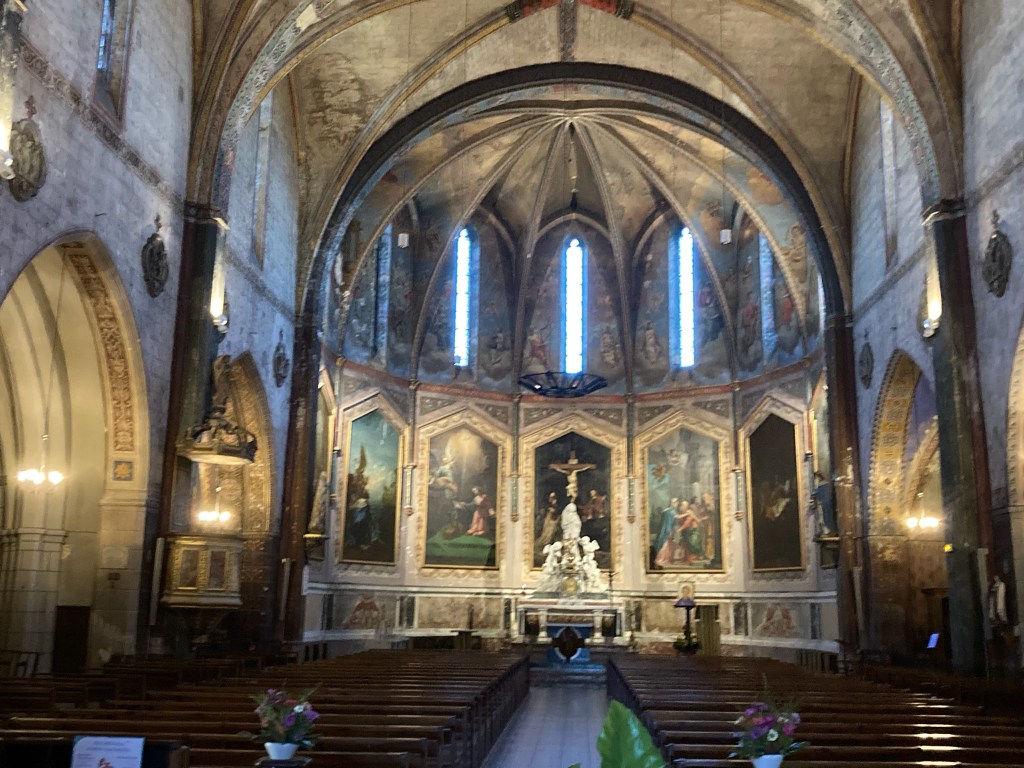
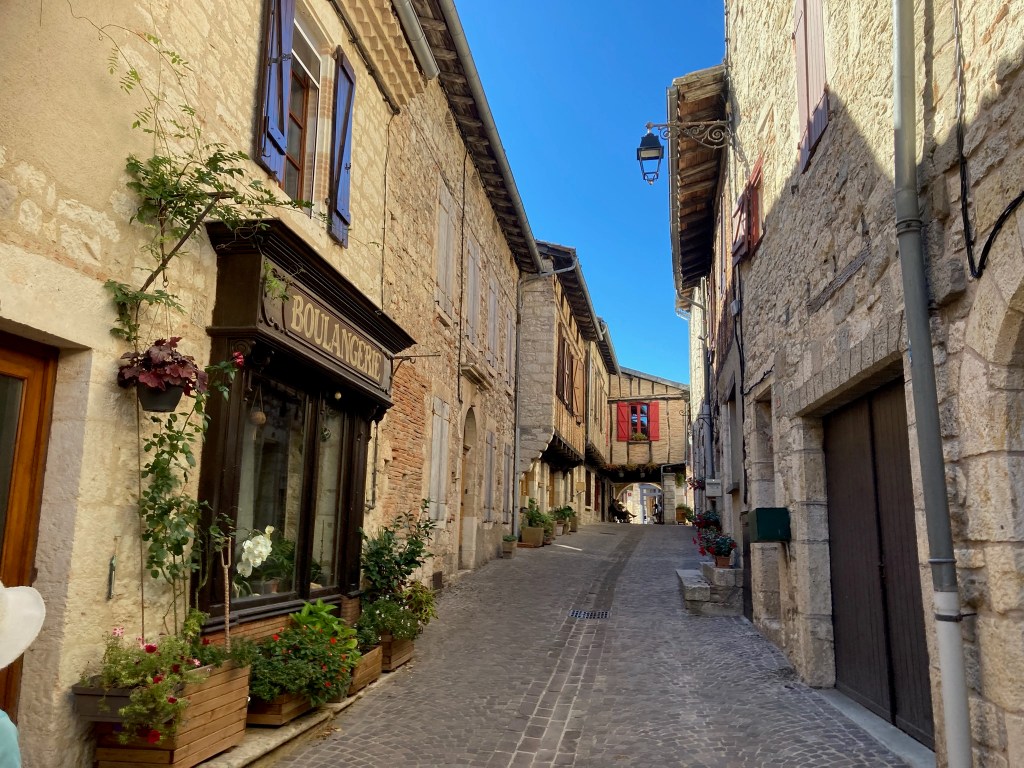
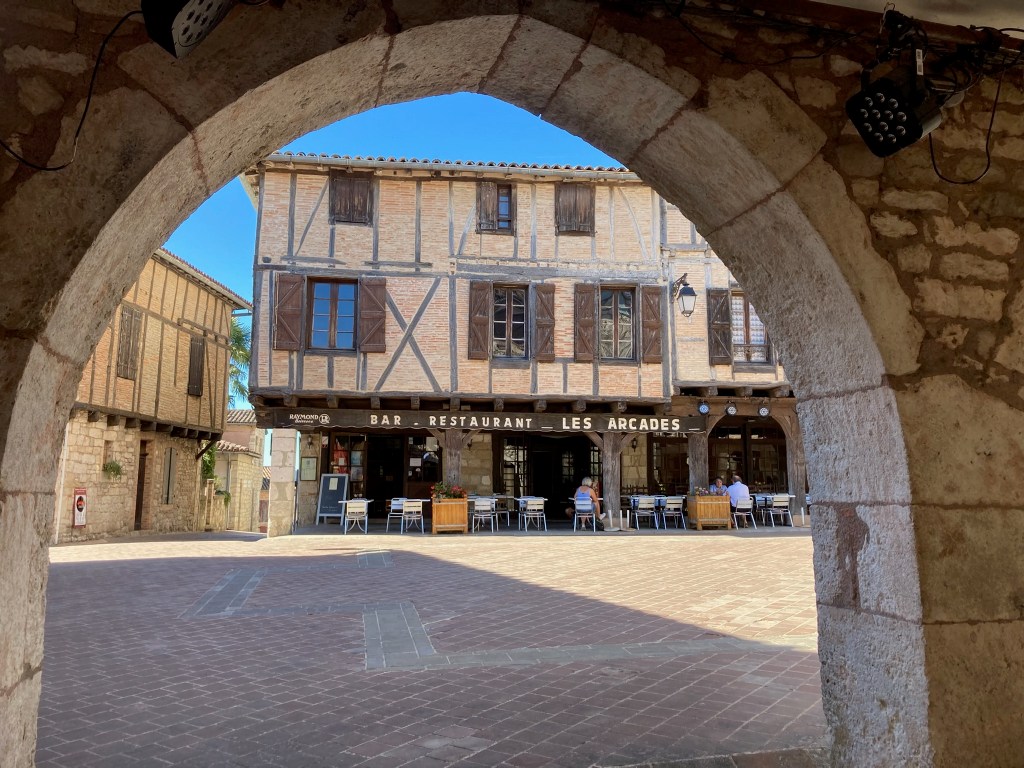
Lisle sur Tarn is just super pretty with most of the old 15/16th century timber and terracotta brick. Most of the wattle and daub rendered houses are beautifully restored with the villages central square & its archway arcades its focal point. Yes yet another French beautiful church and overall a lovely spot where we enjoyed a late lunch as we admired these views.

Castelnaud de Montmirail (CDM)
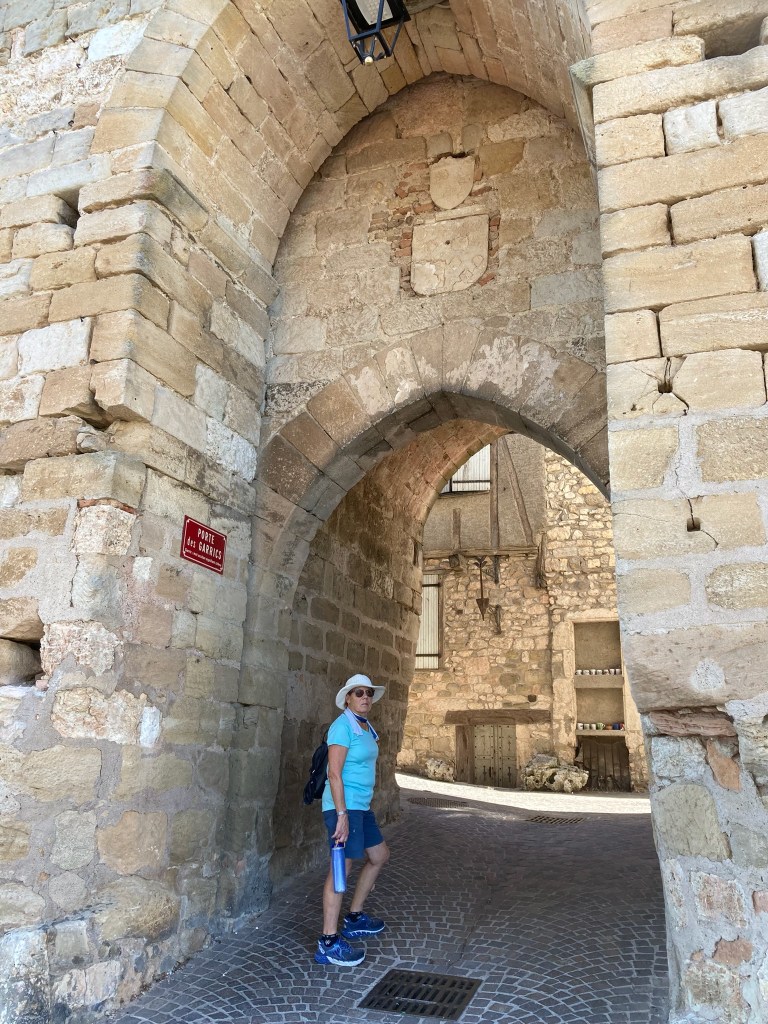
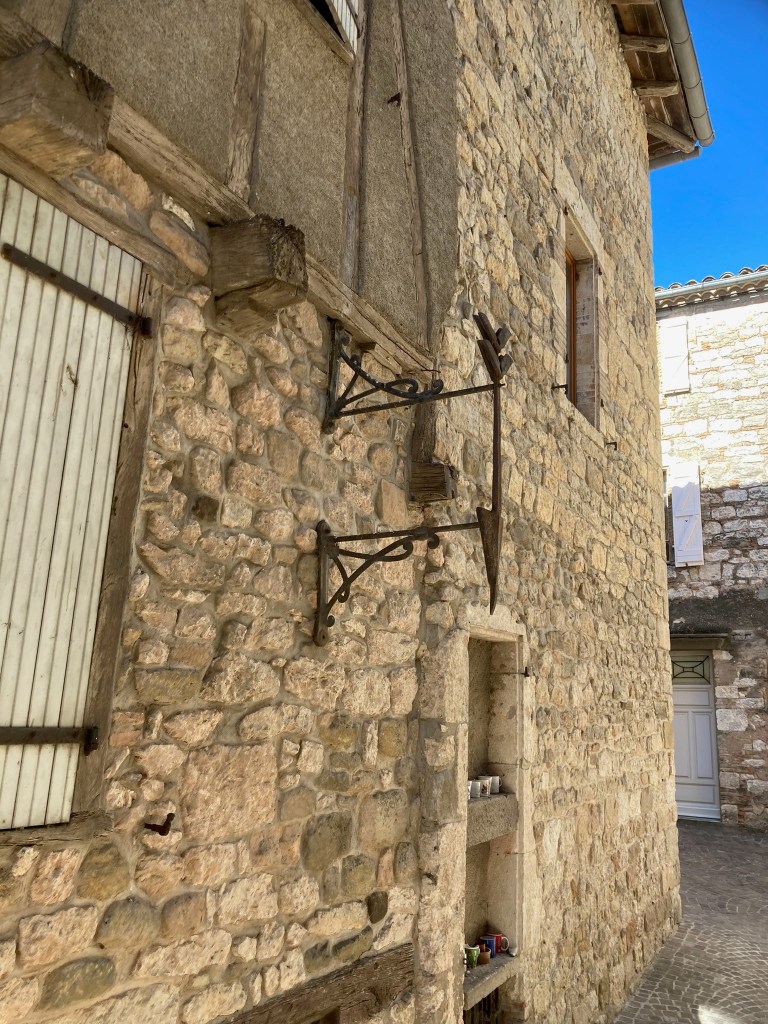
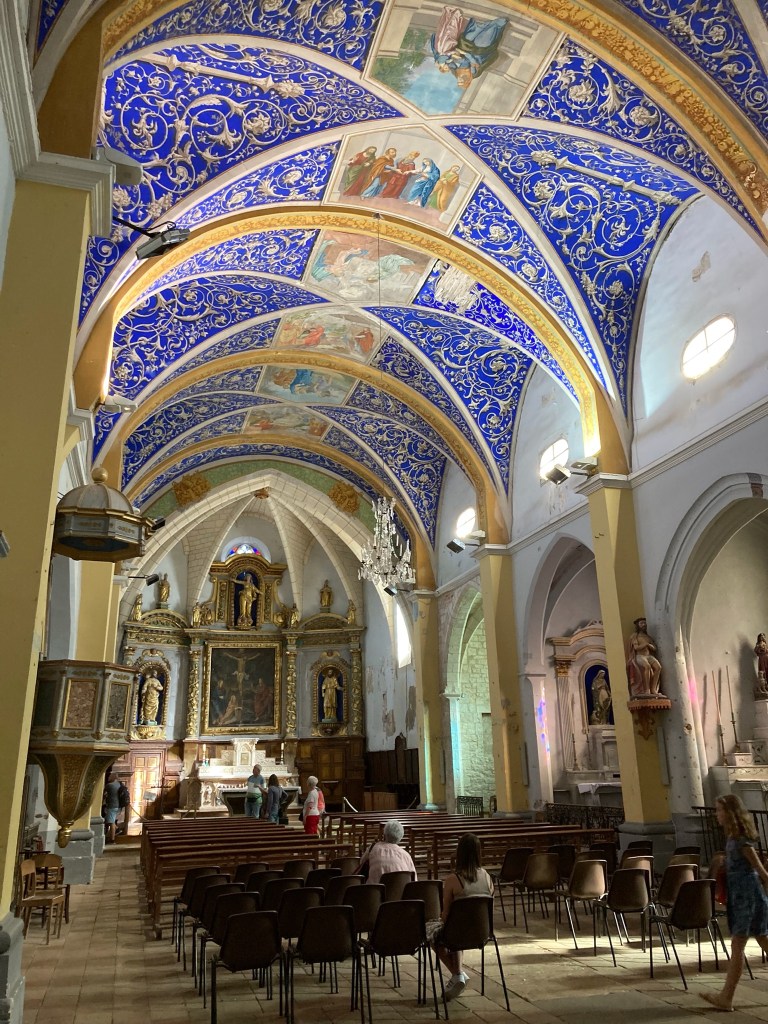
CDM is a small version of Lisle but this time not by the river but set up on top of a hill, with gates plus ramparts to protect, a pretty central square and lovely little church with a stunning painted ceiling. Again the houses are beautifully restored, but it is a bit of a tourist Mecca!
Sidobre
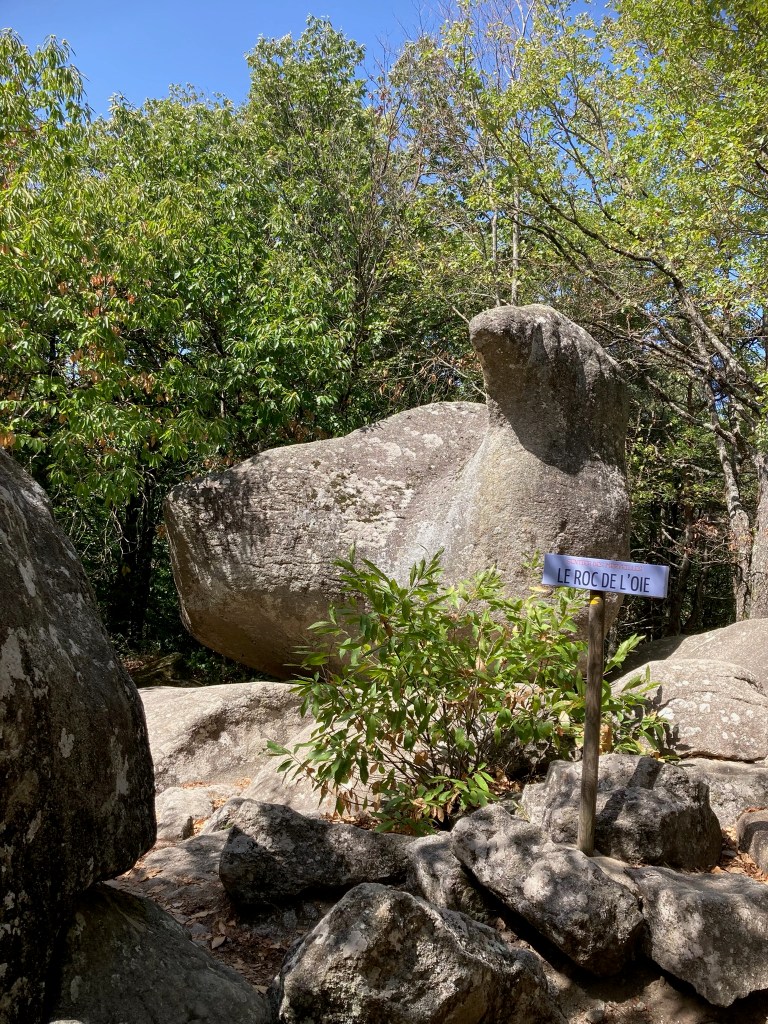
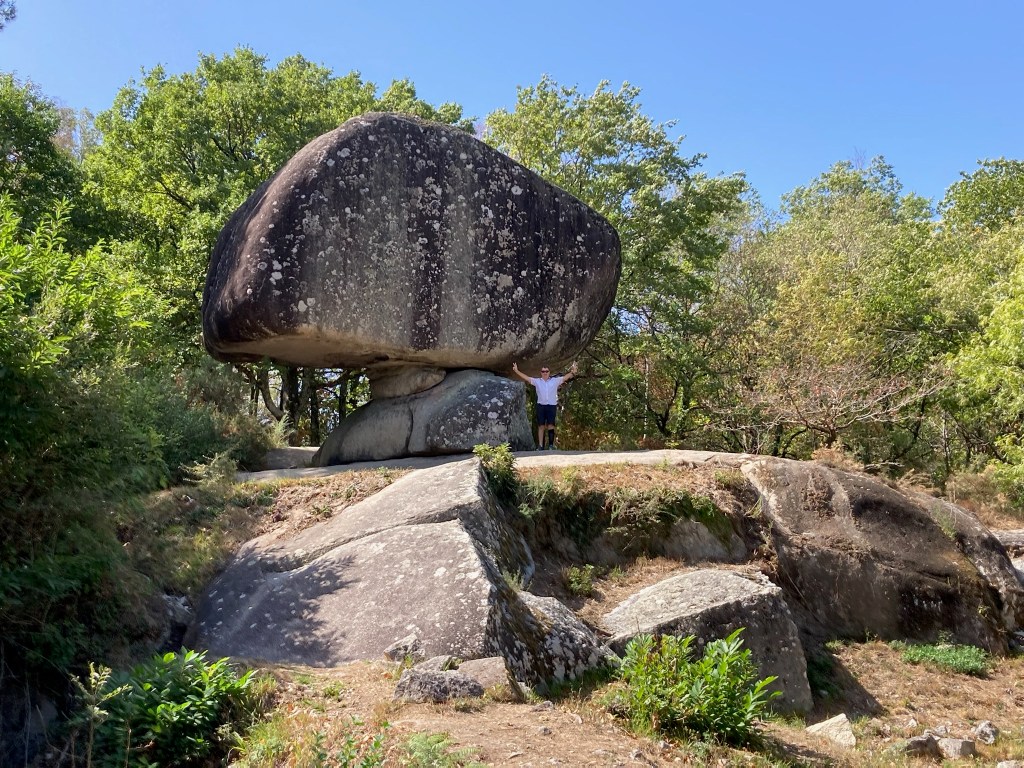
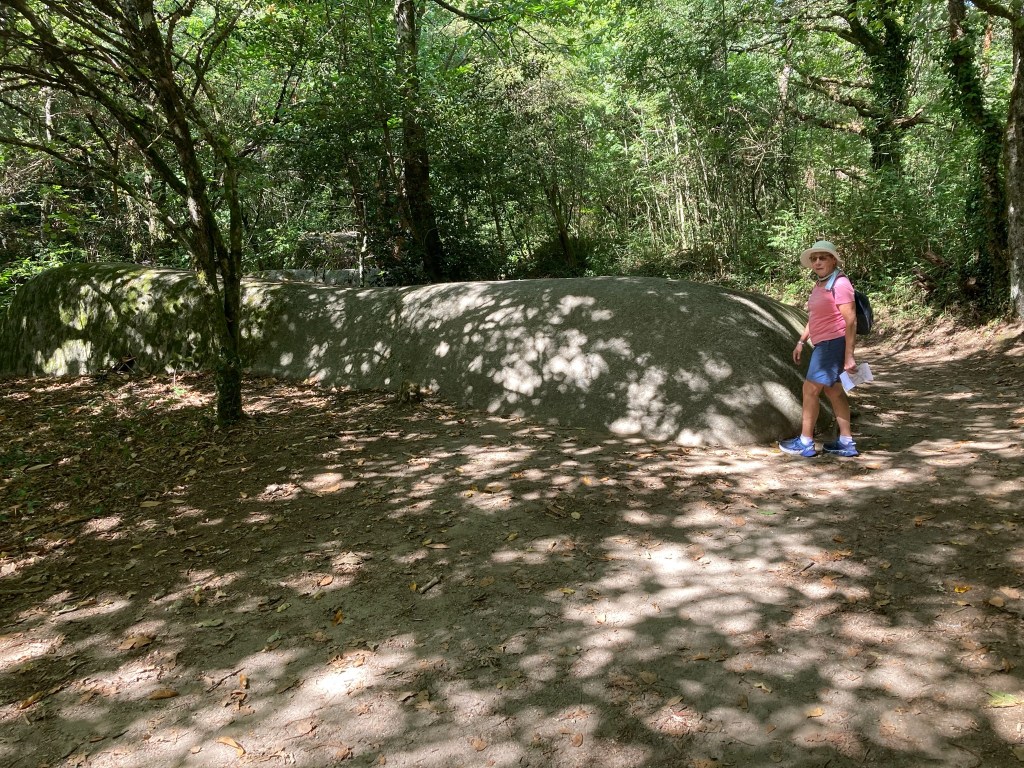
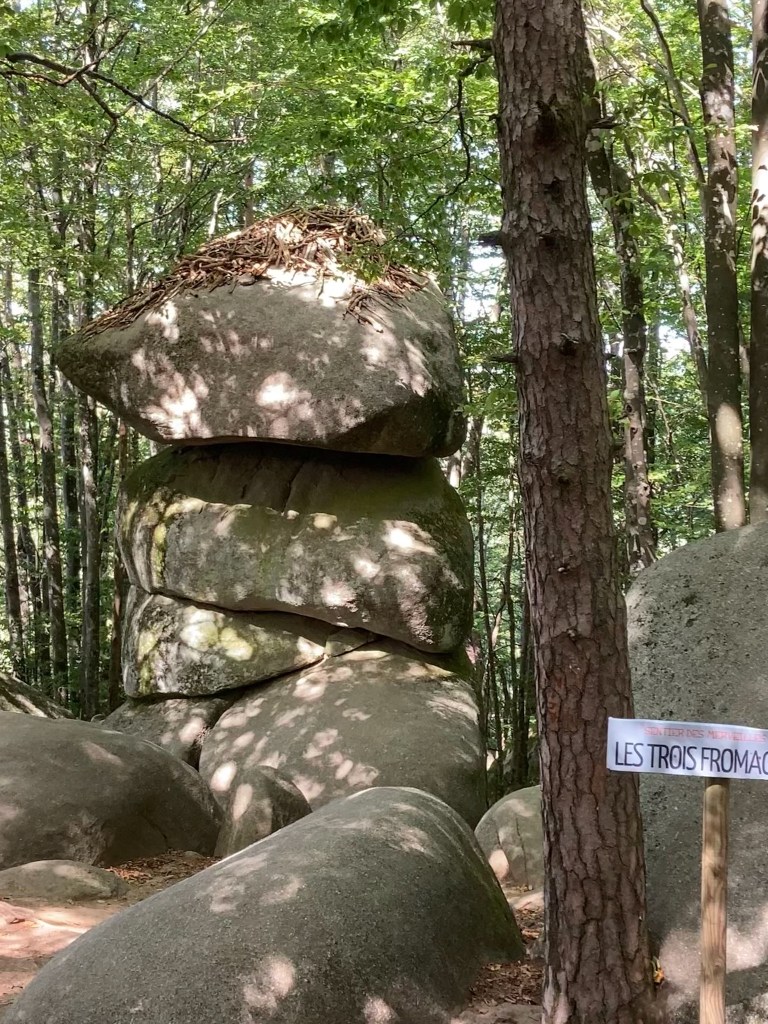
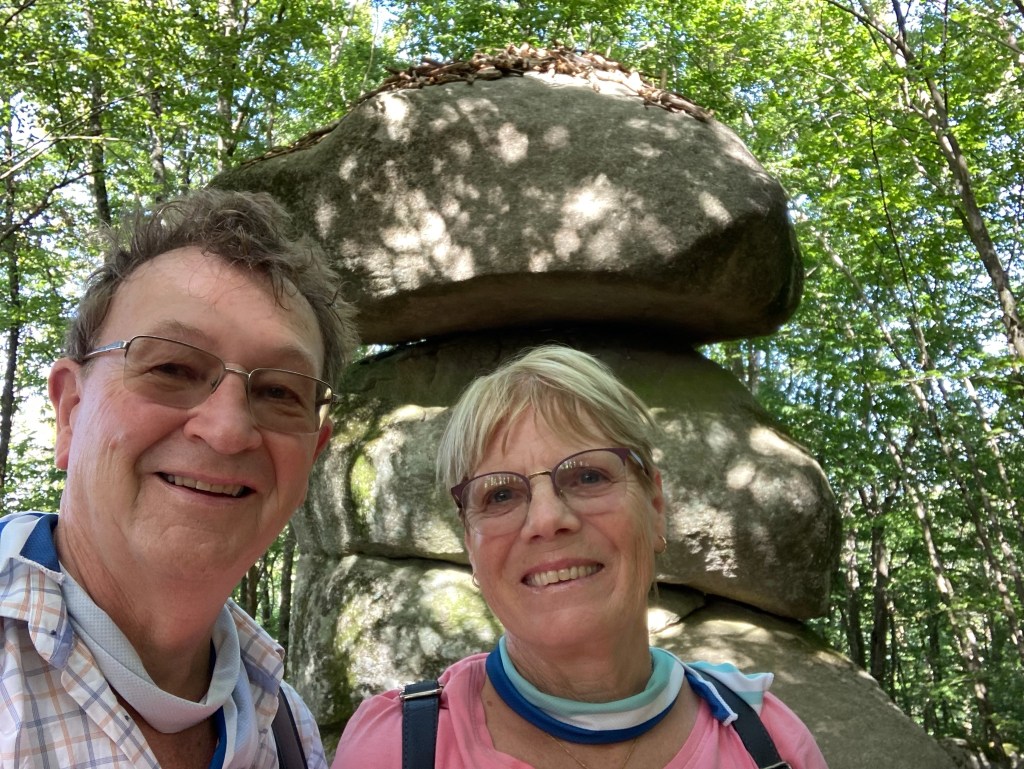
South of Albi towards the Montagne Noir lies the exposed granite area of Sidobre with rocks that a Millenia of weather exposure has left in wonderful shapes and interesting rocky positions. Again we did a “Sentier walk” around a number of the “rocks – roches “, after we had enjoyed a lunch in a local restaurant that was mainly serving the local granite quarry workers. Anyway the “plat du jour” at Euro15 each, provided us with a fresh salad starter, roast pork and ratatouille, a plate of varied cheese, apple tart, coffee and a 1/4 litre of local wine – fabulous simple food and great value .
Sommieres
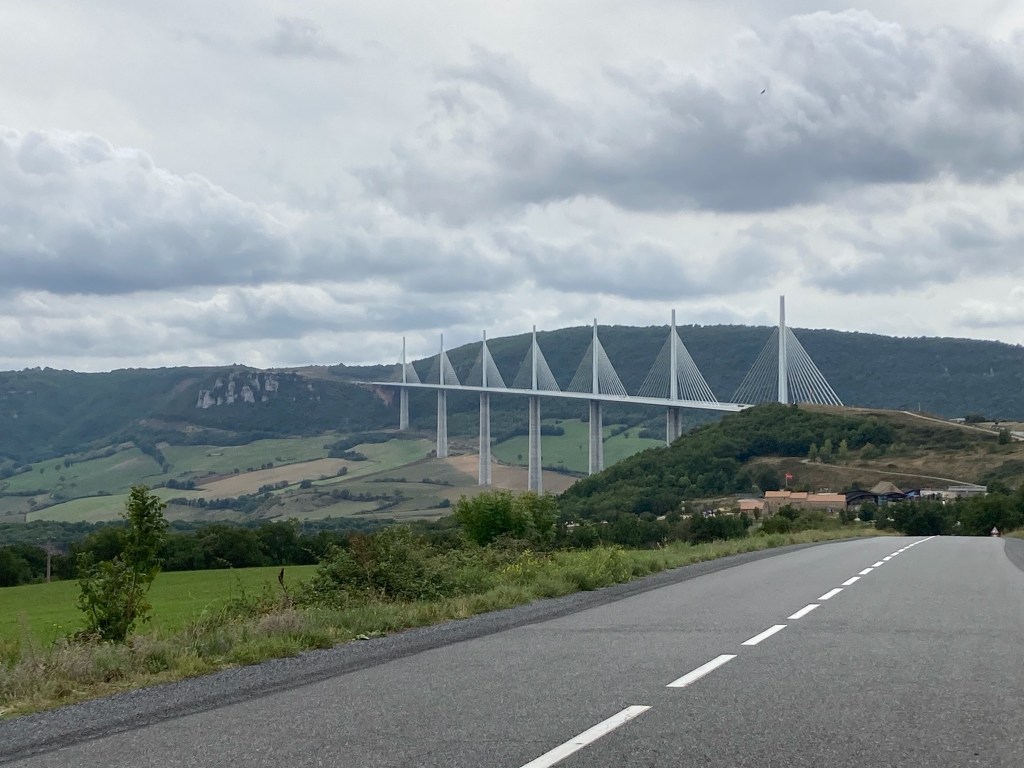
We had 3 nights booked at AirBNB in Sommieres, a small town about 30 mins drive north east of Montpellier. We had visited its Saturday market many years ago and wanted a short stay there to explore the old town and its environs. It’s further west from Albi heading towards the Mediterranean, about a 4 hour drive avoiding the toll roads. We enjoyed the drive and the big open countryside – Cevennes mountains to the north, plateaux in between, then deep gorges on roads wth little traffic as we pass through quiet rural villages. En route we passed the famous Millau Bridge that carries its A75 traffic en route from Paris to the Mediterranean.
Sommieres is an old walled town on the banks of the Vidourle River and it’s bridge crossing goes back to Roman times. The bridge now has I think 7 visible arches but there were 14 originally that have been subsumed by the town of Sommieres, as the original tanning industry on the banks of the river encroached more and more. Inevitably, and it seems in September with thunderstorms that occur then, the Vidourle can flood spectacularly. We saw a super photo in the boulangerie of cars on the Sommieres bridge immobilised by flood water as mother nature reclaimed her own.
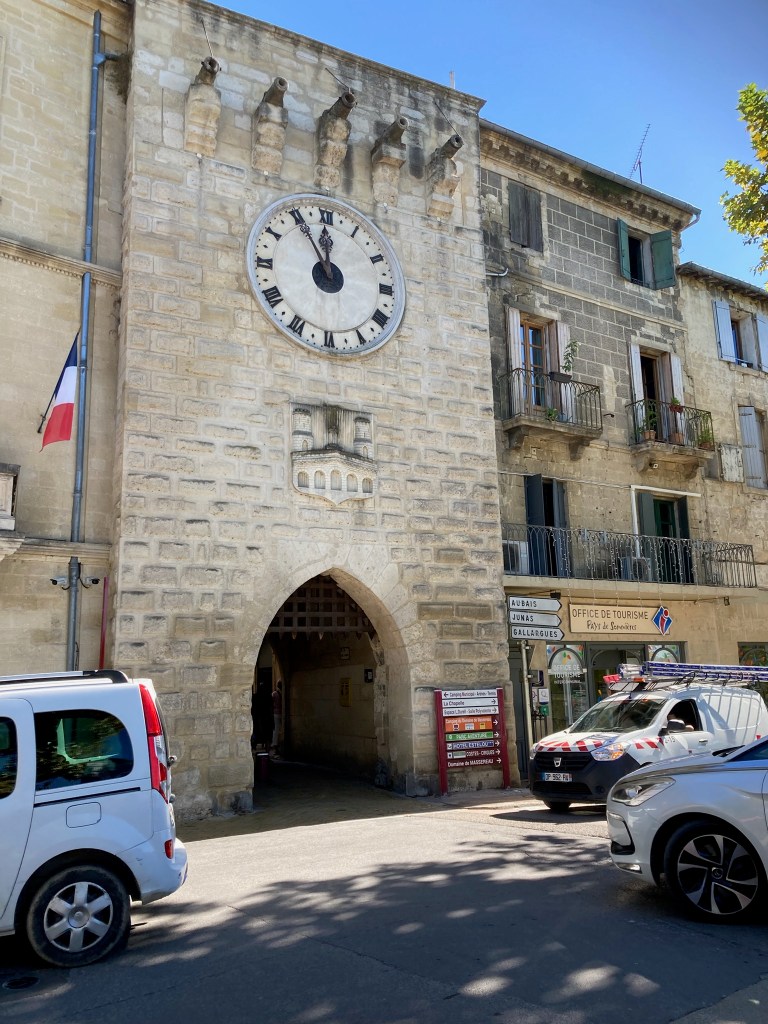
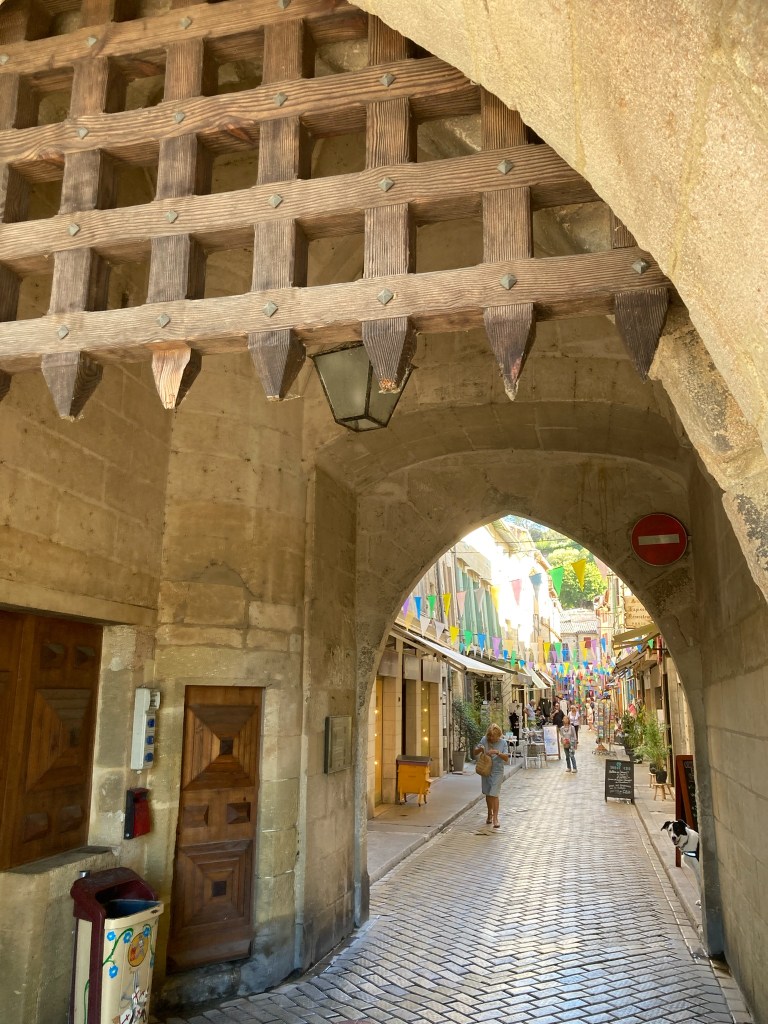
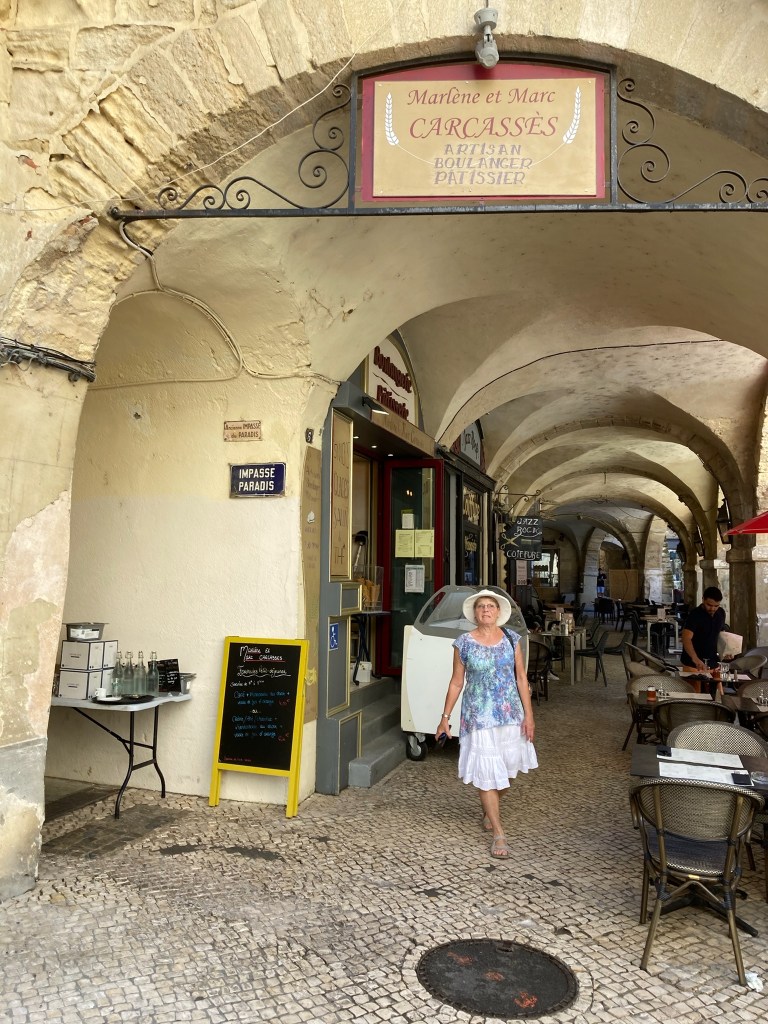
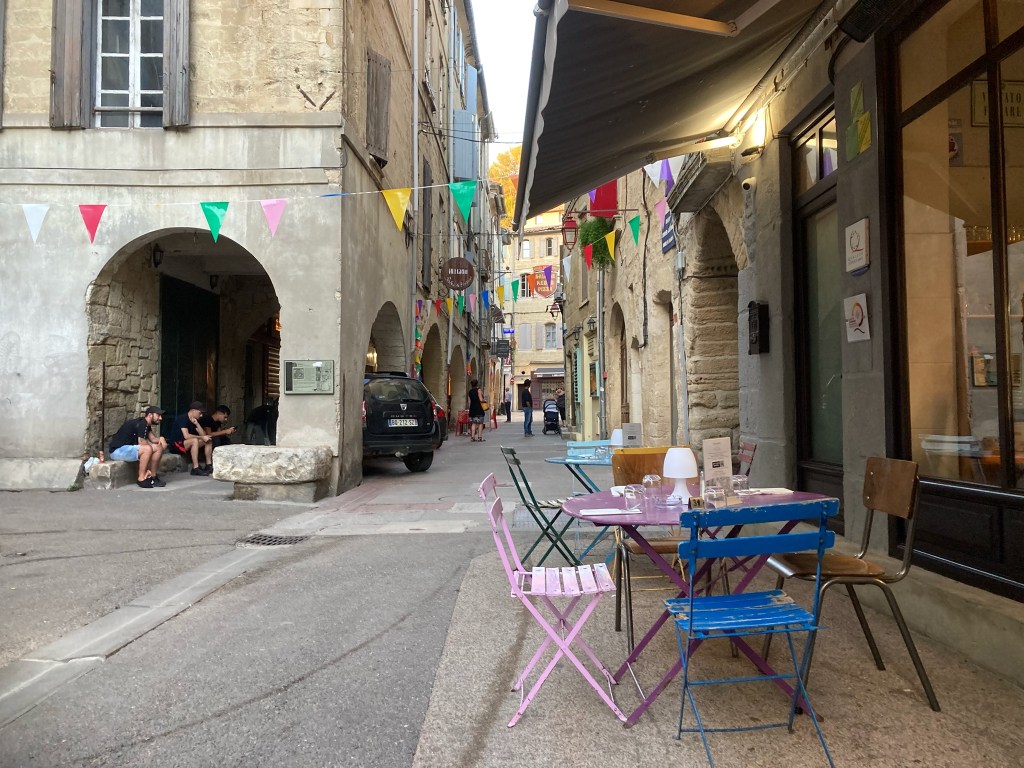
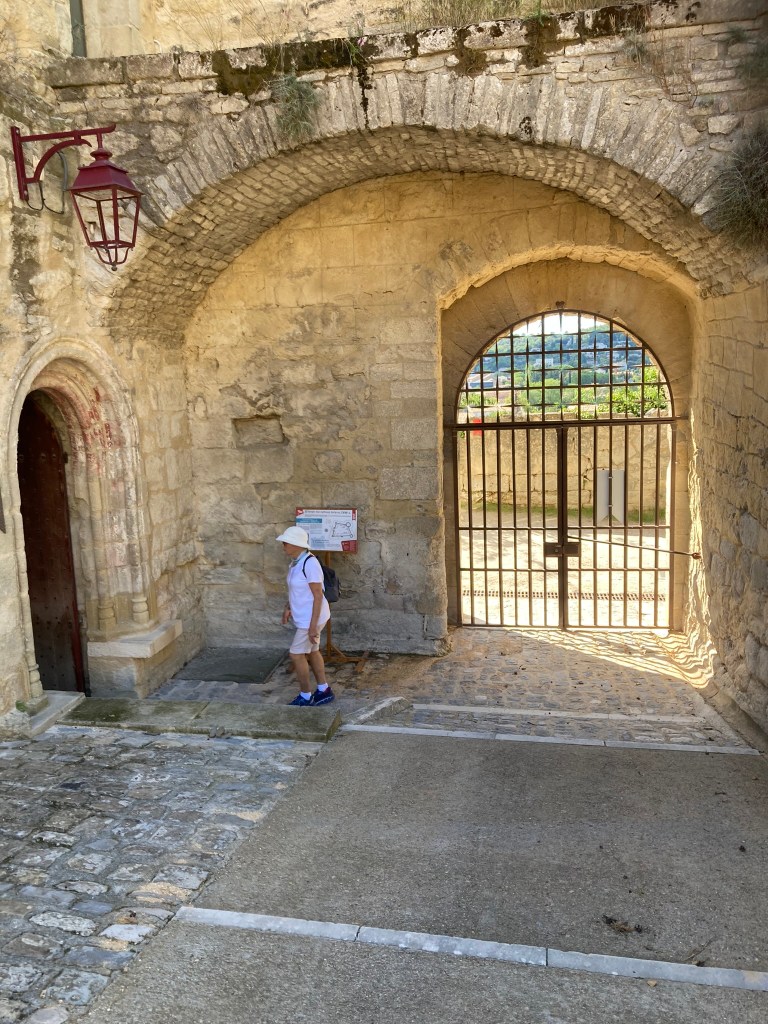
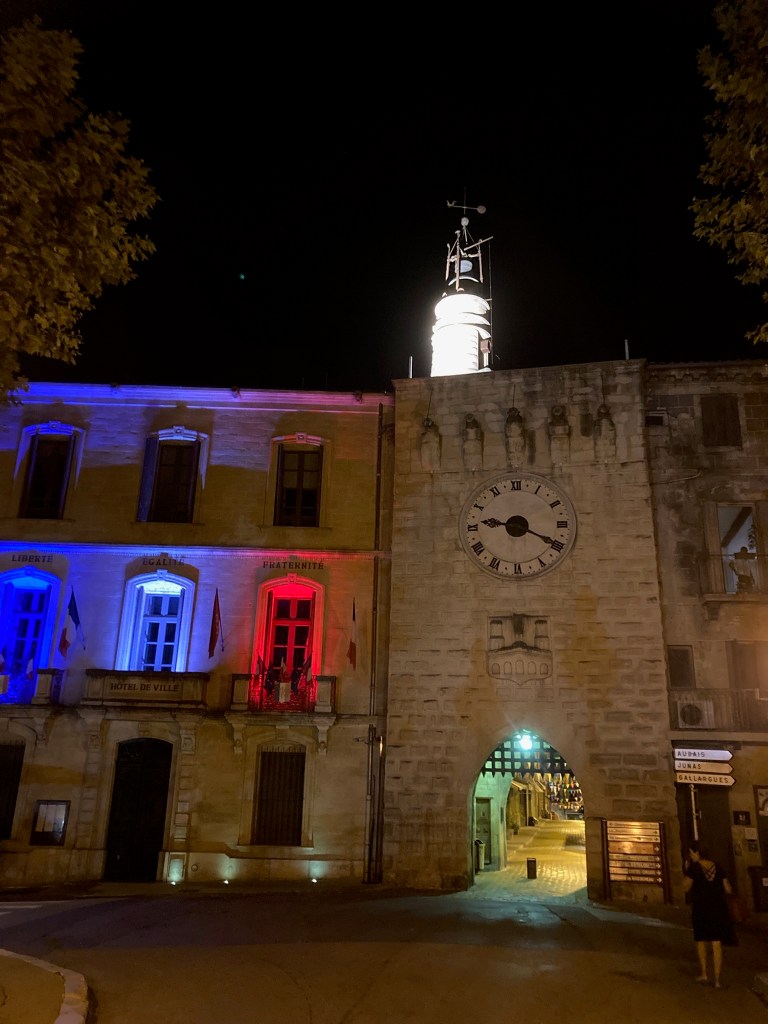
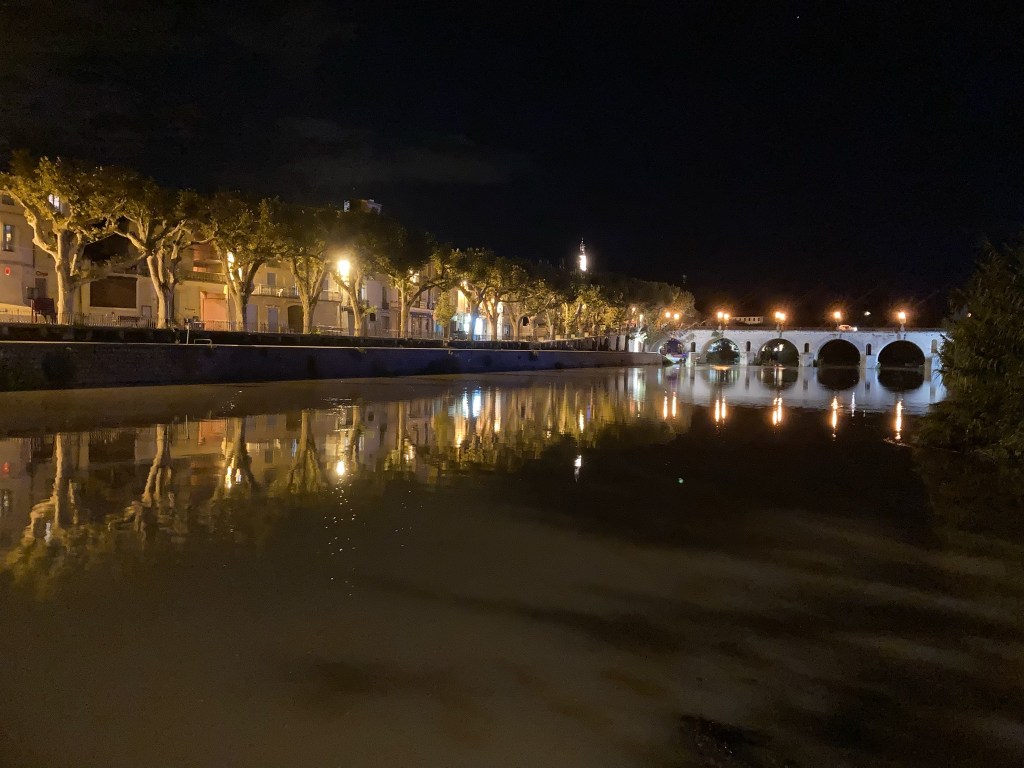
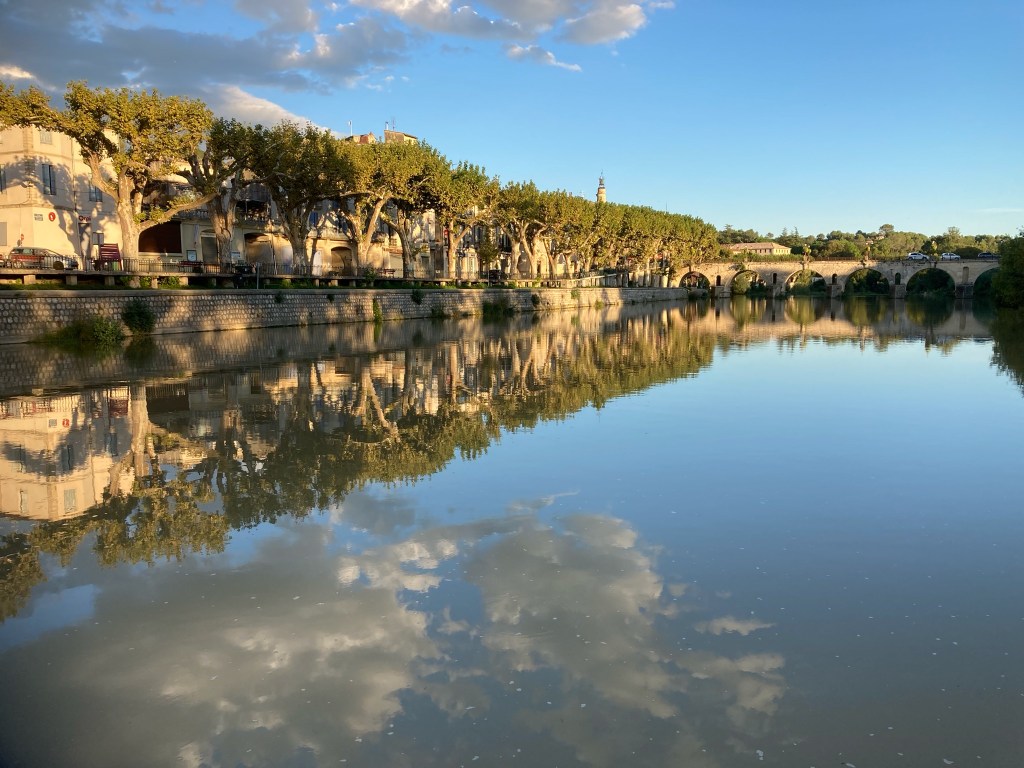
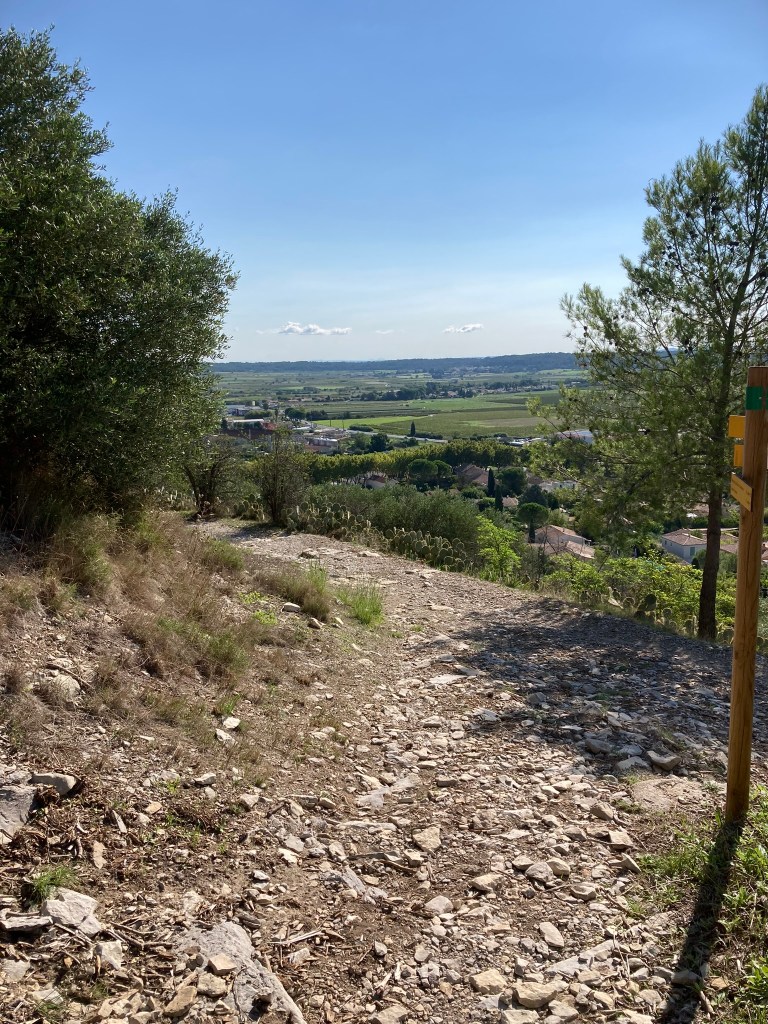
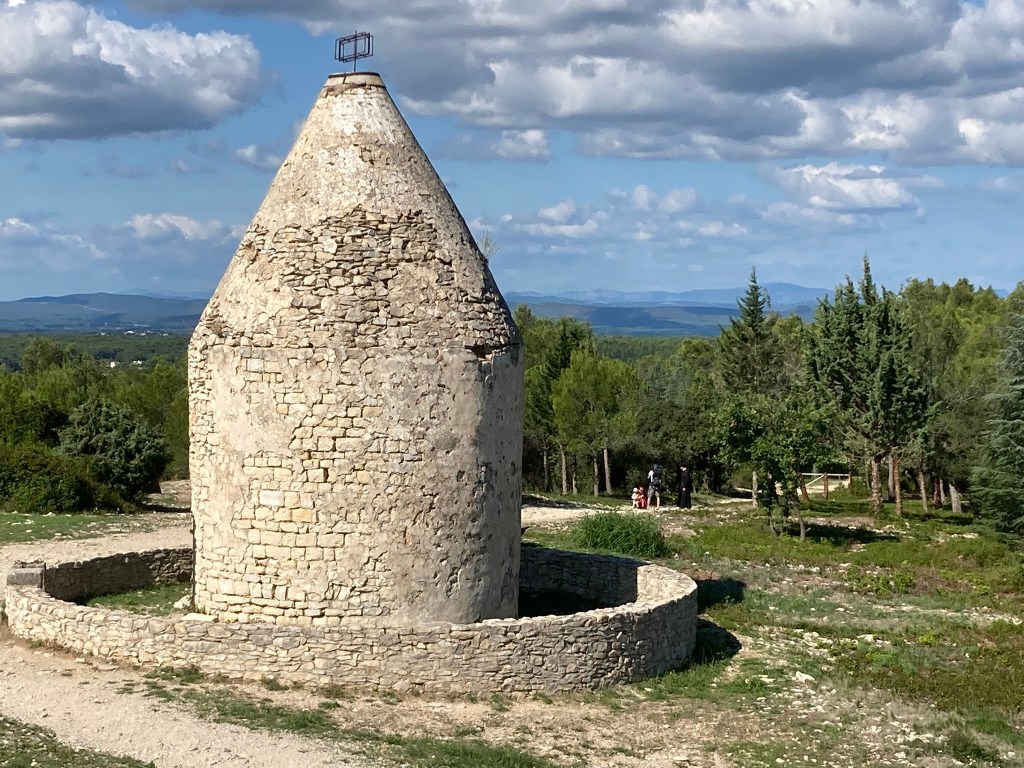
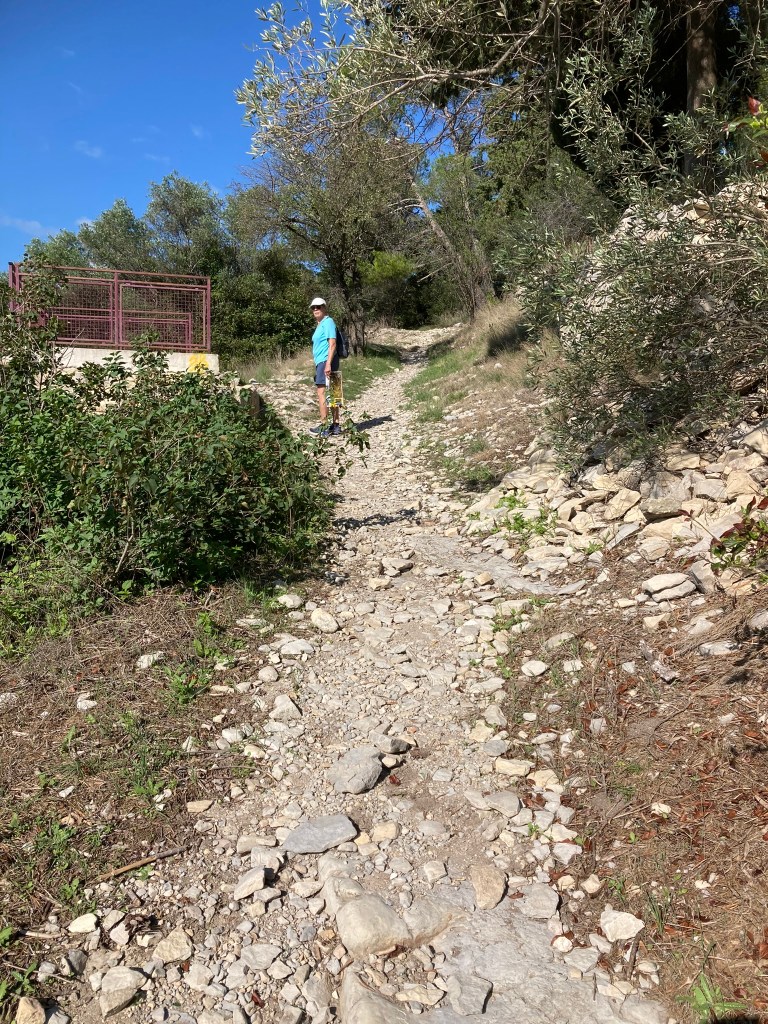
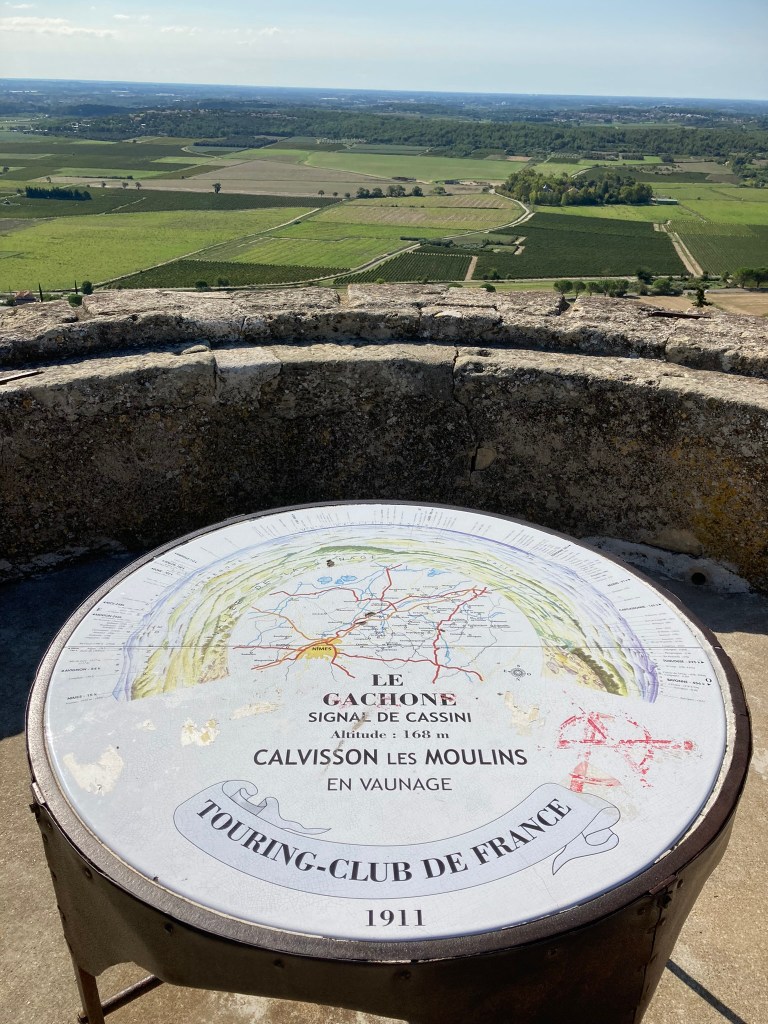
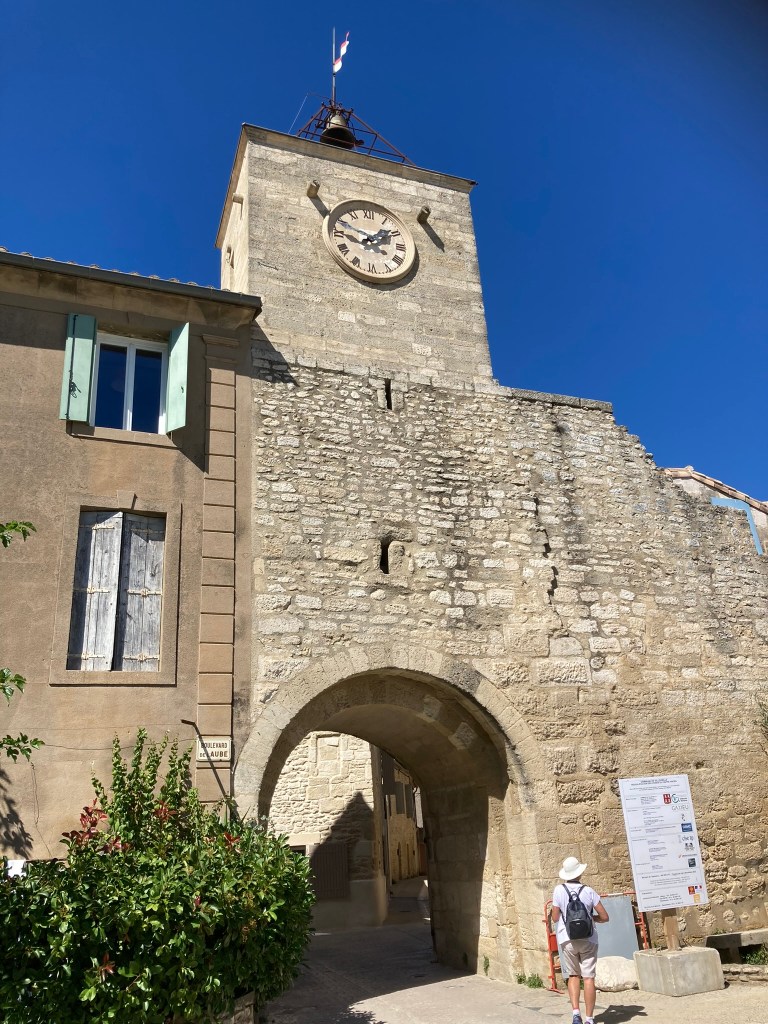
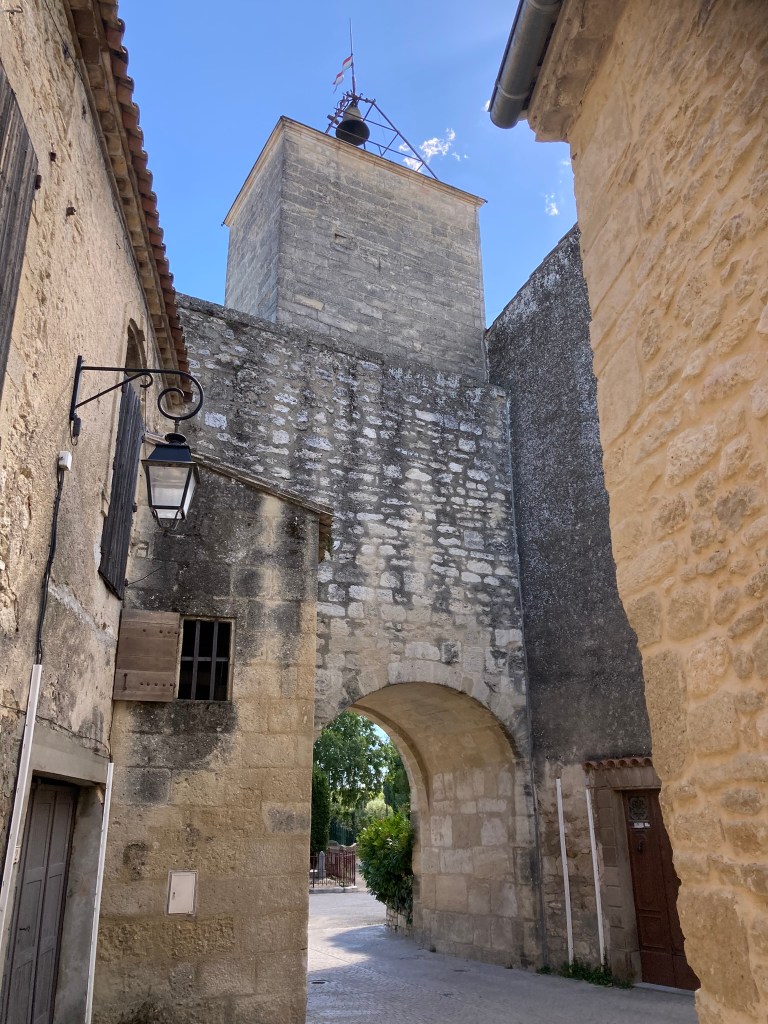
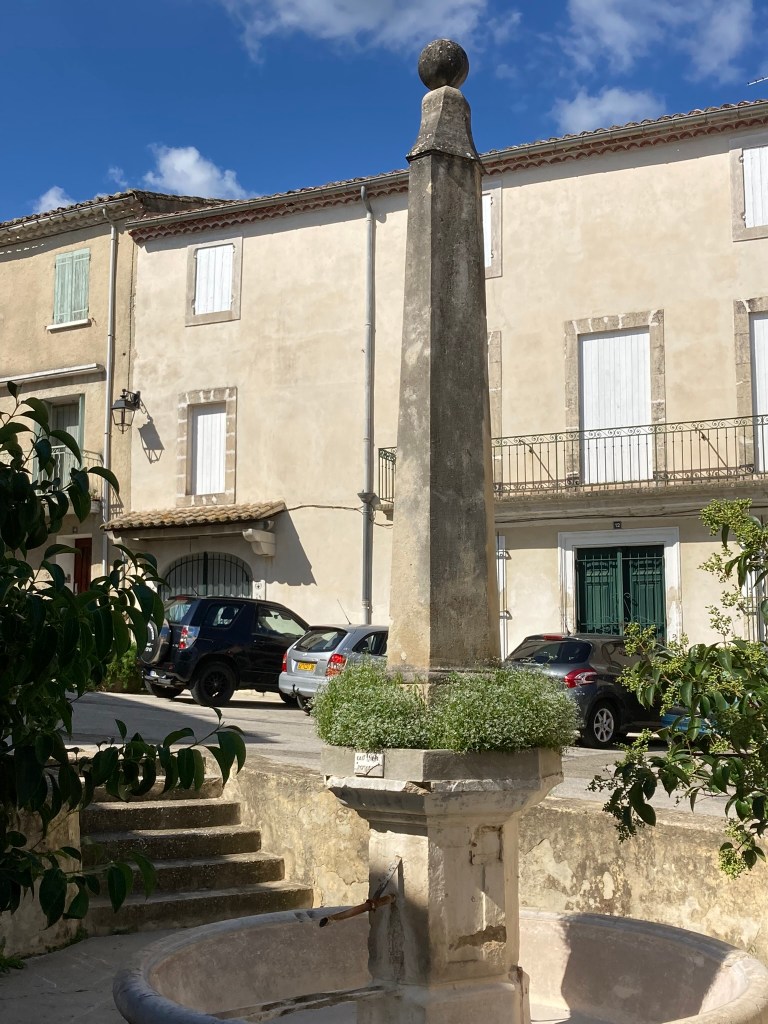
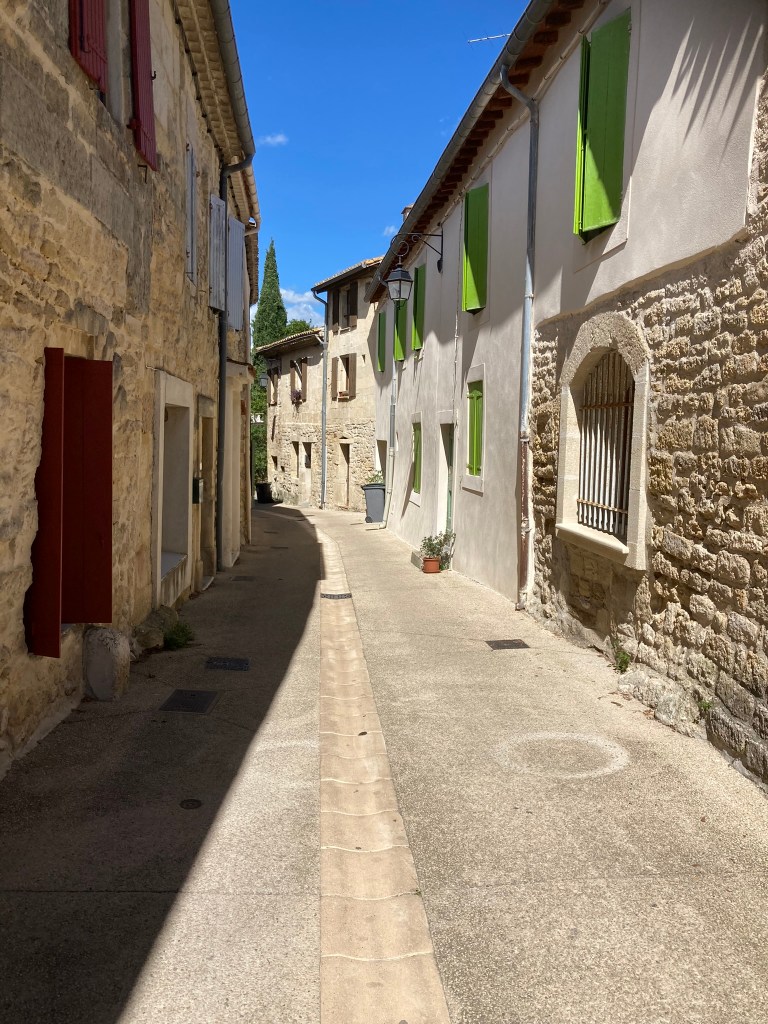
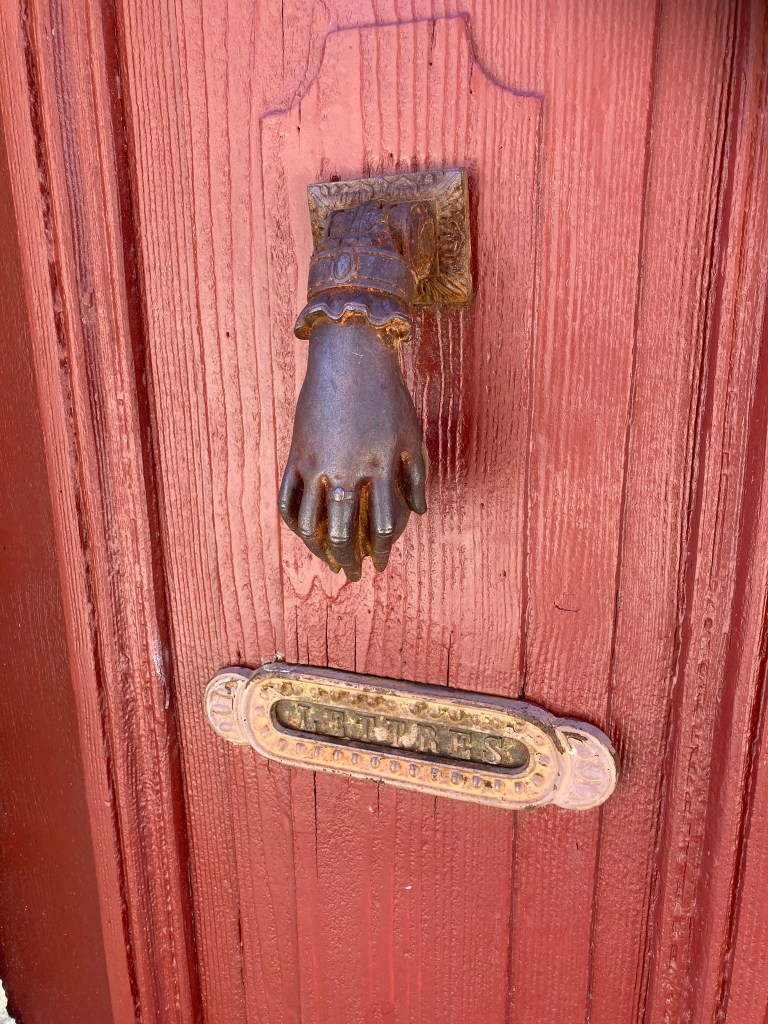
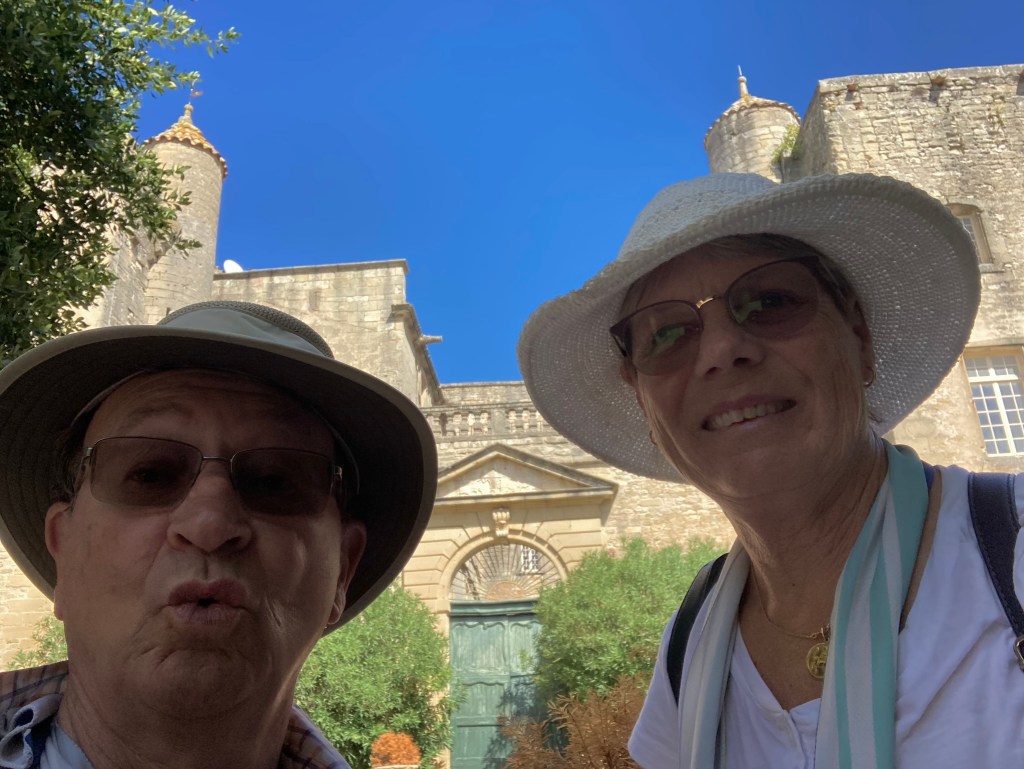
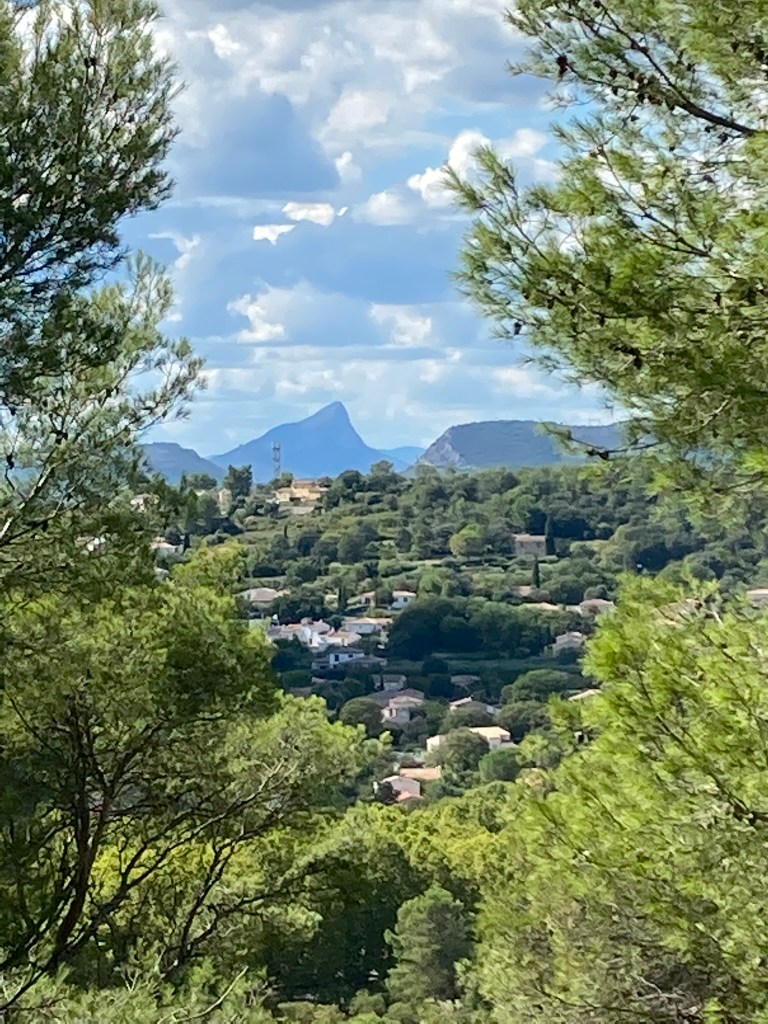
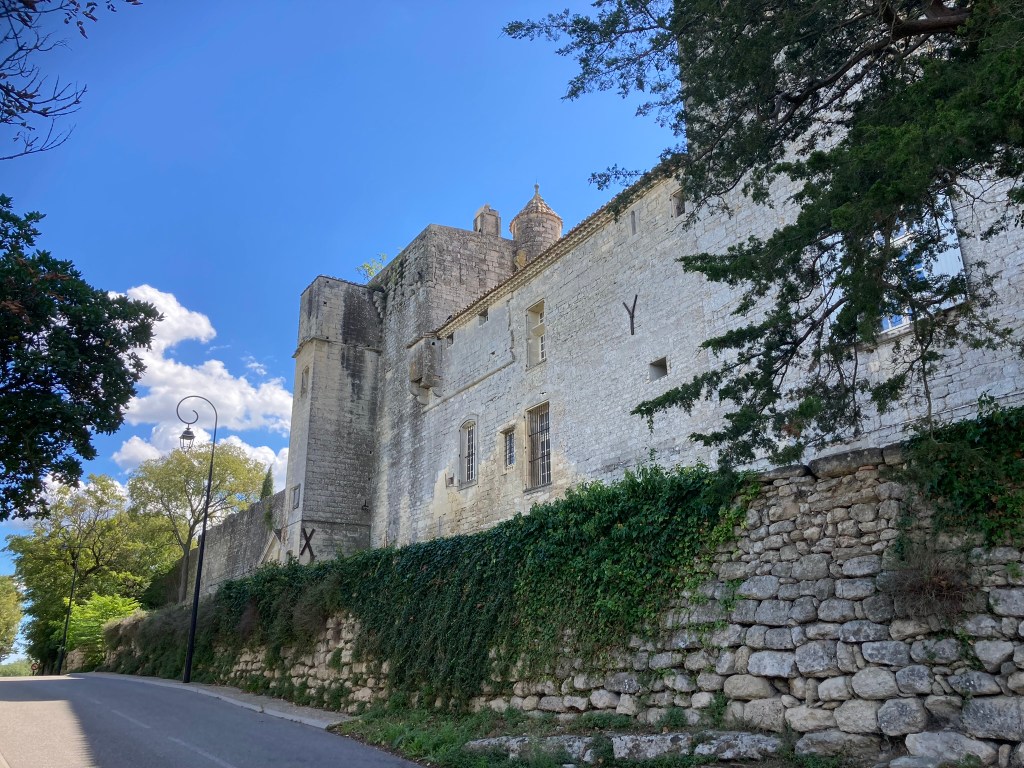
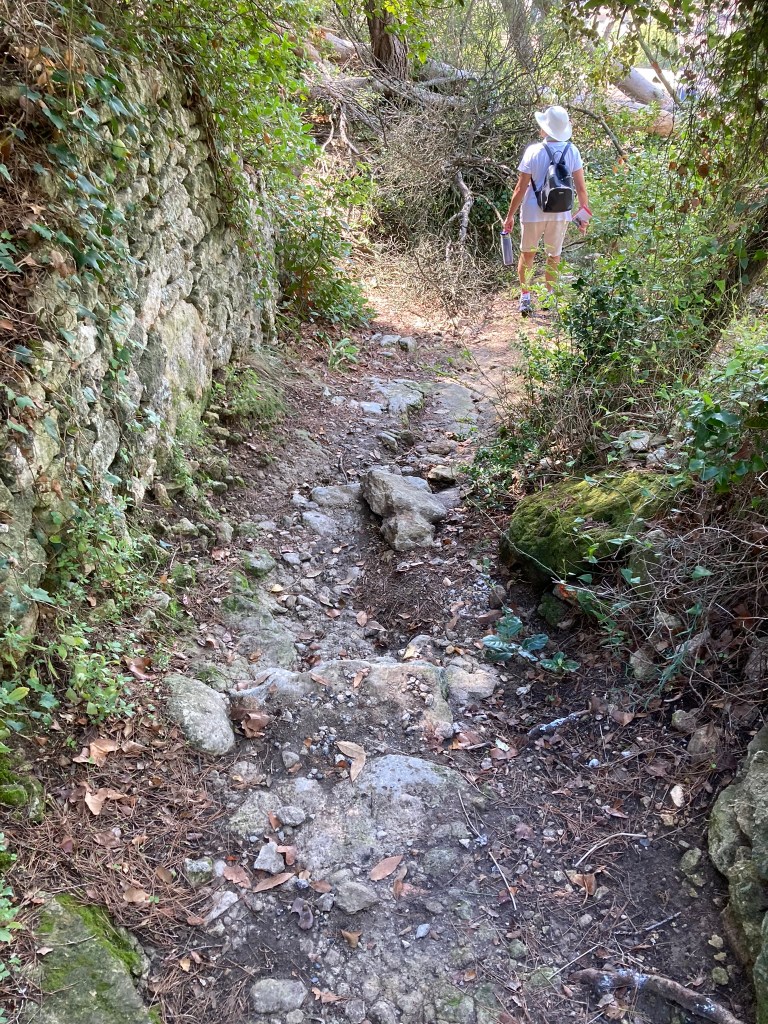
We are now well out of the “tourist season” and many restaurants are closed, but enough are open and we explored the town, some nearby villages – Villevieille, Junas and Calvisson via a couple of “Sentier walks”. Its a super “bit out of the way” area, but just so much history which is what we love about Europe and France in particular.
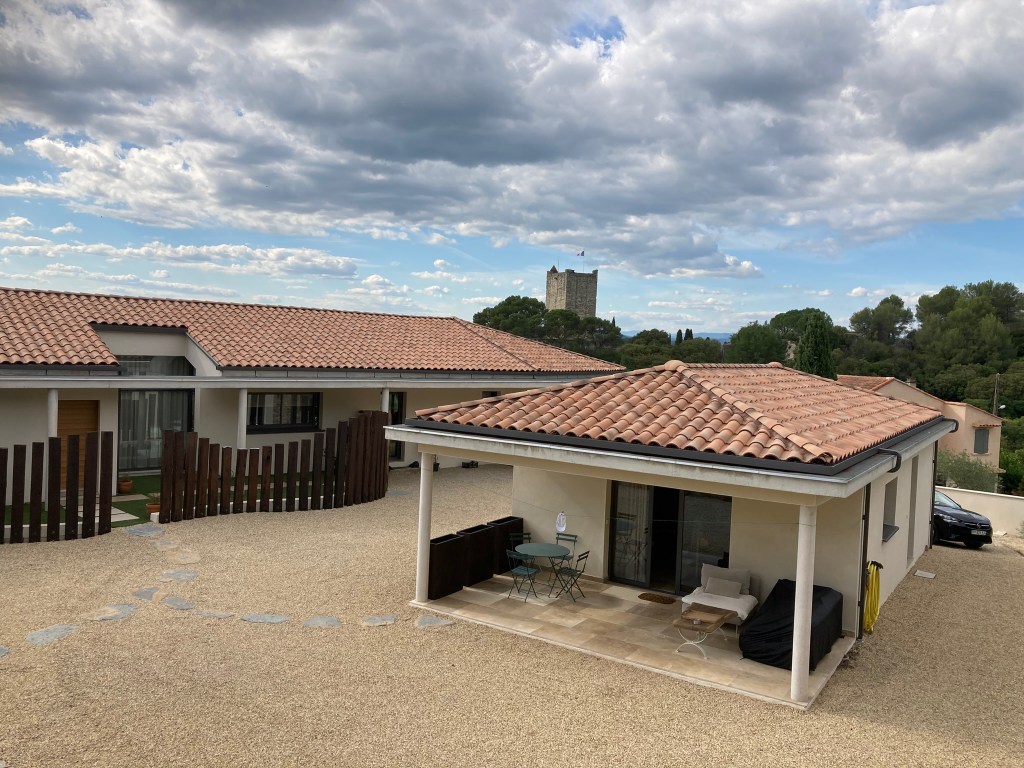
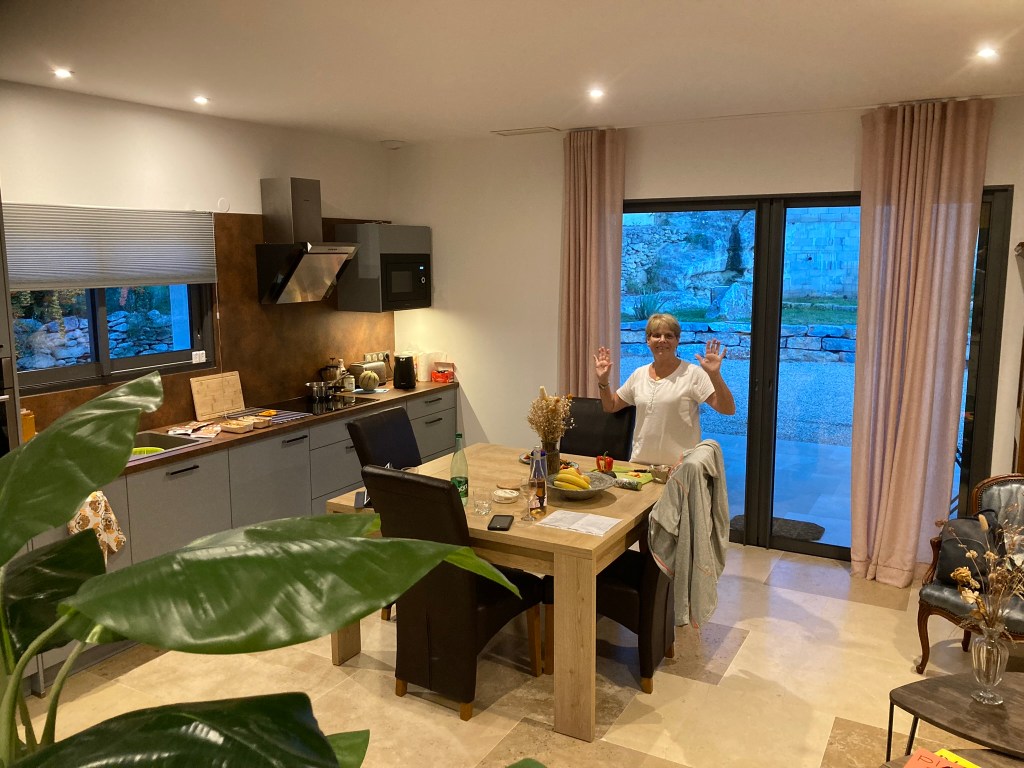
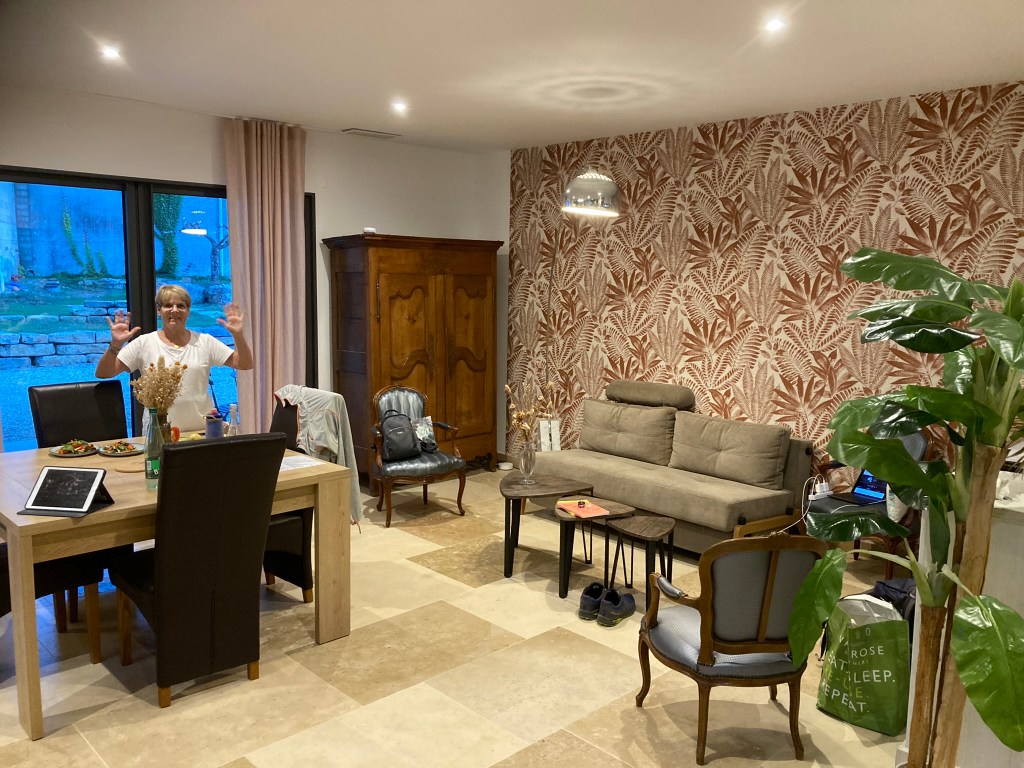
Must just mention that the airbnb we stayed at was the best equipped, clean, presented etc etc airbnb we have ever stayed in. We hope these pics above also do Sommieres and surrounding villages, some justice.
And finally:-
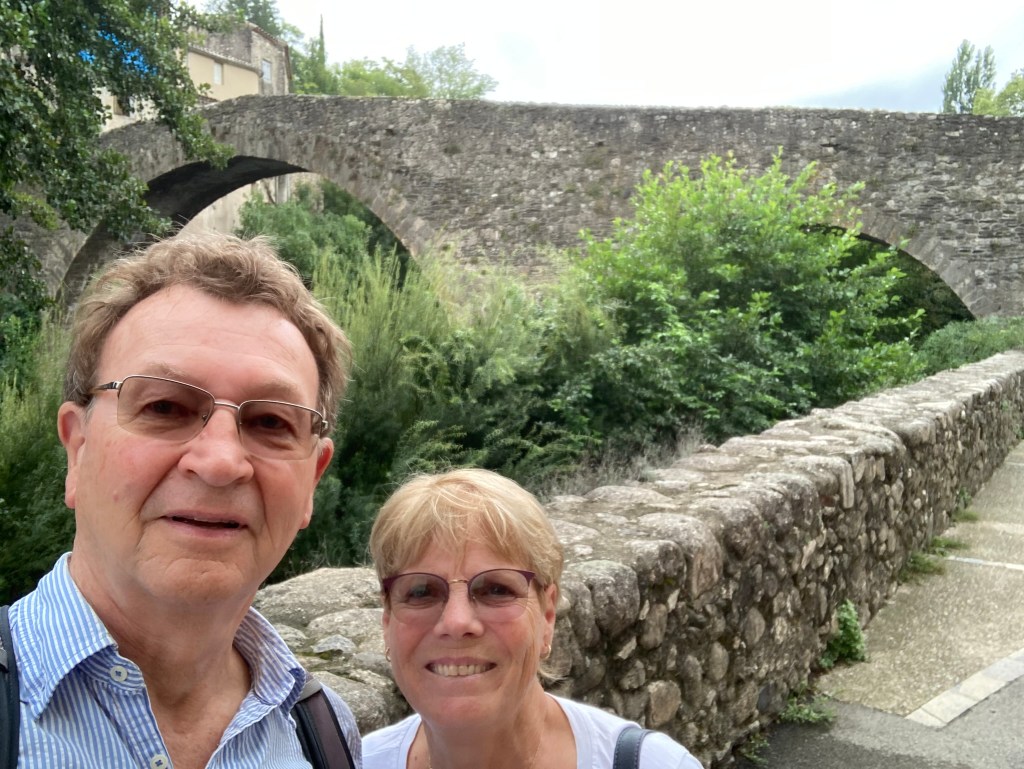
On the road trip from Albi to Sommieres we planned to call at the town – Le Vigan – and to photograph the ancient bridge made famous in the film – “The Man in the Hat”. We found the town, a bridge but not ‘the bridge”!!!
 Travels with My Wife
G’day, You are having such a wonderful trip but still diligent in letting us share these places. Lovely for you that with many of these places you have been there before and wanted to return. I understand. Now that you are both ‘people of leisure’ you have all the time in the world!
Your iPhone is doing sterling service in giving us wonderful images. Many thanks.
Nothing much happening here except the change to daylight savings time is a reminder that ‘spring has sprung’.
Safe travels. Thanks again for your diligence.
Love,
Roger & Robyn
Sent from my iPad
>
LikeLike
Looks as if you’ve had a wonderful time with glorious weather! So many memories – thanks for sharing photos, and commentary! Xx
LikeLike
Absolutely stunning scenery. Brings back some great memories of our time in France some years ago.
Cheers, Greg & Juliana
LikeLike
Thanks so much Greg,we are now back in England, i think it will be 5c tonight and 15c tomorrow – oh joy, now where can i buy a big puffer jacket??? See you in November, hope you both are super well Cheers Pete and Sue
LikeLike