
St. Augustine
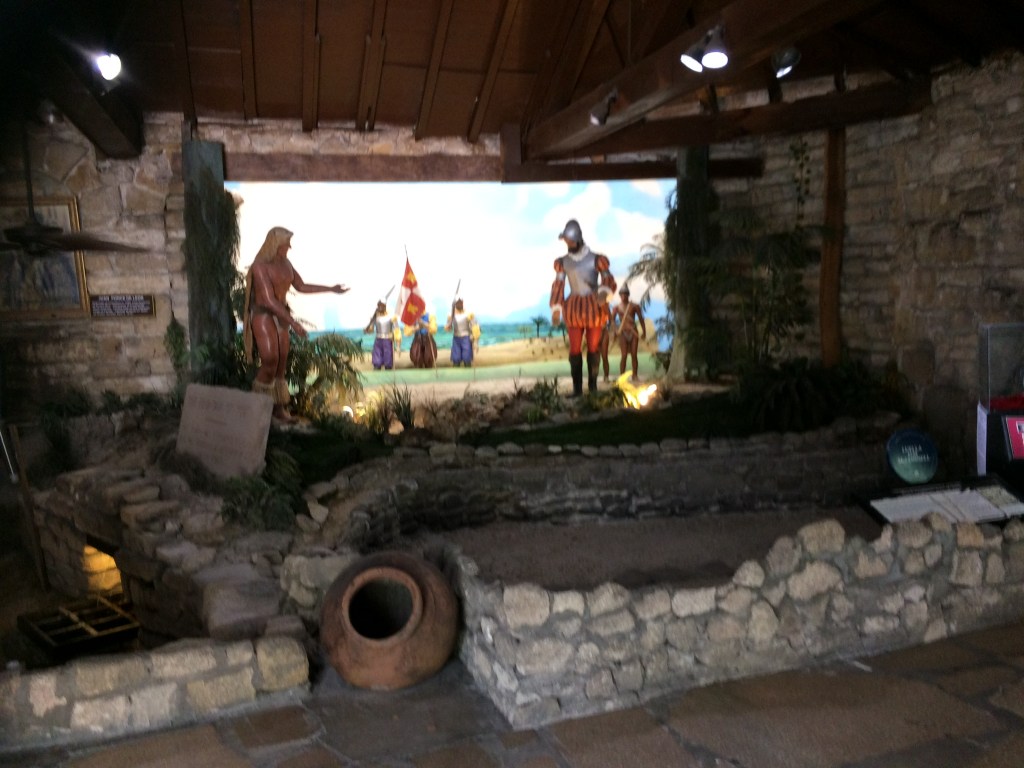
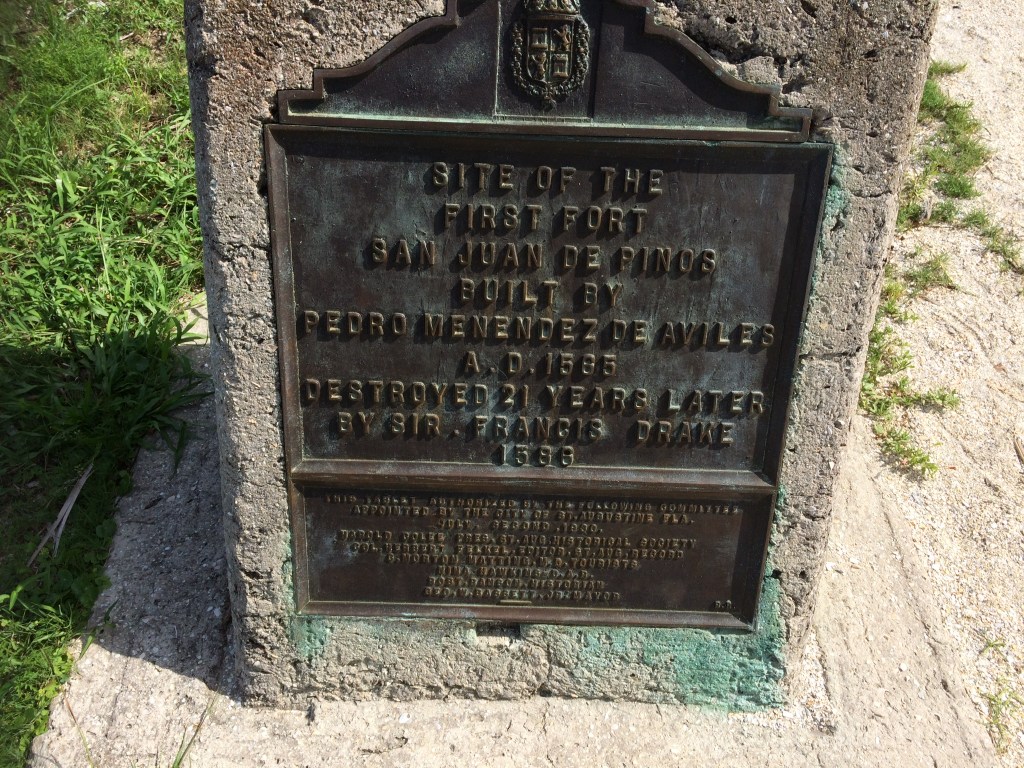
St Augustine is on the north-east Atlantic coast of Florida and was originally discovered by Spaniard Juan Ponce de Leon, in 1513 – named as “Florida’s” as it was the flower season – claimed for Spain – and then formally settled in 1565 by another Spaniard, Pedro Menendez de Avila’s.
This was a full 55 years before the Pilgrim Fathers arrived, and 42 years before Jamestown was colonised up in Virginia. As a result St. Augustine is the USA’s first city and a real focus for domestic American tourists, looking to find out where in the USA, it all really started!! We are here seeing some great old friends who have moved here from Illinois, “ it’s warm all year around and no snow to shovel”!!
We found both original and recreated through the years history all over St Augustine plus a Florida Atlantic beach vacation destination – white sand, beaches that stretch on and on, and a warm blue sea, perfect.

St. Augustine- early history & todays context
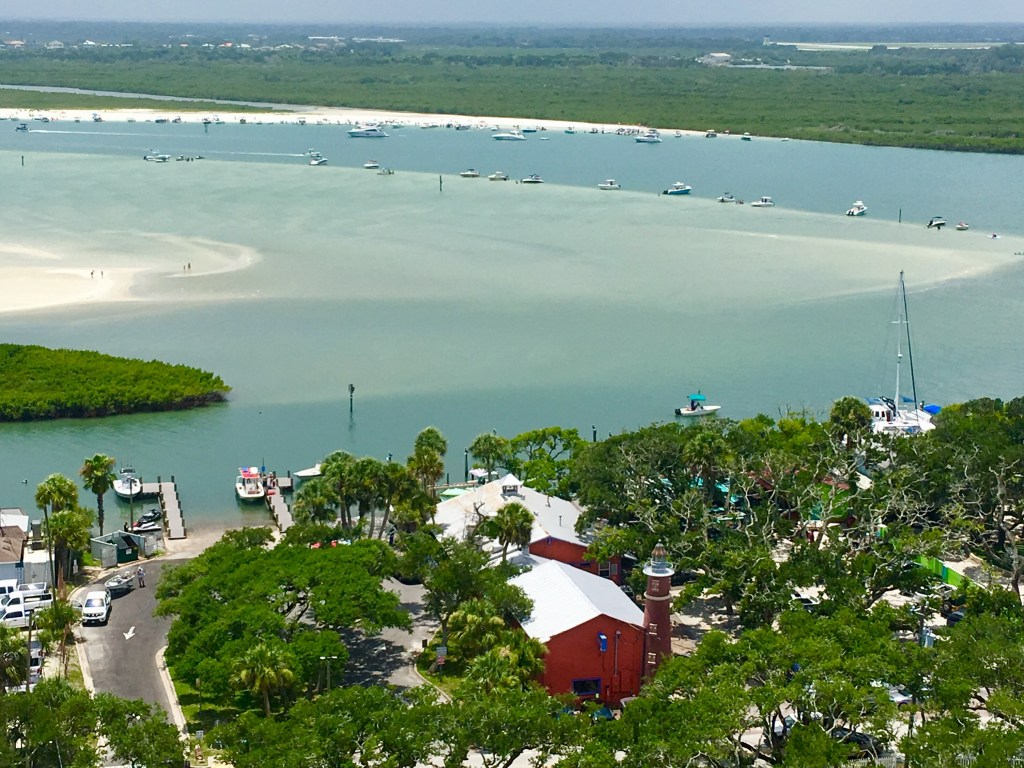
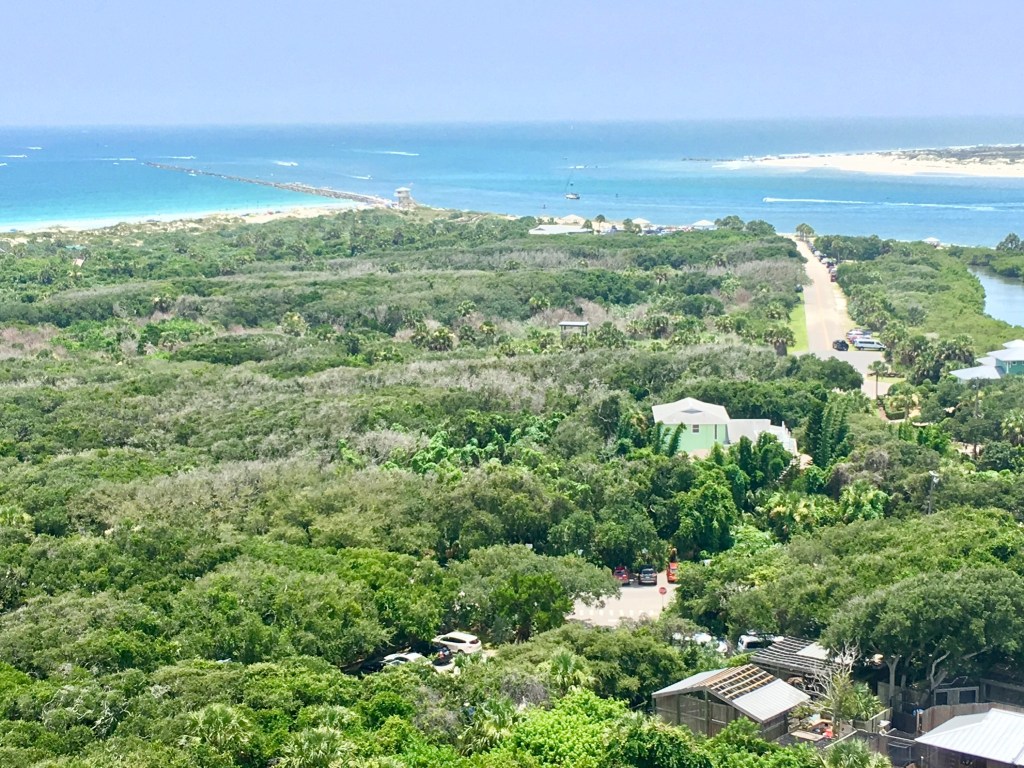
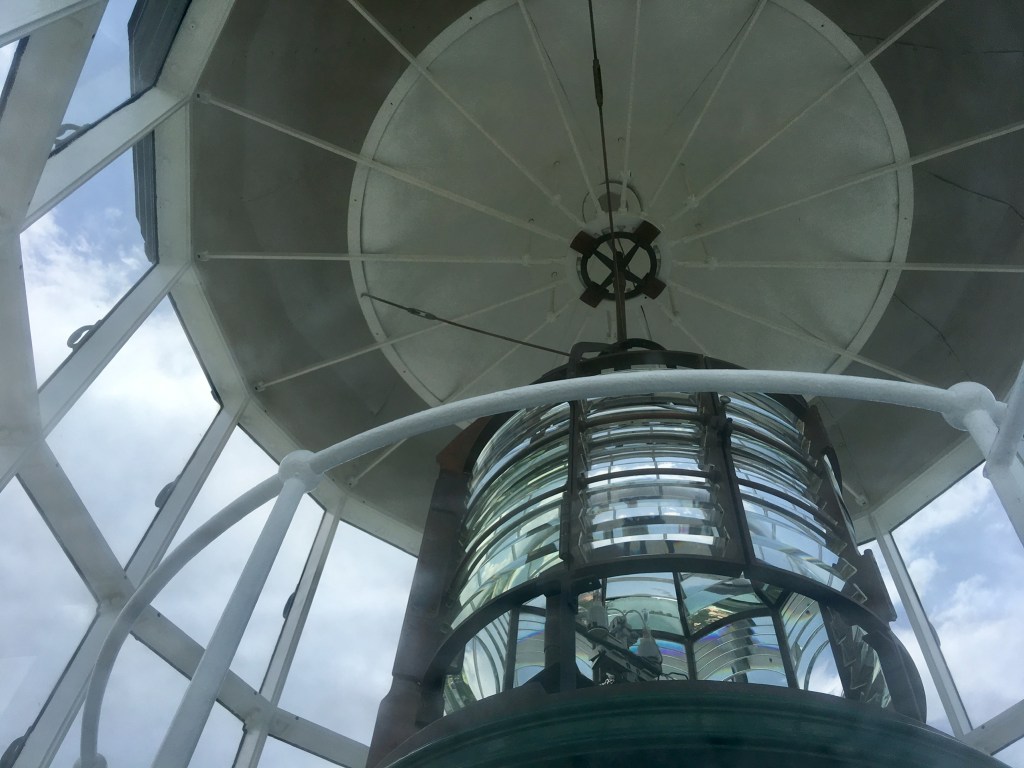
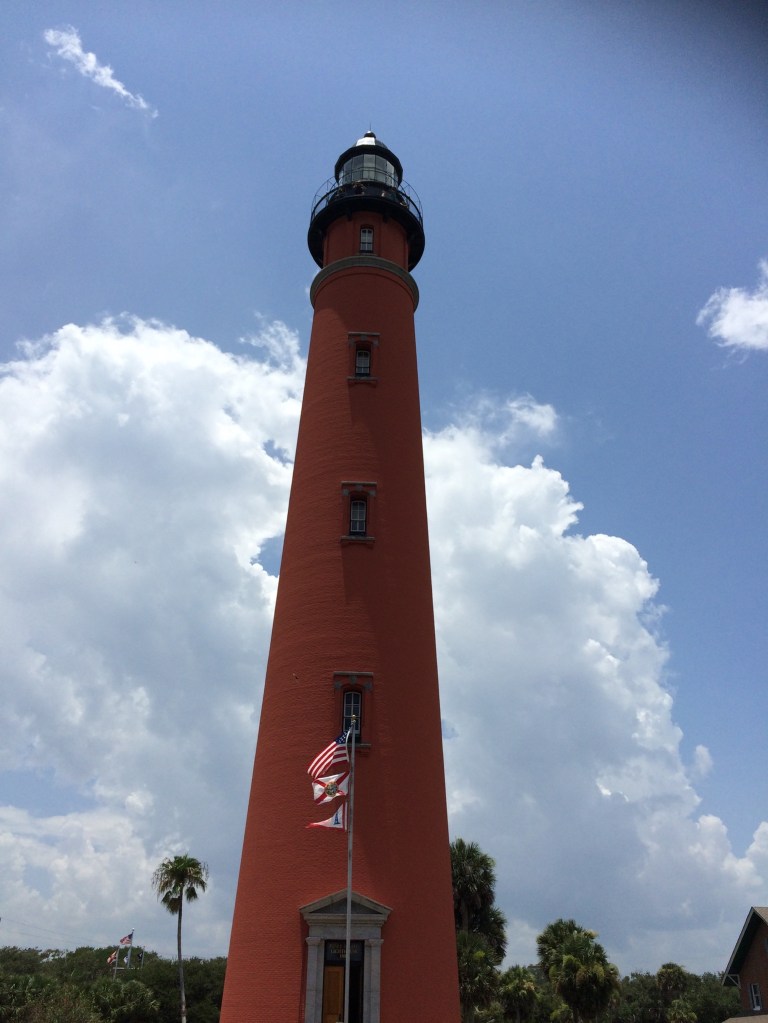
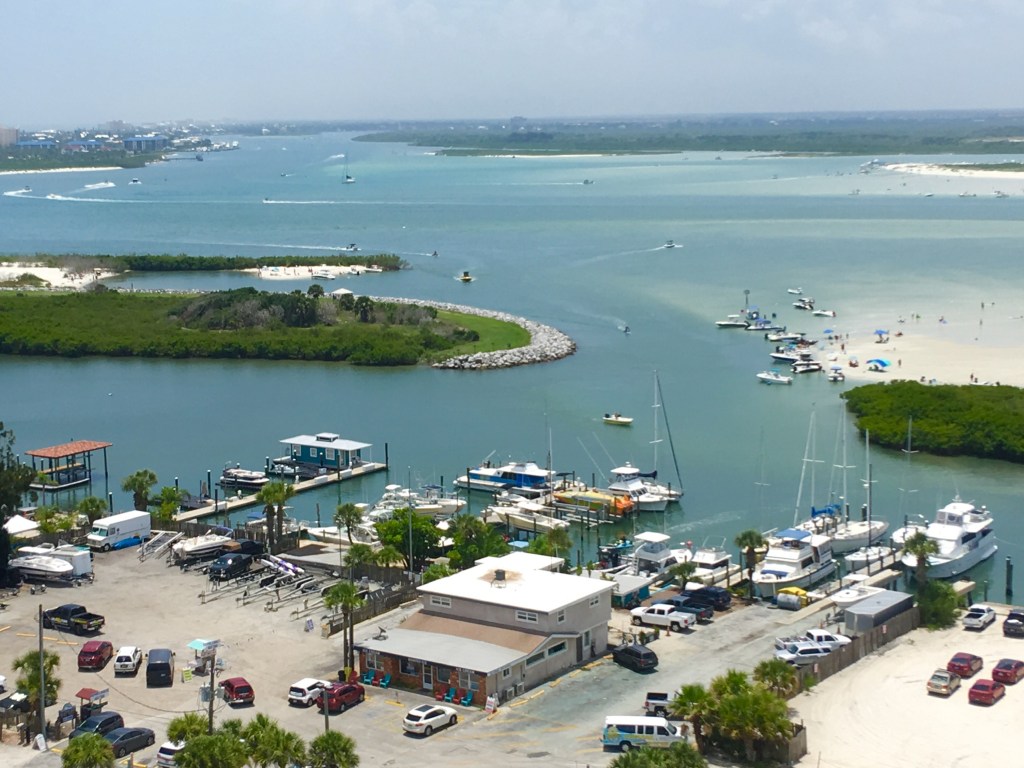
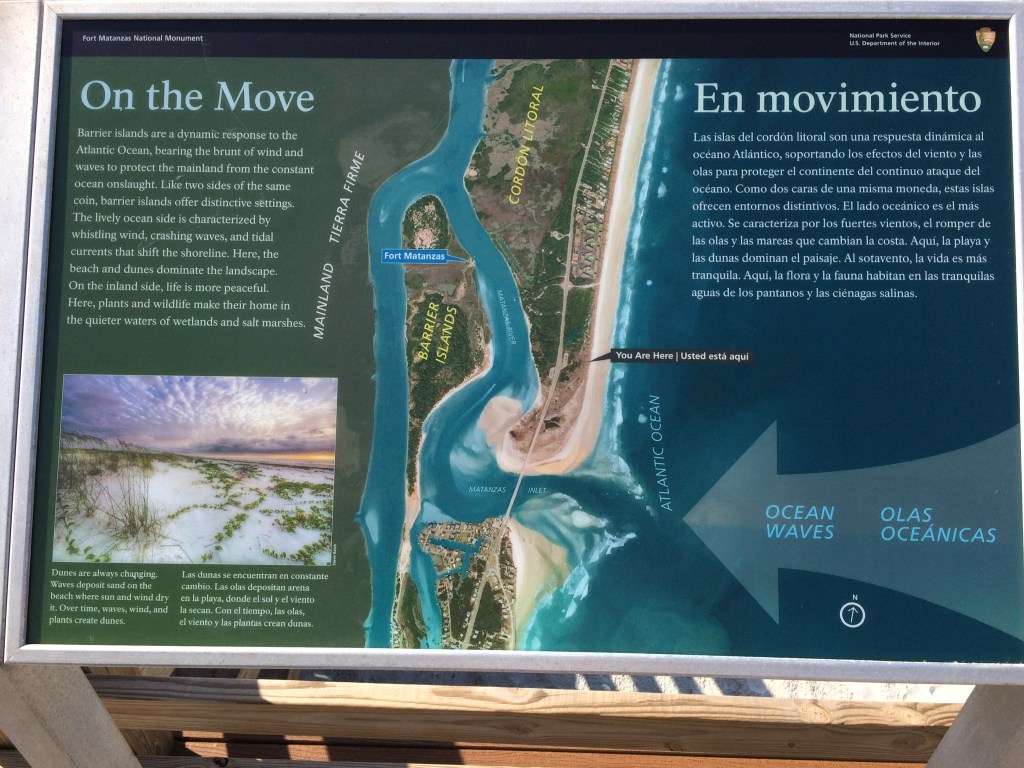
The first Spanish arrival, Juan Ponce de Leon in 1513, landed at about where the above Lighthouse is situated at Ponce Inlet, five miles south of what is now Daytona Beach and 70 miles north of Cape Canaveral. Although the lighthouse was not completed until 1887, it marks the starting point of Spanish influence ,the settlement at the harbour and fresh water supply located further north at what became St. Augustine in 1565.
The view from the lighthouse also shows the The Intracoastal Waterway (ICW) . “This is a 3,000-mile (4,800 km) inland navigable waterway from the Atlantic and Gulf of Mexico coasts of the United States, running from Boston, Massachusetts, southward along the Atlantic Seaboard and around the southern tip of Florida, then following the Gulf Coast to Brownsville, Texas. Some sections of the waterway consist of natural inlets, saltwater rivers, bays, and sounds, while others are artificial canals. ( Thanks Wikipedia).
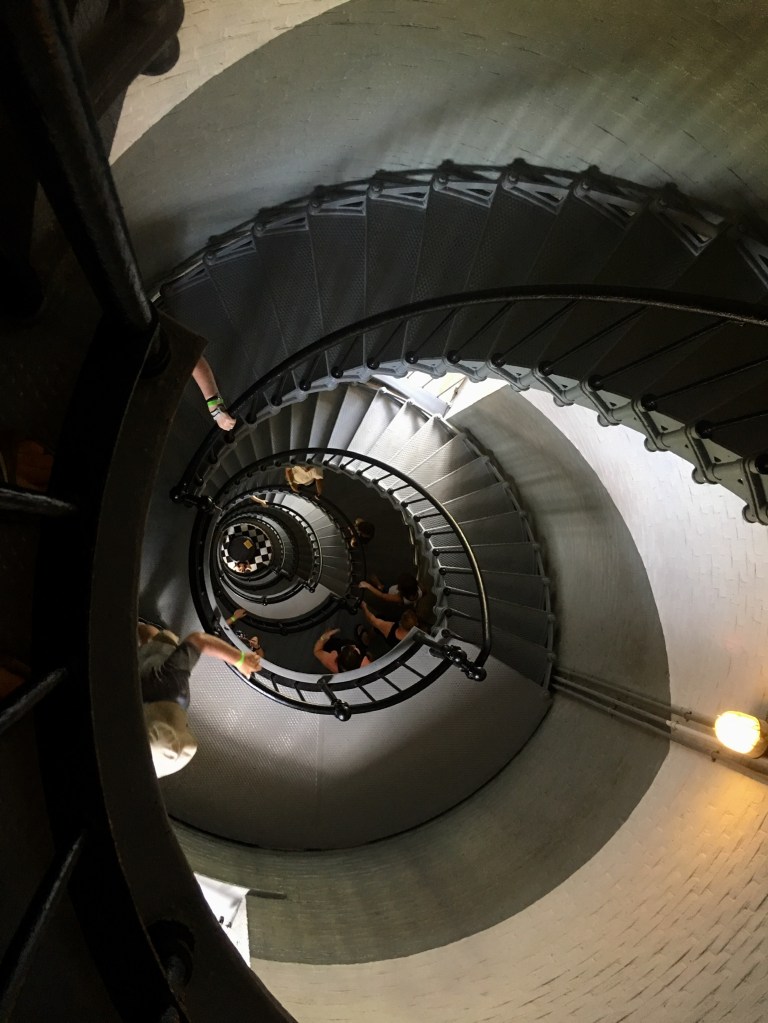
This part of Florida is so flat that a good perspective of the terrain is only gained from places like the 175foot high Ponce Inlet Lighthouse. We really enjoyed visiting this fascinating piece of early US history, and the excellent museum housed in the original buildings around it.
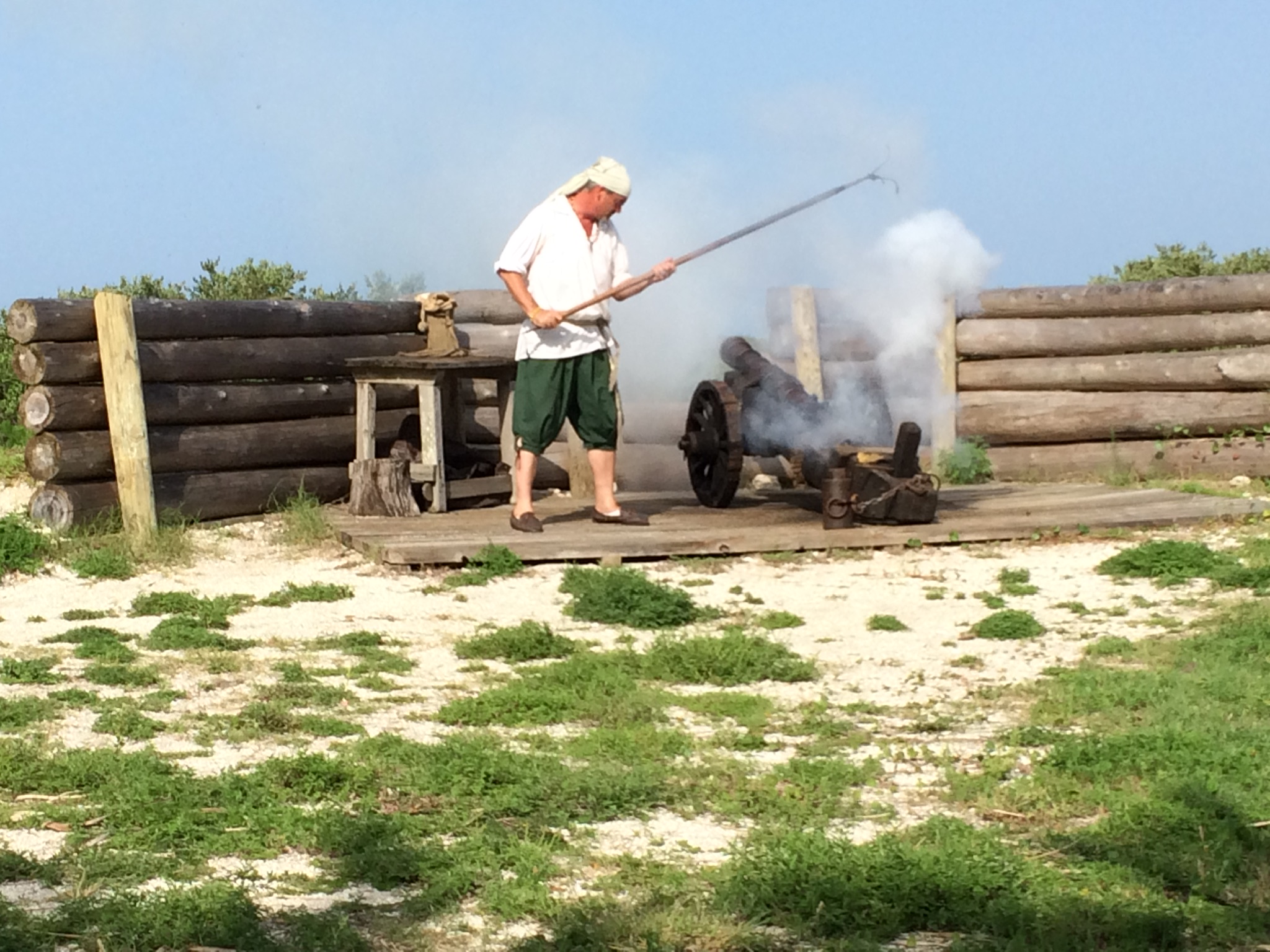
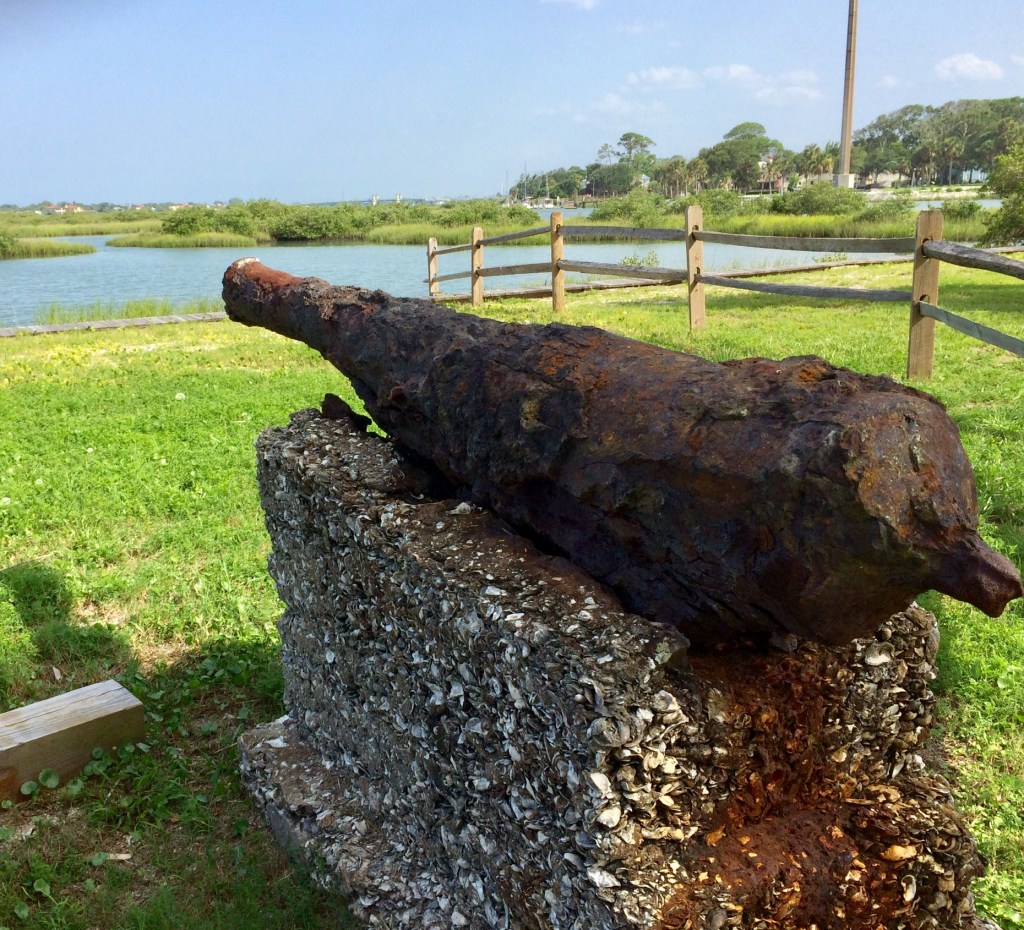
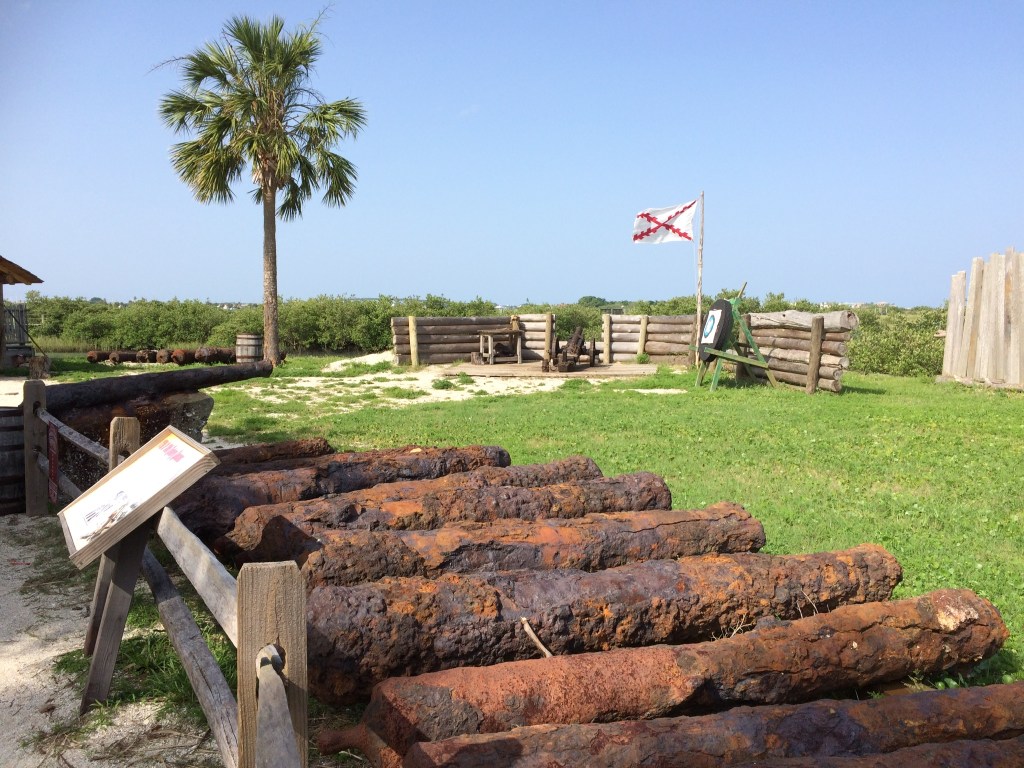
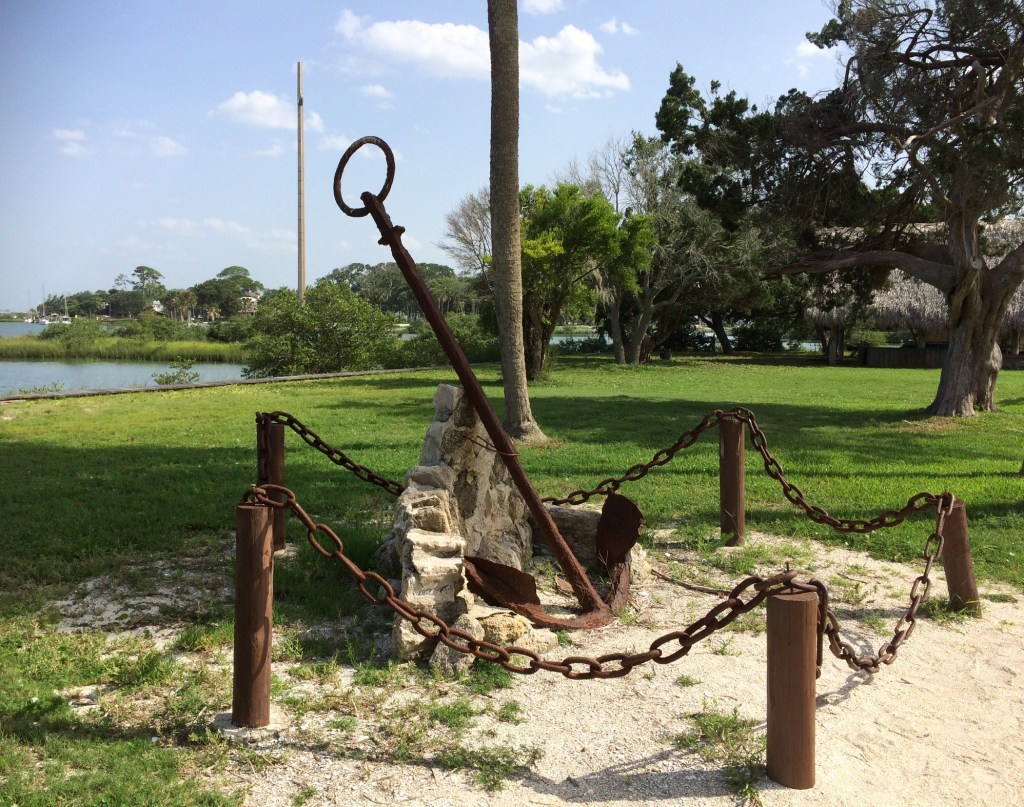
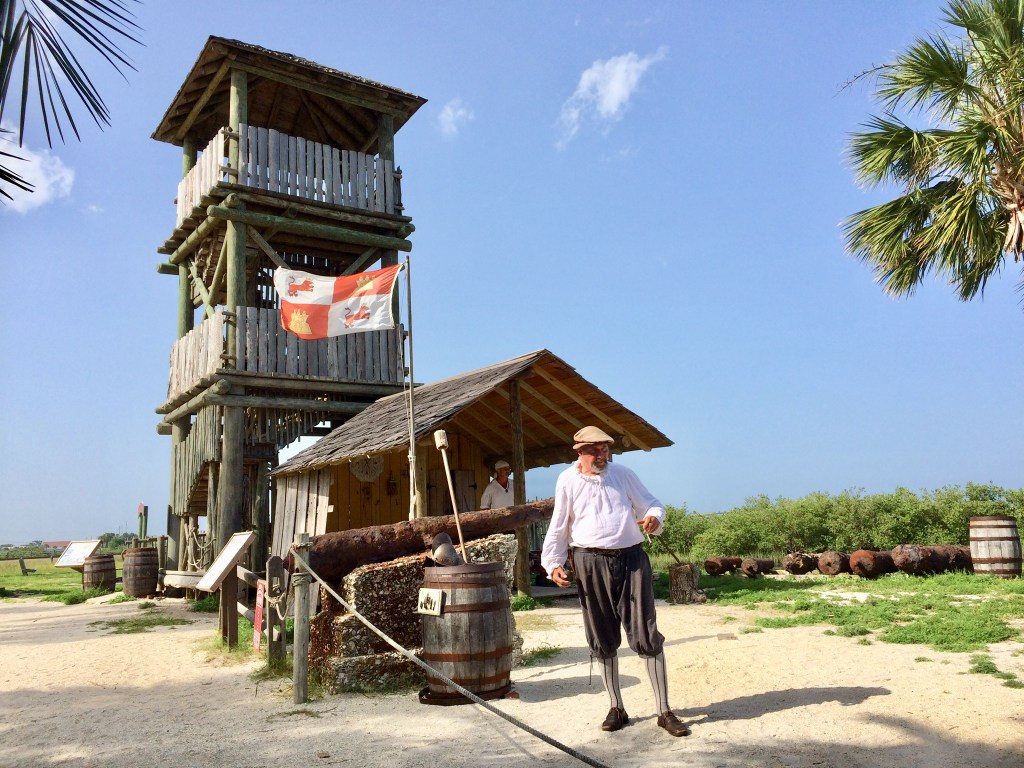
Meanwhile back in St. Augustine a series of archeologically inclined entrepreneurs have established a theme park – Fountain of Youth – on or abouts where Menendez, established the settlement that is today St Augustine. Actually we thought that the “theme park”was presented really well. It’s quite unassuming, the guides are quite excellent and historically very well versed. The reference to “ Fountain of Youth”, is to the natural water springs ie “ fountain”, so vital to arriving sailors, and the local natives who were known to live to between 70 and 80 years old, ie “ youth”, about double the typical European of that period.
All of this historical stuff was equally a voyage of discovery for us, expecting to spend ten days by the Florida Atlantic coast with some long time friends! But wait there is more history and only as one might find, in America.
Henry Flagler – 1830- 1913 Oil & Railroad Magnate – his legacy for St. Augustine
In 1870 the Standard Oil company was set up, by a certain John D Rockefeller and Henry Flagler, which by 1911 due to anti trust actions had become Esso and Mobil, and they wealthy beyond belief. Along the way Standard Oil had controlled both refining and distribution of oil and its products eg kerosene and acquired railroads across the nation – spectacular business dealings!
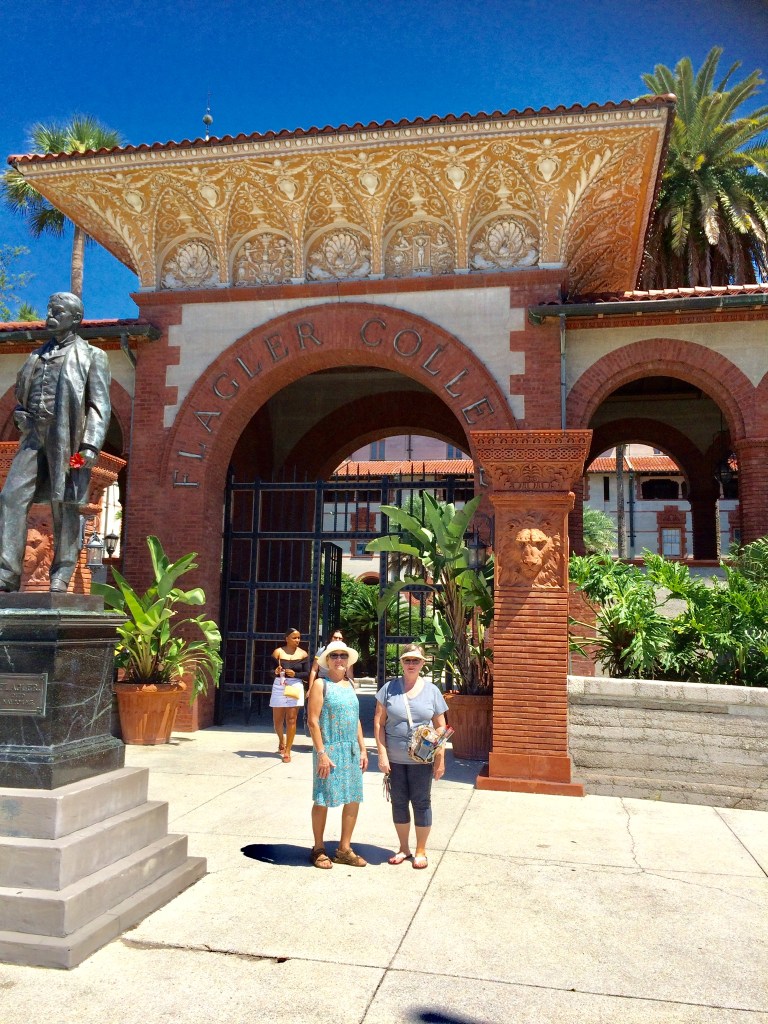
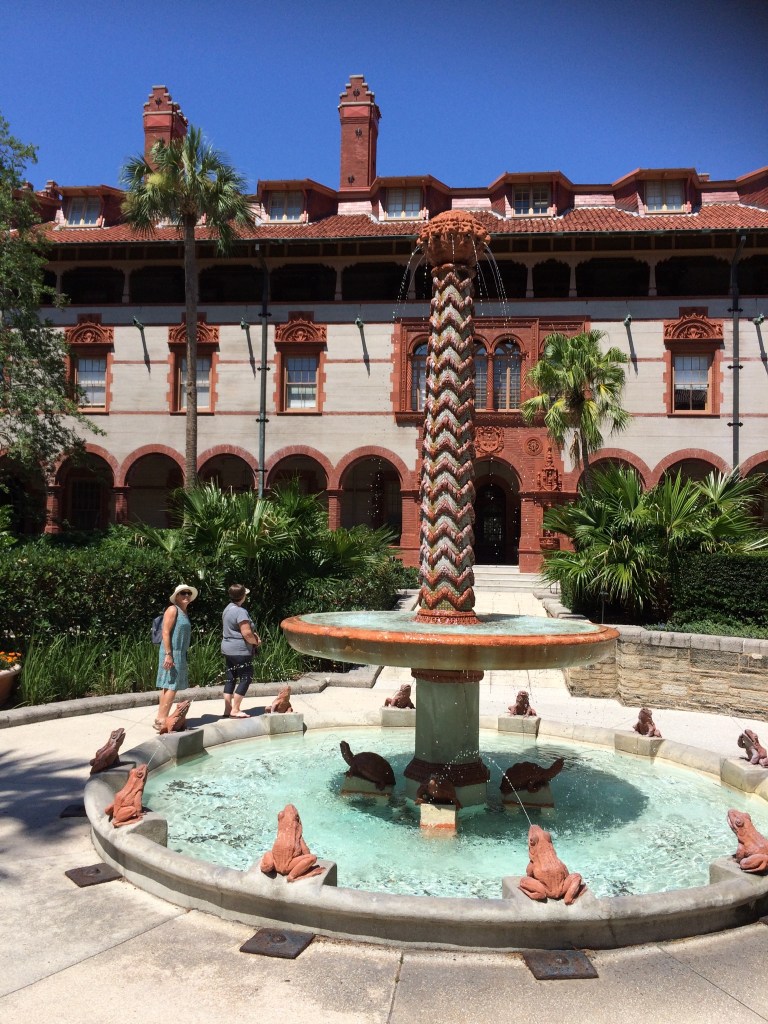
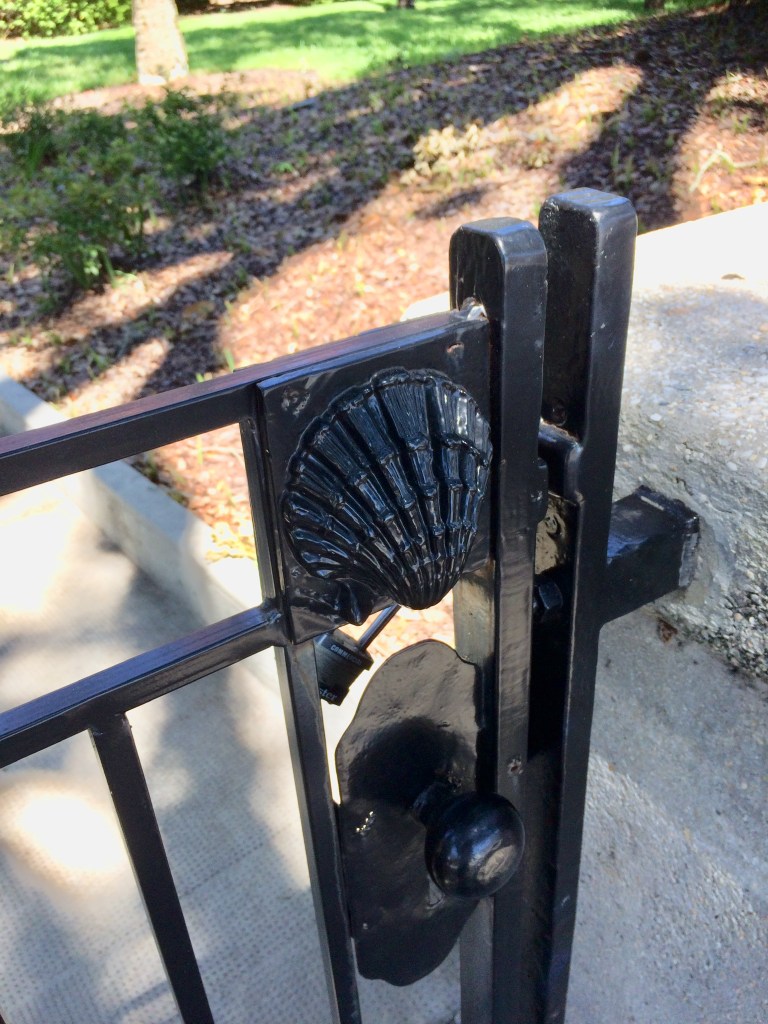
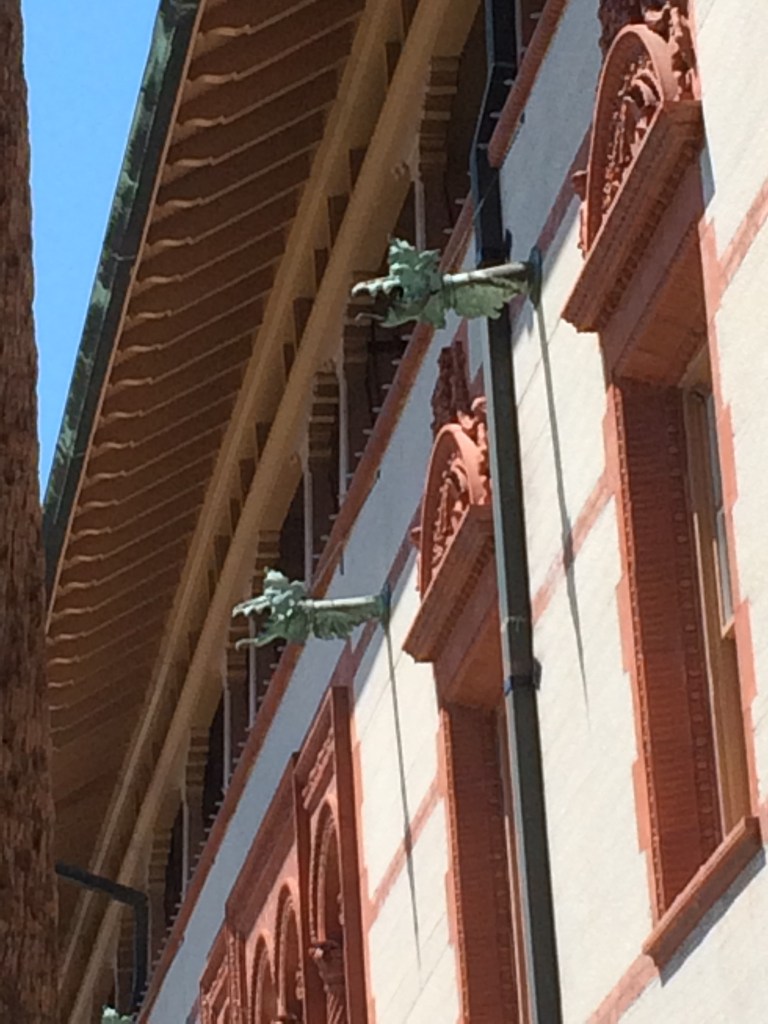
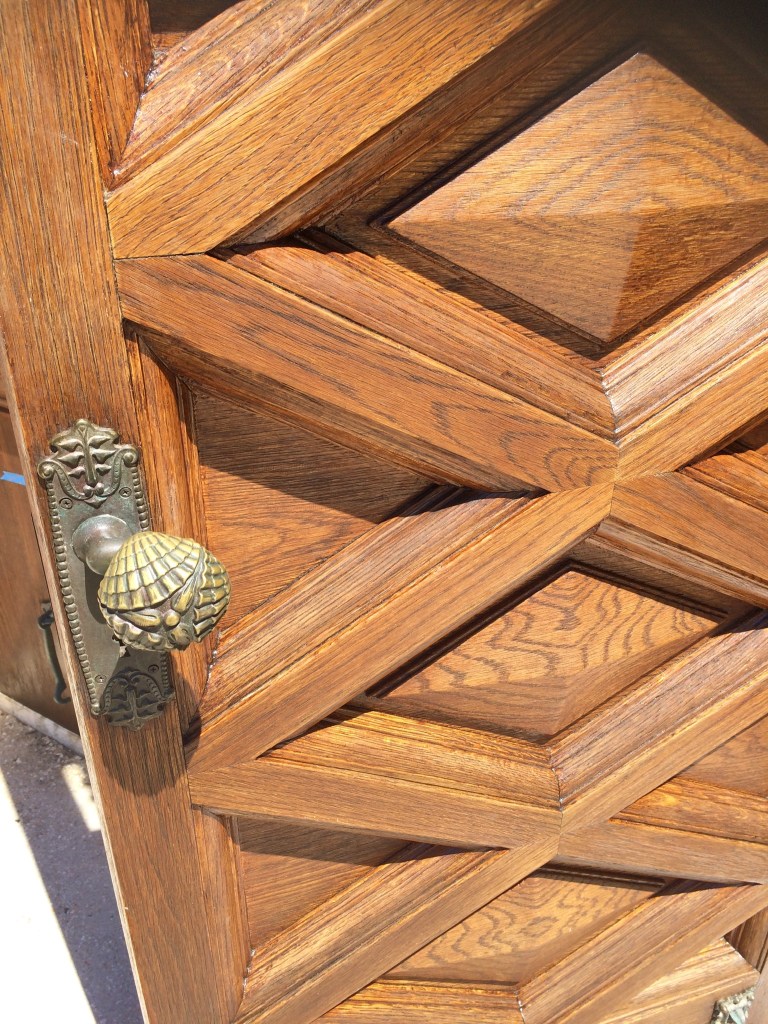
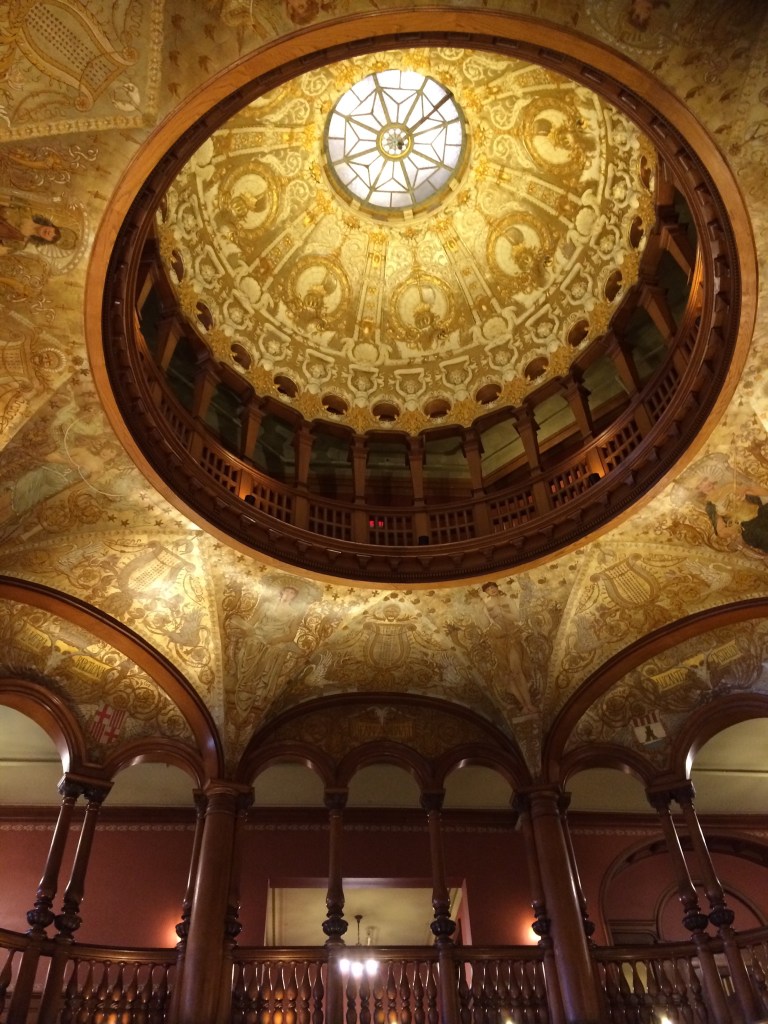
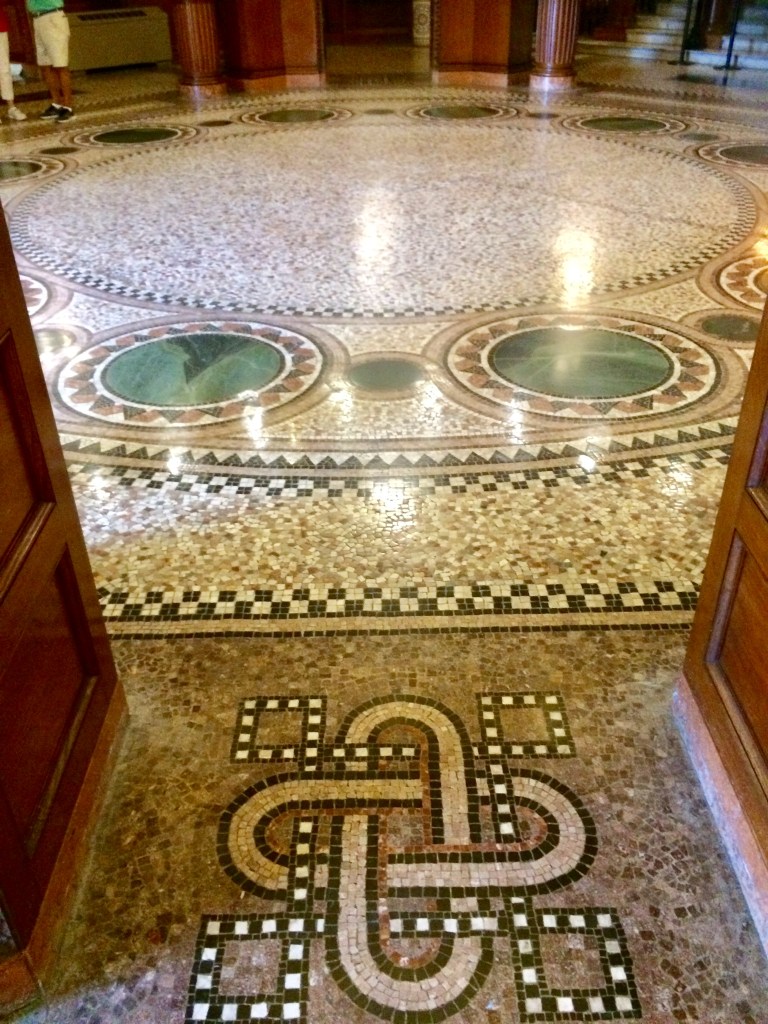
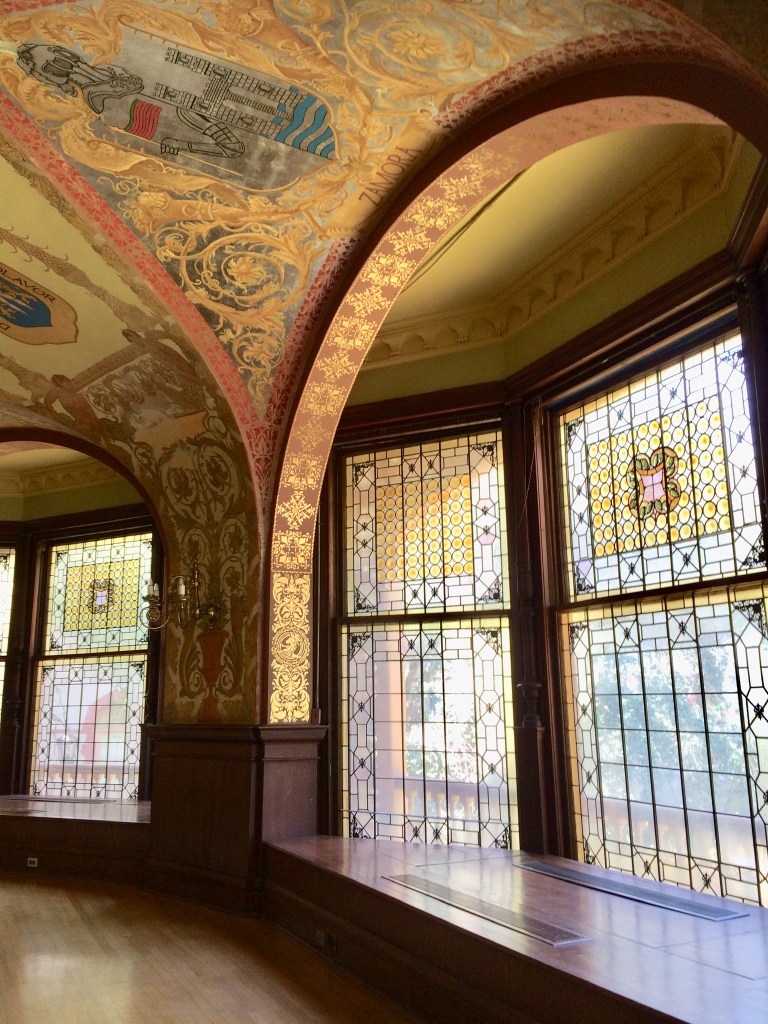
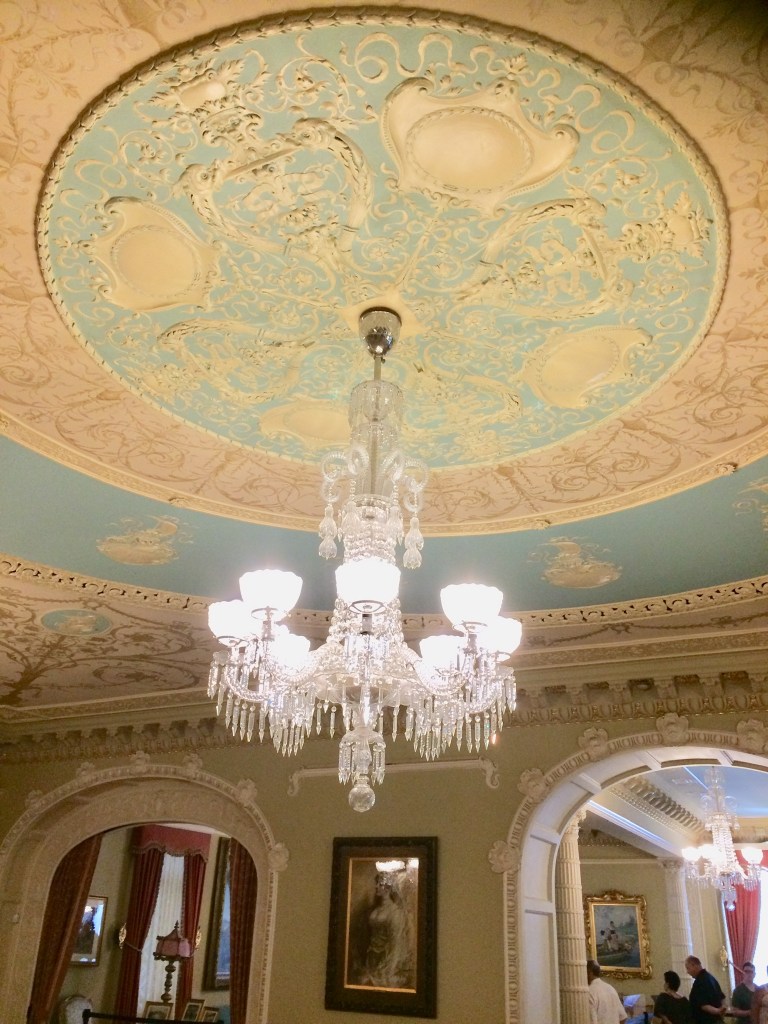
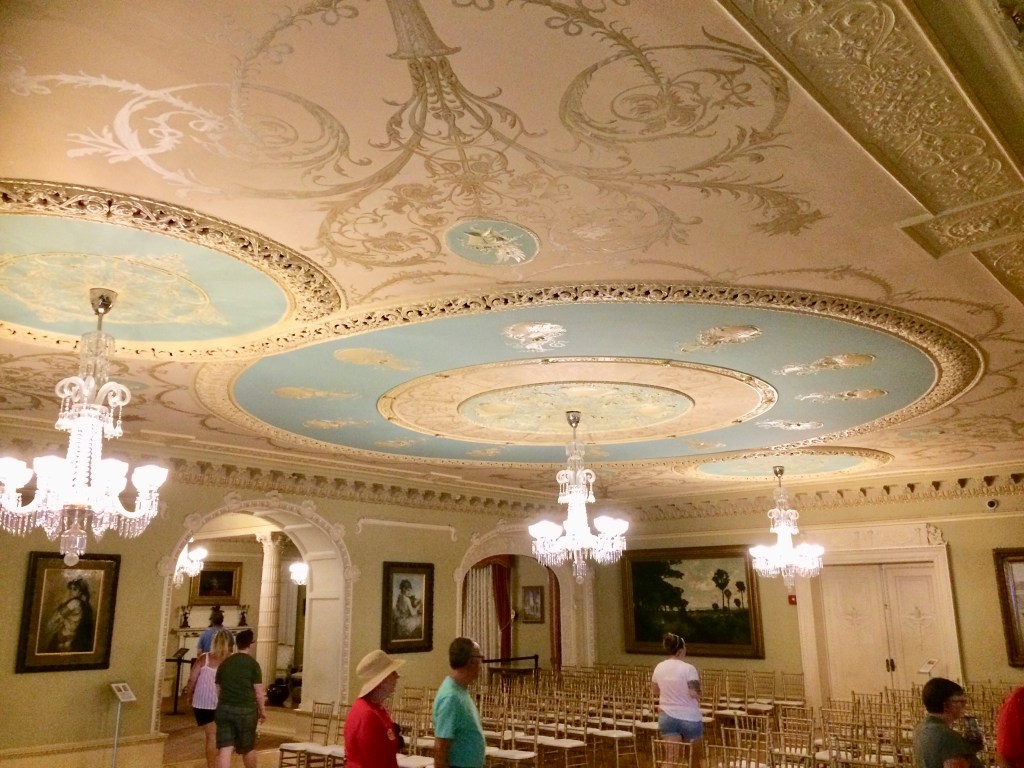
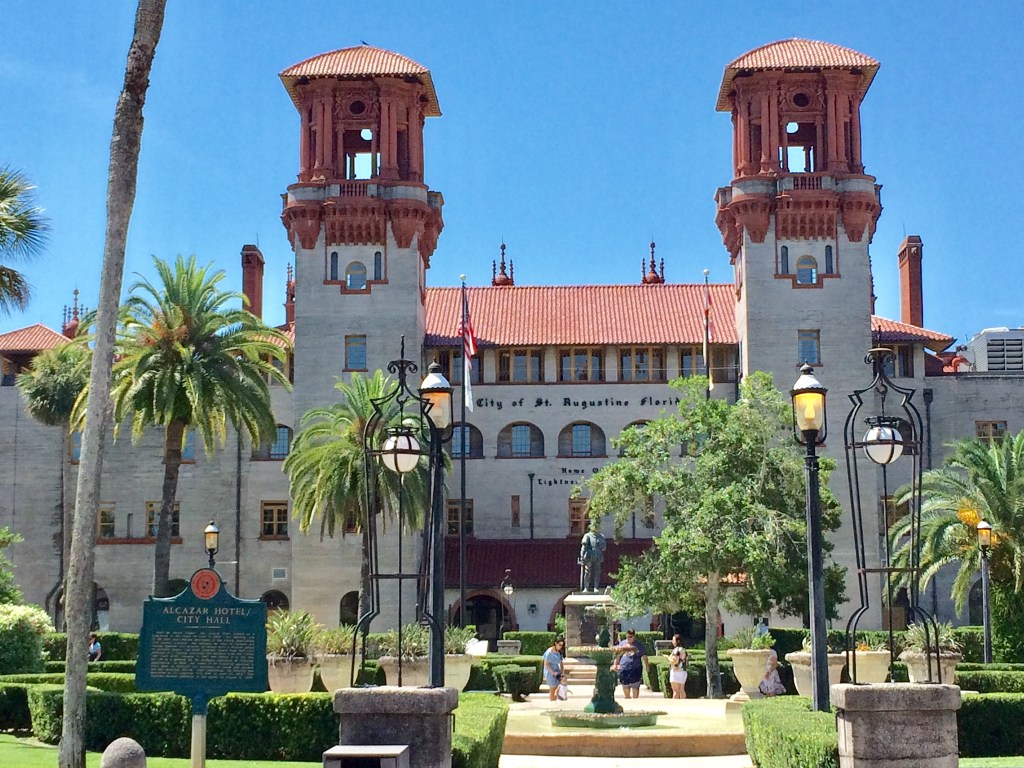
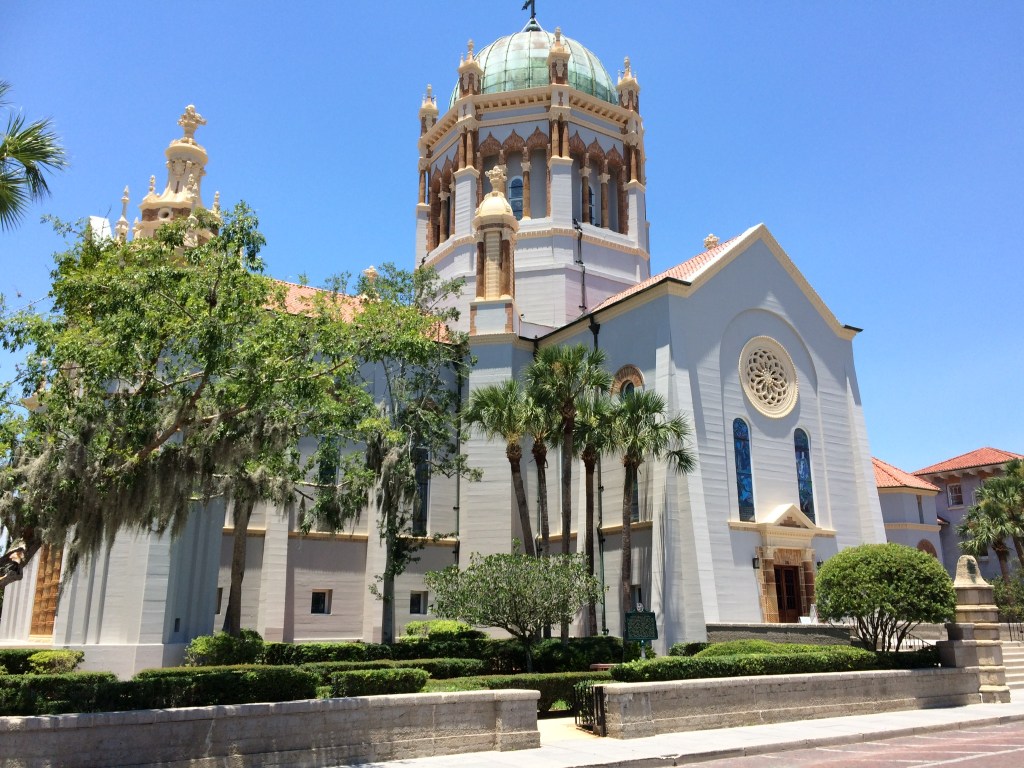
One of these railroads, the Florida East Coast Railway was owned by Henry Flagler, in 1883 he arrives in St Augustine on his second honeymoon, finds the place charming but needing a decent hotel, hospital, church and gaol which he then has built in the Spanish Renaissance architectural style. The following photos will give some idea of the magnificence of the architecture of the buildings. The Flagler Hotel, is now the Flagler College.

What to do apart from history?
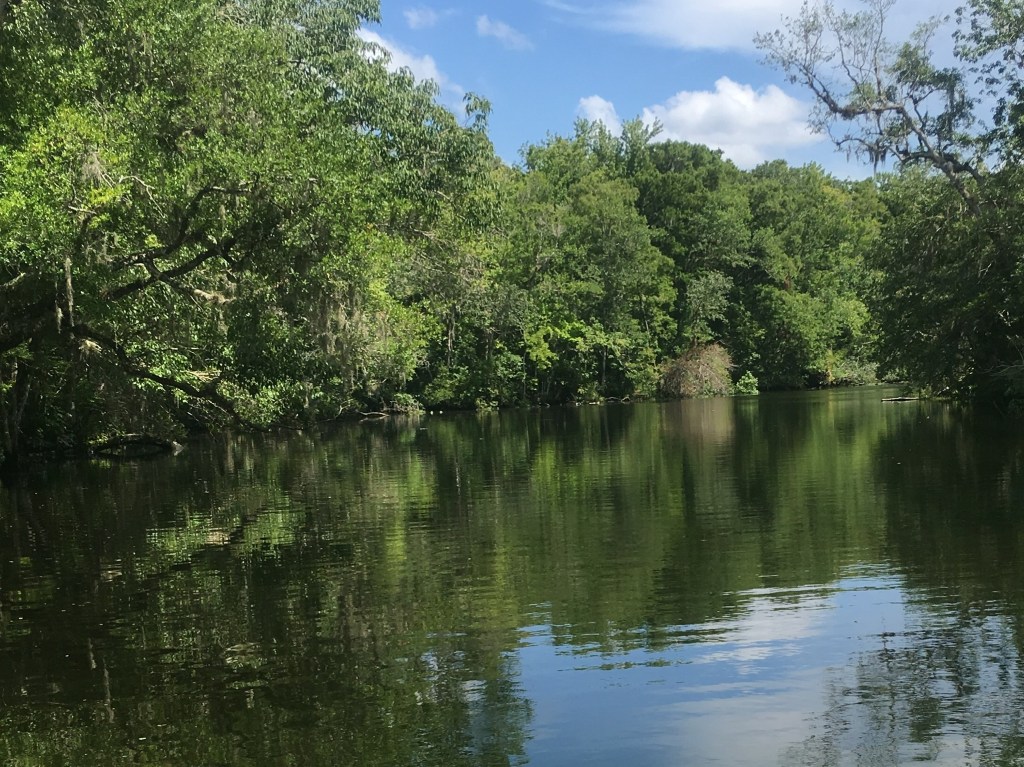
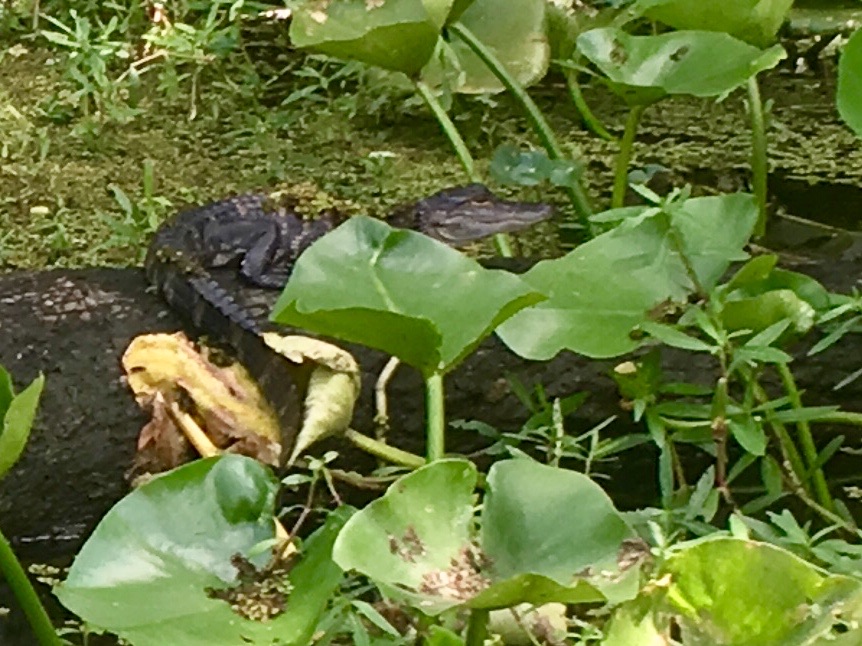
In spite of the ferocious summers heat and humidity we found plenty to do in the area. This included several visits to the beaches and lovely warm Atlantic, Saturday Farmers Market, Winery Tour and tasting, Shopping In the Outlet Malls, Daytona Original Beach Raceway, the Alligator Farm Zoo ( and brilliant bird life), AirBoat expeditions and lots of good eateries – including self catered Mango Snapper – crumbed, fried and as sashimi- mmmm!
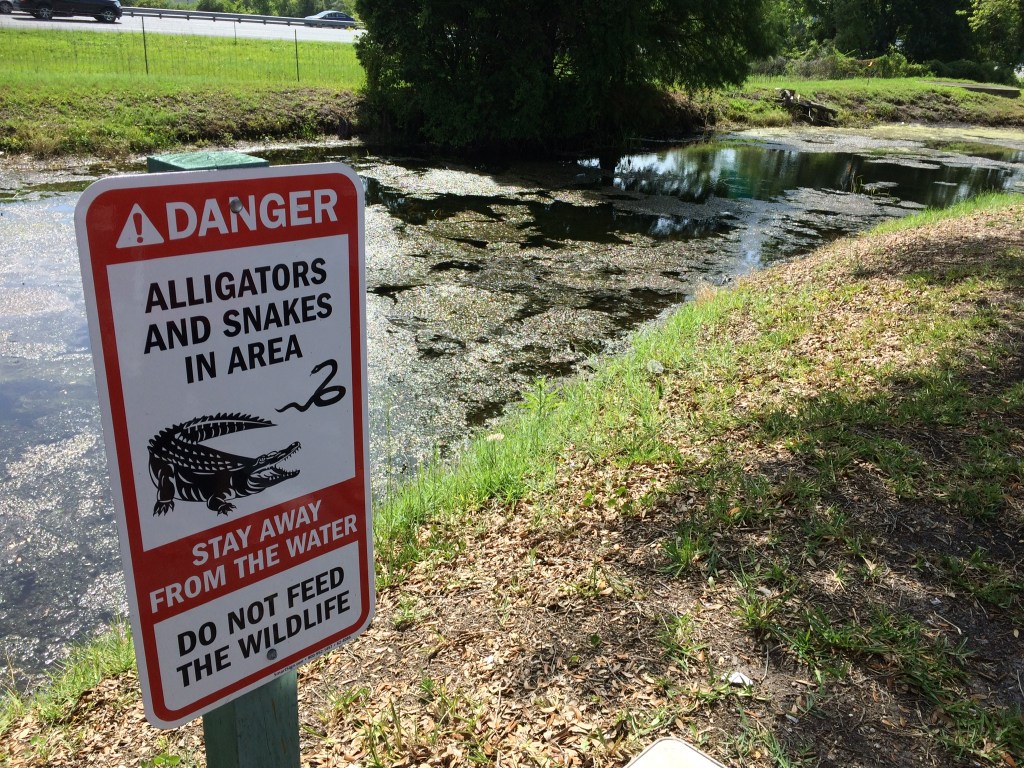
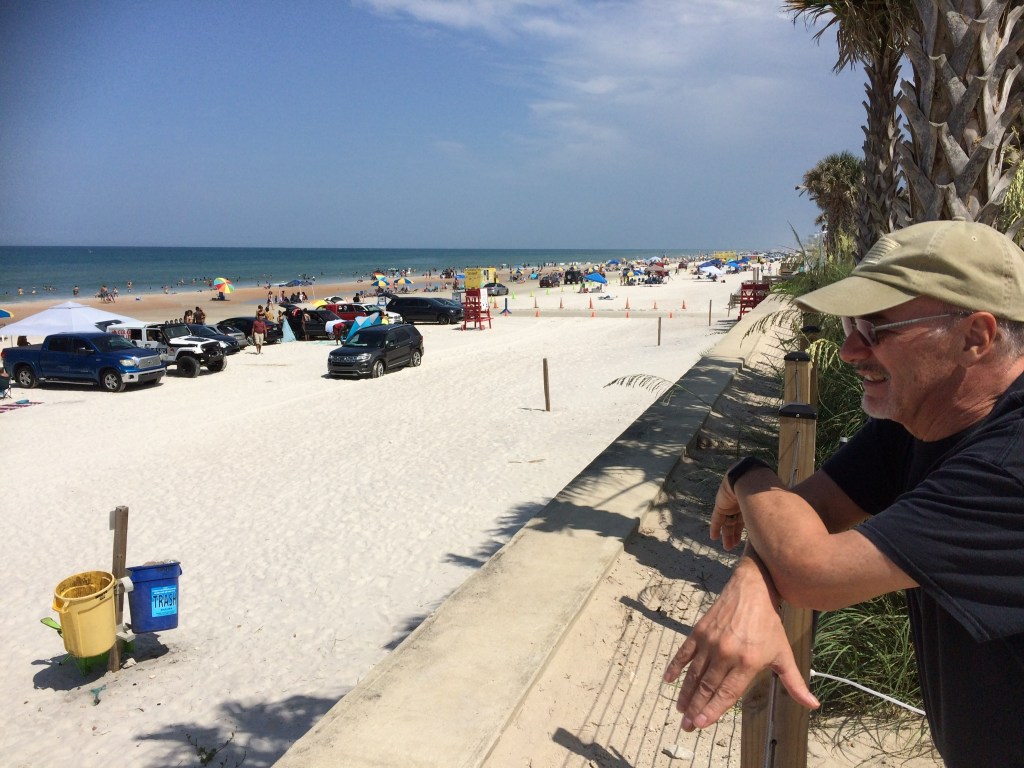
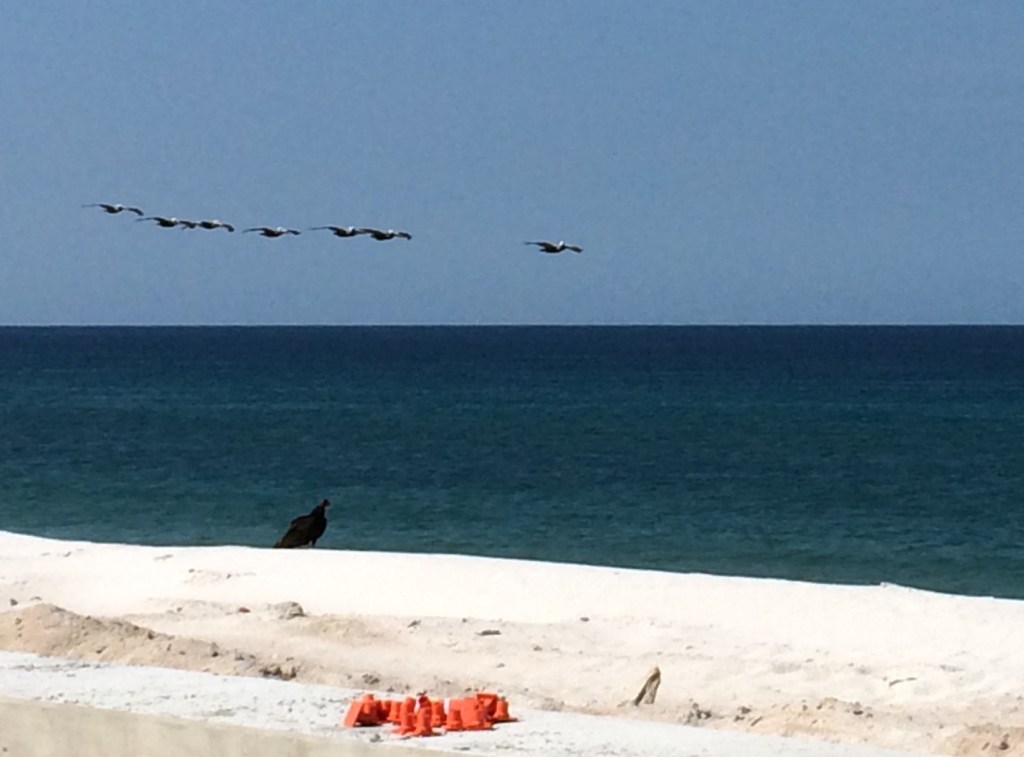
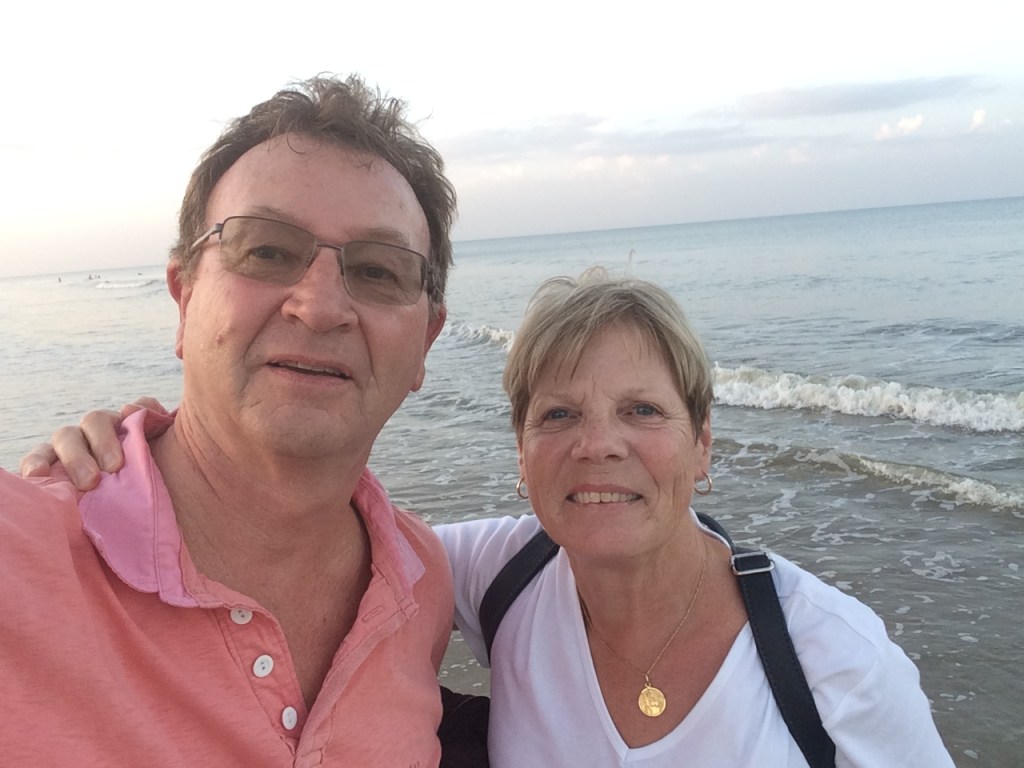
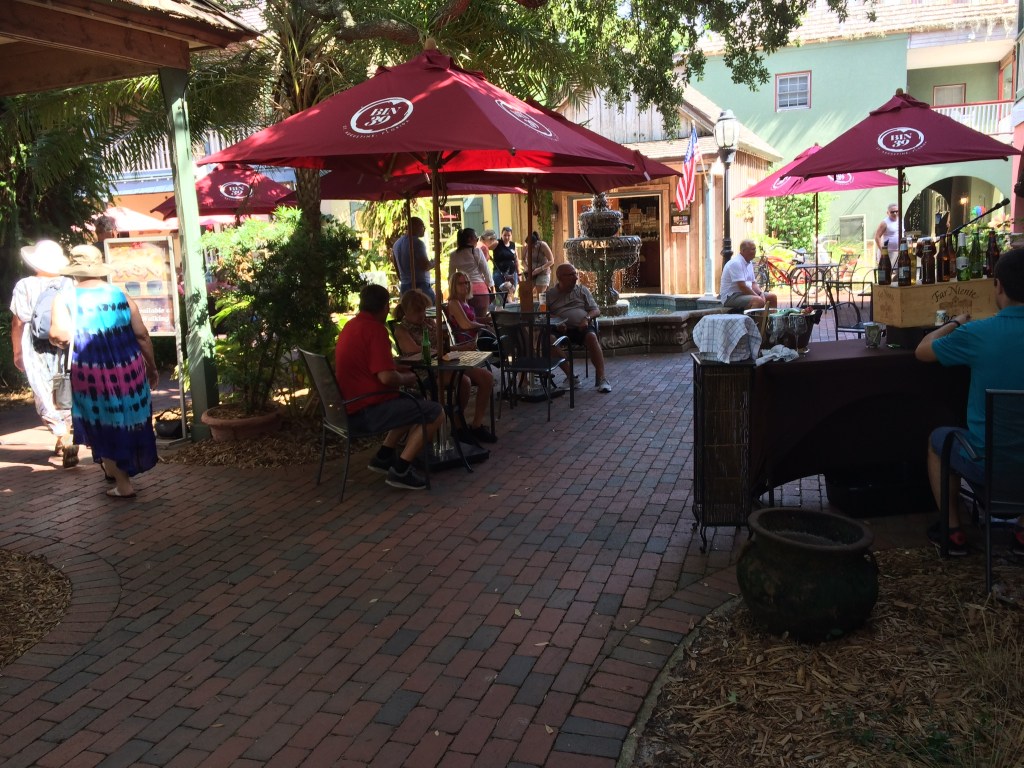
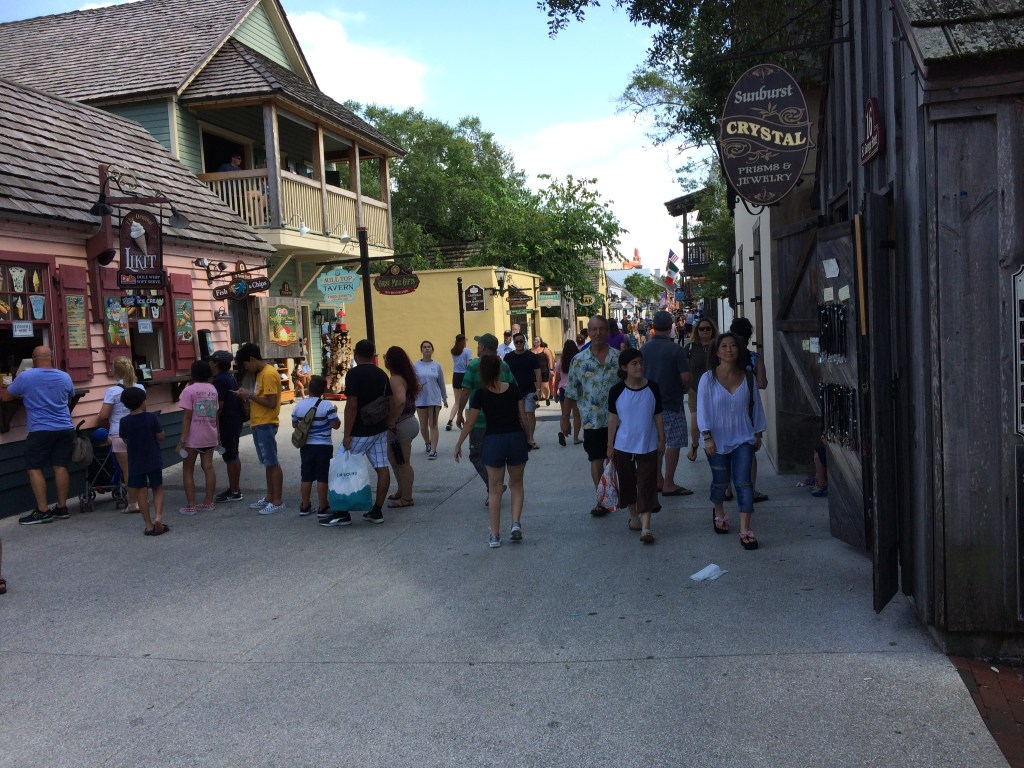
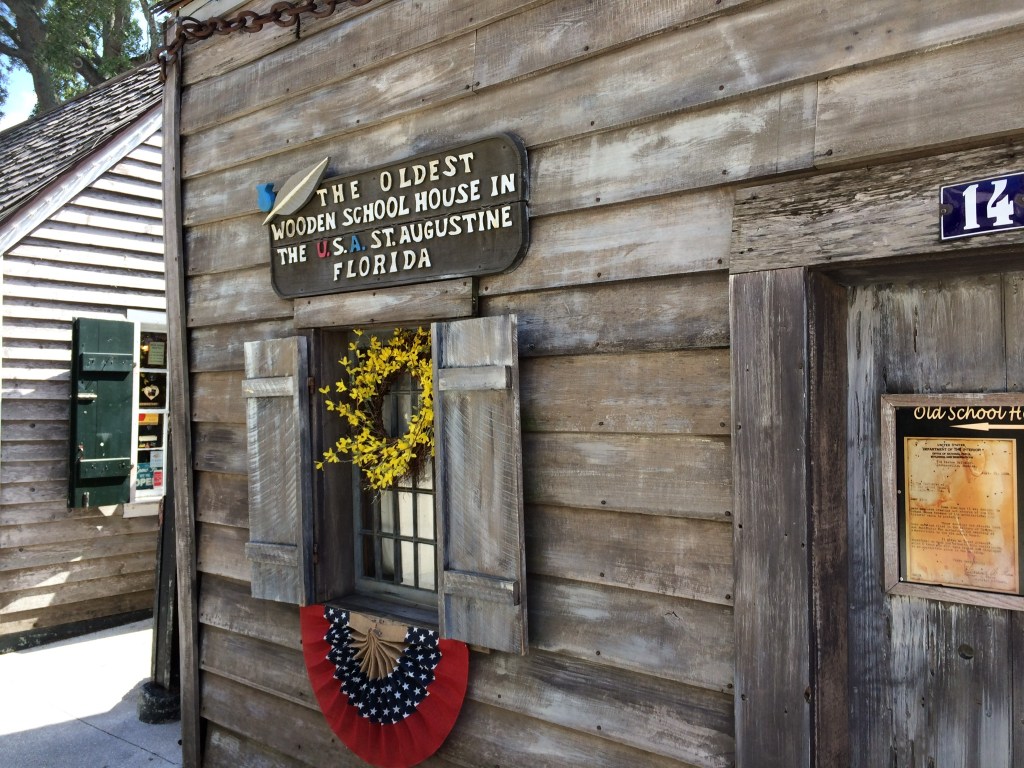
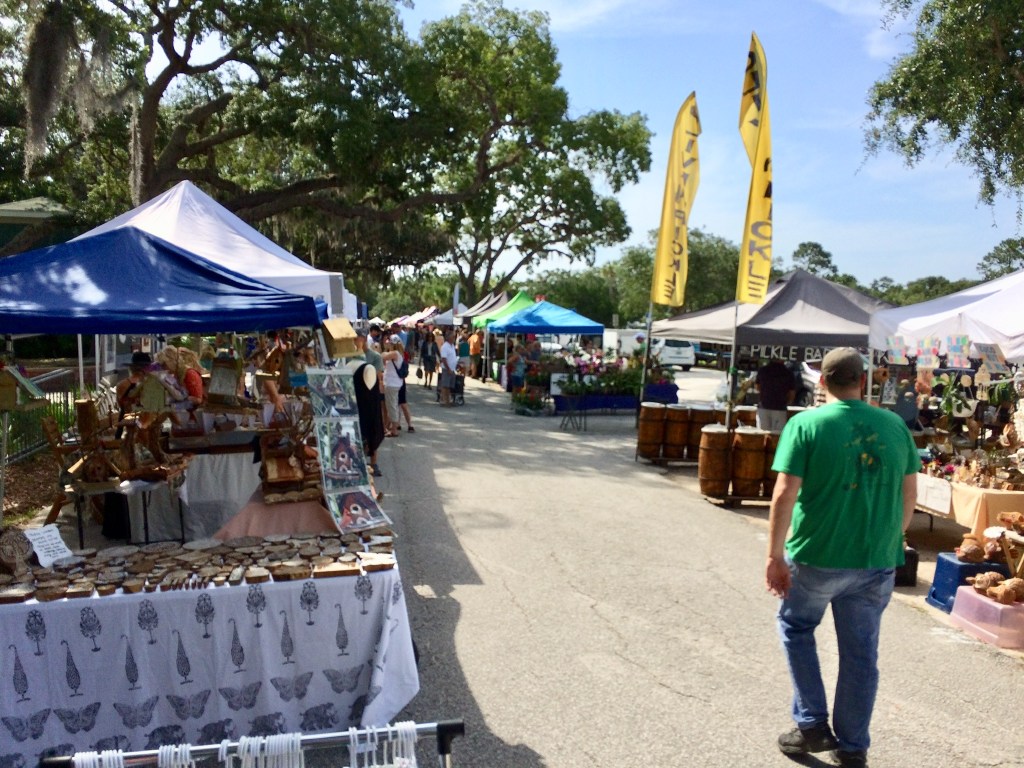

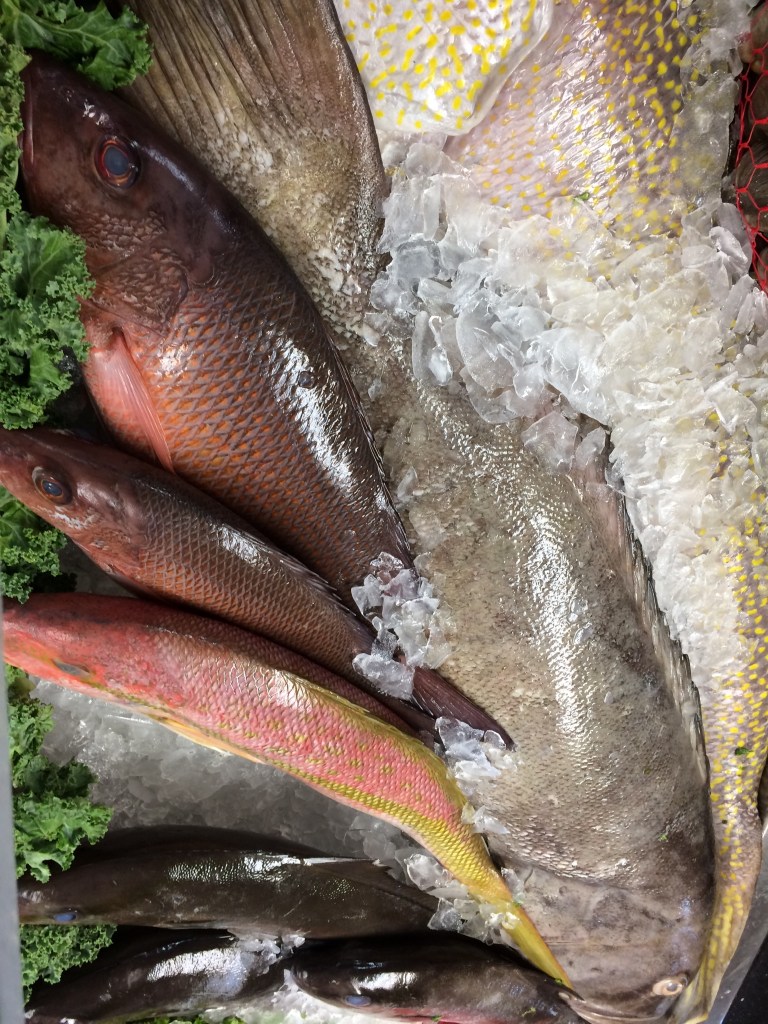
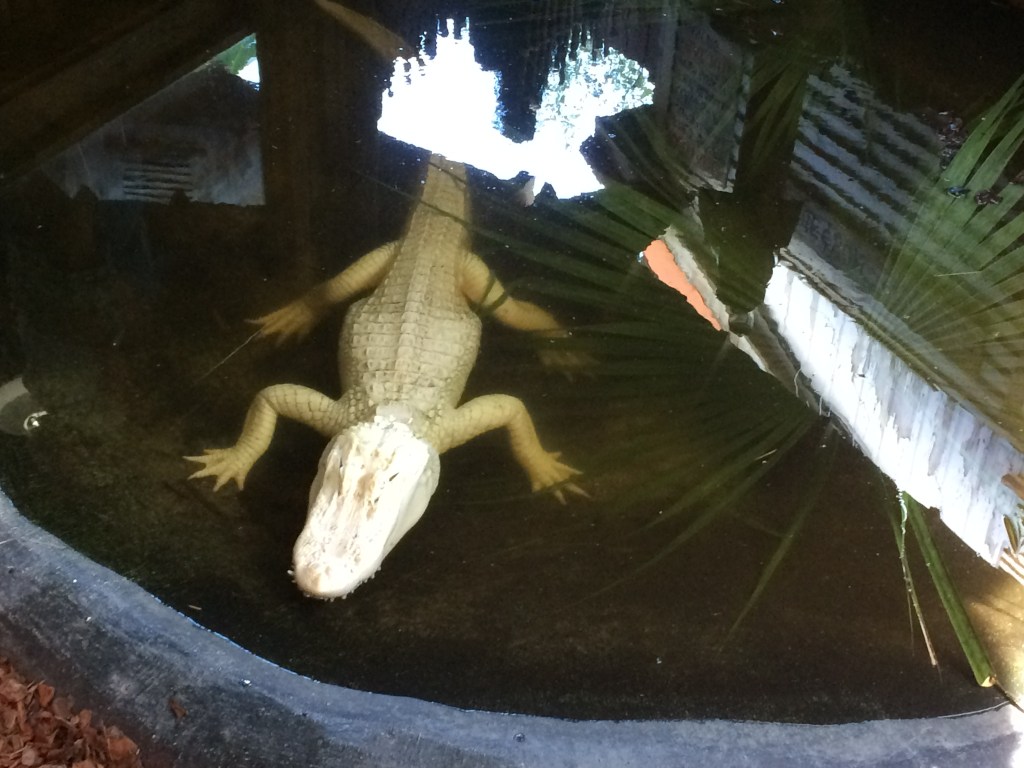
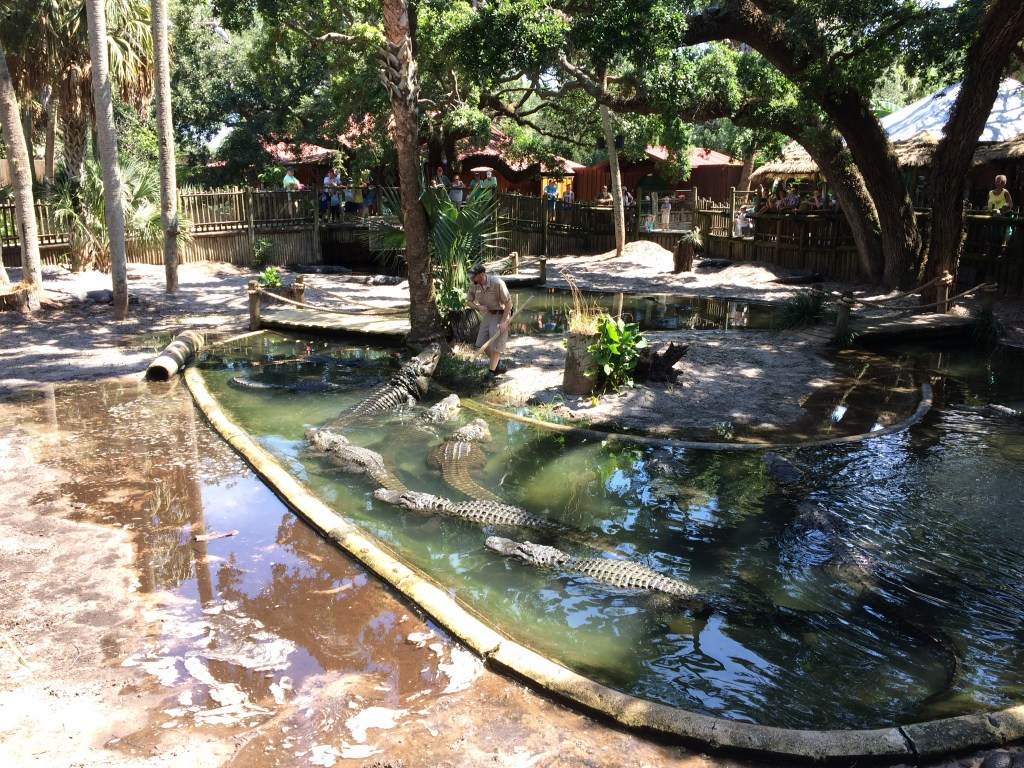
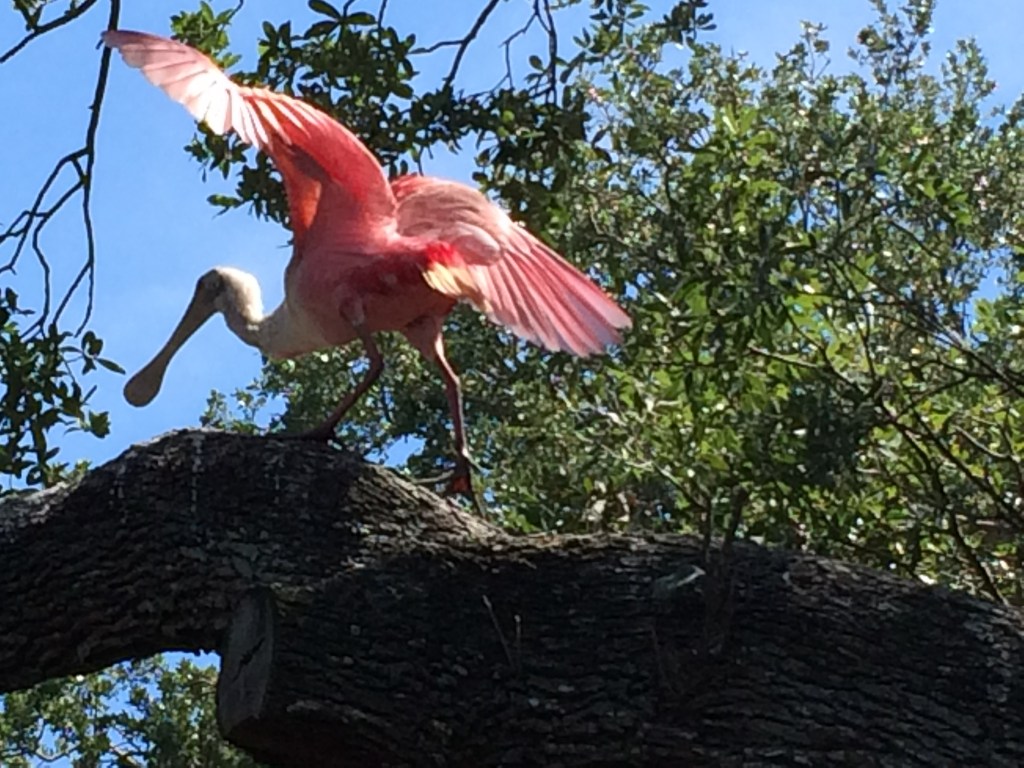
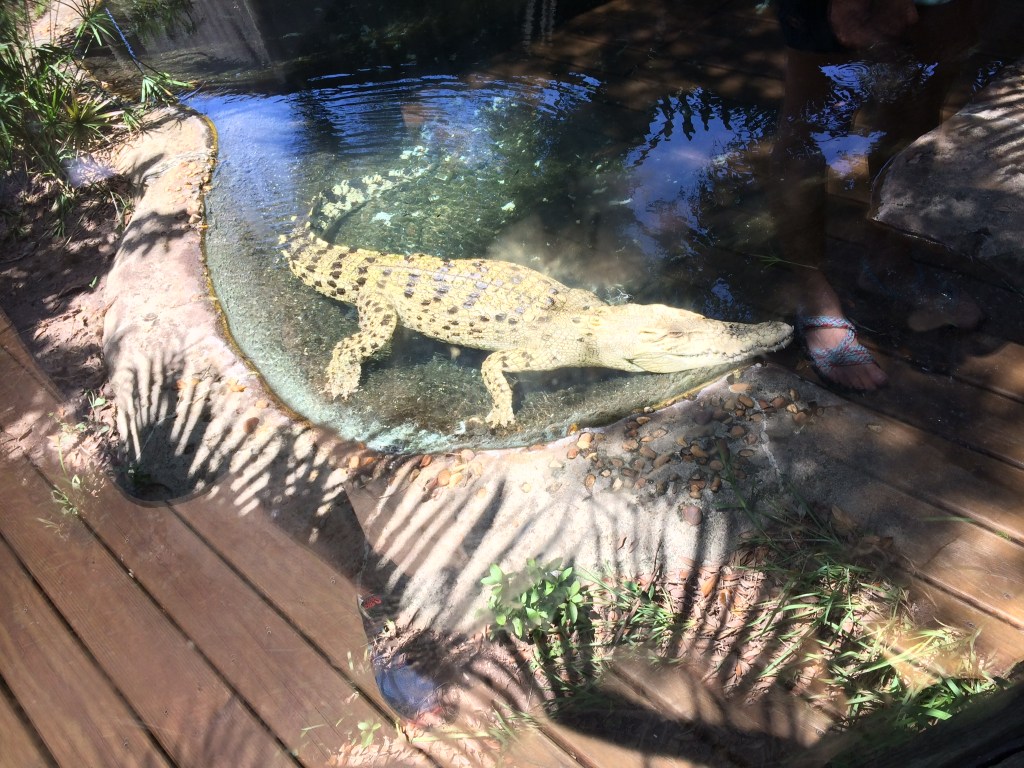


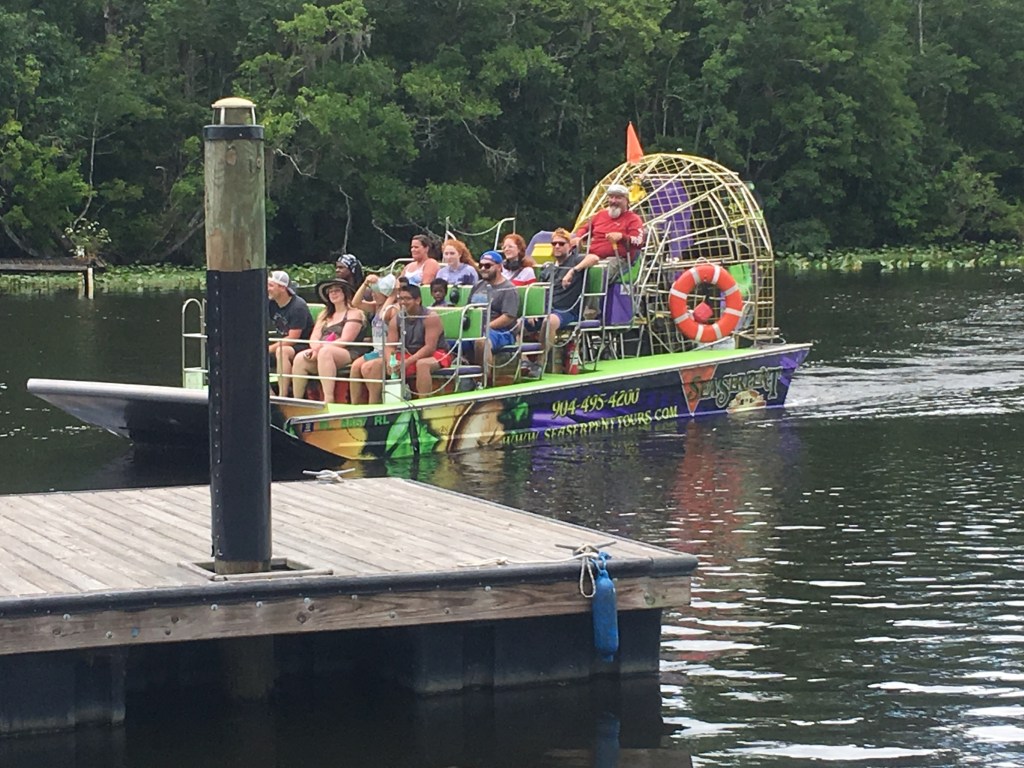
This part of Florida is certainly a domestic American tourist destination, and as we found for really good reasons. There is lots of history and fun tourist stuff to do. We are super lucky as we have friends living here and that was our primary reason to visit. So the bonus history and tourist stuff was just perfect, and we had a ball, thanks St Augustine, you did real good!! Next stop, Up State Massachusetts.
 Travels with My Wife
Very interesting & informative read! Pictures were great and love the titles with them.
LikeLike
Good stuff photo guy. Interesting co-incidence. In Madrid there is a famous gallery called Museo Nacional Centro de Arte Reina Sofia where you can see the famous Guernica by Picasso…a stunning huge work protesting war after the Nazi’s bombed Guernica as they fine-tuned their tactics for WW2. In that gallery there is an intriguing work by an artist called Ponce de Leon I think dating from the early 1900’s. It shows a guy lying in front of a car with headlights on after being hit and killed by that car. It is quite confronting. A year later that is precisely how the artist died! Amazing huh. Anyway, keep it up super tourists. Best, Roger
LikeLike
Just read it, Peter.- am loving the blogs. I was having problems reading them on my IPad as the photos appeared superimposed over the text, but have found a way around this. So impressed you conquered the high tower. Did you drink from the Fountain of Youth? St Augustine looks so interesting – love the architectural details. It all looks very clean and stylish. Those fabulously wealthy moguls had taste. So much history for you to catch up on Peter., and what a fun way to learn it. No food pics this time!? love to you both, Jane xx
LikeLike