
The borders and coastline of the counties of Essex and Suffolk have much to offer the visitor. Less than 2 hours drive north and eastwards from central London, excellent rail links make the area popular with commuters. But it can still show off England at some of its best to a visitor if one knows where to explore.
I was born, raised, educated in Essex and learned to sail on the Blackwater and Crouch rivers. Whilst we have lived overseas for over 40 years now, coming back to Essex and neighbouring Suffolk is still a homecoming even though much has changed over that time. But in selecting these few locations for this blog from our recent visits I can honestly say that so much in these places, has not changed.
In May 2018 we visited Constable Country, and in 2017 we had spent time around Coggeshall and then down to Maldon on the River Blackwater with its famous Thames Barges. We really enjoyed these trips, a little off the normal beaten track perhaps, but that is usually what we prefer.
Constable Country
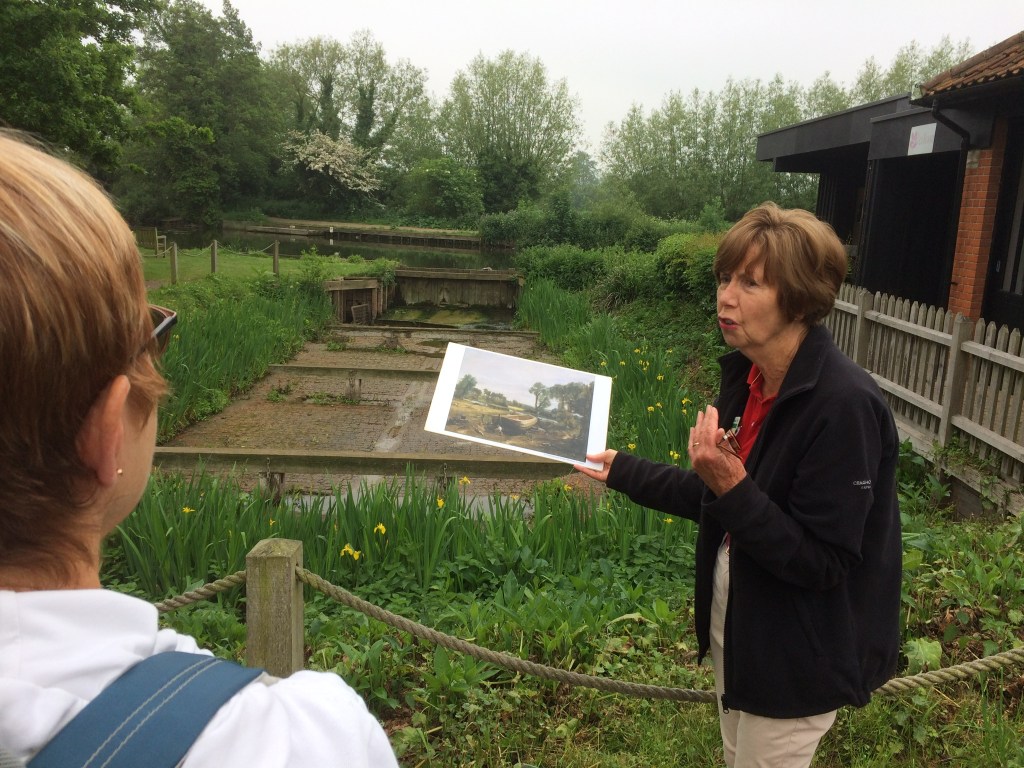
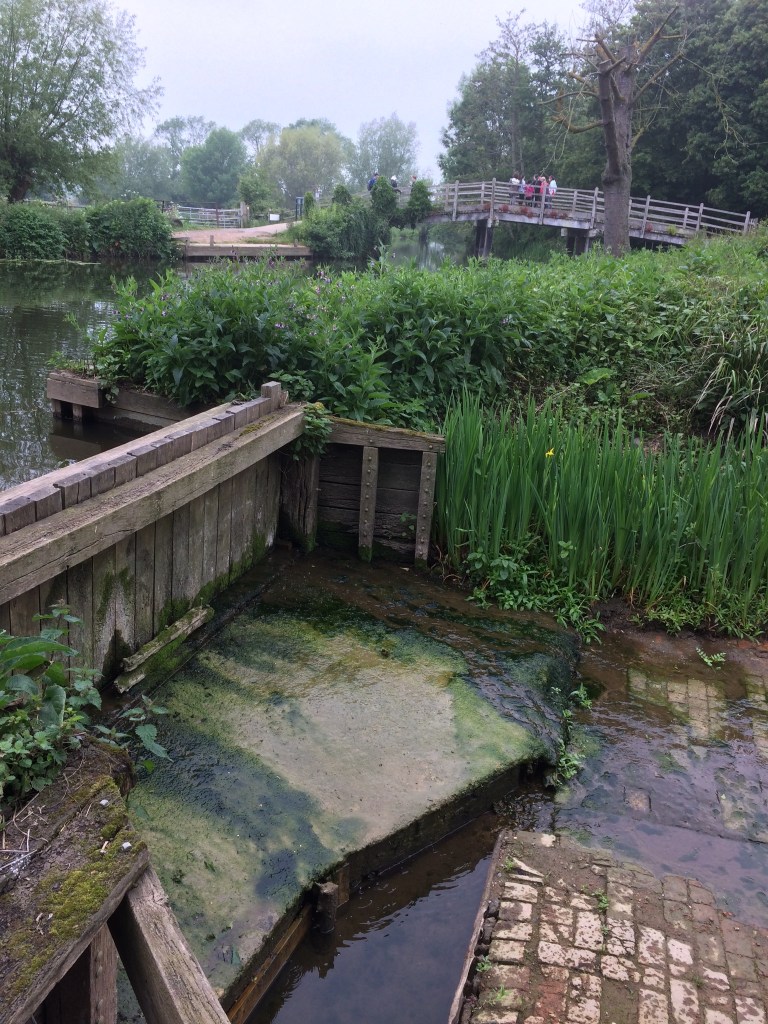
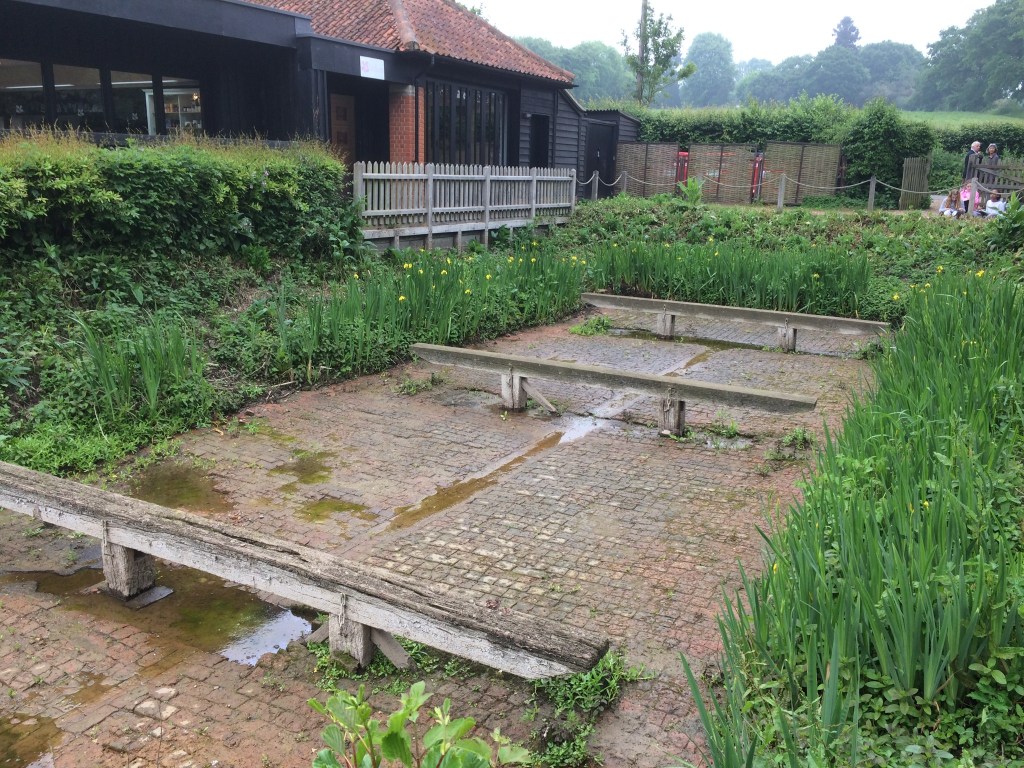
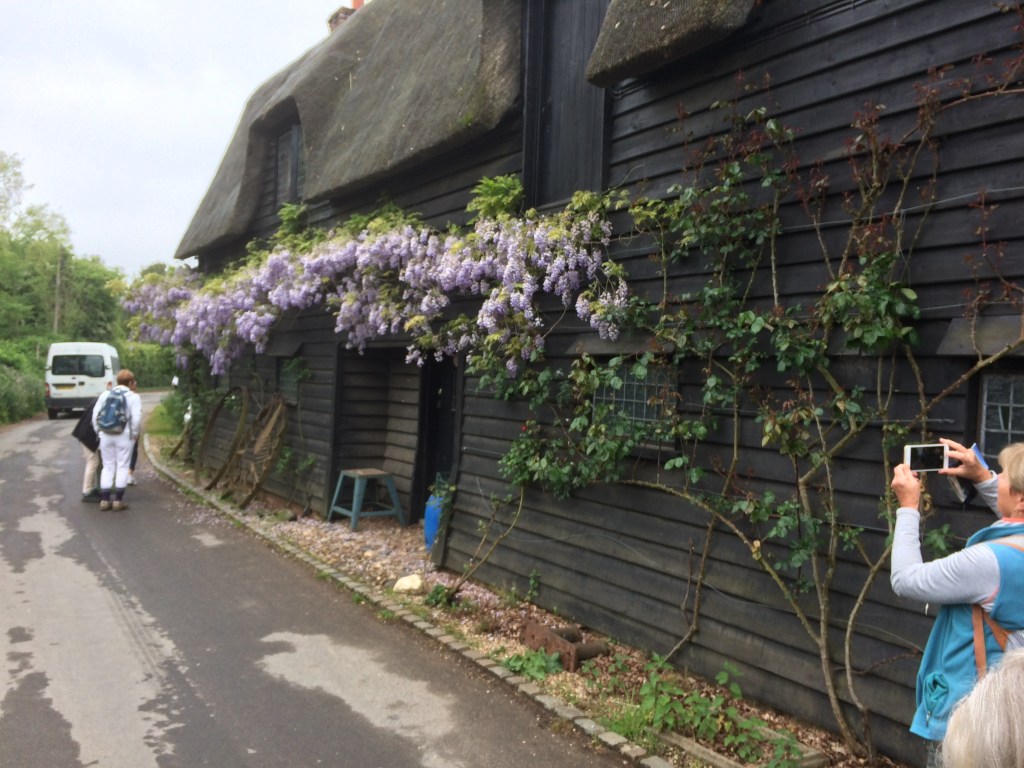
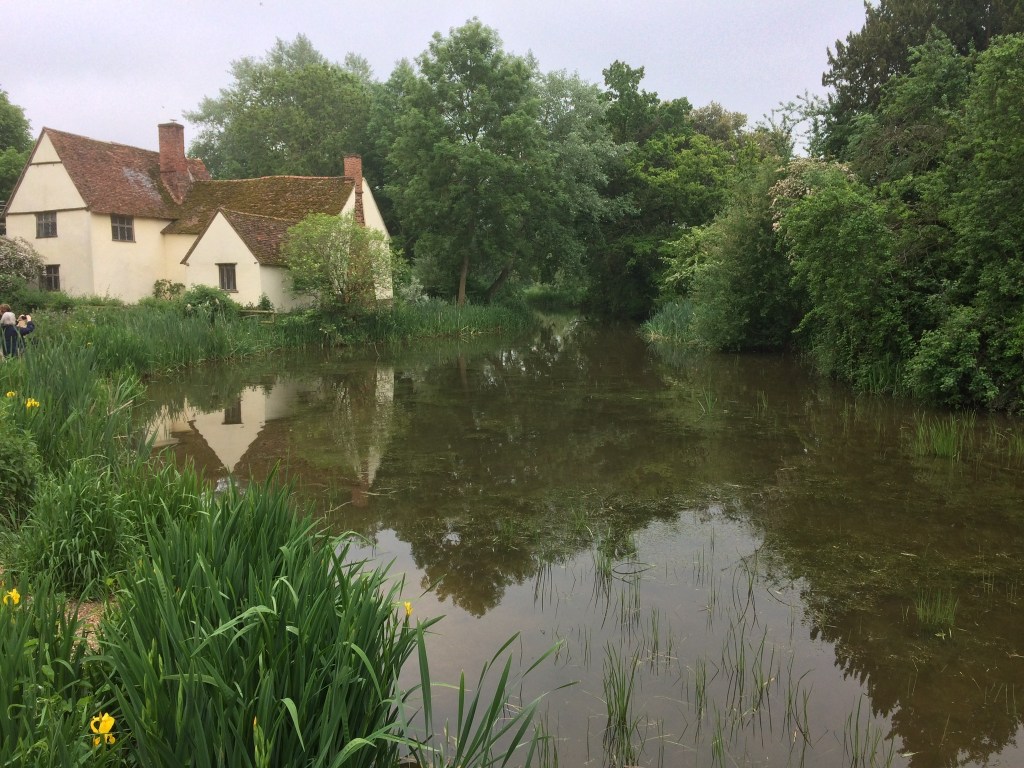
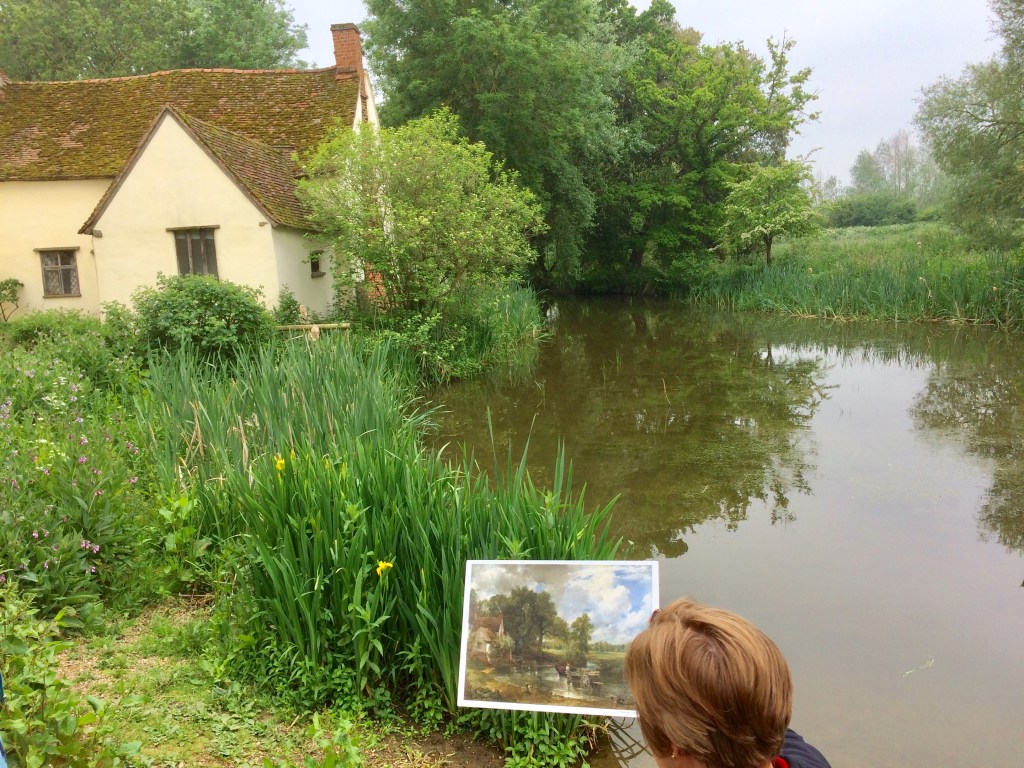
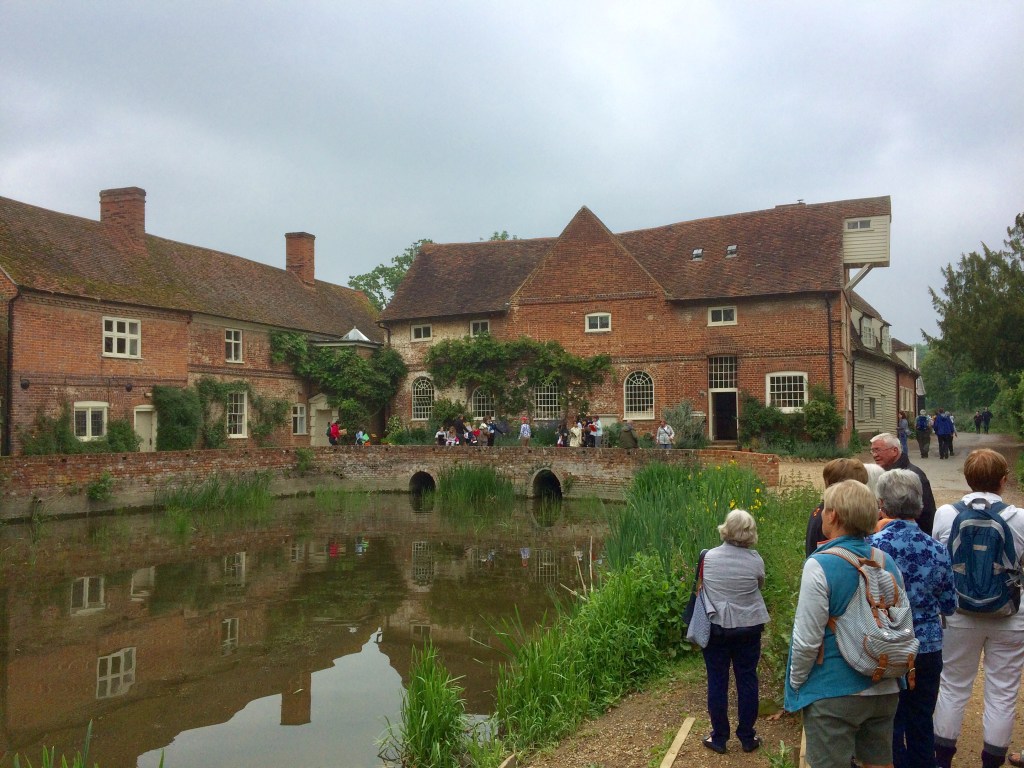
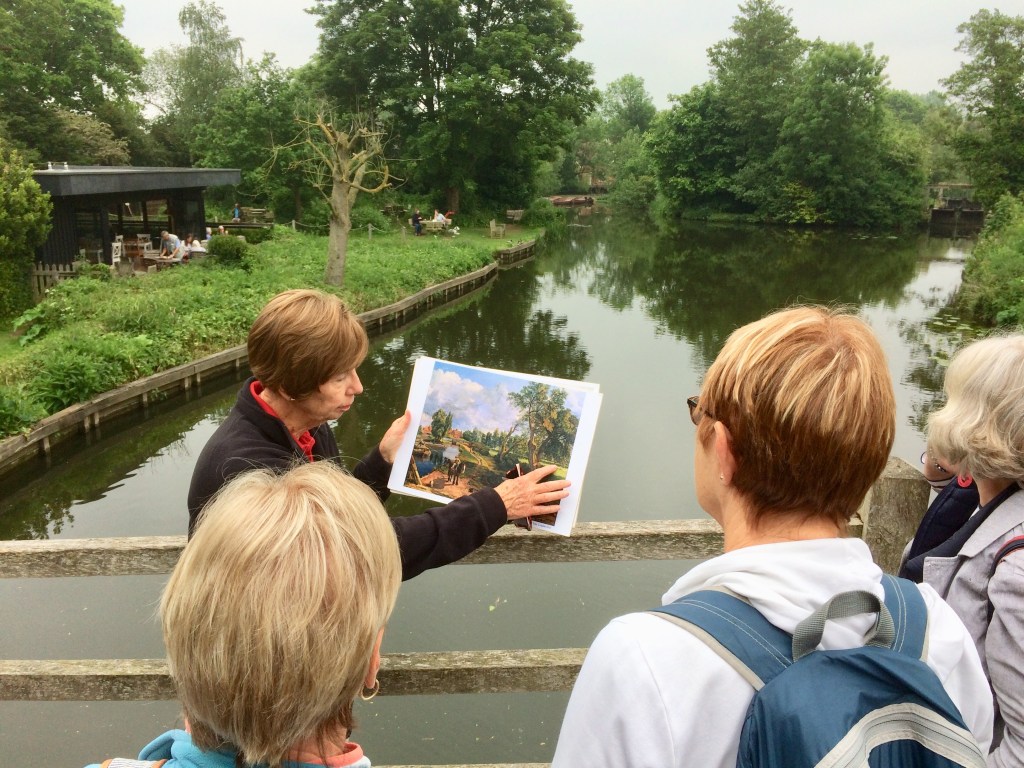
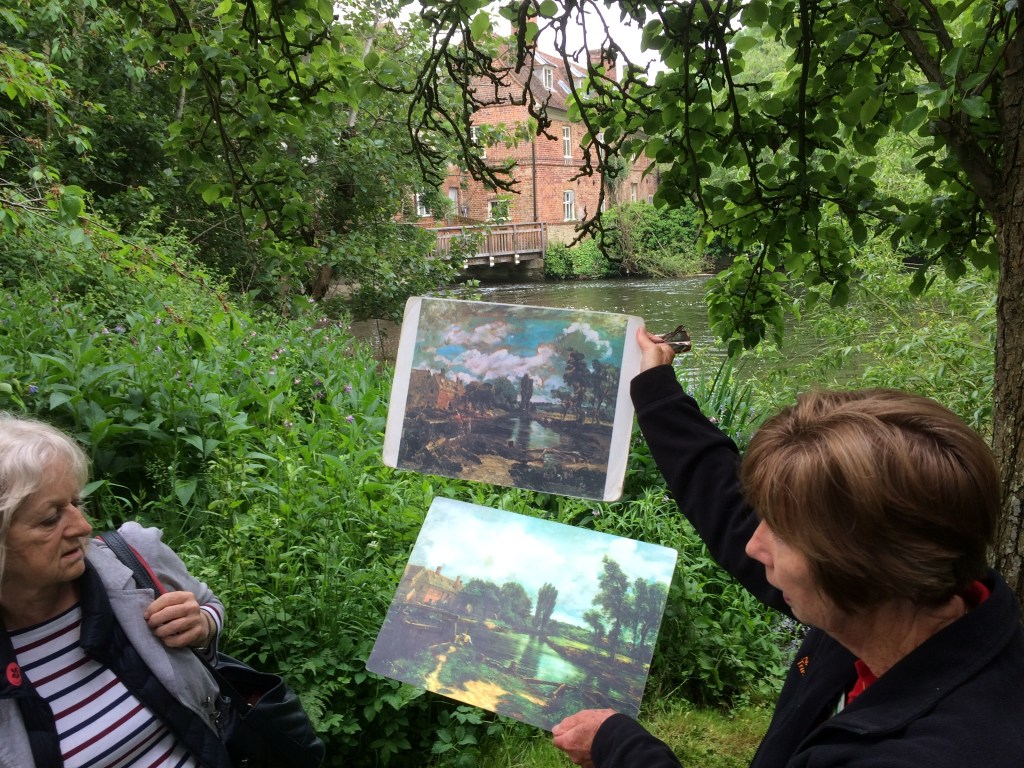
John Constable created his wonderful paintings of rural industrial England in the early 19th century. The villages of Dedham and East Bergholt, and Flatford Mill itself are great locations to access the National Trust properties that allow one a sense of the locations and their history through his works.
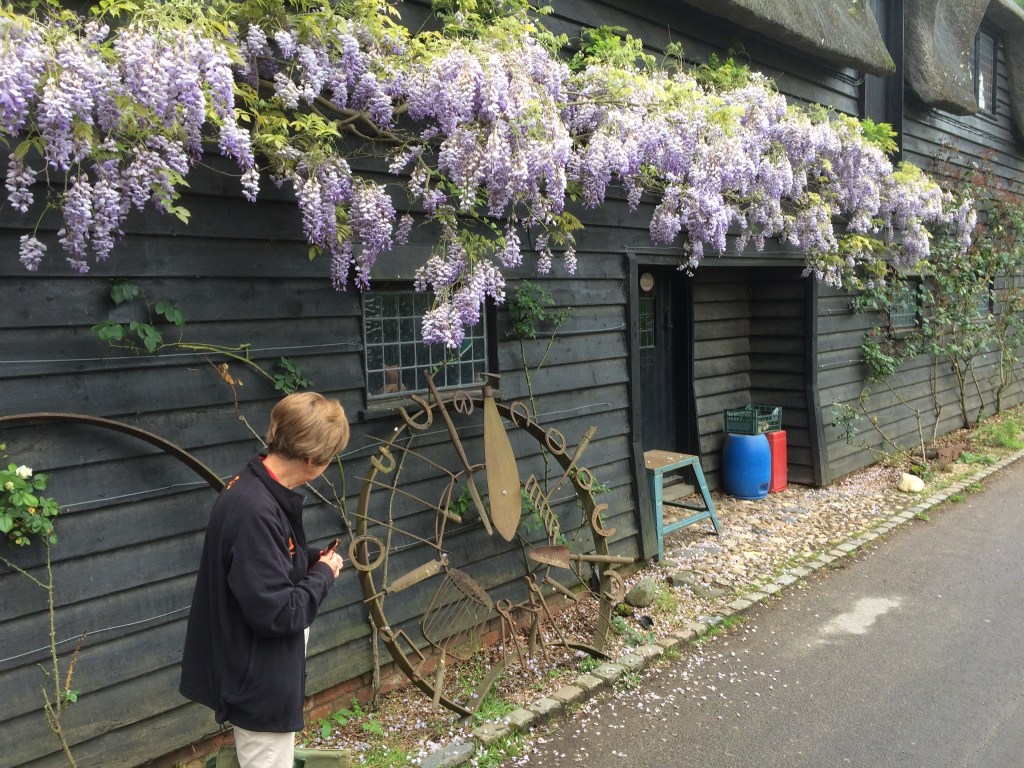
We visited in late May 2018 and can thoroughly recommend the National Trust tour which really brought to life the “current locations and the 19th century paintings themselves”. We spent a day here, had a good lunch by the river as history and classic art was brought to life in front of us.
Coggeshall
A pretty Essex village, fortunately by passed by the A120, but leaving some wonderful Tudor showpieces. We were taken to Coggeshall by friends who live in north Essex, and know the best places to go to.
Coggeshall Grange Barn
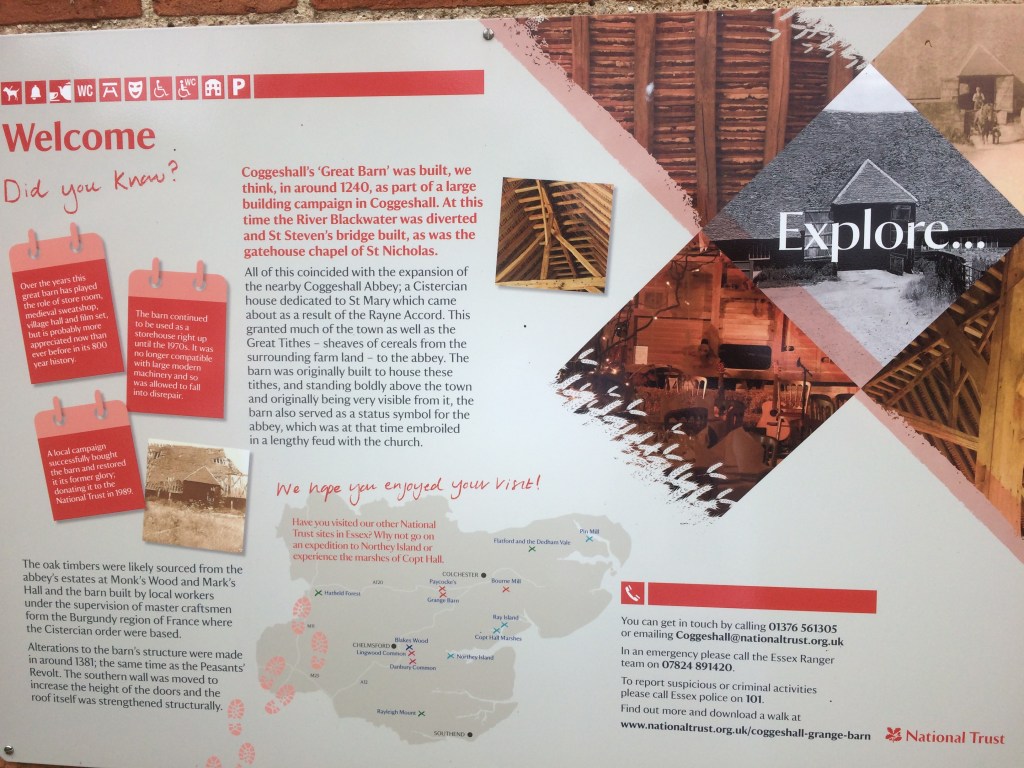
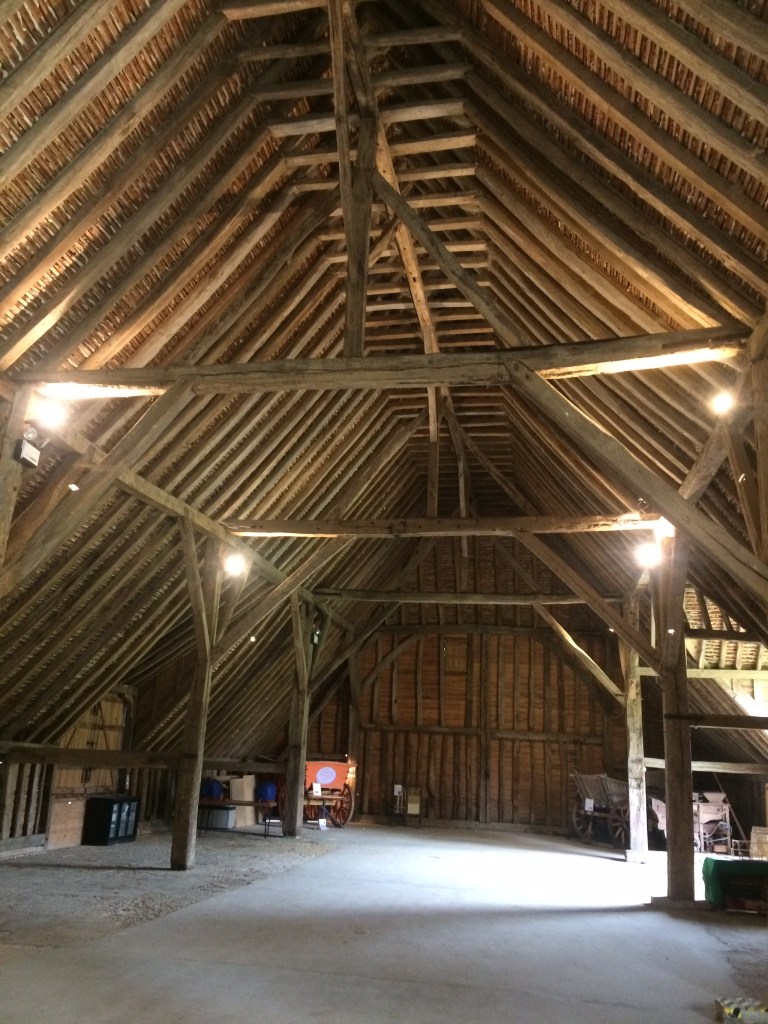
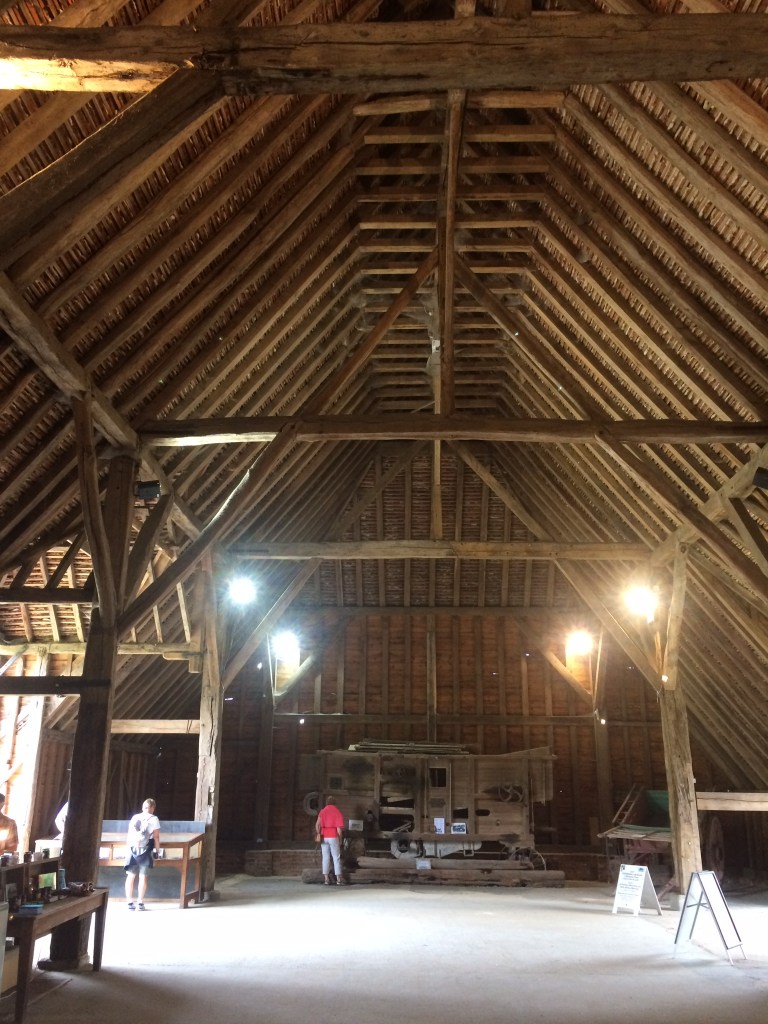
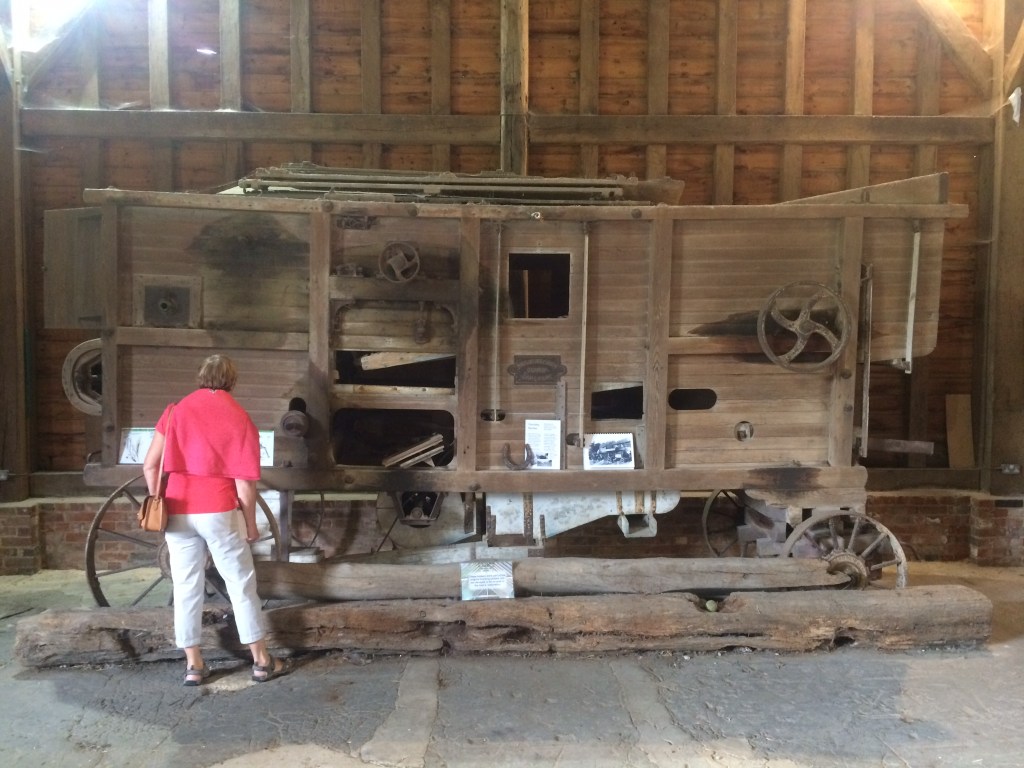
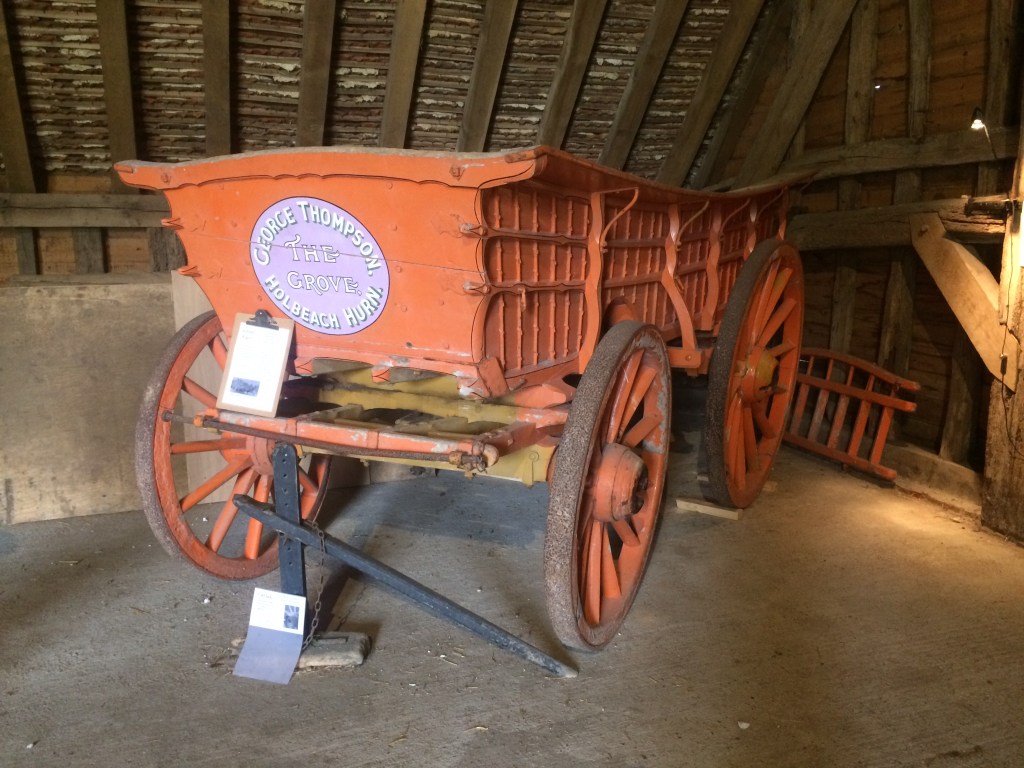
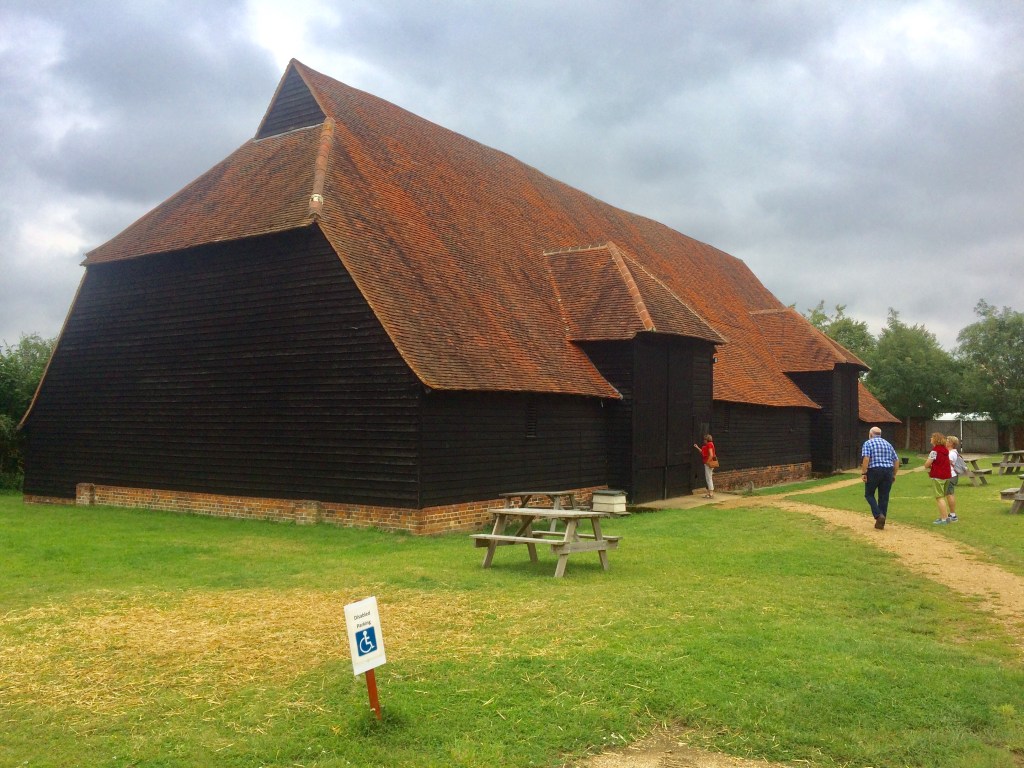
The Grange Barn has been beautifully restored, and demonstrates how Essex agriculture industry developed from the 13th century and onwards. There is a separate small museum which is also worth a visit.
The Barn is just beautiful, the exposed timbers are to be marvelled at and the National Trust and volunteers who run the site are to be applauded. We had a wonderful visit.
Coggeshall Paycocke’s House and Garden
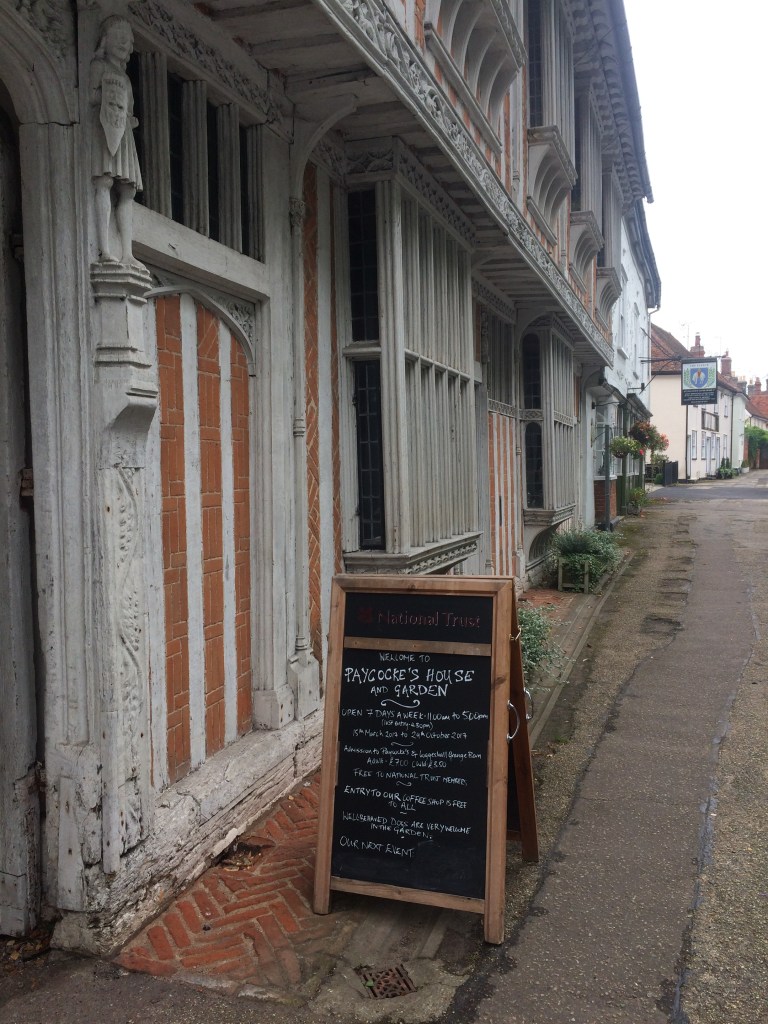
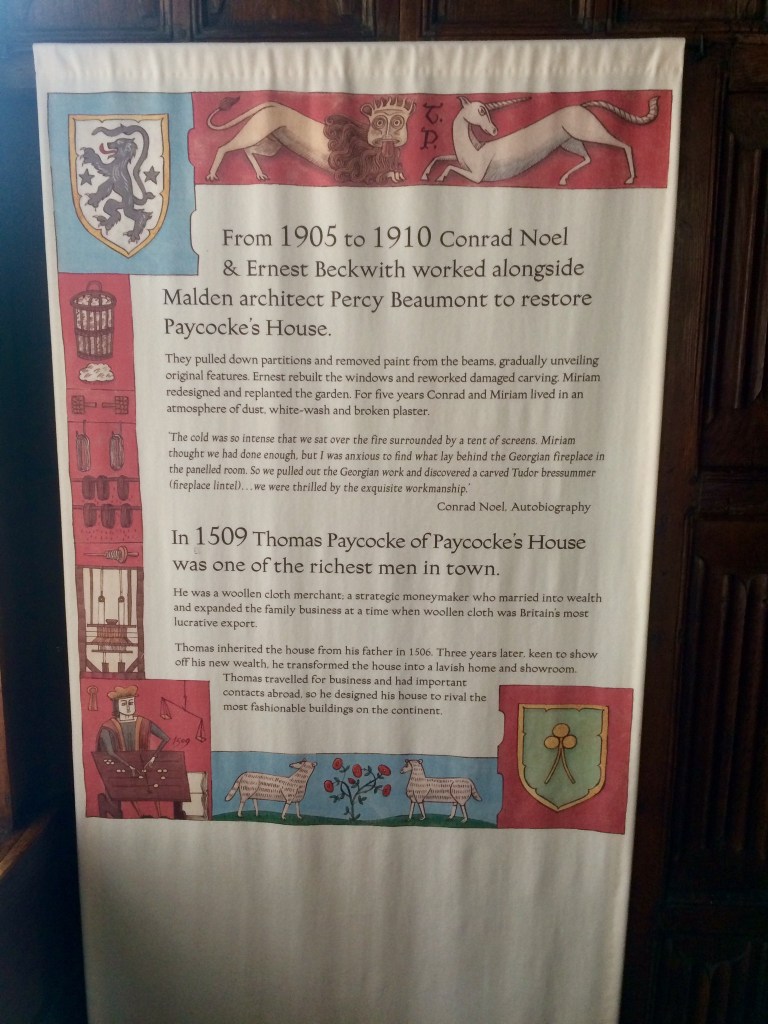
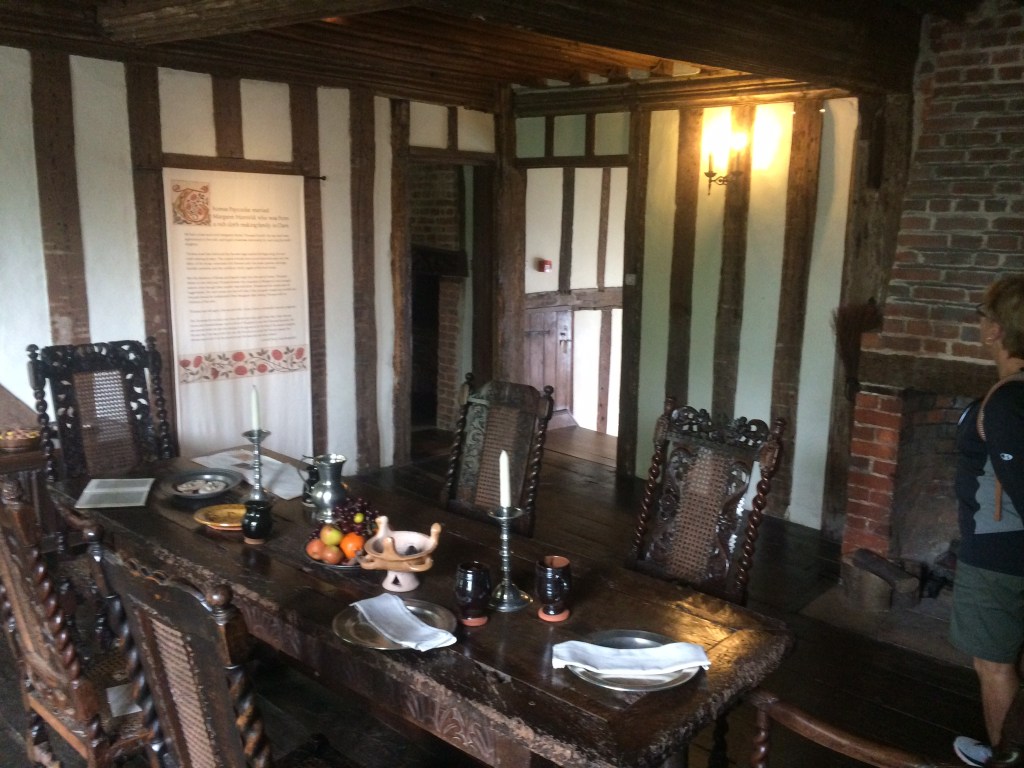
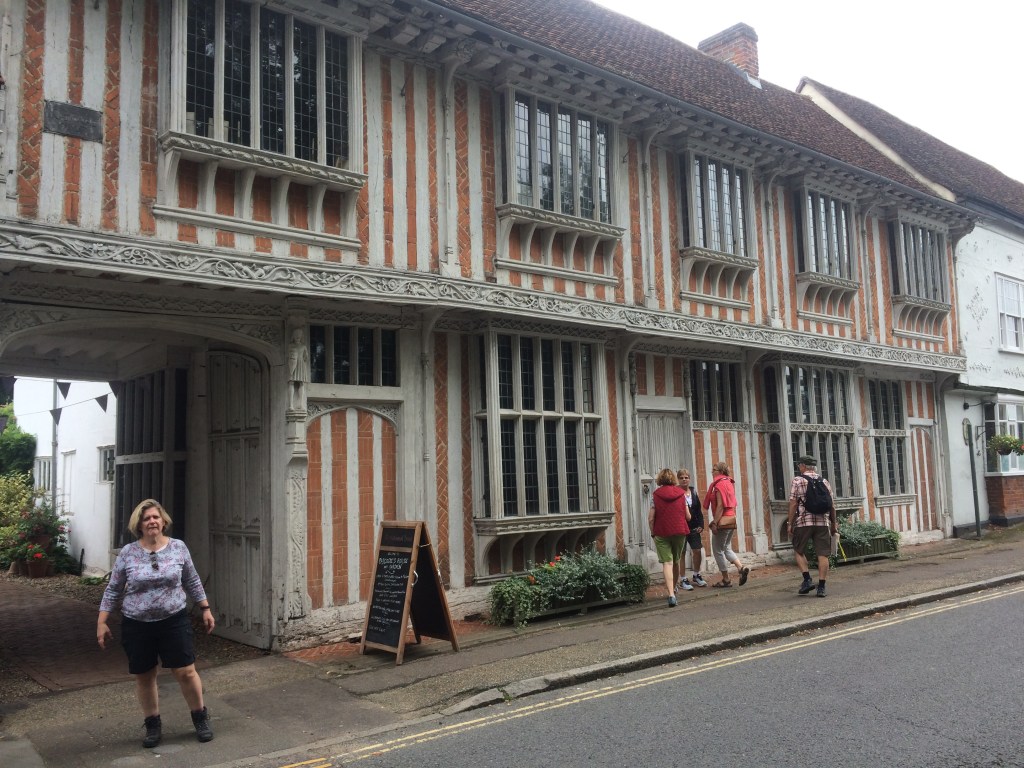
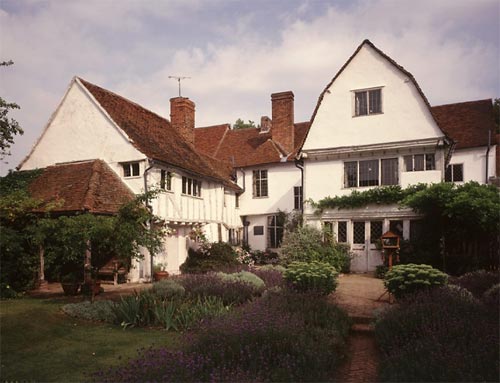
Paycocke’s House was a real find, on the Main Street in Coggeshall, pretty garden, stunning Tudor restored wool merchants house and tea rooms!!
After the Barn, wandering around the museum which is Paycocke’s, the real bonus, excellent tea, coffee, cakes, sandwiches etc. Enjoyed eating our lunch in the garden, imagining life in Tudor times, as a well to do wool merchant.
West Mersea
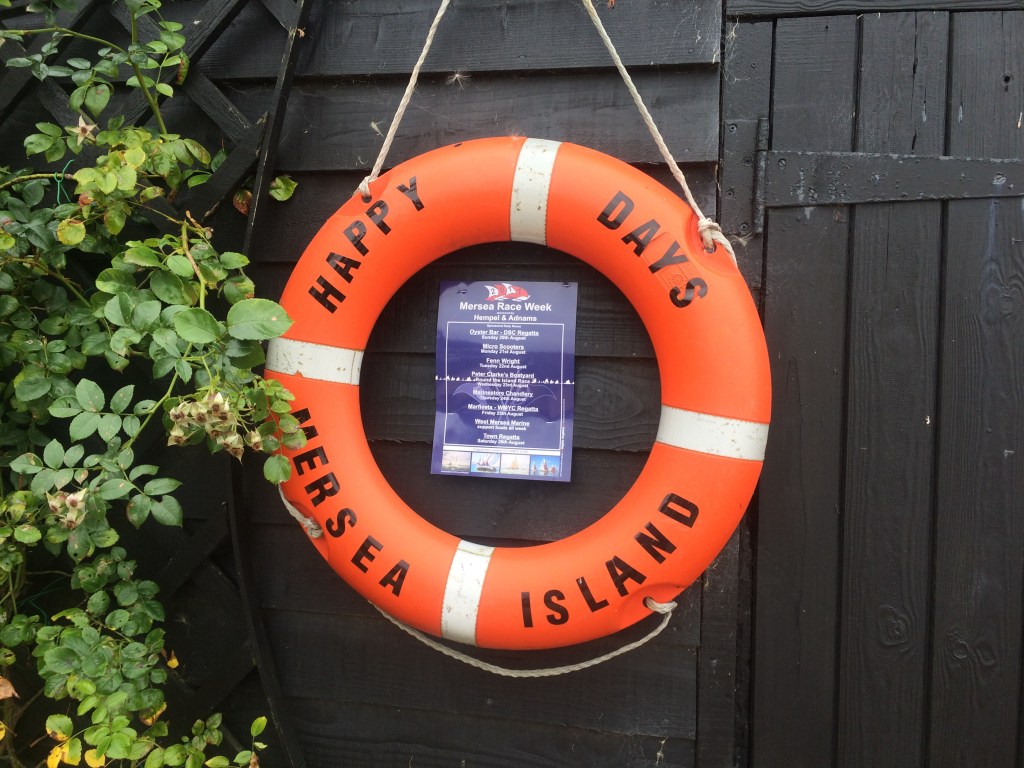
Britain’s most easterly inhabited island sits where the River Blackwater meets the North Sea. It’s joined to the mainland by a causeway but spring tides do make the island impassable, so tide table awareness a bonus.
Famous primarily for its sailing and oysters, nevertheless it is off the beaten track, and friends took us there in August 2017, for lunch. We had been promised wonderful fish, sea air, a walk and we were not disappointed.
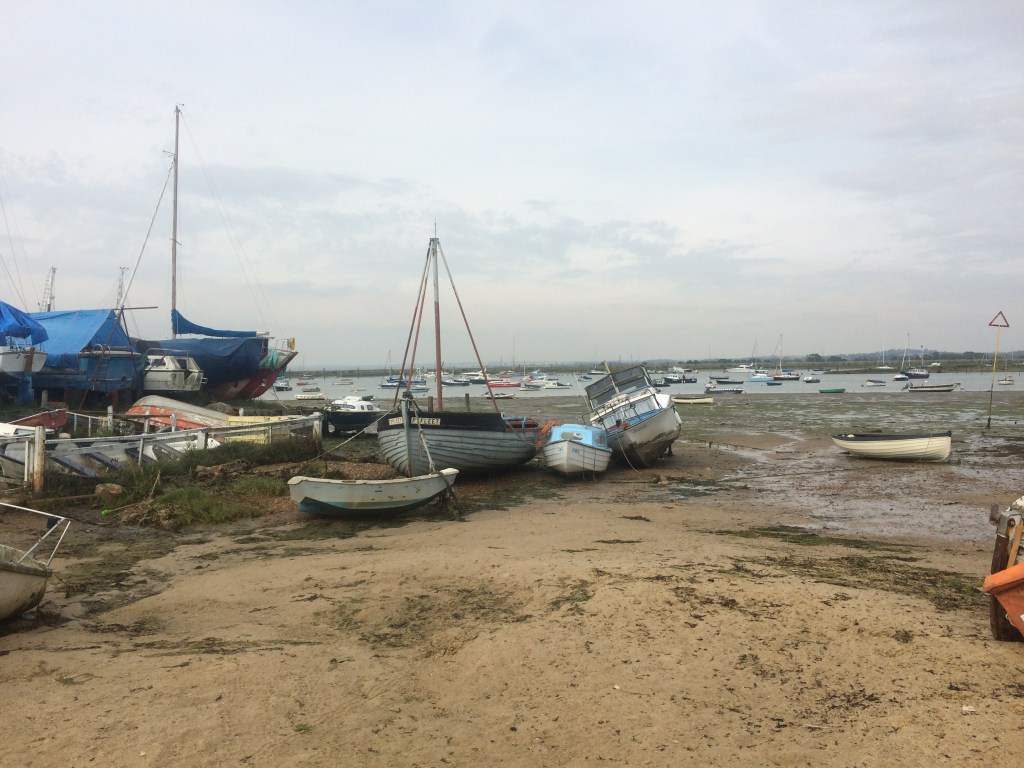


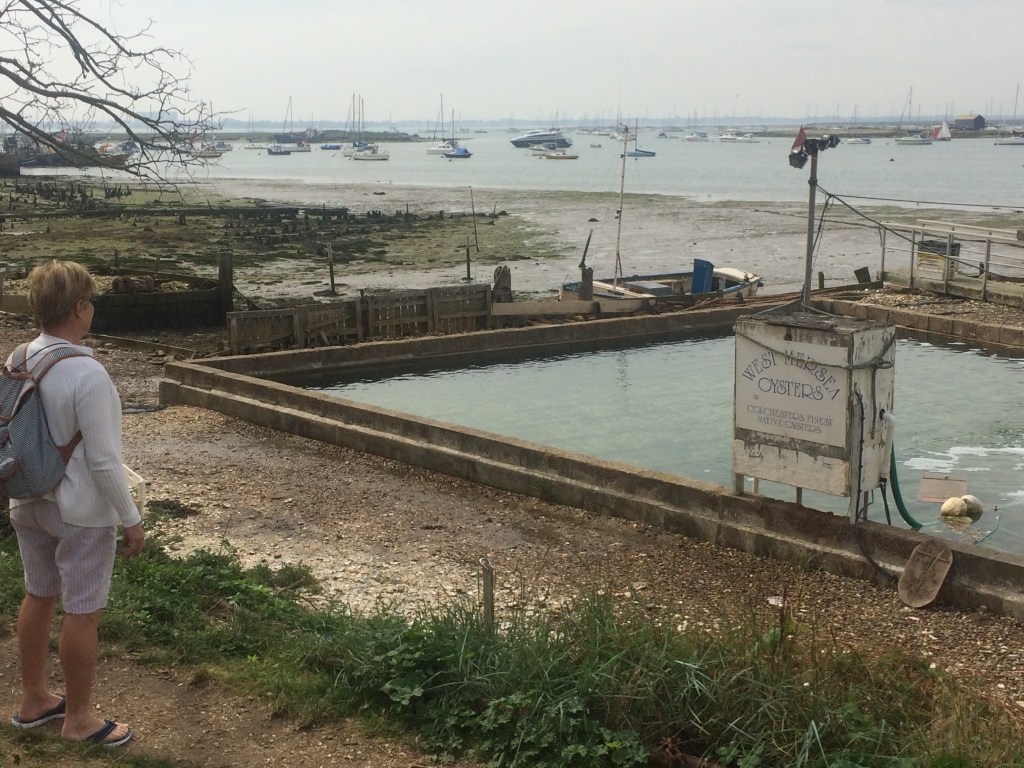

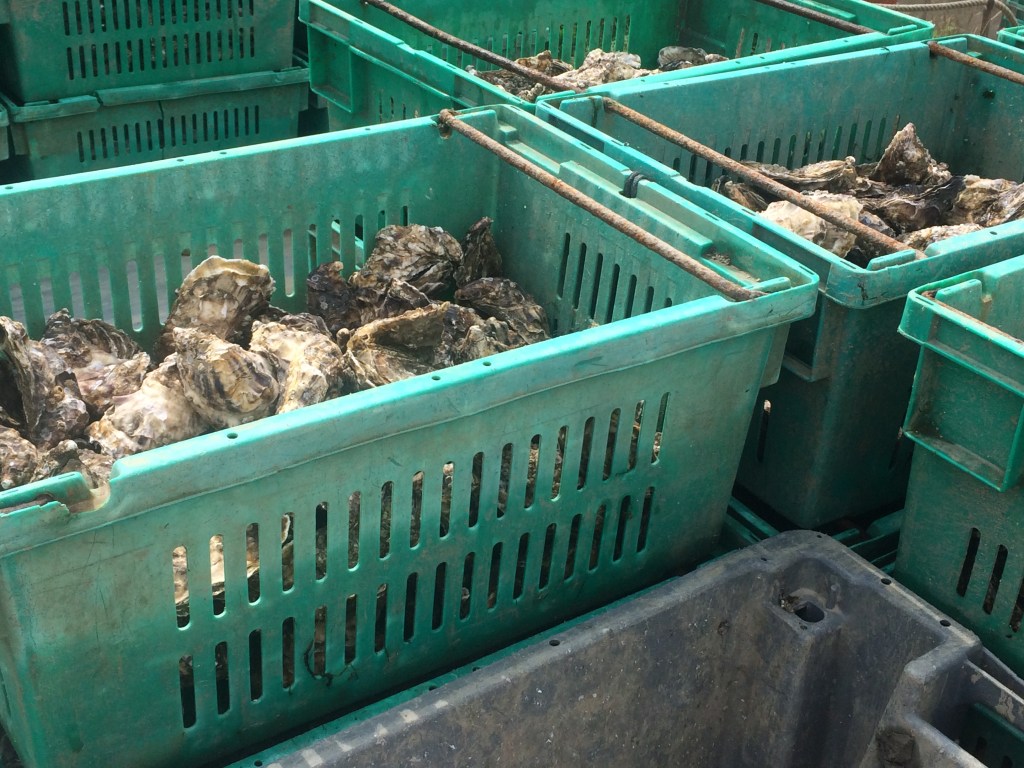
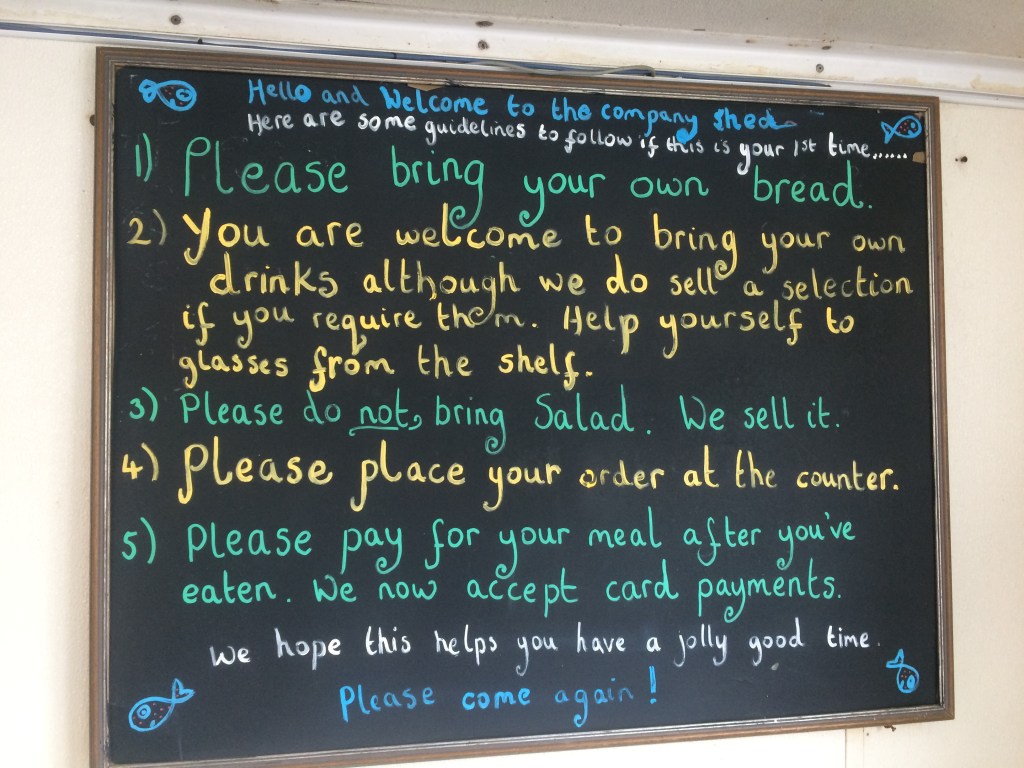
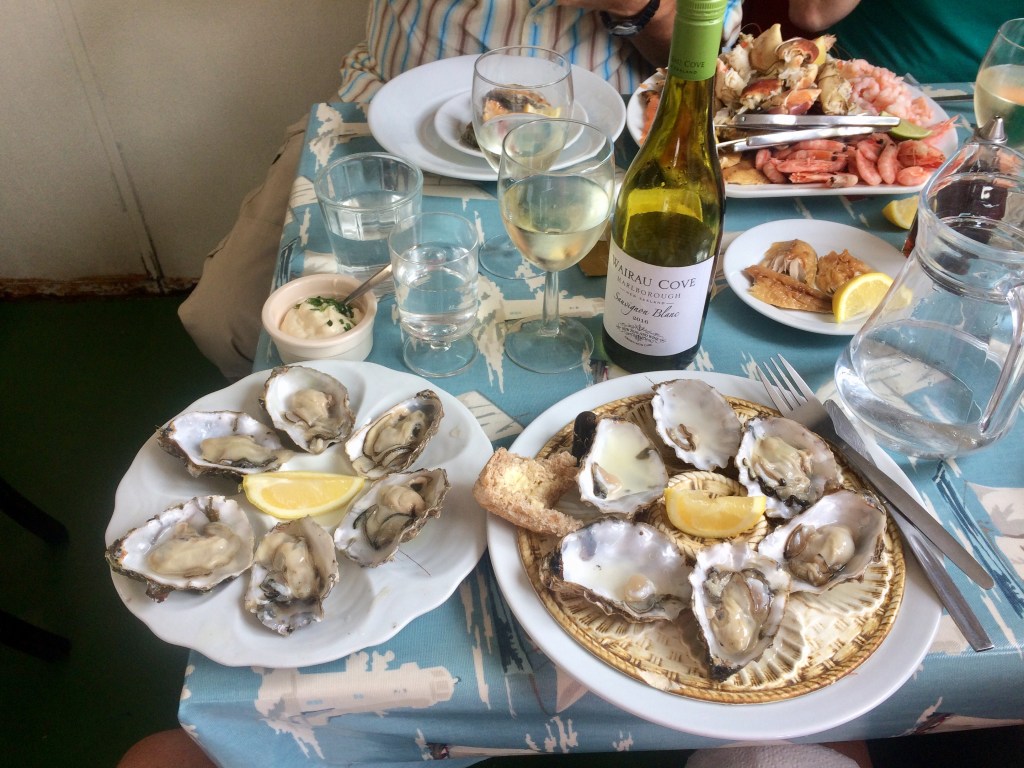
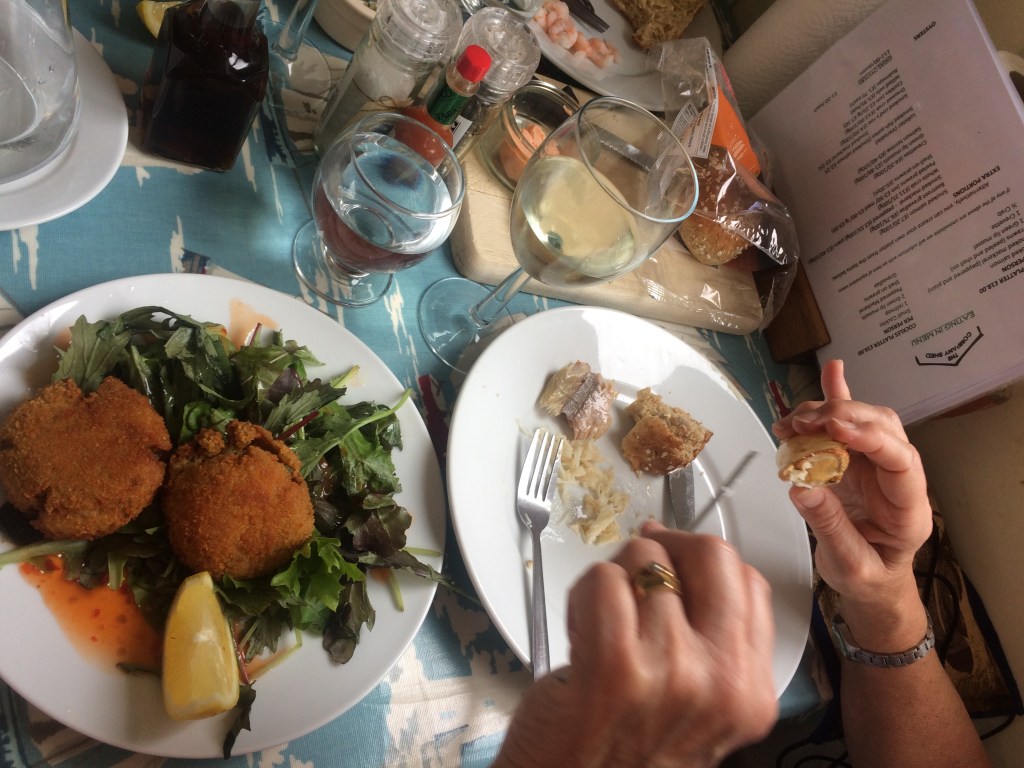
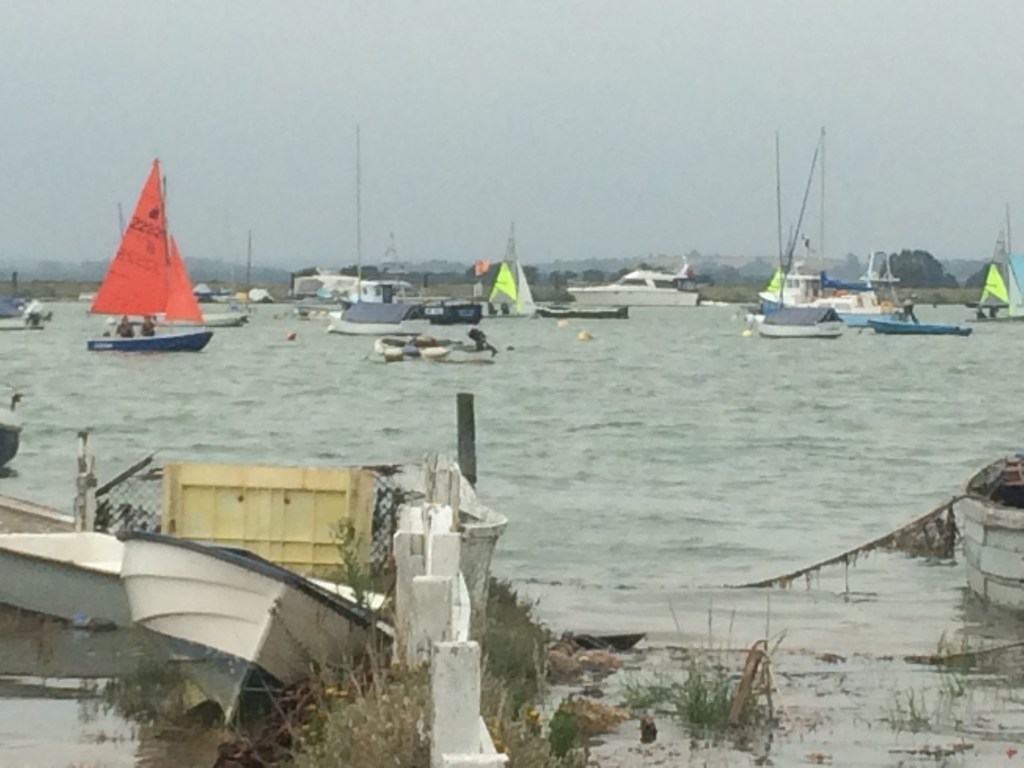
West Mersea is not everyone’s ideal place for a day out. English weather and the North Sea will often combine to limiting how much time one might want to spend on the beach, or mud flat which is what makes up much of this part of Essex. But it is quirky, it’s a fun place to wander and if you like fresh sea food, then why not!! We had an amazing day out.
River Blackwater – Maldon and Thames Barges
The Essex coast has a serrated edge of rivers flowing into the North Sea. From South to North the Rivers Thames, Crouch, Blackwater, Colne and Stour wend their way over shifting sands and mud flats. Many authors have recorded this coastal area, Maurice Griffiths “ The Magic of the Swatchways” and Arthur Ransomes children’s classic “ We Did Not Mean to Go to Sea” both give the reader a wonderful sense of the mystery of this part of the coast of Essex.
I love this part of the world, but am more than a little biased, growing up there with memorable summer holidays in a thatched cottage. In September 2017 we were with family in Essex and a day excursion was required – Maldon and Thames Barges were the answer.
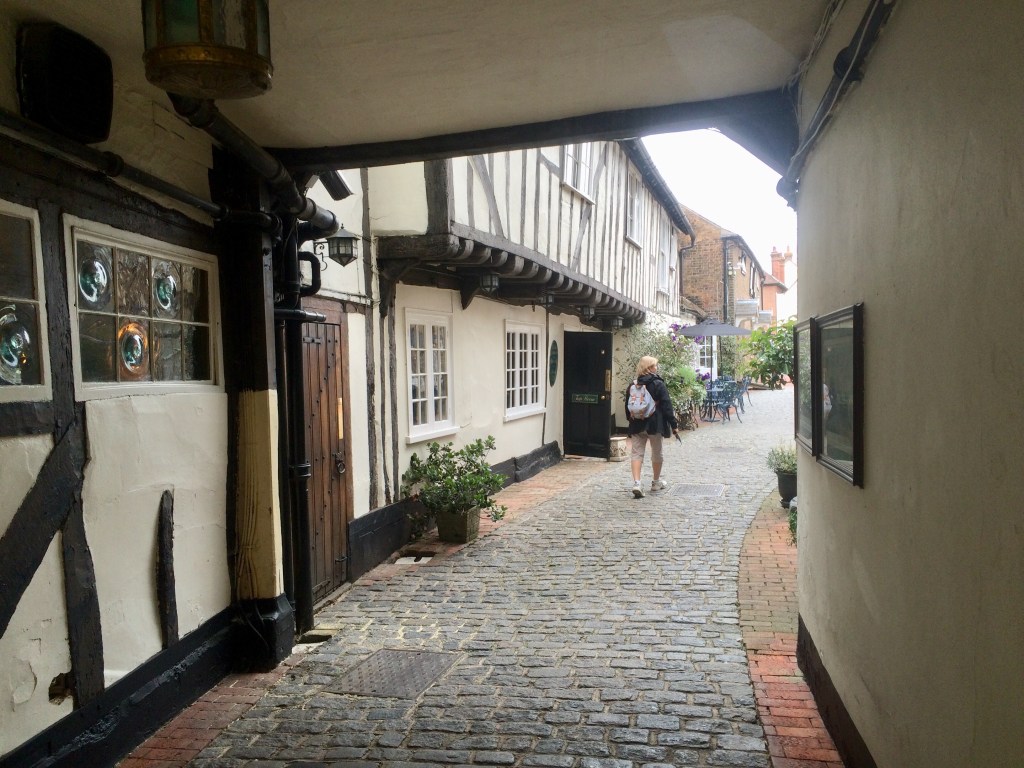
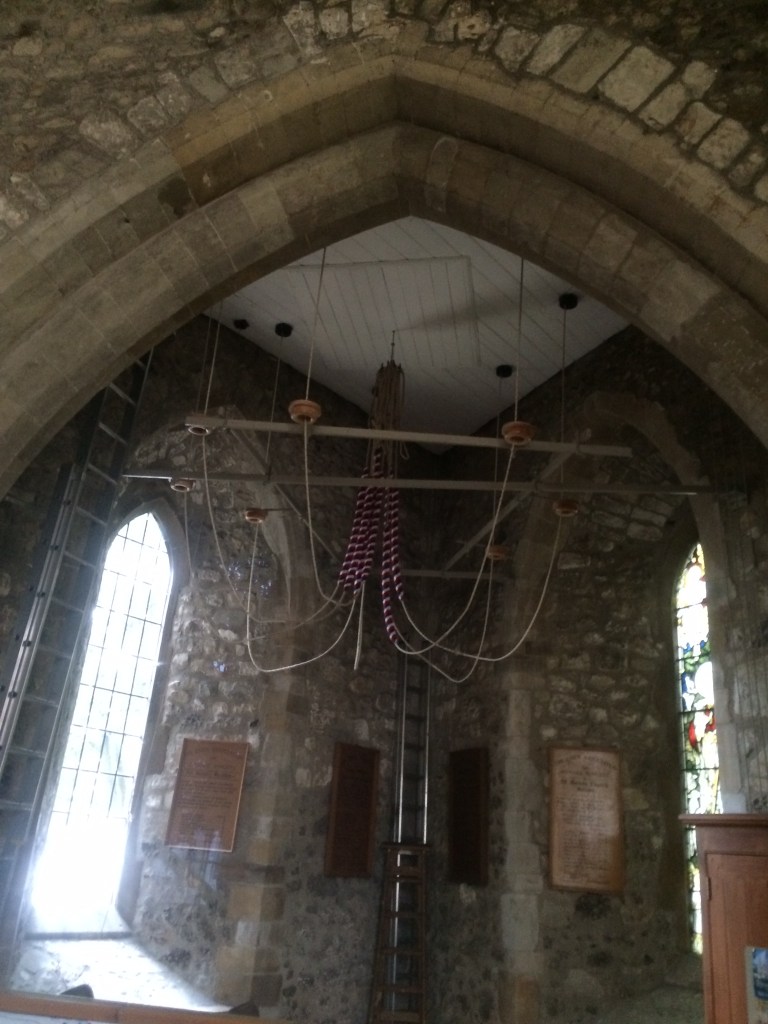
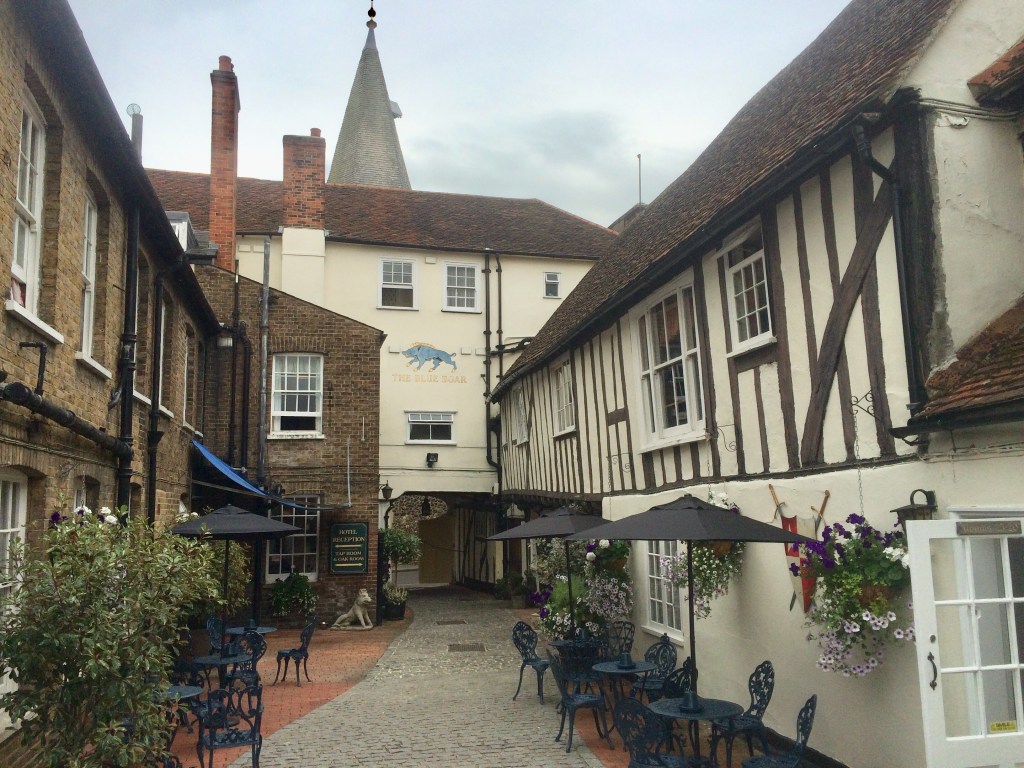
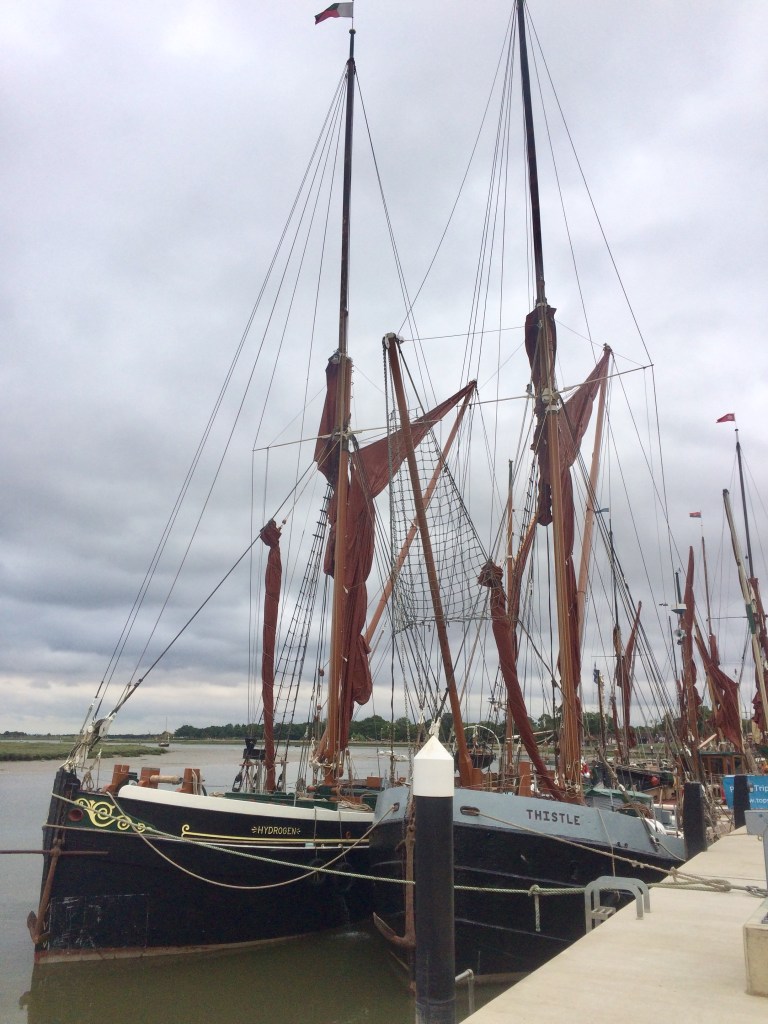
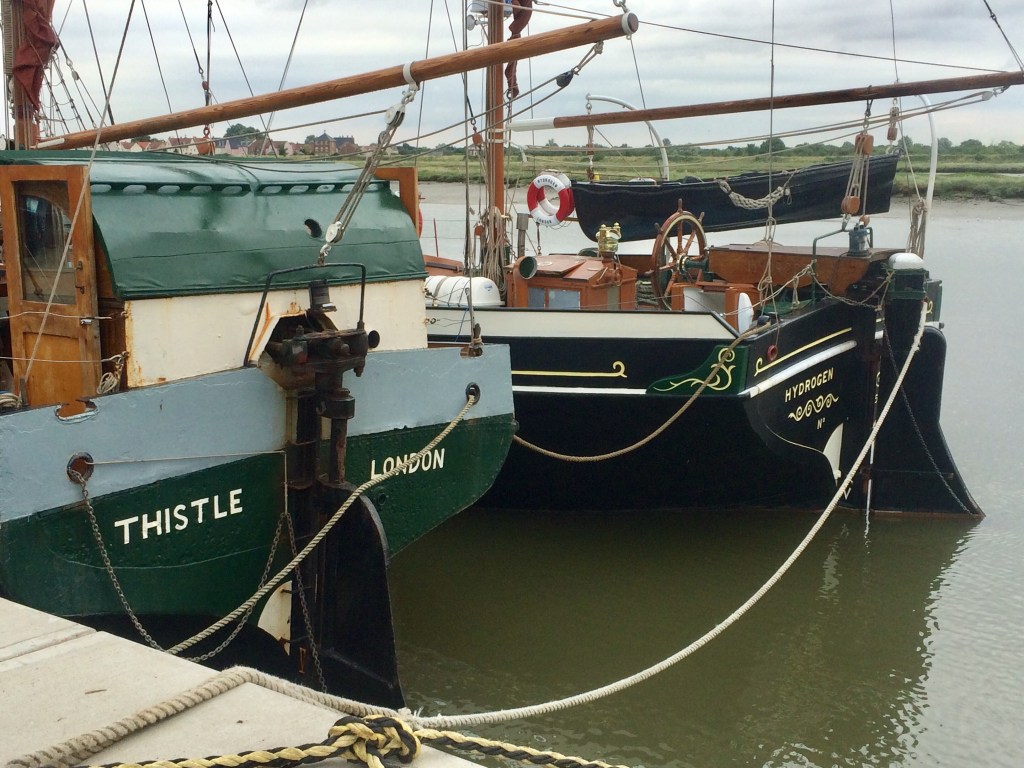

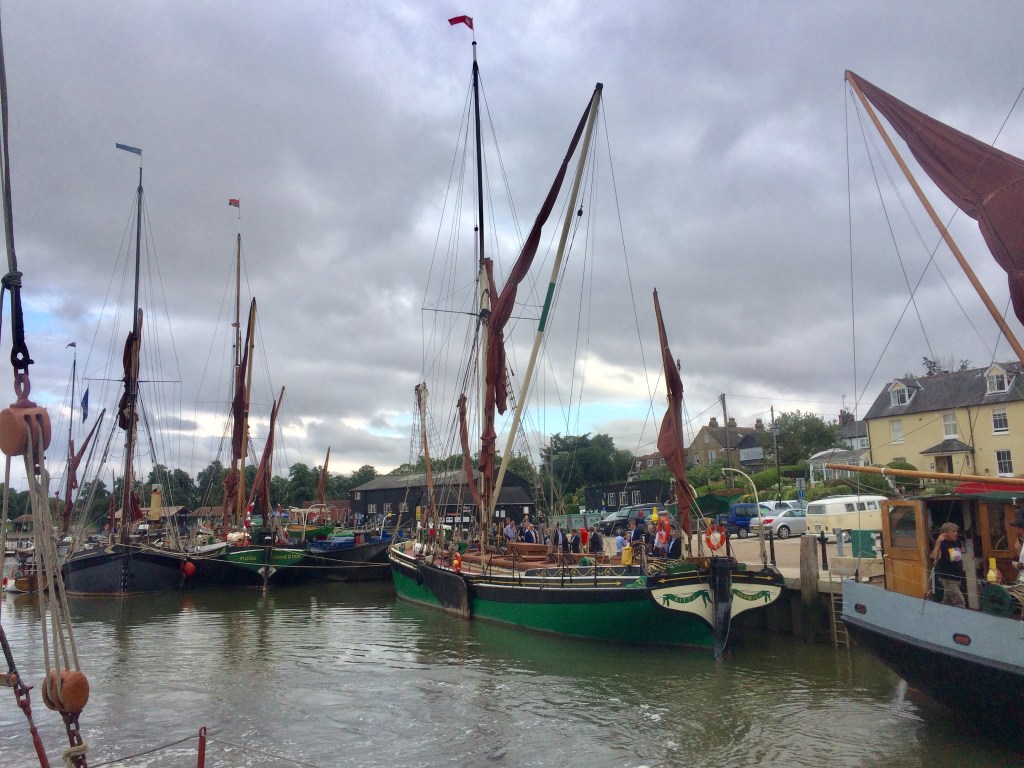
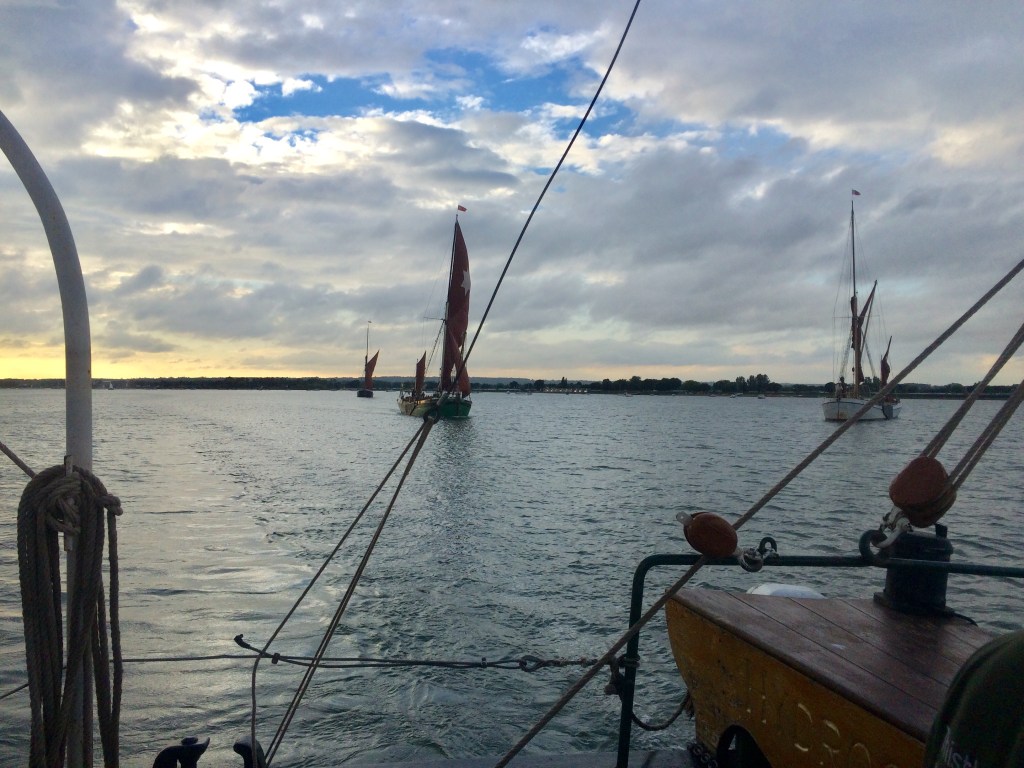
Maldon is a coastal town with a rich history in trade up and down the east coast and further afield. The most famous of the coastal trading vessels for this part of the world are the Thames Barges. Today they are preserved and maintained through philanthropy, charitable enterprise, education and tourism.
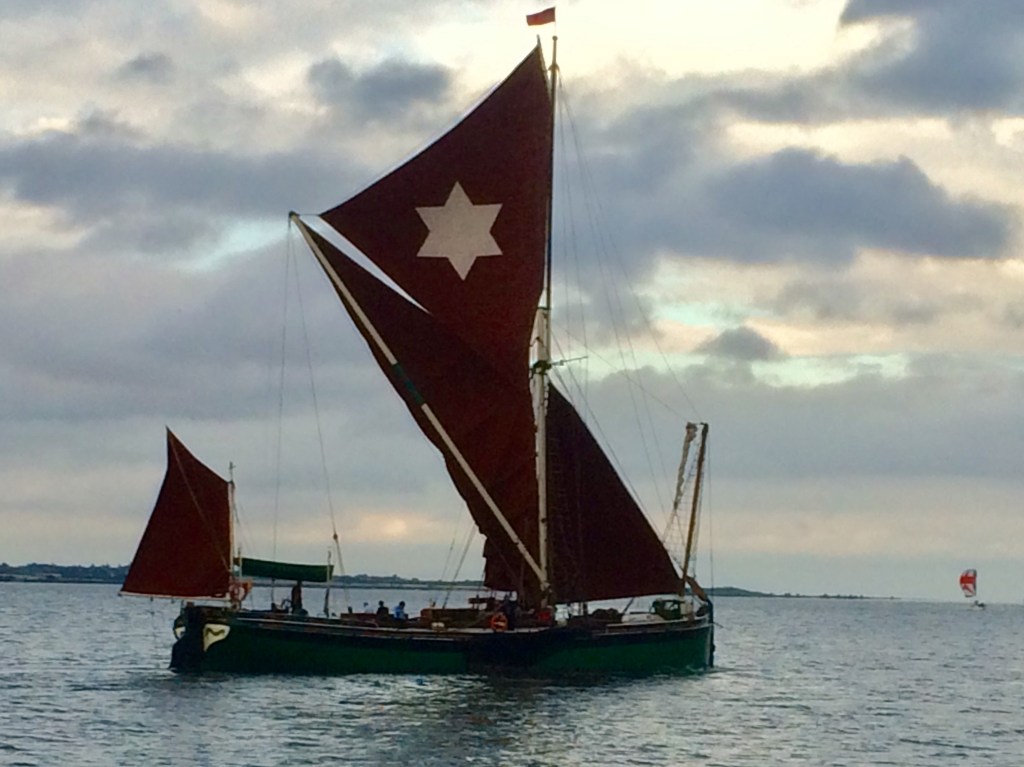
Our half day sail from Maldon quay, down the Blackwater and return was our tourist contribution to Thames Barge Hydrogen. It was a cool afternoon, with a fair breeze and the magic of the massive red sails breaking out, the creak of spars, deck planking and the rushing of river water past her side board – perfect.
The trip really was one of two excellent halves. The first the leaving of the quay and cruising down towards Bradwell Power Station. The second the return up river into the sunset and the town of Maldon rising up its hill to the Church, a homecoming.
More on Essex and Suffolk
These few places are just a taste of what there is to explore in this part of England. Not far from Maldon you will find the fruit growing areas around Tiptree, famous for its jams and the pretty villages of Tollesbury and Tolleshunt D’Arcy – gorgeous names.
Up the Suffolk coast you get to Aldeburgh and Southwold, yes plenty of scope for more wanderings around the rich history to be found in every village.
 Travels with My Wife